Fear of the dentist is a very common phenomenon.
The sound of machines, anxiety about anesthesia injections, and painful experiences can pile up,
and some people even turn back at the clinic door.
The problem is that if treatment is delayed like this, the condition often progresses,
which can lead to more extensive treatment being needed.
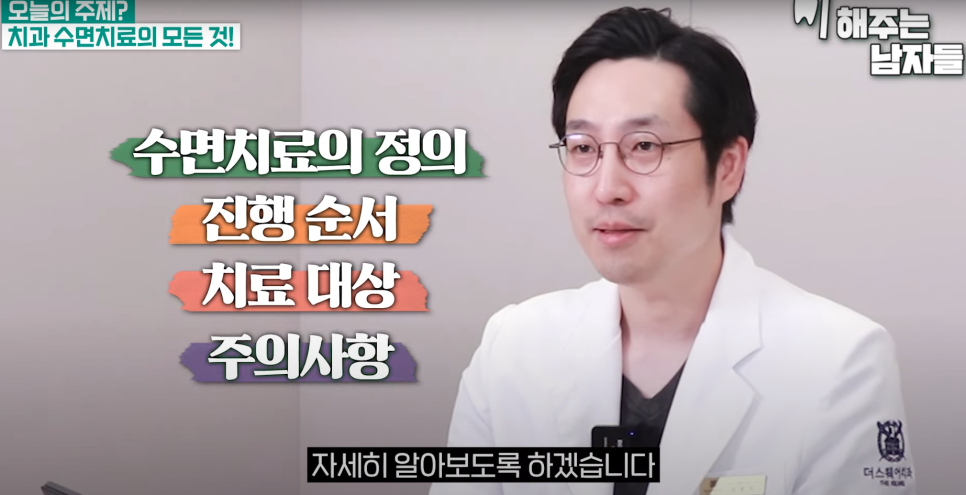
Hello.
I am Lim Jong-woo,
Chief Director of Gwanghwamun The Square Dental Clinic.
Today, I’ll explain what conscious sedation,
often called “sleep anesthesia,”
is, as well as the actual process
and precautions that patients often ask about.
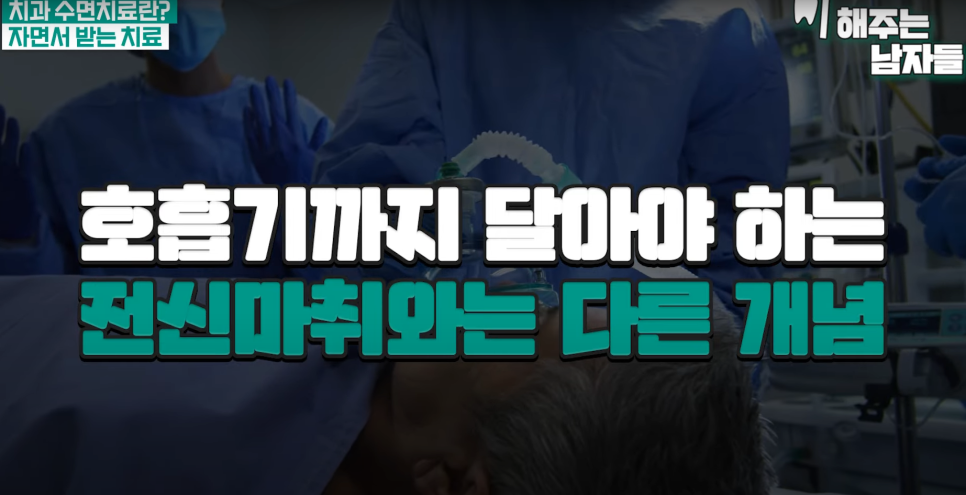
“Dental sleep anesthesia,” which is conscious sedation, is different from general anesthesia
Many people ask,
“If it’s sleep anesthesia, isn’t that general anesthesia?”
Because of the name, misunderstandings arise,
but conscious sedation is completely different from general anesthesia.
General anesthesia is a state in which breathing is managed by a machine,
whereas conscious sedation helps the patient remain in a relaxed, lightly asleep state
while still breathing and maintaining consciousness on their own.
Put simply, it is a state where you feel as if you are asleep and comfortable,
but can still talk and respond to stimulation.
That point is the key to its safety.
Even when I explain something simple during treatment,
patients often nod or respond with gestures.
In other words, it is not a complete loss of consciousness,
but rather a “comfortable, stable state.”
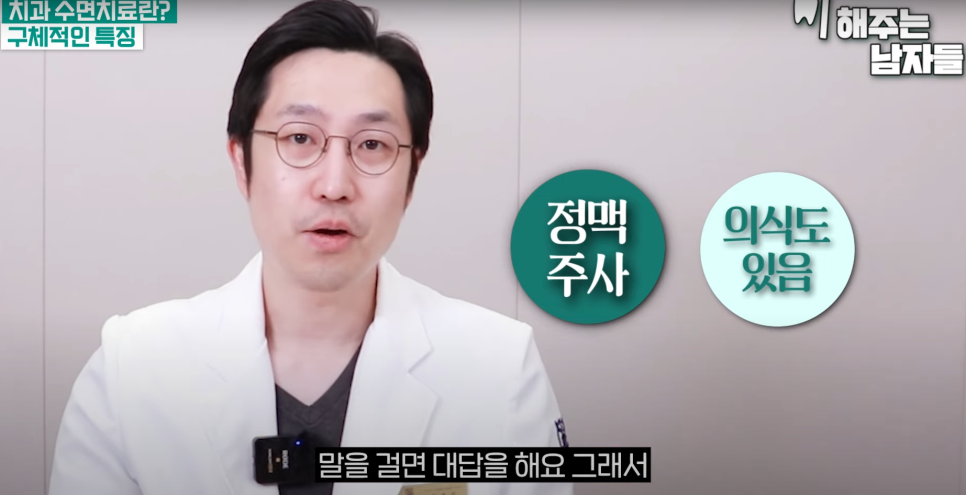
How is conscious sedation performed?
Treatment usually begins with an intravenous injection.
As the medication enters the bloodstream,
the body relaxes, tension is released,
and you reach a lightly asleep, drowsy state.
Treatment is then carried out,
and the patient feels little pain or anxiety.
After the treatment is finished, we either wait for the medication’s effects
to gradually wear off or administer an antidote
to help with faster recovery.
In most cases, alertness returns after about 30 minutes to 1 hour,
and simple daily activities are possible.
Medications used in conscious sedation and safety
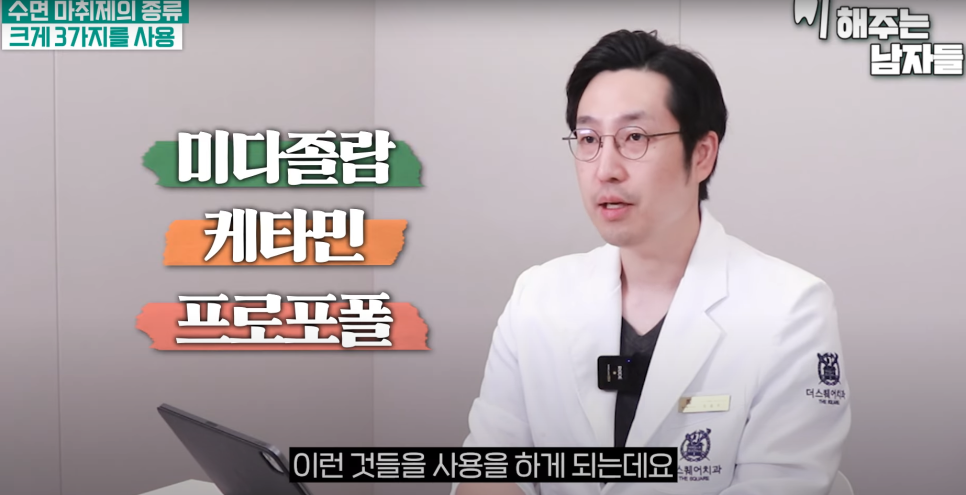
The most commonly used medication in conscious sedation
is midazolam.
It has a short duration of action and can be adjusted as needed,
making it suitable for dental treatment.
Depending on the situation, ketamine or propofol
may also be used as adjuncts.
What matters most is not the drug itself,
but the safety equipment, monitoring system, and the medical staff’s experience.
During treatment, oxygen saturation, heart rate,
and blood pressure are checked in real time.
Safety is always more important than comfort.
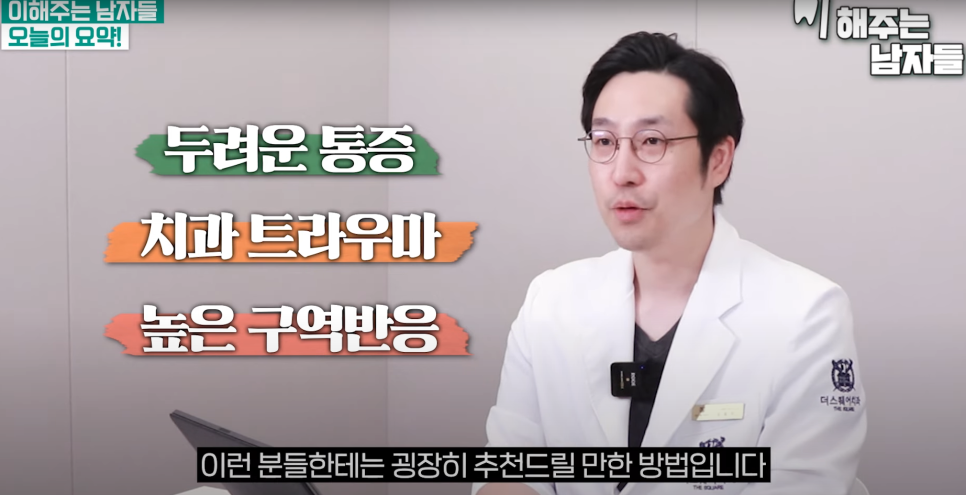
Who is a good candidate for conscious sedation?
Conscious sedation is not something every patient necessarily needs.
But in certain situations, it can be a tremendous help.
● In cases of severe dental phobia
“There are times when I come to the dentist and my hands get sweaty,
my heart races, and I just can’t get treatment.”
There are patients like this.
For these patients, conscious sedation
helps lower the barrier to starting treatment.
● In cases of a strong gag reflex
Many people have difficulty receiving treatment because they feel nauseous
when scaling instruments or impression material enters the mouth.
In such cases, performing treatment in a lightly asleep state
can reduce unnecessary tension and the gag reflex.
● In cases where lengthy treatment is needed
It is especially useful for long procedures,
such as placing several implants at once
or extracting multiple wisdom teeth at the same time.
The patient feels less fatigued,
and the medical team can focus on treatment in a stable environment.
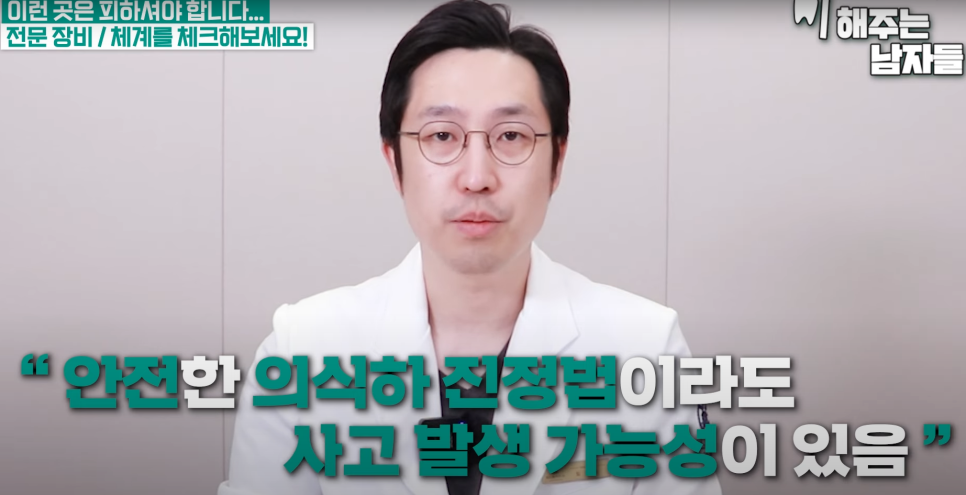
Conscious sedation can greatly reduce fear of dental treatment,
but it is not simply a way to receive treatment comfortably for a while;
it is a professional process based on patient safety.
Therefore, it must be performed in an environment equipped with monitoring devices
and an emergency response system, and it is important to select
medications and dosages appropriate to each patient’s condition.
Above all, only when sufficient consultation and explanation are provided before and after treatment
so that the patient feels reassured,
can the advantages of this method be properly realized.
For those who feel afraid and hesitate to undergo dental treatment,
conscious sedation can be one option
that makes treatment a little more comfortable.
But please remember that the goal is not comfort alone;
what matters is continuing treatment safely.
I will always do my best
to provide you with a healthy dental experience.
_
Gwanghwamun The Square Dental Clinic
From Lim Jong-woo, Chief Director