Hello,
I am Jong-woo Lim,
Director of Gwanghwamun The Square Dental Clinic.
“Doctor, how long do implants last?”
The answer to this question is not simple.
The lifespan of an implant
is determined by multiple factors
working together.
An implant is a treatment that can last a long time
only when a ‘successful procedure,’
‘how it is used,’ and the ‘maintenance environment’
all work together.

Healthy Bone and Gums Are Essential
An implant replaces the root of a tooth
and is fixed inside the bone.
That is why a healthy foundation—
in other words, the condition of the bone and gums—
is the lifeline of an implant.
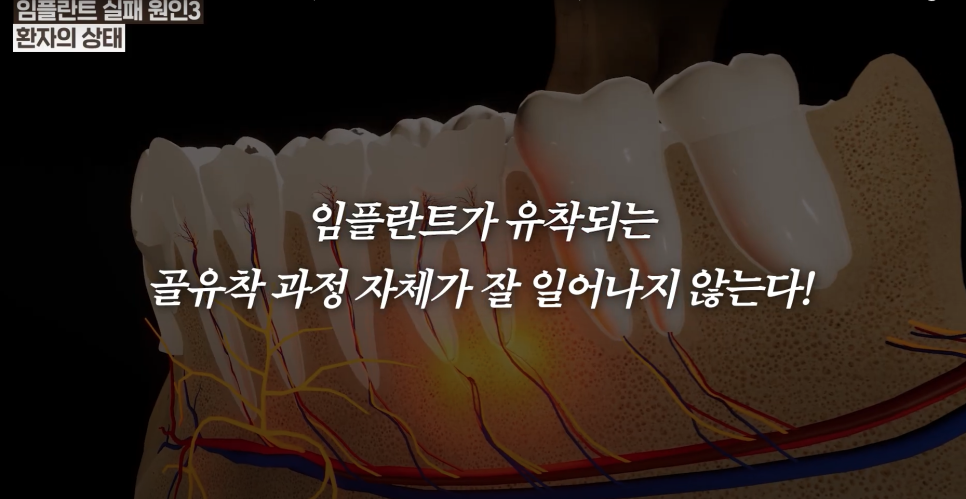
Bone that is too dense may have restricted blood flow,
making it difficult for the implant to integrate,
while bone that is too soft has weak stability
and can easily become loose.
The quality and quantity of the bone must therefore be balanced
for the implant to settle securely.
In addition, when systemic conditions such as
diabetes, high blood pressure, or osteoporosis are present,
the bone’s ability to heal and control inflammation
may be reduced, increasing the likelihood of failure.
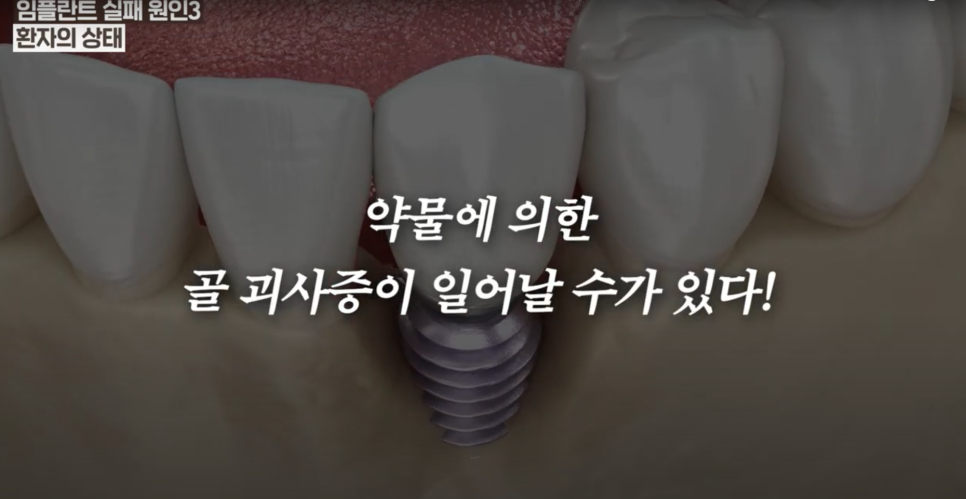
In particular, if you are receiving osteoporosis injections
or taking medication long term,
bone regeneration may be suppressed,
which can lead to ‘medication-related osteonecrosis.’
In such cases, it is necessary to
allow a medication break of at least six months
and adjust the timing of the procedure for safety.
The first step toward using an implant for a long time
is to accurately understand your physical condition
and create a plan suited to it.

Habits That Can Damage Your Implant Without You Realizing It
Although implants are made of metal,
they are much more vulnerable to external forces than natural teeth.
Natural teeth have nerves,
so when excessive force is applied,
they send a signal that says, ‘It hurts,’
but
implants have no sensation,
so it can be difficult to notice even when damage accumulates.
The most common example is teeth grinding or clenching.
The habit of unconsciously clenching your teeth tightly at night
repeatedly applies slight pressure to the implant root,
causing the surrounding bone to gradually deteriorate.
In such cases, it is advisable to wear a night guard (protective device)
to protect the teeth and bone.
Smoking and drinking are also
the greatest enemies of implants.
Smoking constricts blood vessels, blocking the supply of oxygen,
and worsens gum inflammation,
interfering with osseointegration (bone integration).
Alcohol likewise increases the inflammatory response
and delays wound healing.
Please remember that a single small habit
can shorten an implant’s lifespan
by several years.

Cleanliness Protects Its Lifespan
Because of their structure,
implants are more likely than natural teeth to trap food.
That is why, after surgery,
even more thorough hygiene care is necessary.
The area where the implant meets the gums
is a place where bacteria can easily multiply.
If inflammation develops, it can progress to
‘peri-implantitis.’
This condition causes little to no pain,
so it often progresses
without the patient realizing it.
Eventually, the bone supporting the root may deteriorate,
and by then it is often already too late.
To prevent such problems,
● Use an interdental brush and dental floss every day
● Have regular checkups every 6 months to 1 year
to examine the condition of your gums and bone.
Checking for problems before they occur—
that is true maintenance.
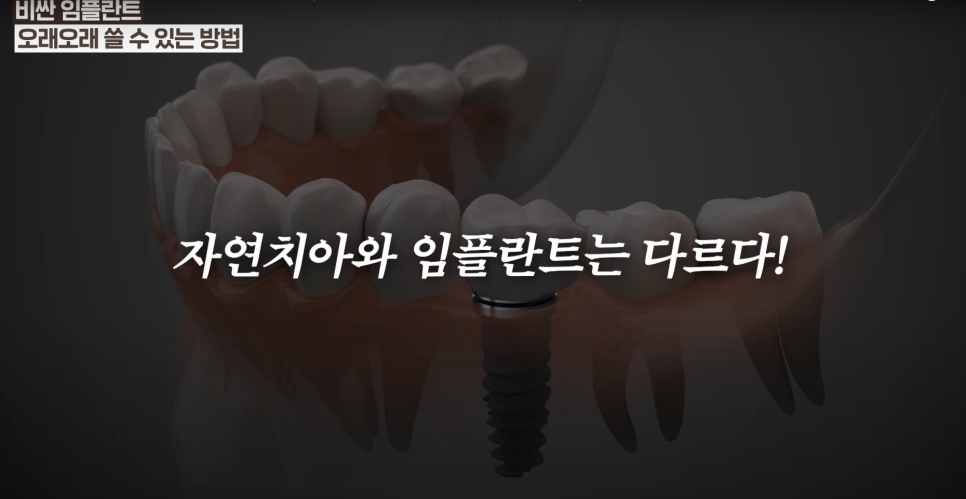
Implants Must Be Handled
More Carefully Than ‘My Own Teeth’
Natural teeth have the ability to repair themselves,
but once an implant is damaged,
recovery is difficult.
You should not assume that you can
chew any food you like with an implant
just as you would with a natural tooth.
An implant is not a ‘treatment that is simply placed and left in place.’
It is a process of nurturing it as part of your body.
Developing the habit of using it gently and carefully
is the most reliable way to use an implant for a long time.
More important than the moment an implant is placed
is how healthily you maintain it afterward.
I hope today’s message serves as
an opportunity for those already using implants
to check their condition.
Gwanghwamun The Square Dental Clinic
Jong-woo Lim, Director