Hello.
We are The Square Dental Clinic, focusing on helping teeth last a long time.

After getting a crown, many people think,
"That’s it, it’s done."
But when pain or discomfort appears after some time has passed,
it can actually feel even more surprising.
At times like this, what you need is not vague worry,
but a standard for how to look at the current condition.
So today, I’d like to organize the flow of crown tooth pain,
step by step, starting from how it appears.
The reason it wasn’t over after the crown,
is the reaction inside the tooth.
Crown tooth pain
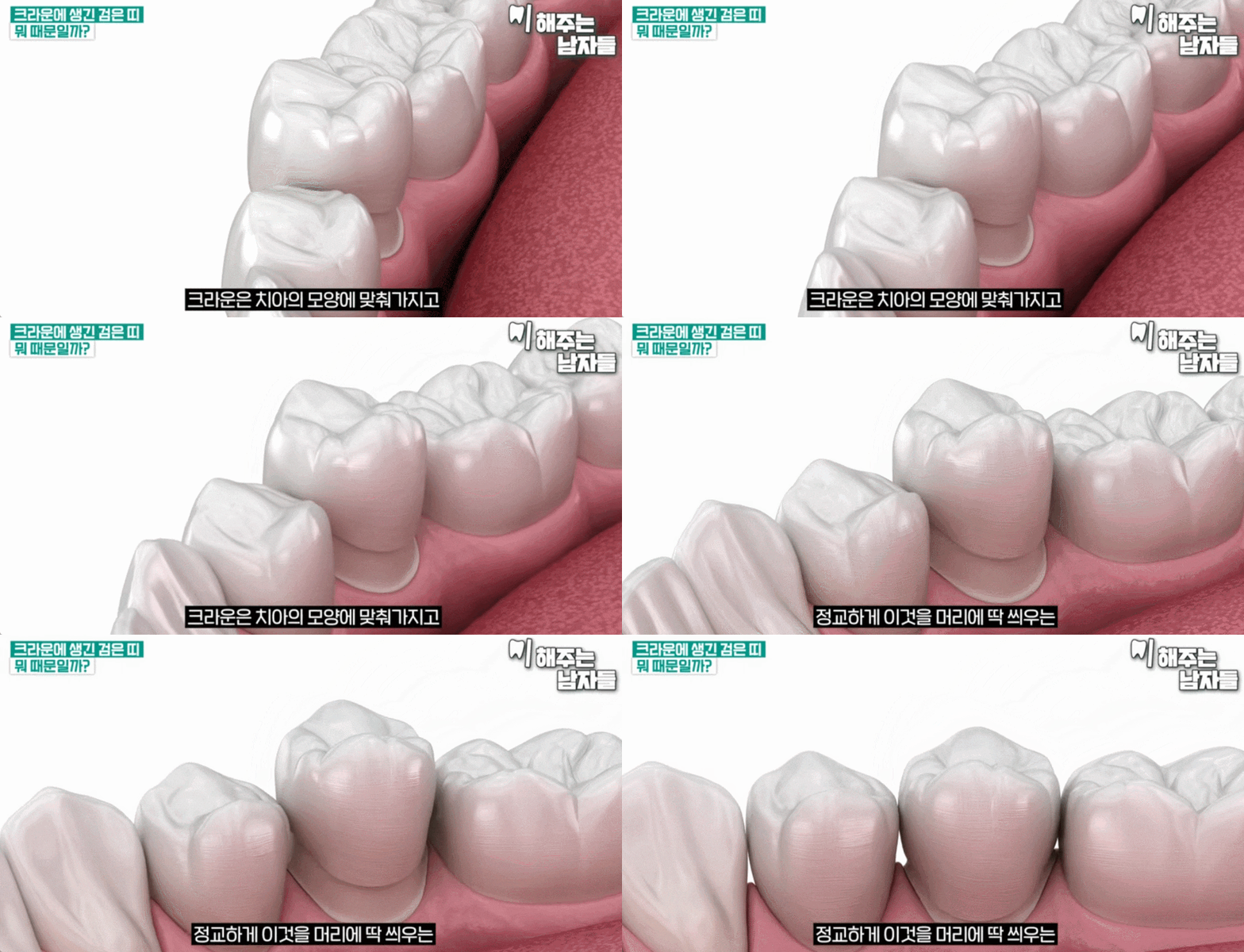
When pain is felt even after a crown has been placed,
the first thing to check is the condition of the nerve inside the tooth.
A crown covers and protects the outside,
but it does not change the internal environment of the tooth beneath it.
During the process of preparing a crown,
reshaping the tooth is always necessary.
At this time, if the tooth has become thinner
or if the nerve inside was already sensitive,
then even if the outside is well covered,
the inside may still remain sensitive to stimulation.
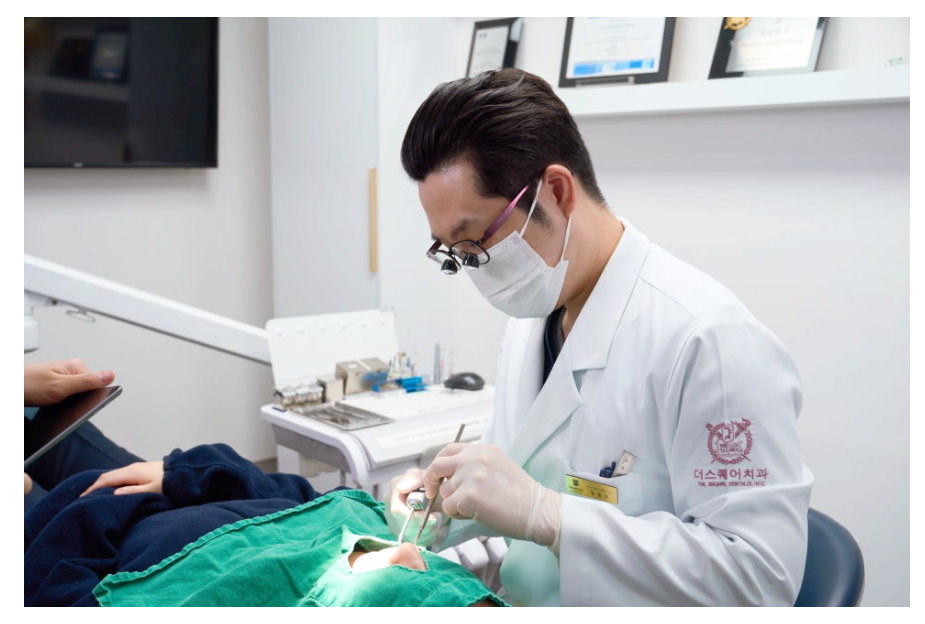
Especially if
※ you feel a sharp pain when eating cold food, or
※ you feel discomfort only at a certain moment while chewing,
it may be a sign that the nerve has not yet fully stabilized.
In this case, what matters is whether the pain keeps getting worse
or gradually decreases.
If it slowly settles over time,
it may be a temporary reaction to stimulation.
But if the intensity of the pain remains the same
or becomes stronger,
it is necessary to check the nerve condition under the crown once more.
So pain after a crown is more than just one result;
it is helpful to understand it as a status signal from inside the tooth.
A slight difference in height that you cannot see
can be felt as pain.
Crown tooth pain
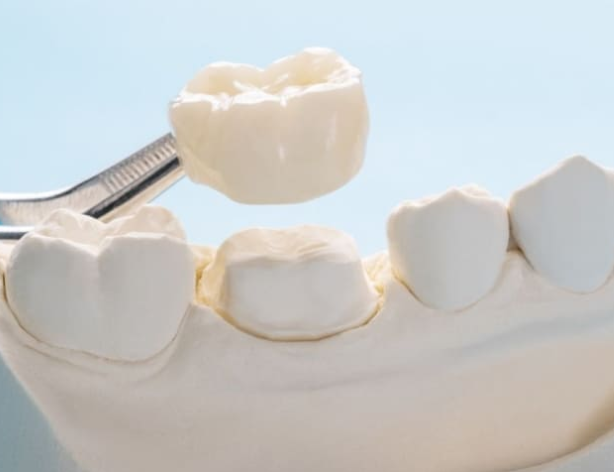
After getting a crown,
there are cases where everything feels fine when you are still,
but discomfort is especially noticeable only when eating.
In such cases, it is better to first think about changes in how the upper and lower teeth fit together,
rather than the tooth itself.
A crown is a structure that covers and protects a damaged tooth,
but even a very slight difference in height can cause chewing force
to hit a particular tooth first.
This difference is almost impossible to notice by looking in a mirror
or touching it with your hand.

But because molars are the teeth that receive the greatest force
when chewing,
if this small difference in height is repeated,
pressure will concentrate every time you chew,
and that stimulation can lead to discomfort.
In particular, if you eat hard foods
or have a habit of chewing on one side,
this pressure may be felt even more clearly.
So if you feel that "it’s fine most of the time, but it feels strange only when I eat,"
it may be less of a structural problem
and more of a change in how force is being applied.
In such cases, rather than concluding that something has gone wrong,
it is necessary to review how the crown is balanced
with the surrounding teeth.
Sensitivity after a crown:
It is necessary to distinguish whether it is part of the recovery process or a warning sign.
Crown tooth pain

After getting a crown,
there are also cases where cold or hot food
causes a particularly sharp feeling.
In such cases, rather than focusing on the crown itself,
we look at how the tooth underneath is reacting to stimulation.
A crown covers and protects the outside,
but the tooth underneath still has a structure that reacts to temperature changes.
Especially if there was a deep cavity before,
or if stimulation had already reached deep inside the tooth,
it may feel sensitive to external temperature changes.

Also, if the boundary between the crown and the tooth
has become even slightly sensitive,
when cold water or hot food touches it,
a brief sharp sensation may appear.
This kind of reaction is different in nature from persistent pain,
and it often eases once the stimulation is gone.
However, if this sensitivity does not decrease over time
or discomfort continues even without stimulation,
it is worth checking whether the tooth is in the process of recovery
or whether another cause is also involved.
[The lifespan of a crown
is determined more by later use than by its initial condition.]

Pain or discomfort after a crown is not simply a matter of
"wrong" or "fine."
Whether the bite is placing stress on the tooth now,
whether the tooth underneath is reacting sensitively to stimulation,
and whether this sensation is temporary
or a continuing signal,
all of these conditions need to be considered together.
Even if it looks finished on the outside,
there are many cases where reactions that appear during use
show up only later.
So just because there is pain,
there is no need to rush to a conclusion
or start worrying first.

At The Square Dental Clinic,
before focusing on the visible result,
we first look at whether this crown is being maintained without strain
within the current tooth structure and usage habits.
If this article helped you organize a 기준 for
how to look at the pain you are feeling now,
then I think that alone is a good starting point.
Thank you for reading until the end.
This was The Square Dental Clinic.
[How has your concern before visiting
changed?]
[You are welcome to ask casually before making a reservation]
[Location guide for first-time visitors]
| This article was written in compliance with the Medical Service Act (Article 56, Paragraph 1) so that you can obtain accurate information. Instead of simple promotion, we wanted to transparently share the processes that actually happen in the treatment room. Please do not contact us immediately after reading this article; simply gaining accurate information will be enough. |