Hello.
We are The Square Dental Clinic, a practice focused on helping teeth last longer.

There are days when you are brushing your teeth, look in the mirror, and
the edge of your front teeth suddenly
catches your eye.
It may have seemed fine yesterday,
but today, for some reason, it keeps bothering you.
At times like this, most people have a similar thought.
"It’s probably still fine,
but should I have it checked at least once?"
Concerns about replacing an anterior crown
often start with a small moment like this.
So today, I’d like to explain
how to understand the condition of an anterior crown.
If you read closely for a moment,
you may be able to sort out the reasons
you have been worrying about your anterior crown.
[The lifespan of a crown,
we’ve summarized why maintenance makes the difference]
The lifespan of an anterior crown
can be risky to judge by “how many years.”

One of the questions that comes up often in the clinic is
"How many years can an anterior crown be used
before it needs to be replaced?"
But in reality, the lifespan of an anterior crown
is rarely something that can be fixed with a single number.
Even if used for the same amount of time,
some people live comfortably for a long time,
while others may notice small concerns
relatively early.
This difference is often not due to time itself,
but to a combination of factors such as
the bonding condition,
the gums’ response,
and the direction in which biting forces are transmitted.
So even if it looks fine from the outside,
it does not always mean the situation is safe.

Also, because the front teeth are in a very visible area,
they are a part of the mouth where even very small changes
can feel especially noticeable.
That is why it is not uncommon for worry to come first,
even before the actual condition does.
For this reason, when looking at an anterior crown,
it is much more important to focus on the current condition
rather than on the number of years alone.
There are moments when it looks fine,
but still feels unsettling.
Anterior crown replacement
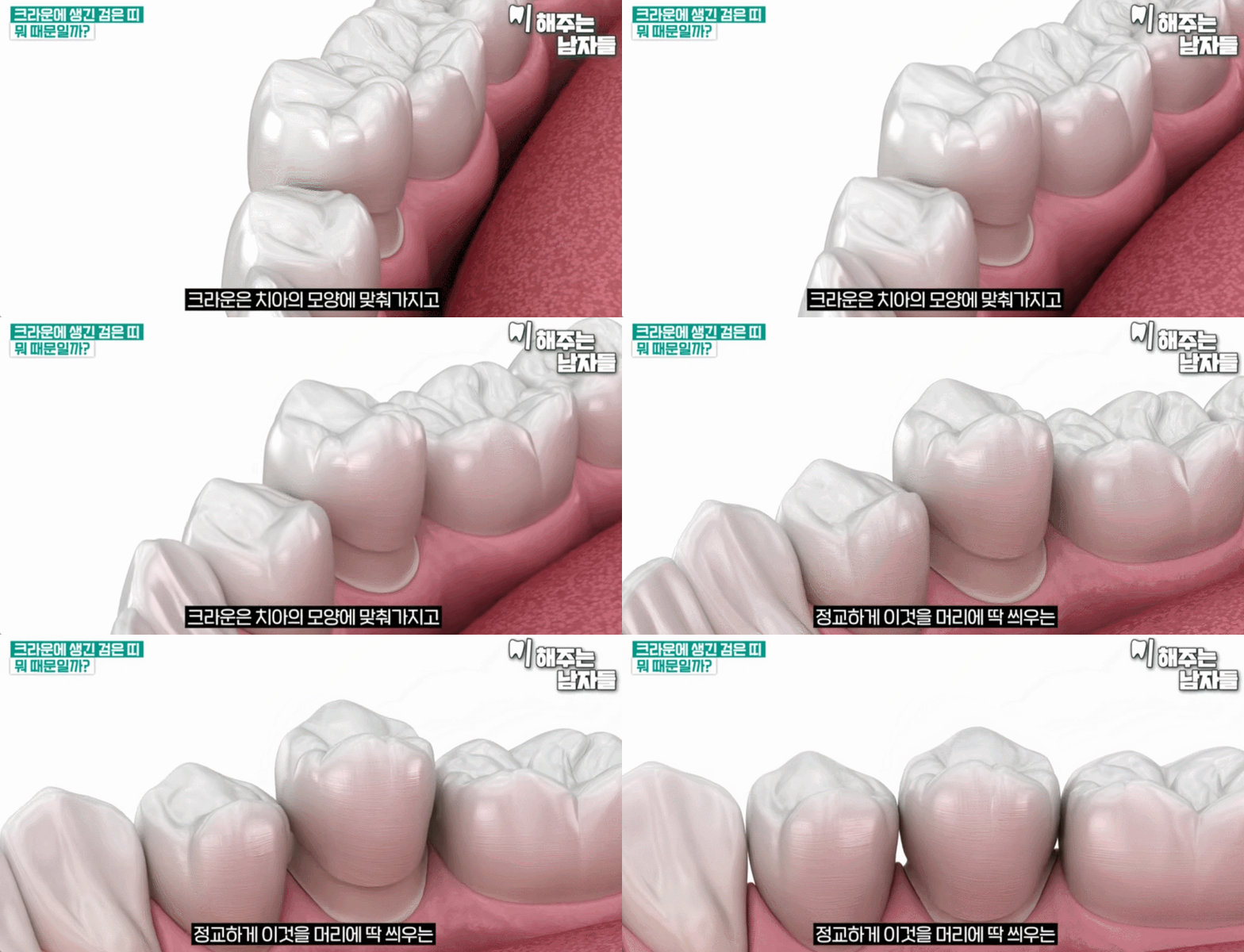
When it comes to an anterior crown,
the outer surface often seems to have no major problems.
So it is also the kind of thing people naturally brush off,
thinking, "It’s probably still okay."
But if you look a little more closely,
there are moments when small changes start to stand out first.
For example,
the boundary where the gum and crown meet
may look slightly different from before,
or the color may seem subtly darker.
Also, if the toothbrush bristles keep catching when you brush,
it tends to draw your attention again.
These changes often do not lead to immediate discomfort.
But at the same time, they can be a sign that
the internal environment is becoming a little different
from before.
That is why it feels so ambiguous.
"It seems like it might still be okay..."
"But I also feel uneasy about just leaving it alone...."
And that is how the worry keeps dragging on.
Anterior crown replacement:
If you are hesitating, start with these three things.
If you have started worrying about an anterior crown,
it may help to first think about the following three criteria.
These are signals that help you gauge
the current condition.
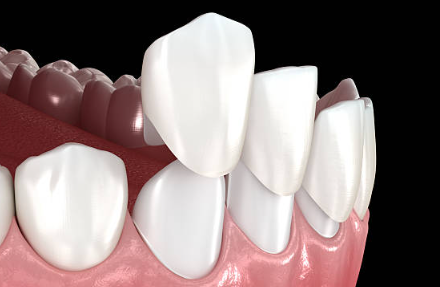
| First, check whether there is a change in the boundary where the gum and crown meet. |
If the line looks lower than before,
or the boundary looks especially distinct,
then even if it seems fine on the outside,
it may be time to take a closer look.
Because these changes are not easy to notice,
they are also easy to overlook.
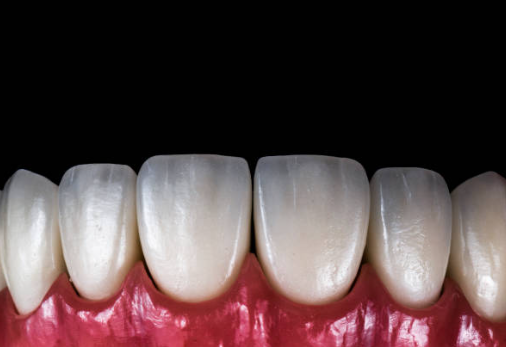
| Second, look for repeated signals, even if there is no pain. |
For example,
if you often notice feelings such as odor or a foreign-body sensation,
it may be a sign that the internal environment
is changing.
If a discomfort you had brushed aside keeps happening,
it is worth checking the reason.
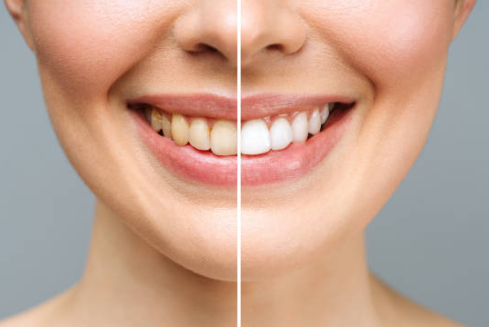
| Third, check whether the color or balance looks different compared with the surrounding teeth. |
As time passes and the surroundings change little by little,
the impression of the front teeth can change as well.
If that area stands out first when you take a photo,
that can also be a clue.
The most disappointing moment in the clinic is
when we hear, "I thought it was just fine then."
So if you notice even one of these signals,
I would say now is the time to set a 기준 for judgment.
[Uncomfortable crown symptoms that appear over time?
There is a separate reason for that]

Anterior crown replacement
can leave more options open when handled early,
but once time passes and the discomfort becomes clear,
the directions you can naturally choose become fewer.
The judgment that "I can probably use it a little longer"
is not always wrong.
However, choosing to let it pass without a 기준
can make the situation more complicated later.

That is why, at The Square Dental Clinic,
rather than immediately saying what must be done,
we begin by looking at what stage
the current anterior crown is in.
Is it in a condition that can be observed for now,
or is it time to organize your options at least once?
That is why we distinguish between these cases first.
Thank you for reading to the end.
This has been The Square Dental Clinic.
[If you want to refer to an actual visit experience]
[If you have questions, you can ask here]
[Check the location guide when visiting]
| This post has been written in compliance with the Medical Service Act (Article 56, Paragraph 1) so that you can obtain accurate information. Rather than simple promotion, we wanted to transparently share what actually happens in the clinic. Rather than contacting us immediately after reading this post, it is enough to simply take away accurate information. |