Hello.
We are The Square Dental Clinic,
a clinic that studies natural smiles.
"How much difference does whitening make?"
But for this question,
there are many cases where
it is difficult to answer directly, as if it were a number.
Because changes in teeth
do not appear in the same way
for everyone.
So if you look a little more closely at the feelings of people
who are considering whitening,
they usually arrive at similar thoughts.
Whether my teeth can also change in a meaningful way,
and whether now is the right time.
Beyond simply how much whiter the color becomes,
you want to know first whether this is a process
where change is worth expecting in the current state.
So today, for those considering whitening,
we want to organize first what it means
for teeth to "change" through the process of understanding.
Before deciding on something,
think of this as a time to understand
what state your teeth are currently in.
Let’s take a look together now.
If the starting point of discoloration is different,
the change you can expect will also be different.
Tooth whitening effect
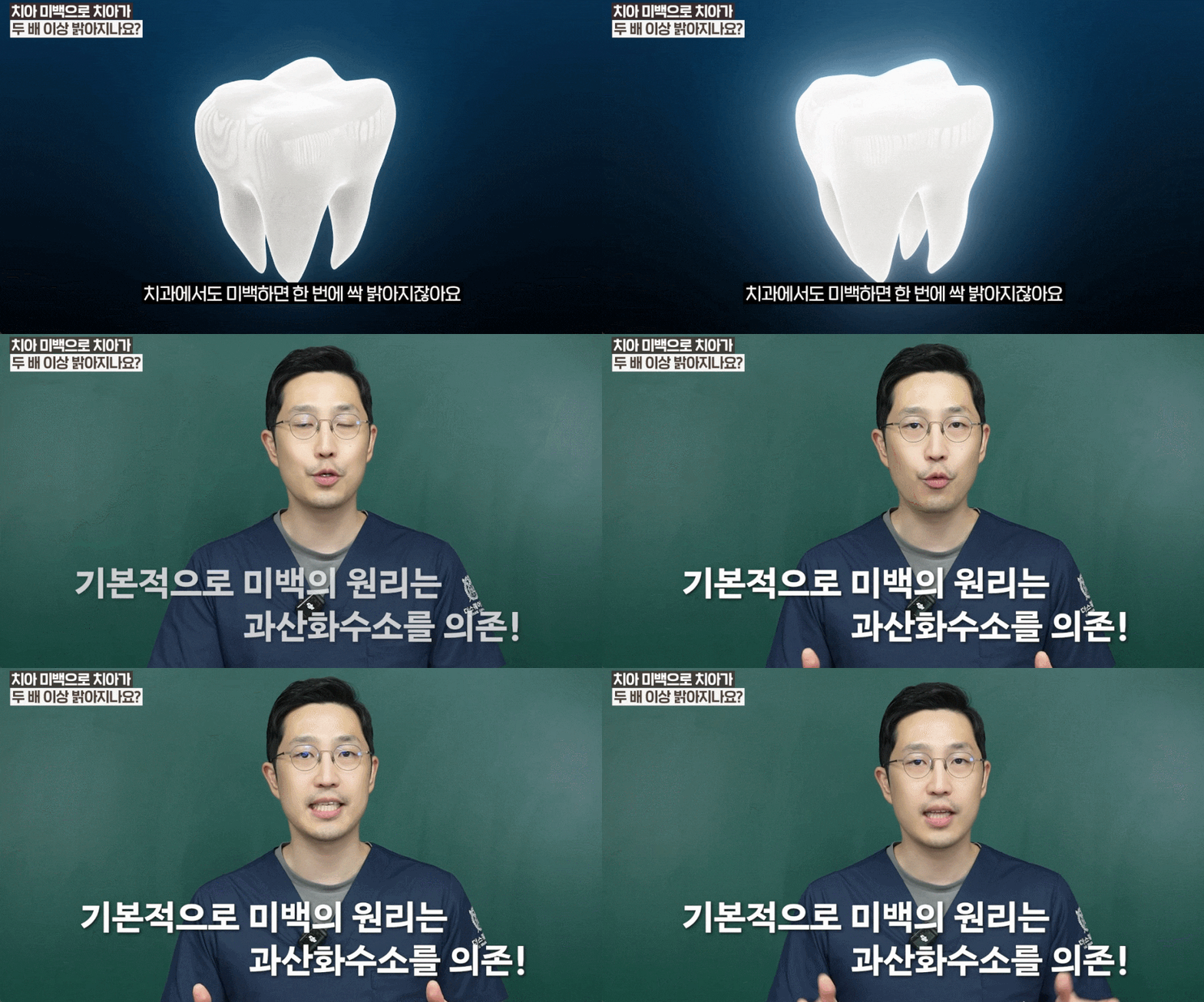
Most people considering whitening
start thinking about it because at some point
their teeth seem darker.
Moments when things feel a little different than before
when meeting people or speaking to someone,
slowly pile up one by one.
But the first thing to point out here is
why the color changed.
Depending on this part,
the range of what can be restored
can change quite a lot.
Changes in tooth color can broadly be divided
into three patterns.
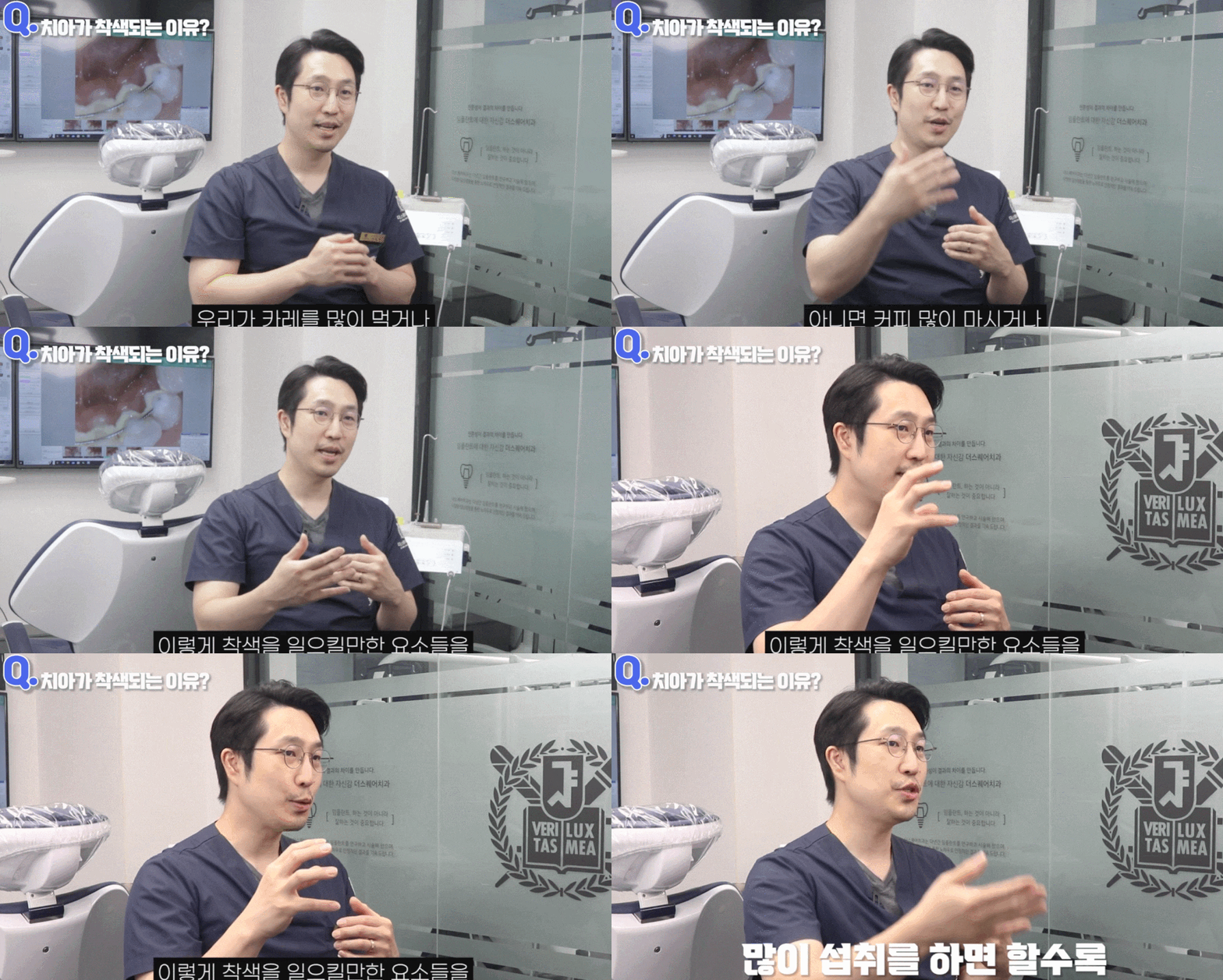
| First, extrinsic staining. |
This is when layers of color build up little by little
as food and drinks that touch the outer surface,
such as coffee, tea, and wine, are consumed repeatedly.
It is relatively common in daily life
and is characterized by changes close to the surface.
| Second, intrinsic discoloration. |
This is a pattern in which the inner structure changes,
making the color inside appear darker.
In this case, even if it looks similar from the outside,
the way the change appears can be different.
| Third, natural changes over time. |
As we age, the outer layer gradually becomes thinner,
and the color underneath shows through,
making the teeth look darker overall.
This is closer to a change that appears with the passage of time
rather than from a specific cause.
As such, depending on which pattern it falls into,
the range of what can be expected
can naturally be different.
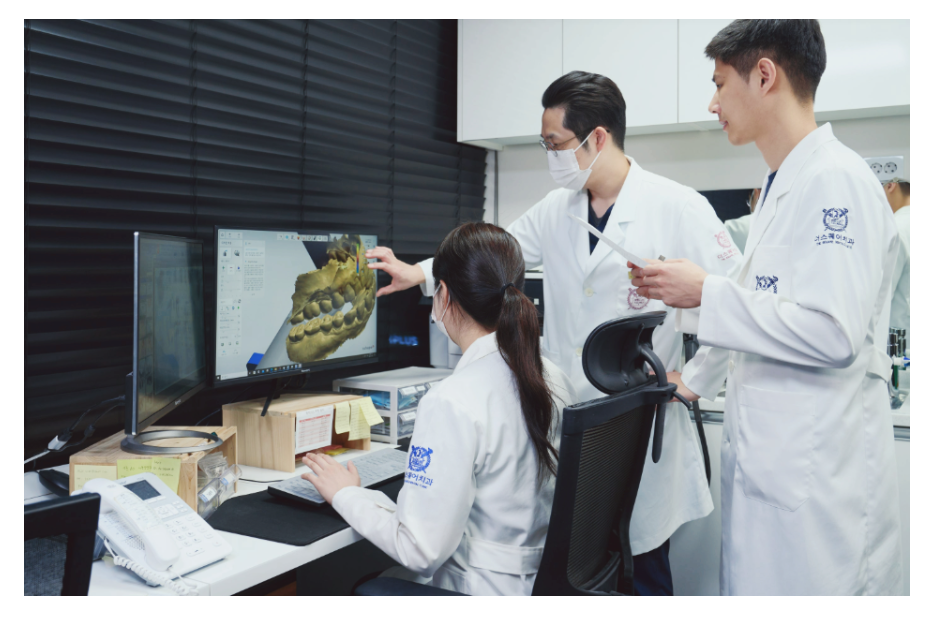
Among these,
the type that tends to respond relatively well
is extrinsic staining.
On the other hand,
for intrinsic discoloration,
the extent of change may feel limited.
So if the cause is different,
the range of change you can expect
cannot be the same.
For this reason, before proceeding,
we consider it important to first look at
what caused the color to change.
That way, at the current stage,
we can clearly sort out how far to expect improvement,
and what approach is appropriate for understanding it.
Whitening is not a story that ends with
simply "becoming white."
Tooth whitening effect
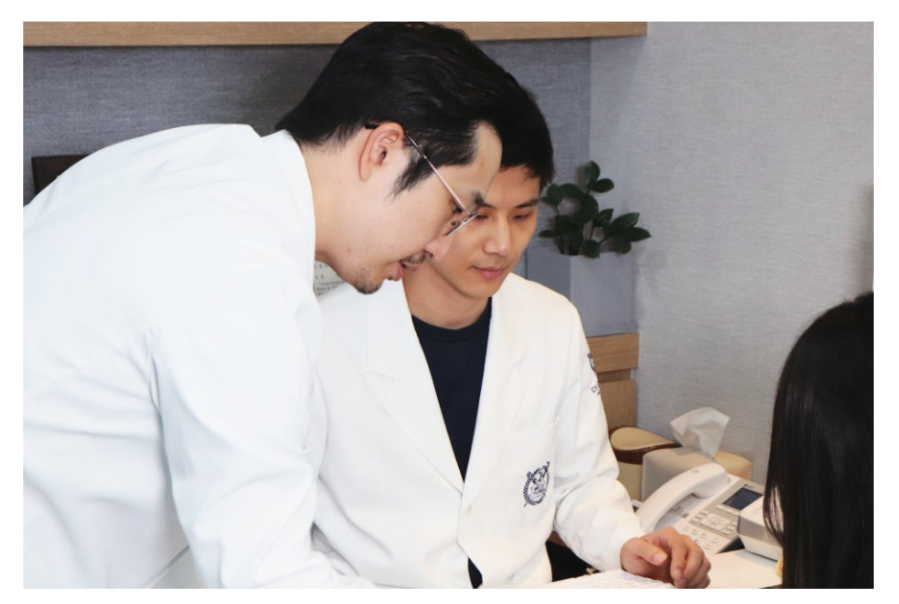
"Doesn't whitening make everything white?"
We receive this question quite often.
So the first thing I want to point out is that
while change can occur,
not all teeth will change to the same appearance.
Changes in tooth color
are difficult to judge simply by whether they became brighter.
That is why we look at several criteria together.
One is the change in brightness.
This is about checking how much it has changed
from before.
Another is color uniformity.
It is also important whether the result has been naturally
and evenly organized.
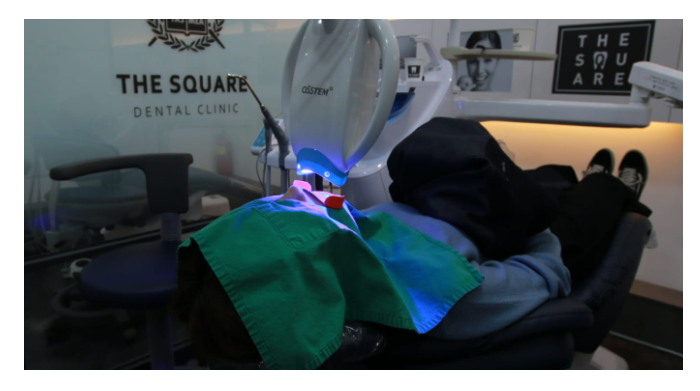
In addition,
we also consider whether it can be maintained without discomfort.
For example,
if the two front teeth are unusually dark,
even if the overall color becomes brighter,
the difference may still be noticeable.
In such cases,
there can be a gap between vague expectations
and how it actually feels.
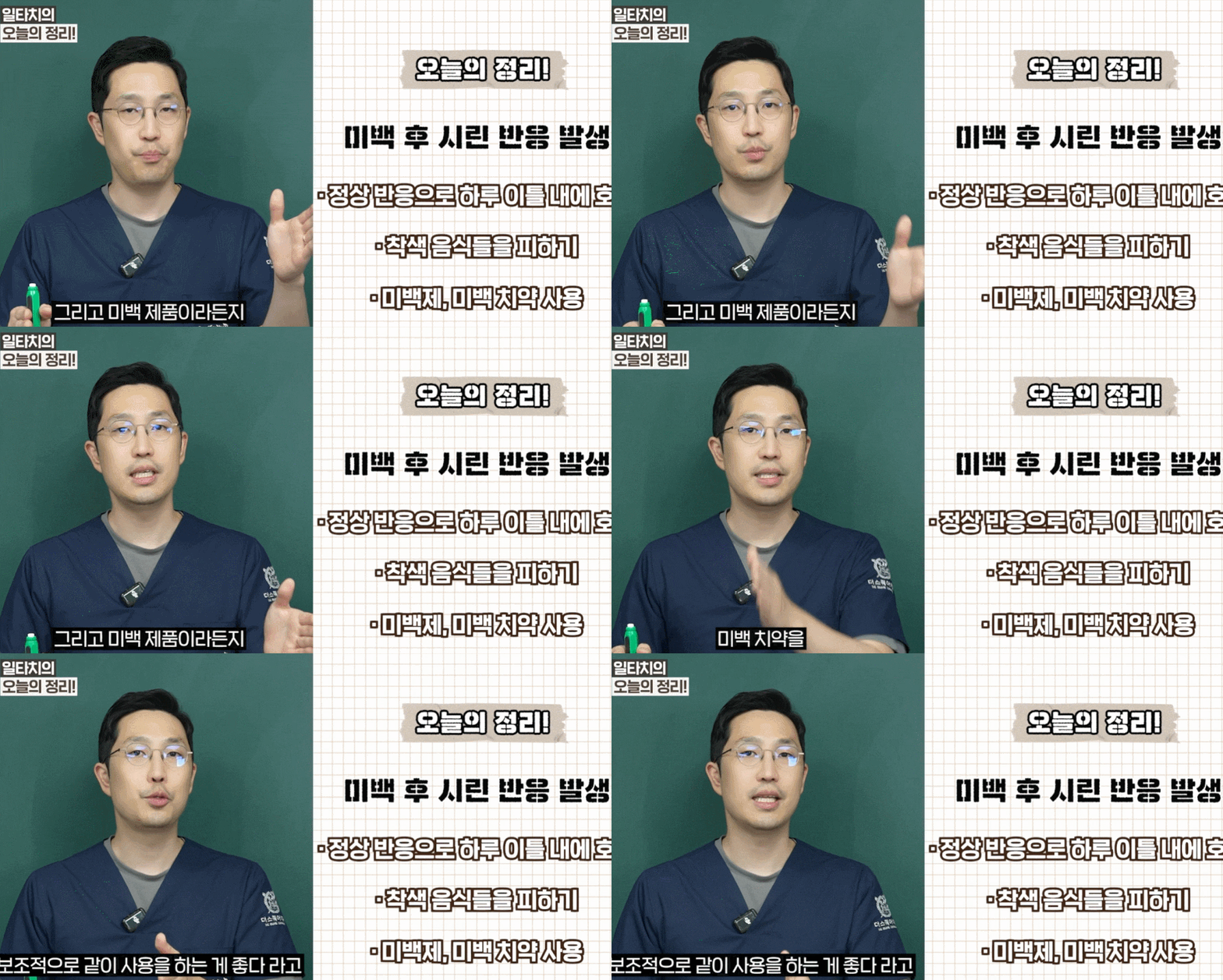
Also, after the change,
some people experience temporary sensitivity.
In most cases it subsides within a few days,
but this kind of reaction is also something to
keep in mind when considering change.
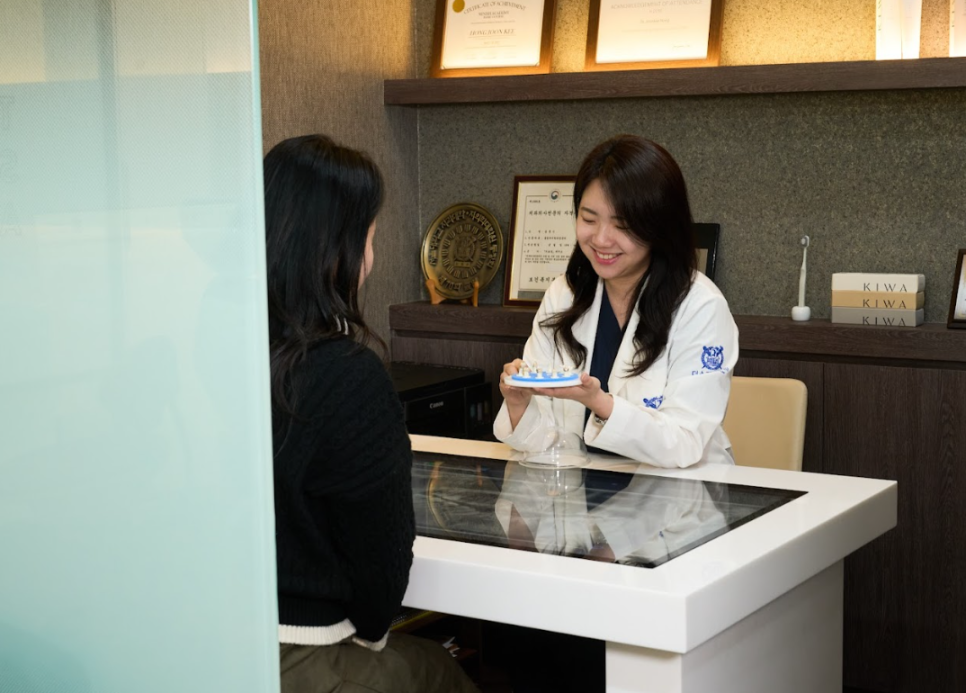
That is why I often say this.
"Not every case shows the same change.
The first step is to organize what range of
change can be expected in the current state."
Seen this way, whitening is less a process that
promises results,
and more a process of checking together
the range within which change is possible.
Just checking now can change your options.
Tooth whitening effect

"Then when would be the best time to start?"
But in fact, more important than the timing
is whether you know your teeth's current condition.
Tooth thickness differs from person to person,
the depth of the original color differs,
and sensitivity also varies widely.
So even with the same method,
the degree of change felt can differ.
The problem is starting immediately
without going through this process.
At this stage,
we can check through examination whether the current
color change is staying on the surface,
or is connected to the inner structure.
Once you pass this point,
there are not a few cases where a condition that could
initially be approached conservatively turns into a pattern
that is difficult to address with whitening alone.
So now may be the last near stage
where you can check whether there are still options
that can be organized with less intervention.
If you pass this stage,
even if the concern is the same,
it may become increasingly difficult to look at it
with the same standards as at the beginning.
So it is better to first sort out the condition
and separate what changes can reasonably be expected now
from the points that need to be watched carefully going forward.
In the end, that process can also be a choice
that saves time.
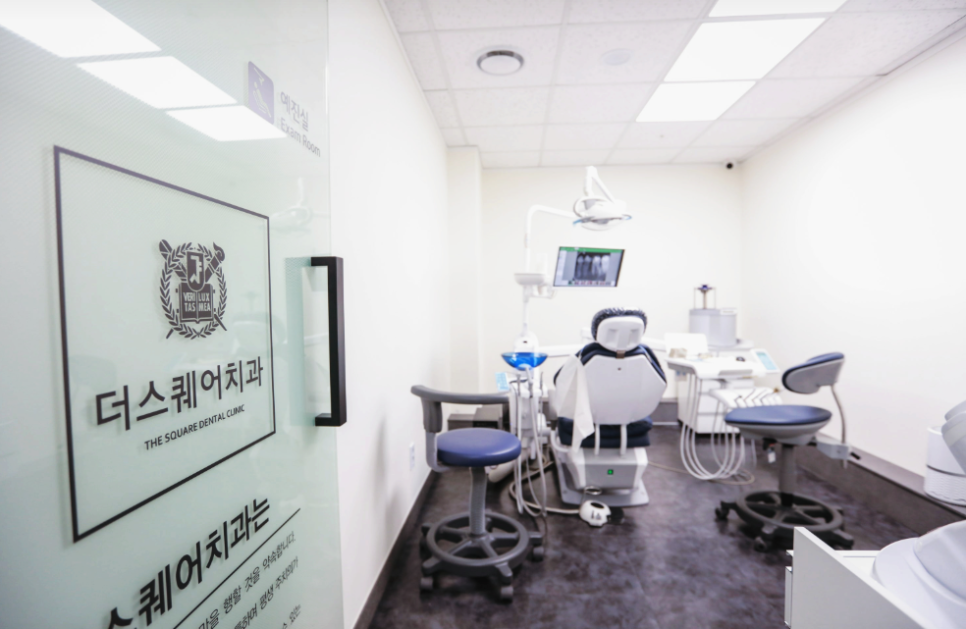 Tooth whitening effect
The problem is that this change often gets overlooked
without any clear 기준 simply because it is not easy to see.
At this stage,
just organizing the condition once may still leave room
for finding a direction with less intervention.
On the other hand, if you let this time pass,
even the same concern can be viewed through a different standard.
That is why we recommend checking your condition once
while options are still available,
rather than after discomfort has already appeared.
If you have any other questions,
you can also feel free to contact us through
Naver Talk Talk below.
This has been The Square Dental Clinic.
Thank you.
['If you want to know the story of "after the visit,"']
[This is a place where even small questions can be shared
without 부담.]
[Before your visit,
check the location first.]
| This post has been written in compliance with the Medical Service Act (Article 56, Paragraph 1) so that you can obtain accurate information. We wanted to transparently share the processes that actually happen in the clinic rather than simple promotion. Rather than contacting us right away after reading this post, it is enough if you simply take away accurate information. |