Hello.
We are The Square Dental Clinic,
a clinic that focuses on preservation and restorative treatment.
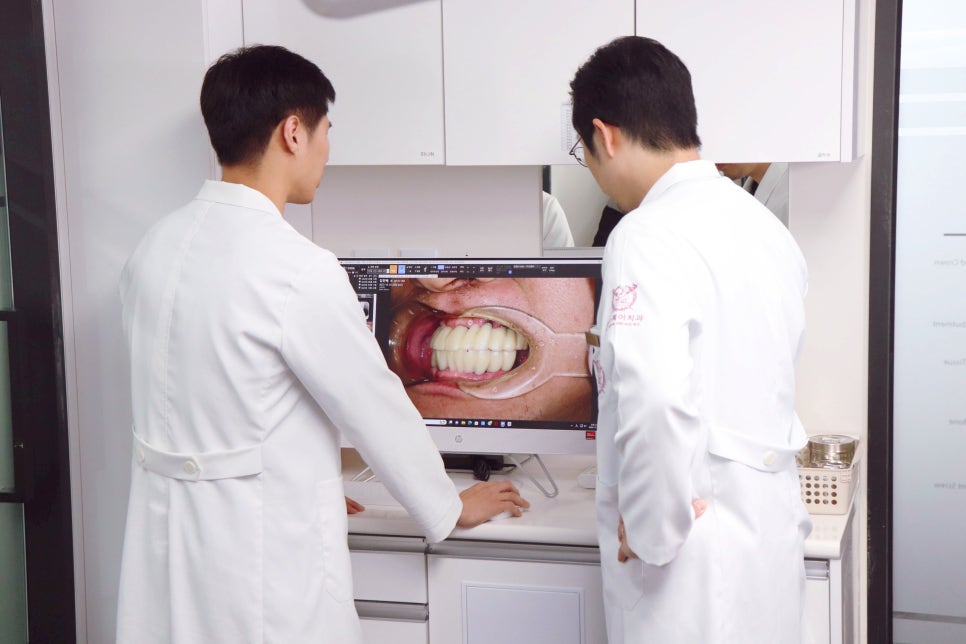
When we lose a tooth,
the most effective treatment available today to replace a natural tooth is an implant.
One of the questions patients often ask is,
“Is it better to place the implant immediately after extraction?”

After all, many people prefer treatment as quickly as possible
because they worry about having to live without a tooth
and endure a long treatment period.
For those patients, to give you the conclusion first,
immediate placement after implant extraction is not always the correct answer.
This is because the safest timing can vary depending on each patient’s gum bone condition and whether inflammation is present.
In this post, we will have an honest discussion based on the following three topics:
- The importance of precise extraction
- Timing for placement after implant extraction
- Tips for a satisfying treatment

Implant extraction,
Why must the extraction process be precise?
Many people think extraction is simply a matter of removing a damaged tooth and placing an artificial tooth.
In implant surgery, extraction is like preparing the ground to plant a new tree.
An implant must take root in the solid soil of the gum bone (alveolar bone).

If the gum bone is handled carelessly during extraction, or if the surrounding tissue is excessively damaged,
the ground that will support the implant later will inevitably become unstable.
In other words, from the time of extraction, the tooth must be removed precisely while preserving the gum bone as much as possible
so that the amount of bone grafting can be reduced and overall recovery can be accelerated.

Implant extraction,
When should the implant be placed after the tooth is removed?
If we break down the timing of implant extraction in detail,
✔️ Immediate placement after extraction
✔️ Early placement about one month after extraction
✔️ Delayed placement about 2–3 months after extraction
✔️ Placement after waiting 6 months or more after extraction
could be the general categories.
For simplicity, you can remember them as two concepts:
- Immediate placement after extraction
- Placement after the area has healed to some extent after extraction
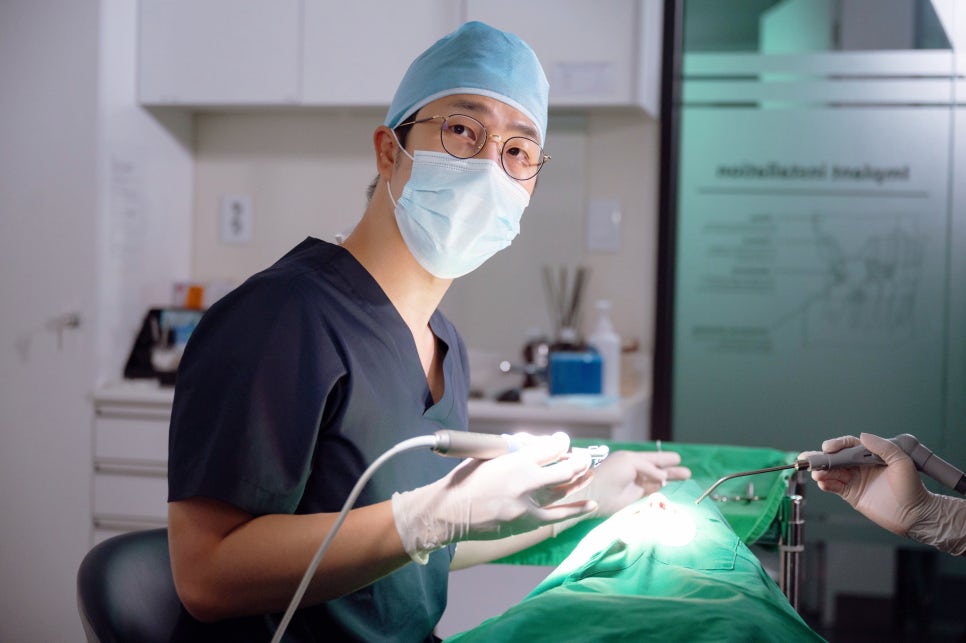
If immediate placement is performed after extraction, the implant treatment can be completed
in as little as two to three months, and at most within six months, saving a significant amount of time.
However, this is only something that can be considered when
- the gum bone around the tooth is strong, and
- there is no inflammation.
If bone loss is expected after extraction or if there is significant inflammation, forcing immediate implant placement is risky.
If an implant is done too aggressively,
▲ the surrounding bone may become infected,
▲ the maxillary sinus may be perforated, or
▲ the inferior alveolar nerve may be damaged.
These side effects can occur.
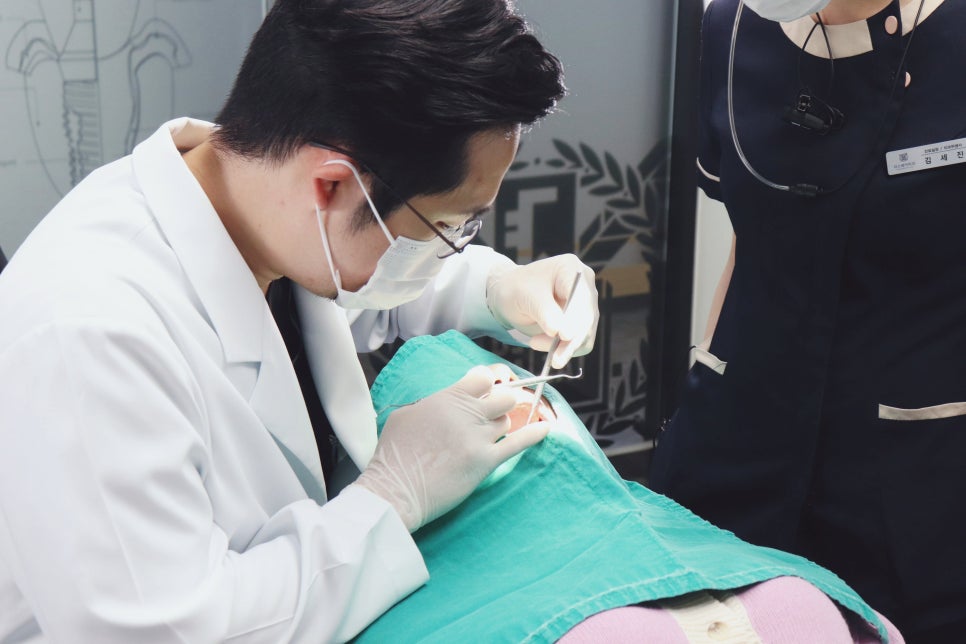
If there is chronic inflammation or loss of gum bone, delayed placement is more suitable.
After extracting the tooth, the inflammation is allowed to subside and new bone is given time to fill in before placing the implant.
This usually takes about six months, and in some cases more than a year.
This process may feel a little slow and tiring, but just like building a house after laying a solid foundation,
you can expect a much safer and more reliable result.
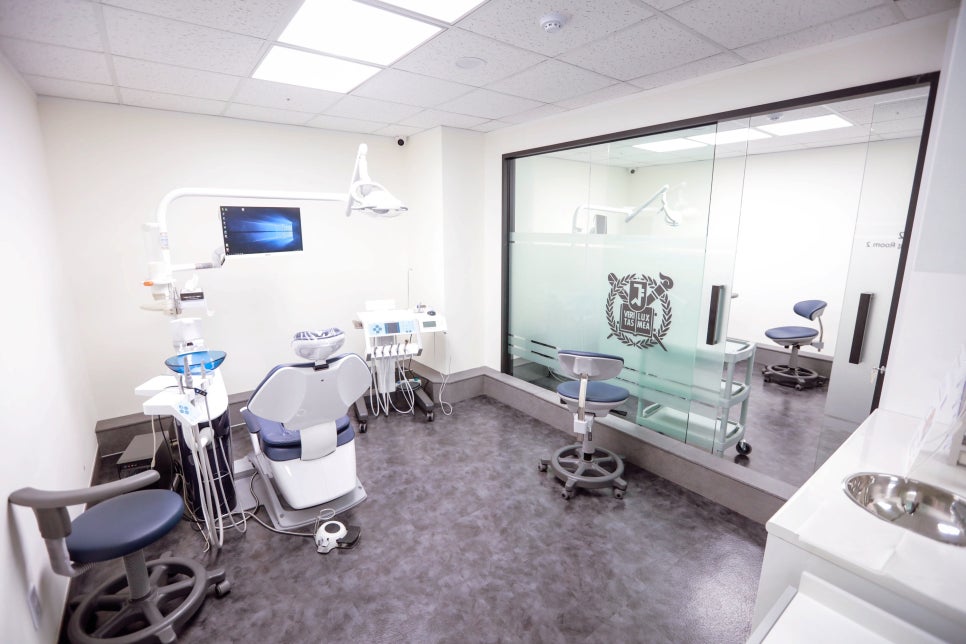
Implant extraction,
The skill of the medical team determines treatment success
If you have followed along well, you now know that
the judgment of a skilled medical team is absolutely critical in implant treatment.
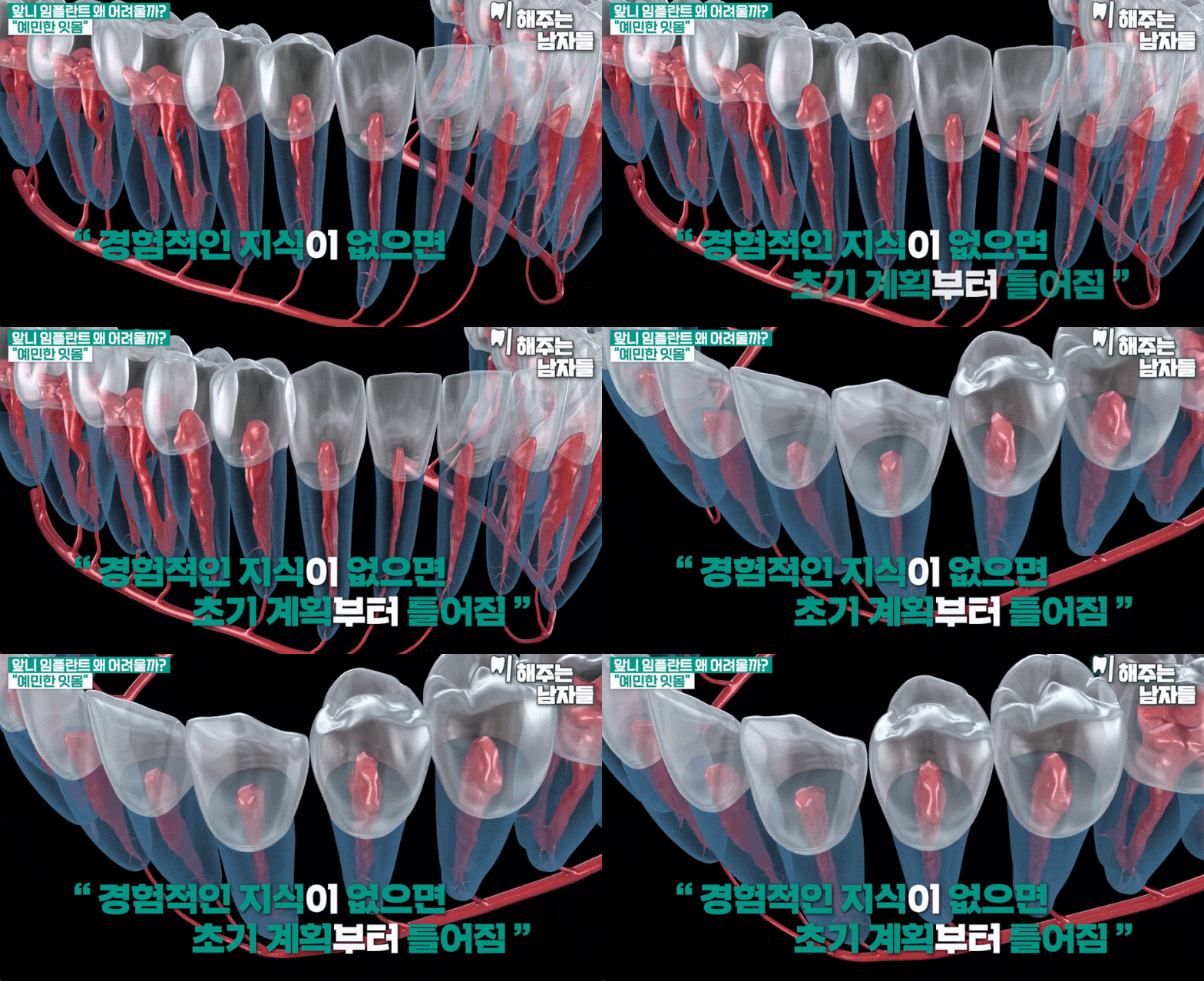
To receive a satisfying result, we recommend checking whether the clinic has a specialist on site.
Because implant treatment must take into account the patient’s bone condition, nerve position, bite force, and even aesthetics,
the timing and angle of placement should be determined by analyzing the relationship between the upper and lower jaws and the surrounding teeth from an orthodontic perspective.


Based on this, the artificial root must be guided into the most ideal position
so that it can restore a natural line and function.
A dental clinic with a specialist in Integrated Dentistry, and furthermore a specialist in Orthodontics, on site (*There is no Implant Department in the specialist system.)
is likely to have the know-how to find the optimal placement path even in complex extraction situations.


In addition, if you have lost a front tooth,
because the empty space needs to be filled quickly for both aesthetics and function,
it would be even better to check whether the clinic has a system that can immediately fill the space with things like a same-day temporary denture or resin splinting through precise diagnosis such as 3D CT.
[Recommended reading]
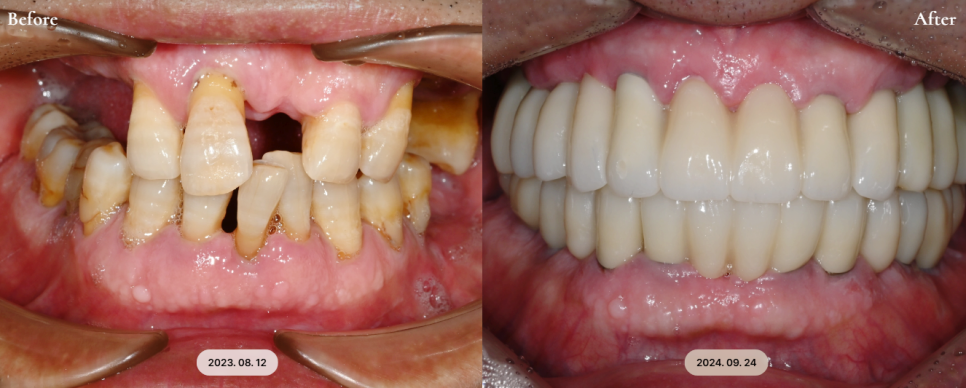 | * Implant treatment before-and-after case * (left) before treatment / (right) after treatment * The clinical photos above were posted with the patient’s consent. * This treatment may involve side effects, so please proceed after sufficient discussion with the doctor in charge. |
Implants are your second set of teeth that will walk with you for the rest of your life.
Rather than focusing only on placing them as quickly as possible after extraction,
what matters most is finding the timing that is most appropriate for your gum condition.
If you have any further questions for us, comments are welcome, and questions via Naver Talk Talk are also welcome. ^^
This was The Square Dental Clinic,
designing patients’ beautiful first impressions.
[Reviews]
[ Naver Talk Talk ]
[Directions]
| This article was written in compliance with the Medical Service Act (Article 56, Paragraph 1) so that you can obtain accurate information. I wanted to transparently share the processes that actually happen in the treatment room rather than simply promoting the clinic. Rather than contacting us right away after reading this post, simply getting accurate information is sufficient. |