Hello.
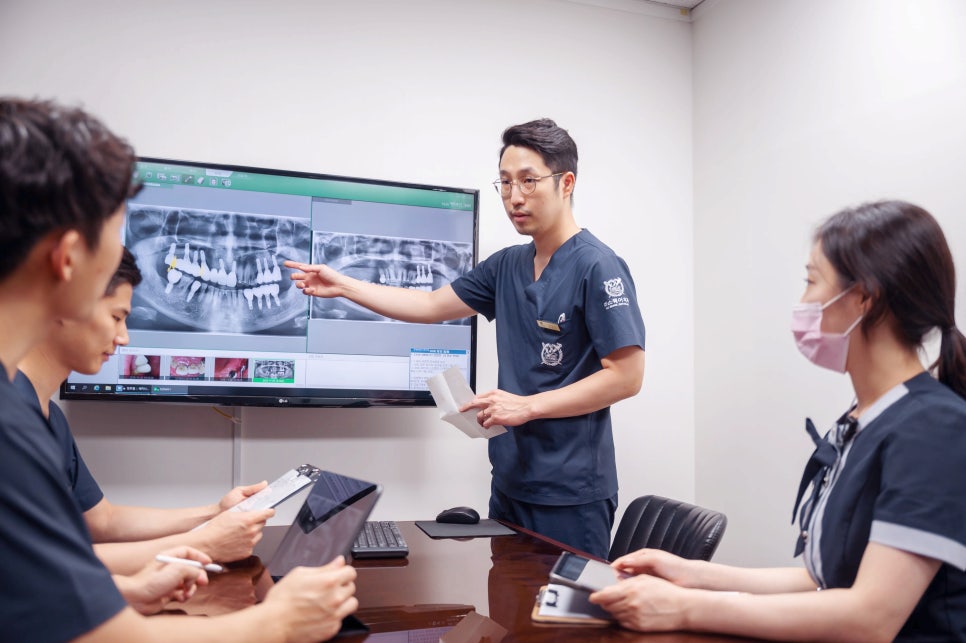
We are The Square Dental Clinic, which focuses on conservative and restorative treatment.
I had a root canal treatment in the past,
then got a crown,
but that area hurts again...
Another place says it should be extracted,
but is that really the only option?

We often meet people who share these concerns.
They finished root canal treatment after investing a considerable amount of time and money in the past...
Then the pain started again, and after being told extraction was necessary, they searched around and found us.
It is only natural to worry when you may have to pull out a perfectly healthy natural tooth and even consider an alternative like an implant.
But everyone, it is still too early to give up.
Because we can set a goal of saving the natural tooth and try retreatment of the tooth’s nerves.
In this post, we will talk frankly about the following three topics:
- Why a tooth that has had root canal treatment may hurt again
- The concept of retreatment of the tooth’s nerves
- Criteria for choosing a dental clinic without regret

Why does a tooth that has finished root canal treatment hurt again?
Many people think of root canal treatment simply as <killing the nerve>.
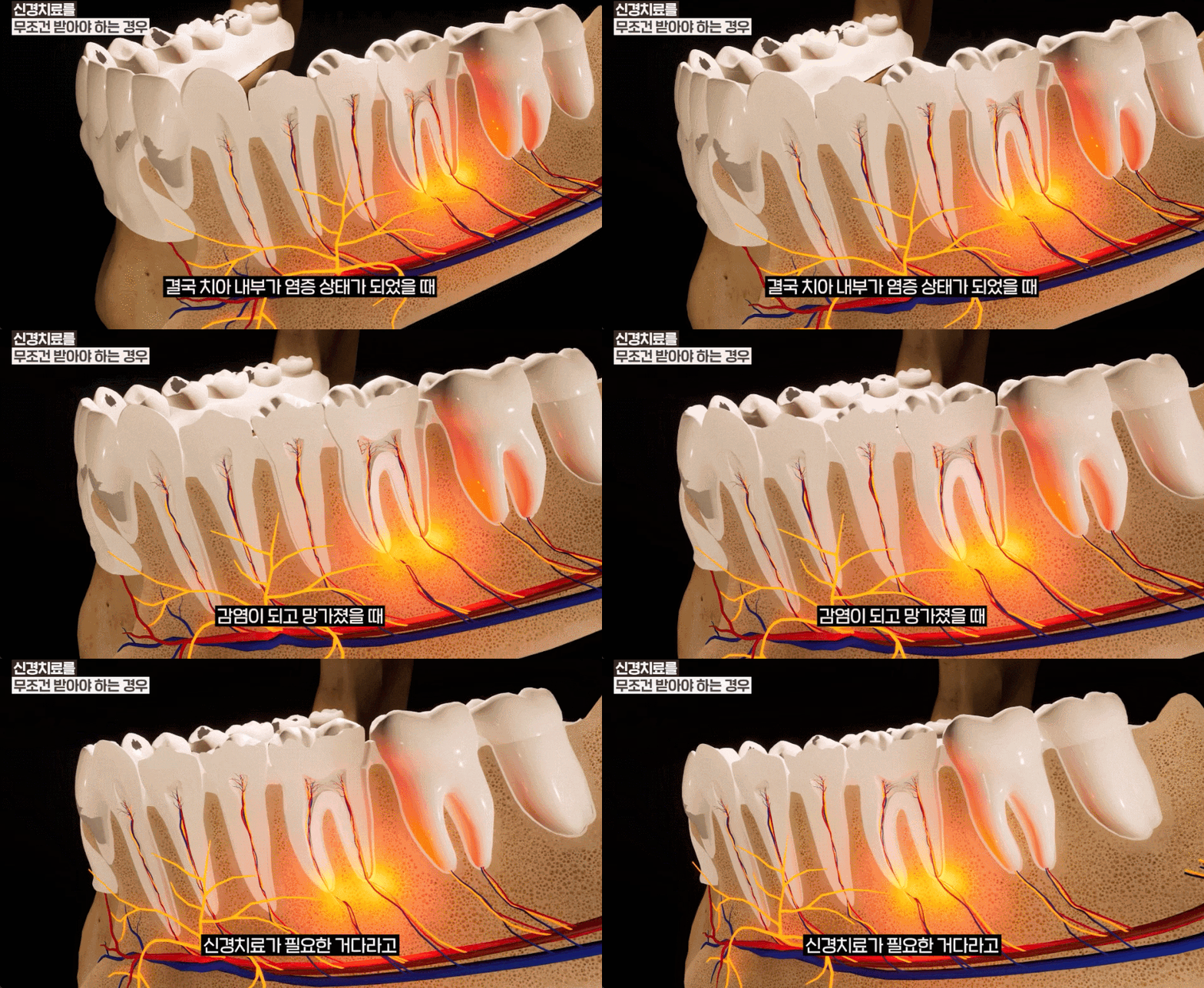
To be precise, it removes the nerve and blood vessel tissue inside the tooth that has been infected by decay or trauma,
then disinfects the empty space and fills it with dental treatment material.
Root canal treatment can be a very challenging process for both the patient and the dental team. ^^;
The main reasons a tooth that has undergone this treatment may start hurting again are as follows.
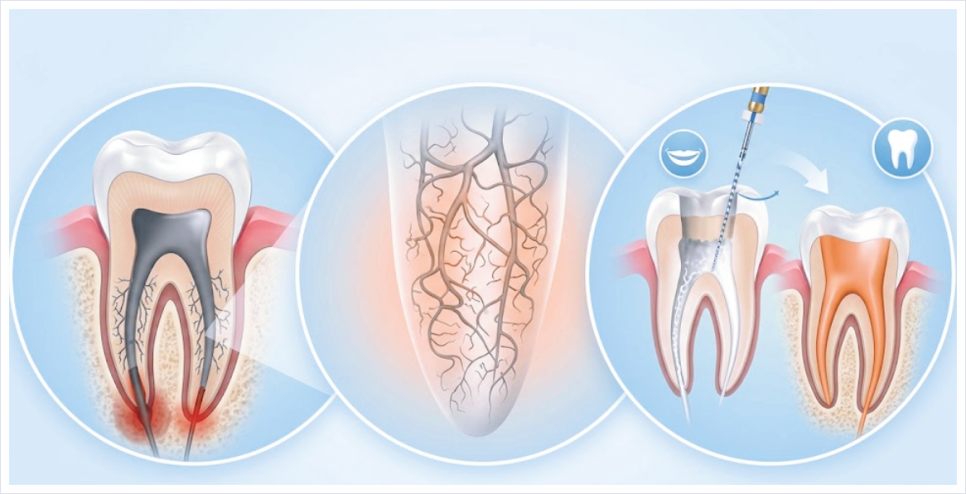
The nerve canals inside our teeth are tightly intertwined like complex tree branches or a network.
Bacteria may have remained in hidden canals that were not discovered during the initial treatment,
and over time they caused inflammation again.
In addition, the crown may have become reinfected.
Because the prosthetic restoration aged and developed tiny gaps,
saliva and bacteria entered through those gaps and contaminated the root canals again.

You can consider 'retreatment of the tooth’s nerves.'
If a problem has developed even in the crown,
many people think that extraction followed by an implant is the natural next step.
However, if the problem is clearly identified, it may be possible to pursue saving the natural tooth through retreatment of the tooth’s nerves.
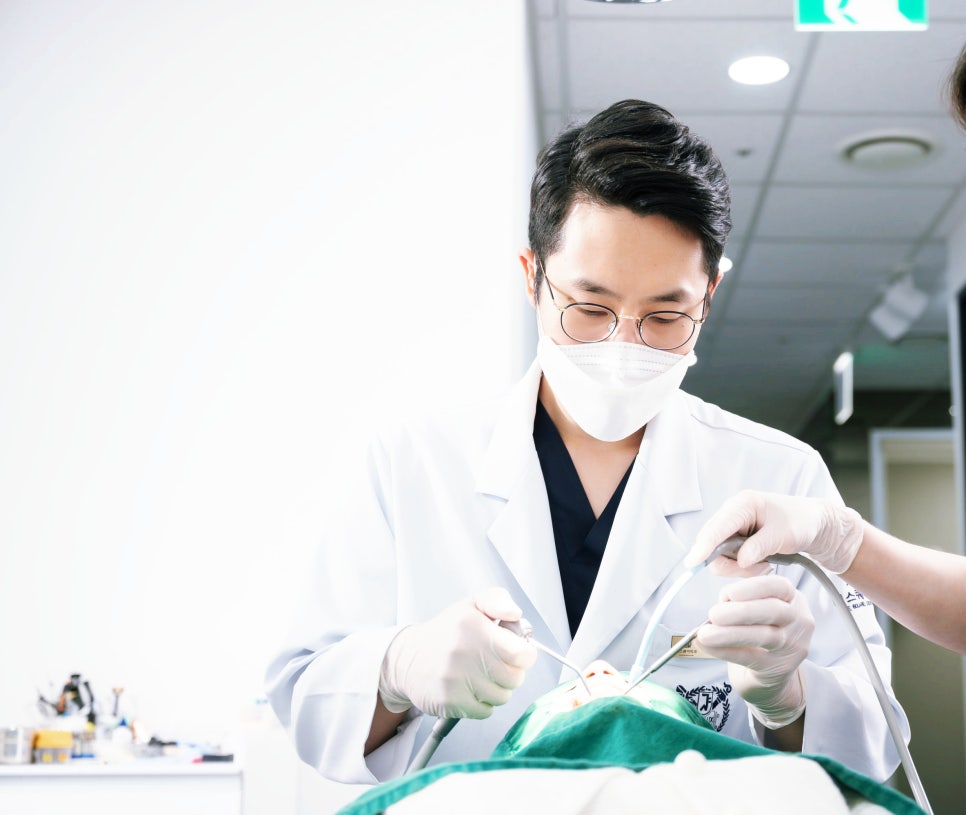
If there is inflammation at the tip of the tooth root but the root itself has not split,
you may be able to remove the inflammation through retreatment and preserve the tooth.
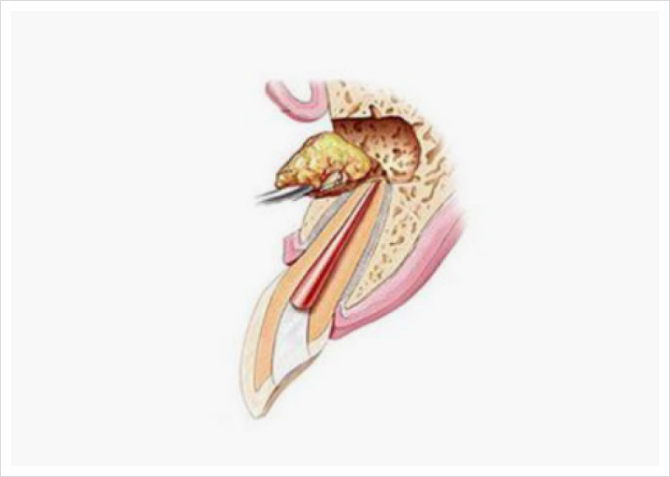
If retreatment is not possible or there is no improvement,
then by making an incision in the gum and removing the inflammation at the root tip,
a root-end resection procedure can be performed,
allowing us to make one last effort to save the natural tooth.
Going one step further,
- if there is a vertical crack in the tooth root, or
- if the gum bone has been severely resorbed and cannot support the tooth,
then, in practical terms, considering extraction followed by an implant
may actually be the wiser choice for oral health and for financial reasons.
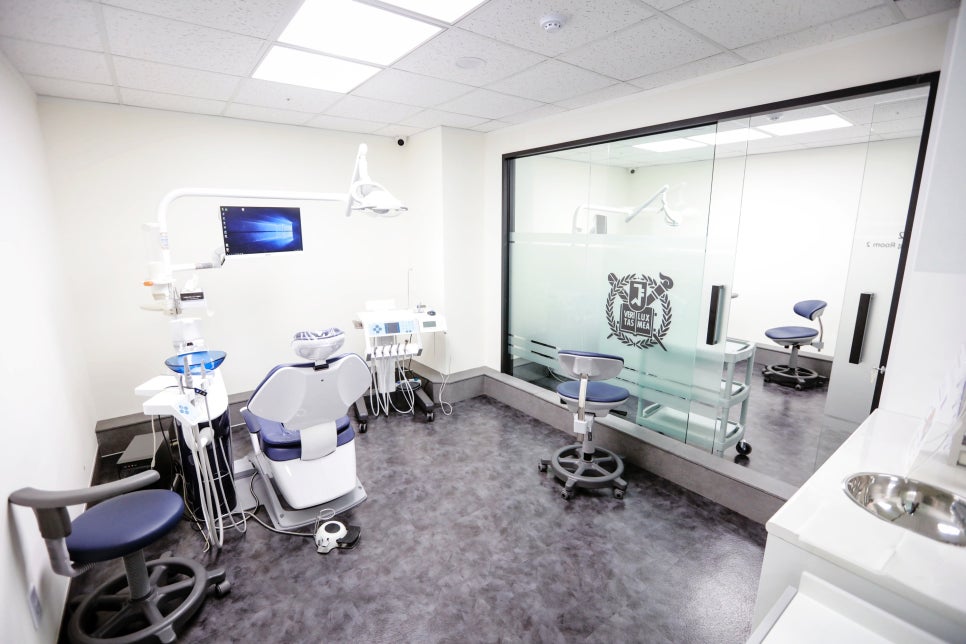
What are the criteria for choosing a dental clinic for 'saving a natural tooth'?
If you want to save your natural tooth as much as possible, you need to be very careful when choosing a dental clinic.
If the success rate of root canal treatment is about 80–90%,
retreatment is only around 60–70%, which shows how difficult the procedure is.
Therefore, when choosing a dental clinic, please carefully check the following criteria.
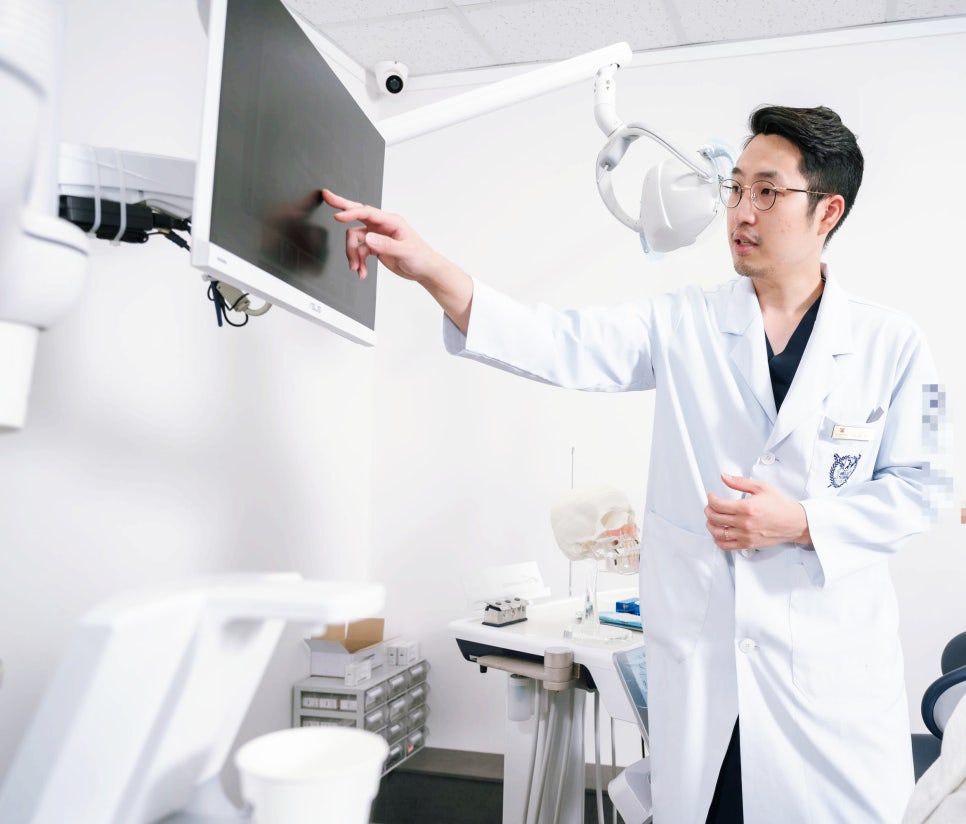
✔️ Can they provide a three-dimensional diagnosis?
Please check whether the doctor listens to the patient about the current discomfort,
carefully examines nerve canals that cannot be seen with the naked eye through precision diagnostic equipment such as a dental microscope,
and explains everything in a way that is easy for the patient to understand.
For all treatment, the patient must accurately understand their condition
and know in advance what results can be expected in order for the prognosis to improve.
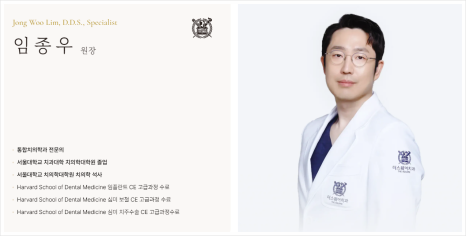
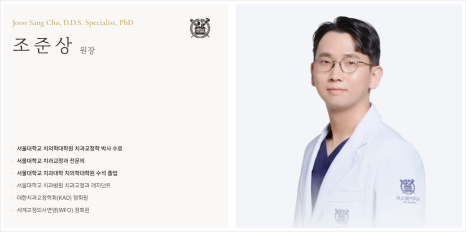
✔️ Are experienced medical professionals on site?
Whether it is retreatment of the tooth’s nerves, root-end resection, or an implant,
in order to establish a treatment plan that accurately reflects the patient’s condition,
a diagnostic approach from an orthodontic perspective and a periodontic perspective is needed.
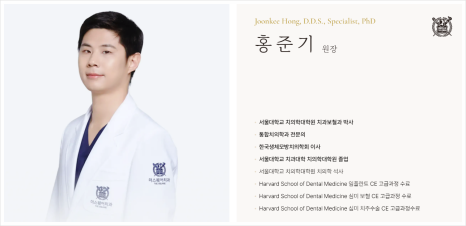
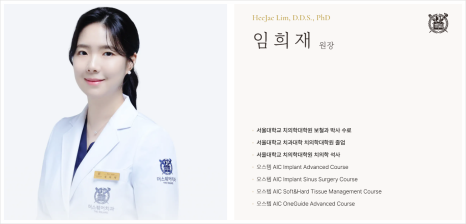
If a clinic has specialists from various fields, such as orthodontics or comprehensive dentistry, on site,
it can provide a solution that comprehensively covers not only the occlusal relationship with adjacent teeth
but also the health of the gum bone.
[An article worth reading together]
 No matter how many effective treatment methods there are,
ultimately nothing is better than your own natural tooth.
If you are feeling discomfort after root canal treatment,
before it gets any later,
visit at least 3 to 4 dental clinics
for a detailed diagnosis,
and meet a clinic that can suggest a direction that preserves your natural tooth as much as possible,
so that you can receive appropriate treatment.
If you have any more questions for us, feel free to leave a comment or ask through Naver Talk Talk. ^^
This was The Square Dental Clinic, which aims to provide trustworthy treatment that follows proper standards,
with professional knowledge based on the latest findings,
a three-dimensional diagnosis grounded in scientific evidence,
and treatment that adheres to the fundamentals.
[Reviews]
[Naver Talk Talk]
[Directions]
| This article was written in compliance with the Medical Service Act (Article 56, Paragraph 1) so that you can obtain accurate information. We wanted to transparently share what actually happens in the clinic rather than simply promoting it. Please do not contact us right away after reading this article; simply obtaining accurate information from it is enough. |