Hello.
At The Square Dental Clinic,
we pursue highly refined treatments
that harmonize aesthetics and function.
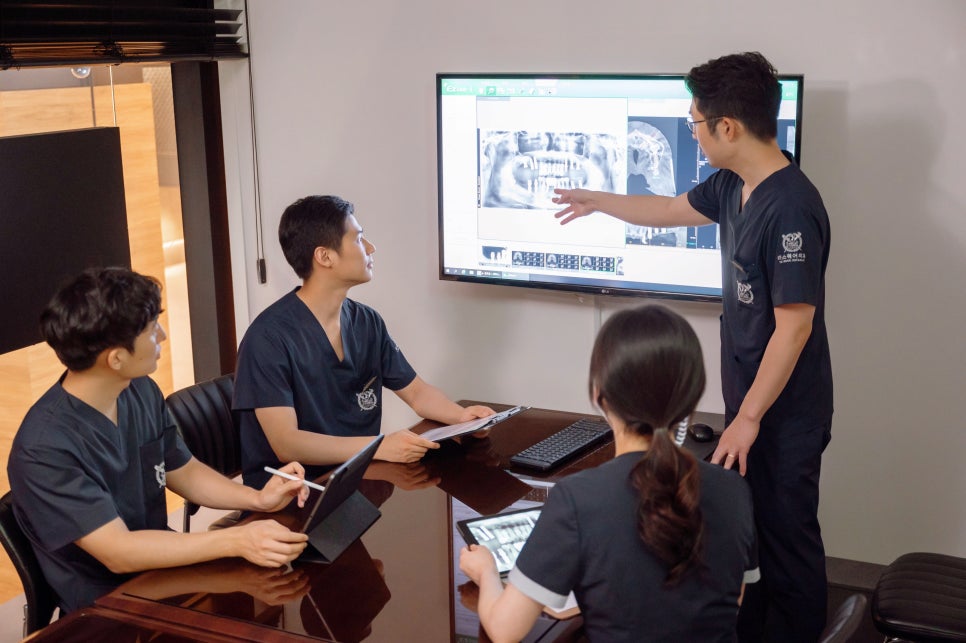
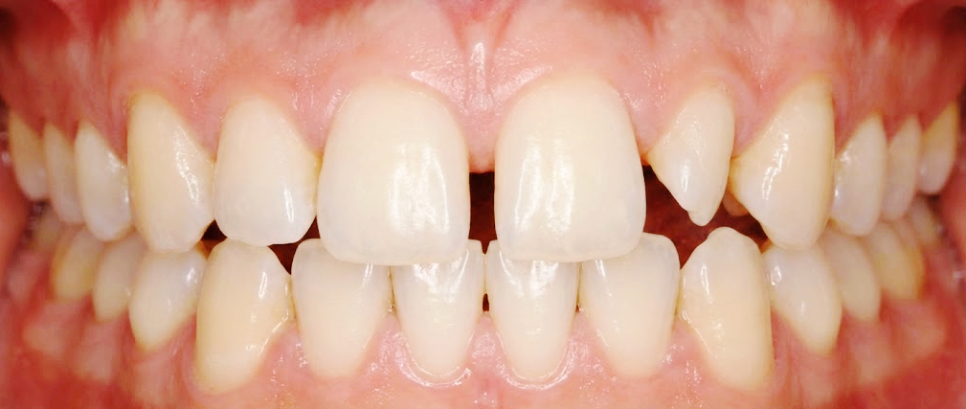
Front teeth that are noticeably smaller than those of other people are called “microdontia.”
It commonly appears in the lateral incisors next to the central incisors and can become a significant aesthetic concern.

When we look at it intuitively,
it is natural to think, “If the teeth are small, can’t we just enlarge them by that amount with something like resin?”
Of course, this is not entirely wrong...
However, in some cases, microdontia correction must come first.
Accordingly, in this column,
-
The need for microdontia correction
-
The advantages and disadvantages of resin for microdontia
-
Miniish for microdontia
we will take a step-by-step look at these three topics. :)
Why should “microdontia correction” come first?
If the microdontia
-
is well balanced and symmetrical on the left and right
-
has enough space to create a normally sized tooth
-
does not come into contact with the opposing tooth when the upper and lower teeth bite together,
microdontia correction is not necessarily required.
However, in many cases, corrective treatment for microdontia should be performed first.
The fact that a tooth is small means that ambiguous empty spaces are scattered around it.
If we only enlarge the tooth in this situation without correcting the microdontia,
✔️ it may look disproportionately large compared with the surrounding teeth, making a particular front tooth appear too large, or
✔️ the central axis where the upper and lower teeth meet may become misaligned.
These and other problems may occur.
Therefore, the scattered spaces should first be gathered into ideal positions through microdontia correction,
and then resin or prosthetic treatment for the microdontia should be performed in the next step.
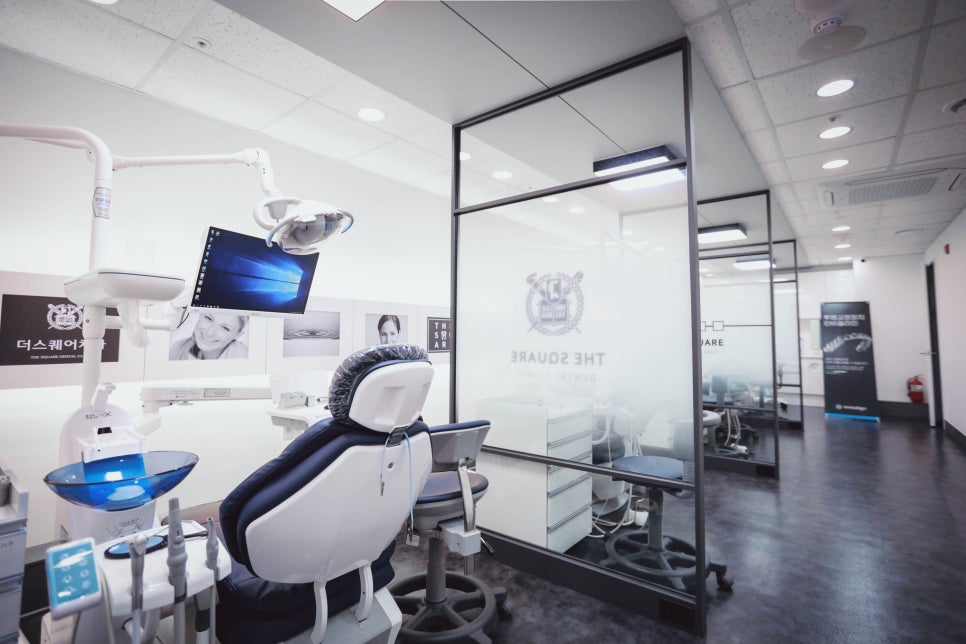
What are the characteristics, advantages, and disadvantages of resin for microdontia?
If orthodontic treatment is not necessary,
or if the teeth have been correctly positioned through orthodontic treatment,
resin for microdontia is considered first to restore the small tooth to a normal size.
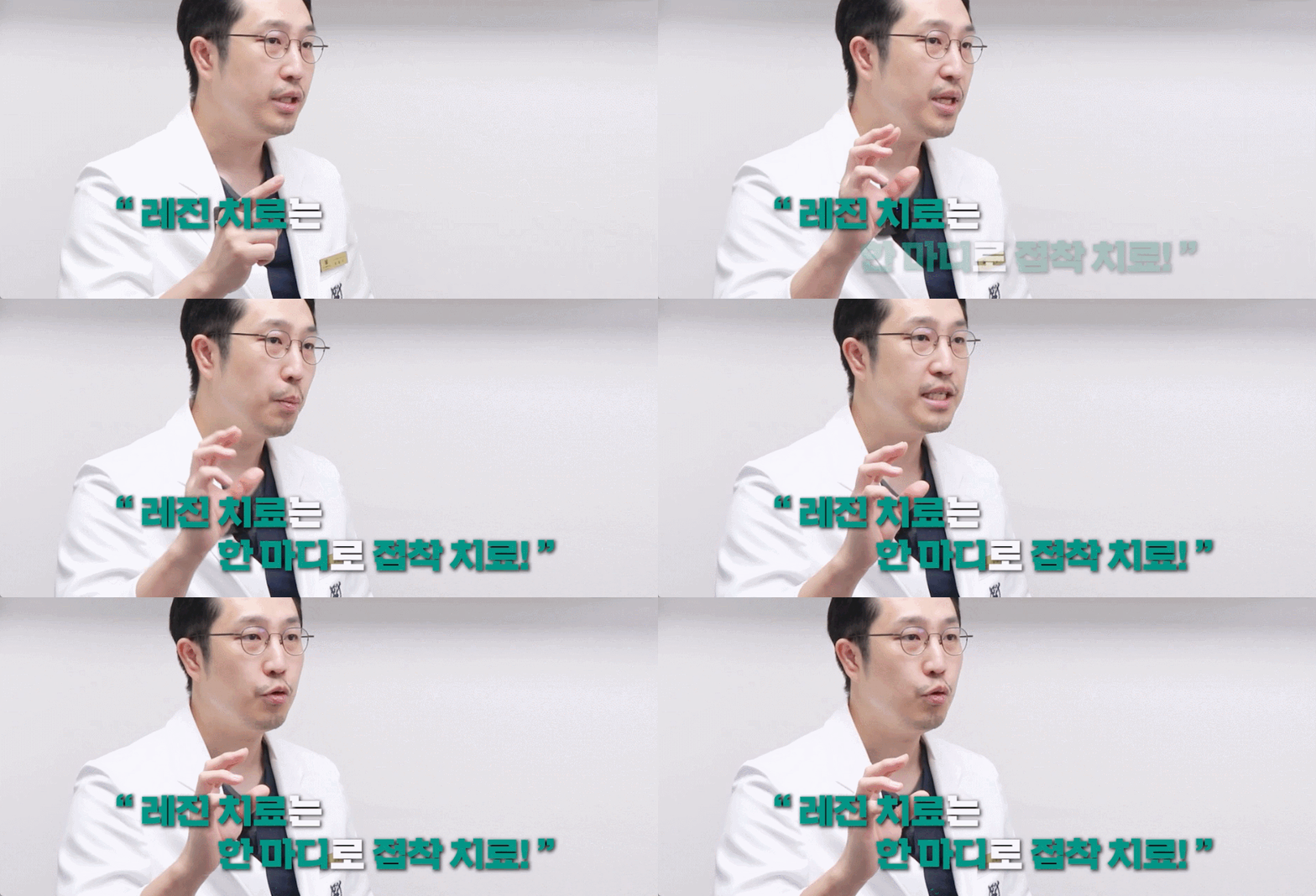
Resin is a tooth-colored polymer plastic material that is attached to the outer surface of a tooth requiring treatment.
🦷 Because the tooth does not need to be filed down, the natural tooth can be preserved.
🦷 It can be completed on the same day.
🦷 It is relatively less expensive than other treatments.
For these reasons, it is considered a treatment with good cost-effectiveness.
However, due to the limitations of the material,
resin may turn yellow over time and carries the risk of wear or fracture.
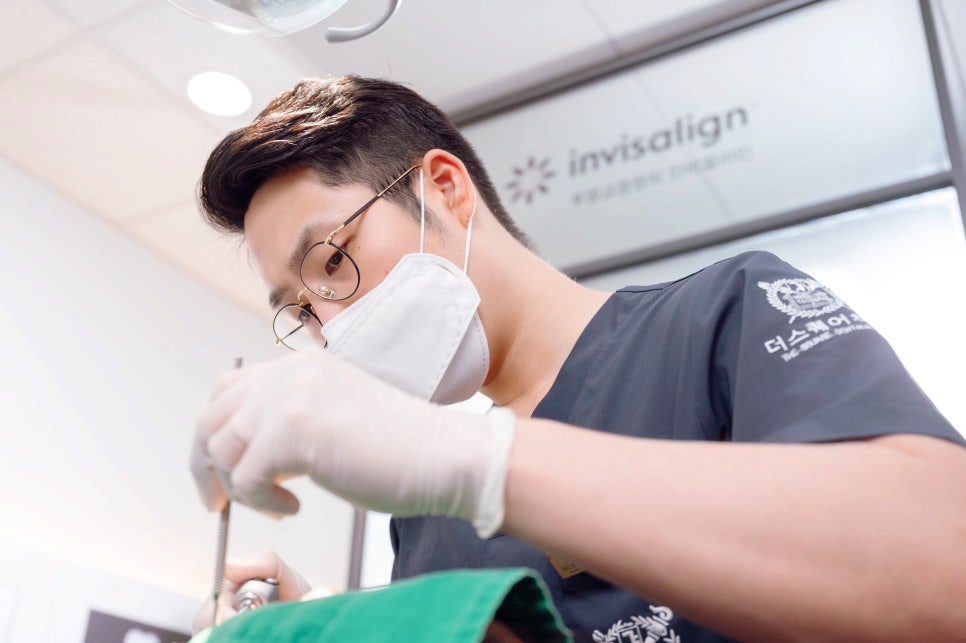
What is “Miniish,” which addresses the limitations of resin?
Following the points mentioned above,
if the treatment area is extensive, Miniish may be a more effective alternative than resin.
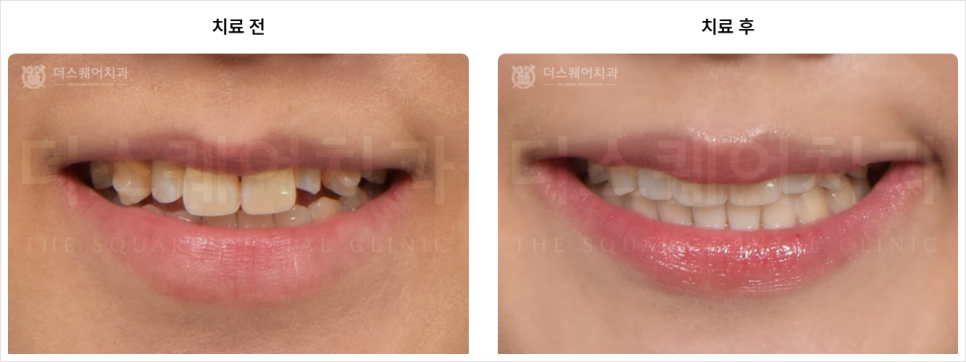
| * Before-and-after case of Miniish treatment for microdontia* (Left) 24. 03. 19 / (Right) 26. 04. 15* The case presented in this post was published with the patient’s consent.* All treatments may have side effects, so please make your decision after thorough discussion with your treating physician. |
|---|
Miniish is a treatment that adds ceramic, a material with properties most similar to those of natural teeth.
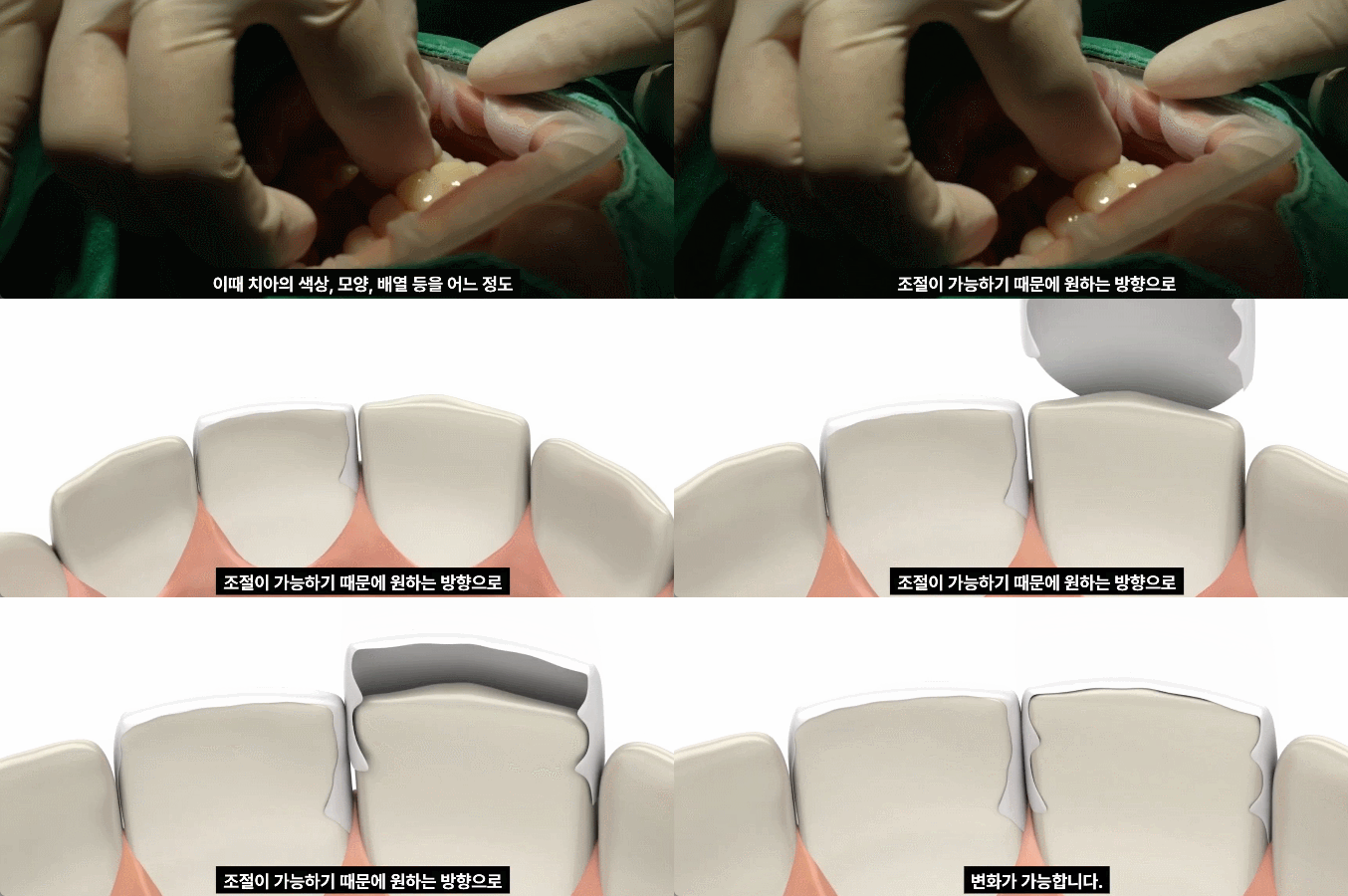
Since its highest priority is “tooth restoration,” it can be performed without removing tooth structure,
and even when the tooth is trimmed before attachment, only minimal refinement of 0.1 mm or less is performed.
Unlike resin, it does not discolor or break easily, and its excellent translucency and aesthetics make it difficult to distinguish from a natural tooth.
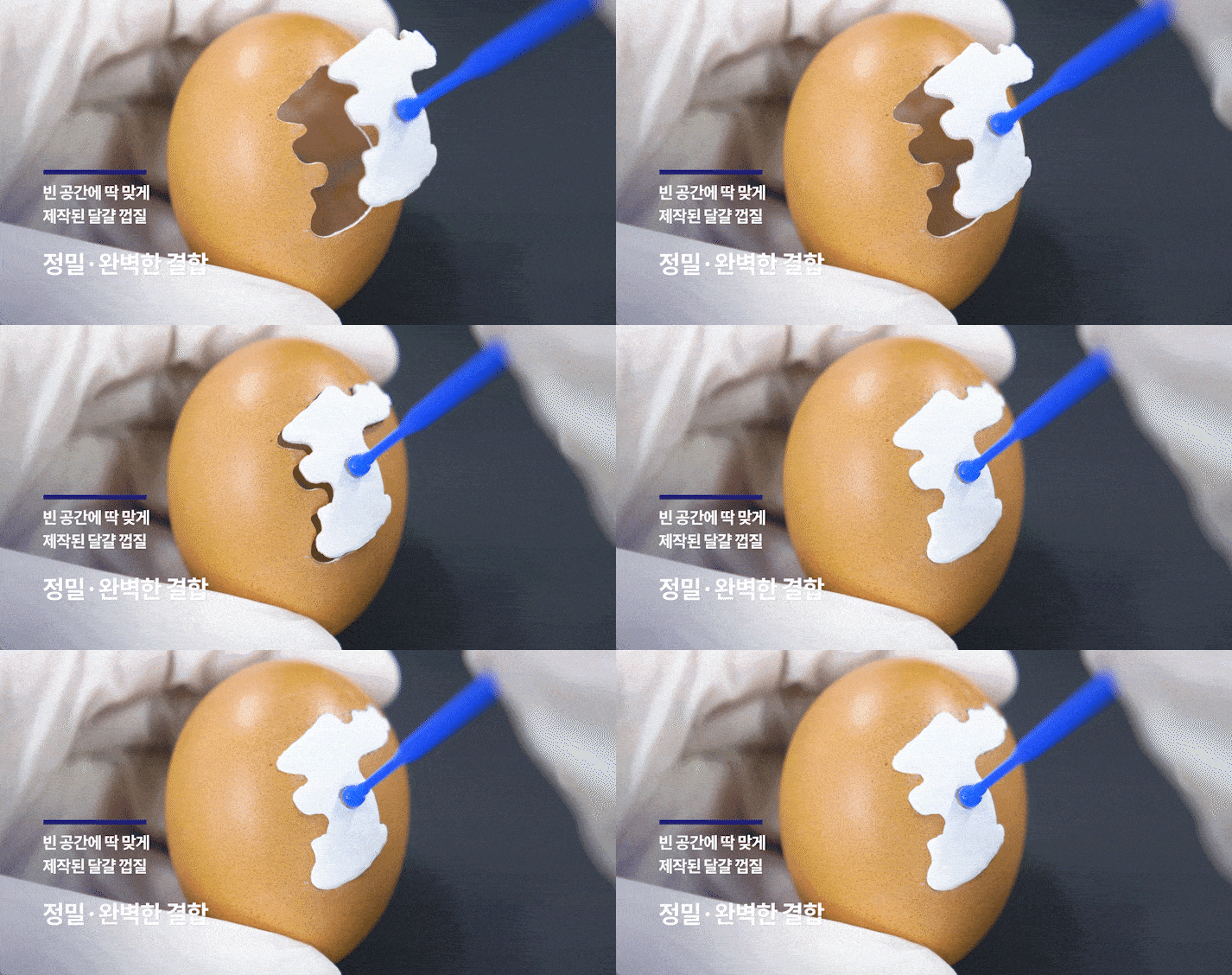
However, because Miniish for microdontia requires ceramic as thin as an eggshell to be closely fitted without the slightest error,
advanced technique is essential.
Even a 0.1 mm gap can allow bacteria to enter, potentially causing secondary tooth decay or detachment of the prosthetic material.
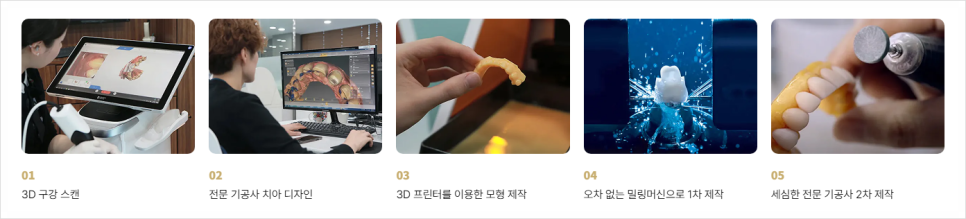
Therefore, to achieve satisfactory results,
it is advisable to choose a dental clinic that has an advanced system capable of accurately reflecting the characteristics of each patient’s teeth,
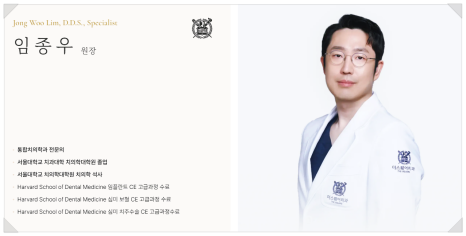
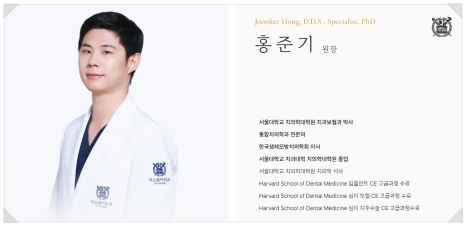
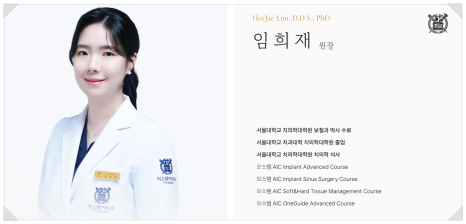
as well as a specialist in integrated dentistry who can restore the function and beauty of natural teeth using ultra-precise bonding techniques,
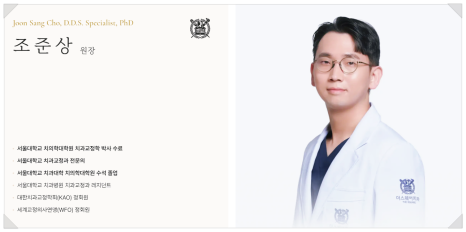
and an orthodontic specialist who can analyze the spaces around the microdontia and move the teeth into their optimal positions.
[Related articles you may also enjoy]
This post was written for those who may have felt upset or concerned because of microdontia.
Let me summarize the key points from the post.
| 1️⃣ Depending on the ratio between the microdontia and the surrounding teeth, orthodontic treatment may need to come first, followed by resin or prosthetic treatment. |
|---|
| 2️⃣ Resin is a highly cost-effective treatment, but it may have limitations such as discoloration, wear, and fracture. |
| 3️⃣ Miniish offers both aesthetic and functional benefits. We recommend choosing a dental clinic with a systematic treatment system and specialists in each relevant field. |
If you have any further questions for us, you are welcome to leave a comment or contact us through Naver TalkTalk. ^^
Beyond creating a beautiful first impression,
we are The Square Dental Clinic,
focused on helping patients restore
their quality of life and confidence.
[Reviews]
[Naver TalkTalk]
[Directions]
| This post was written in compliance with Article 56, Paragraph 1 of the Medical Service Act so that you can obtain accurate information. Rather than simply promoting our services, we wanted to transparently share what takes place in an actual treatment setting. Instead of contacting us immediately after reading this post, it is enough simply to take away accurate information. |