Hello.
This is The Square Dental Clinic,
where we pursue restorative and tooth-preserving treatments.
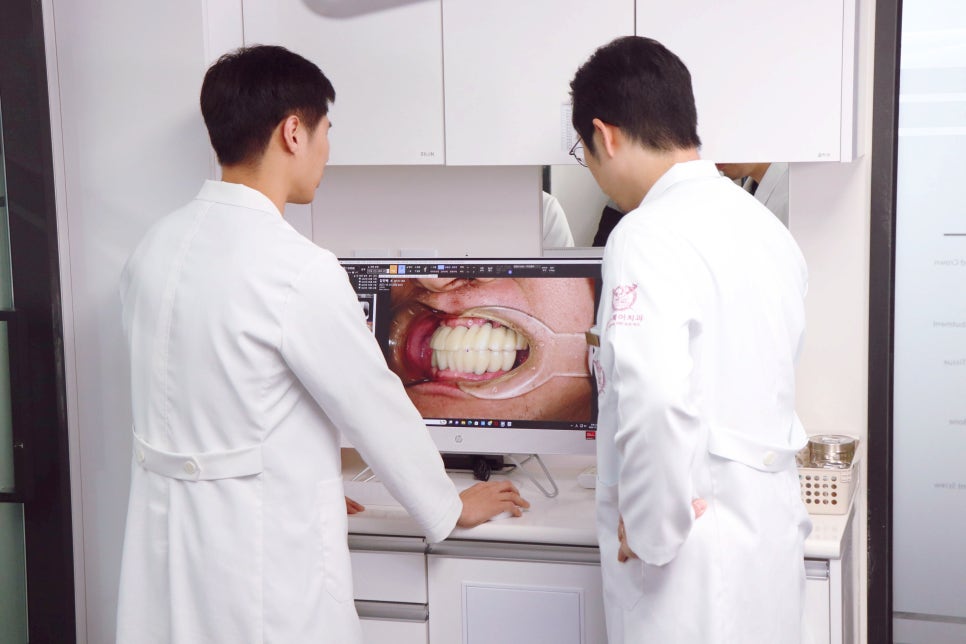
Many people feel a sense of relief after getting through the major hurdle of implant surgery.
Since implants are artificial teeth rather than natural teeth,
it may seem that they do not need to be managed quite so carefully.

However, this is a major misconception. ^^;
Of course, implants become part of your body
and are helpful replacements that perform up to 80% of the functions of natural teeth, but...
if they are not properly cared for, you may face a serious complication called “peri-implantitis.”
In today’s column,
-
The risks of peri-implantitis
-
The causes of peri-implantitis
-
Early signs of inflammation
we will take a step-by-step look at these three topics. :)


Why is
“peri-implantitis”
so concerning?
I briefly mentioned the complication known as peri-implantitis in the introduction.
Natural teeth contain sensitive nerves and
have tissue called the “periodontal ligament,” which connects the teeth to the bone.
As a result, even a minor abnormality can cause sensitivity or pain, sending us a warning signal.
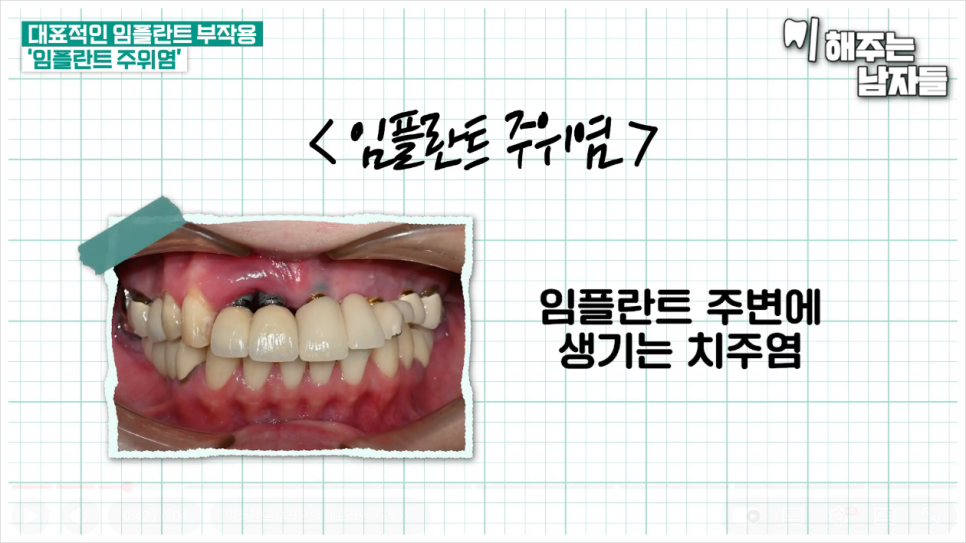
In contrast, implants are artificial structures without periodontal ligaments or nerves.
Because their ability to sense various stimuli is very limited,
patients often do not notice pain even when peri-implantitis develops and the surrounding bone is seriously lost.
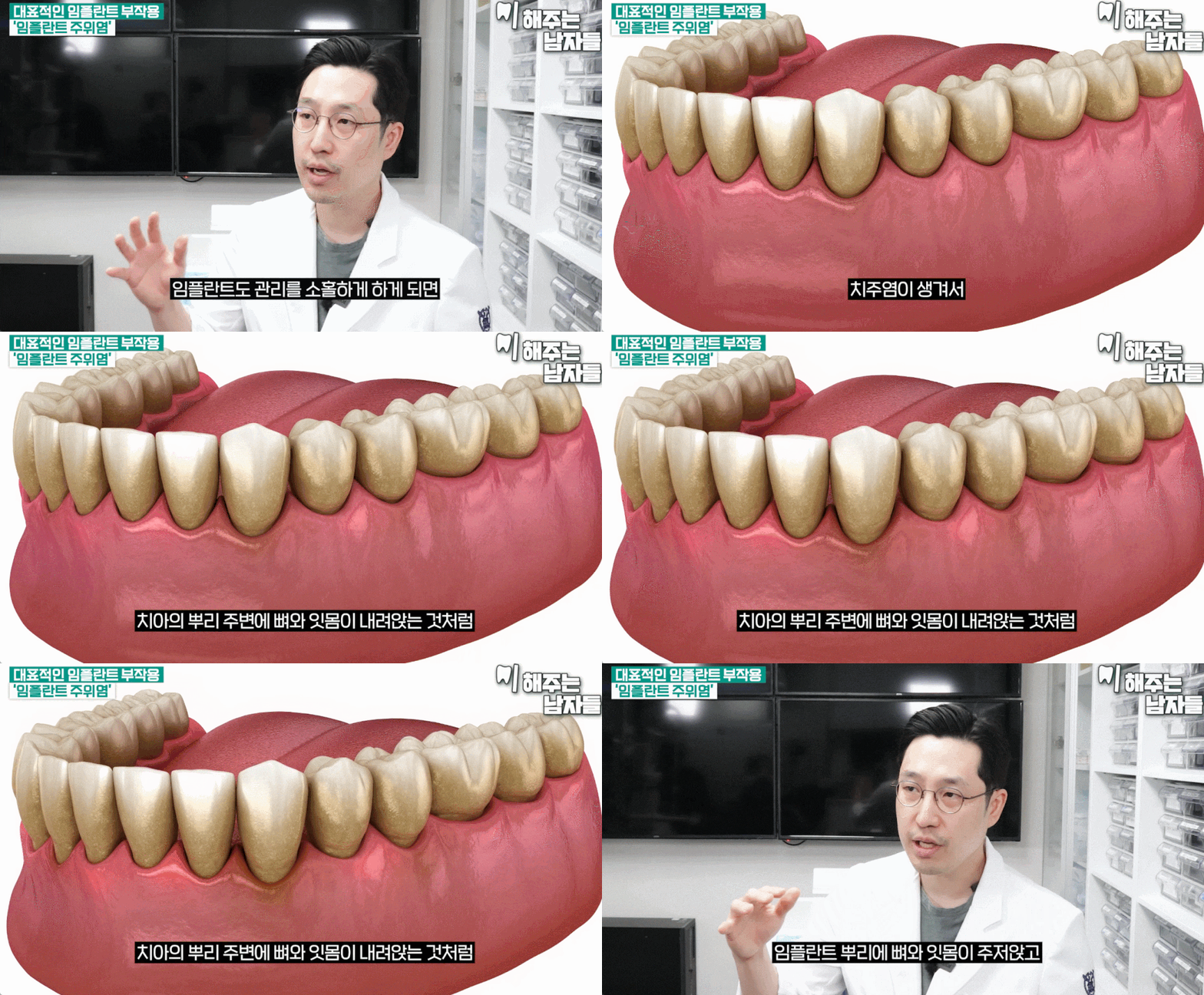
What is even more concerning is that, even when a considerable amount of bone has been lost,
an implant may appear almost completely stable as long as only its tip remains attached to the bone.
Ultimately, if the condition is left untreated and you visit the dentist only after your gums become severely swollen and start bleeding,
it may already be too late to save the implant, making complete removal necessary.
What causes
peri-implantitis?
You may have wondered “why” inflammation develops in the gums and bone around an implant.
There are two main causes.
- Limitations of the congenital anatomical structure
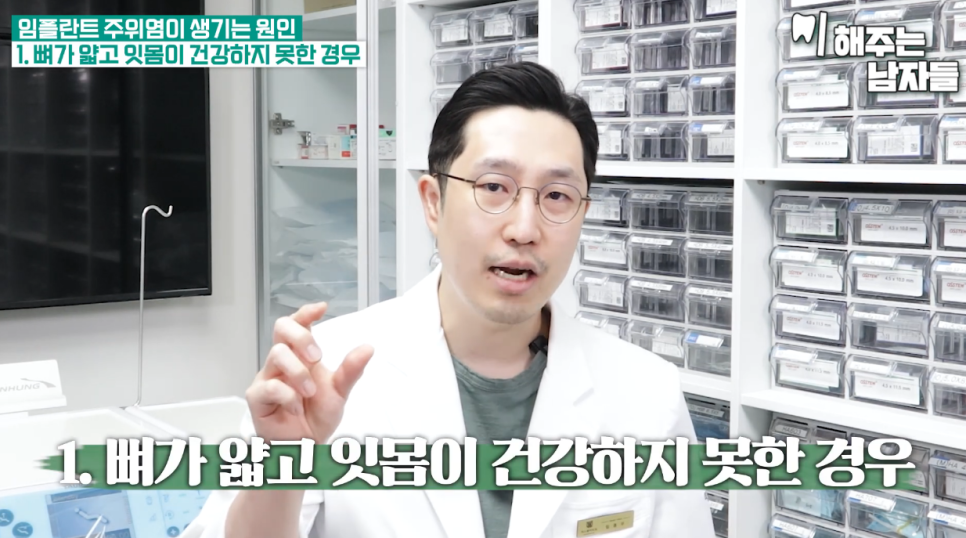
If the implant is surrounded by abundant bone and firm, immobile gum tissue called “keratinized gingiva,”
it can withstand inflammation relatively well.
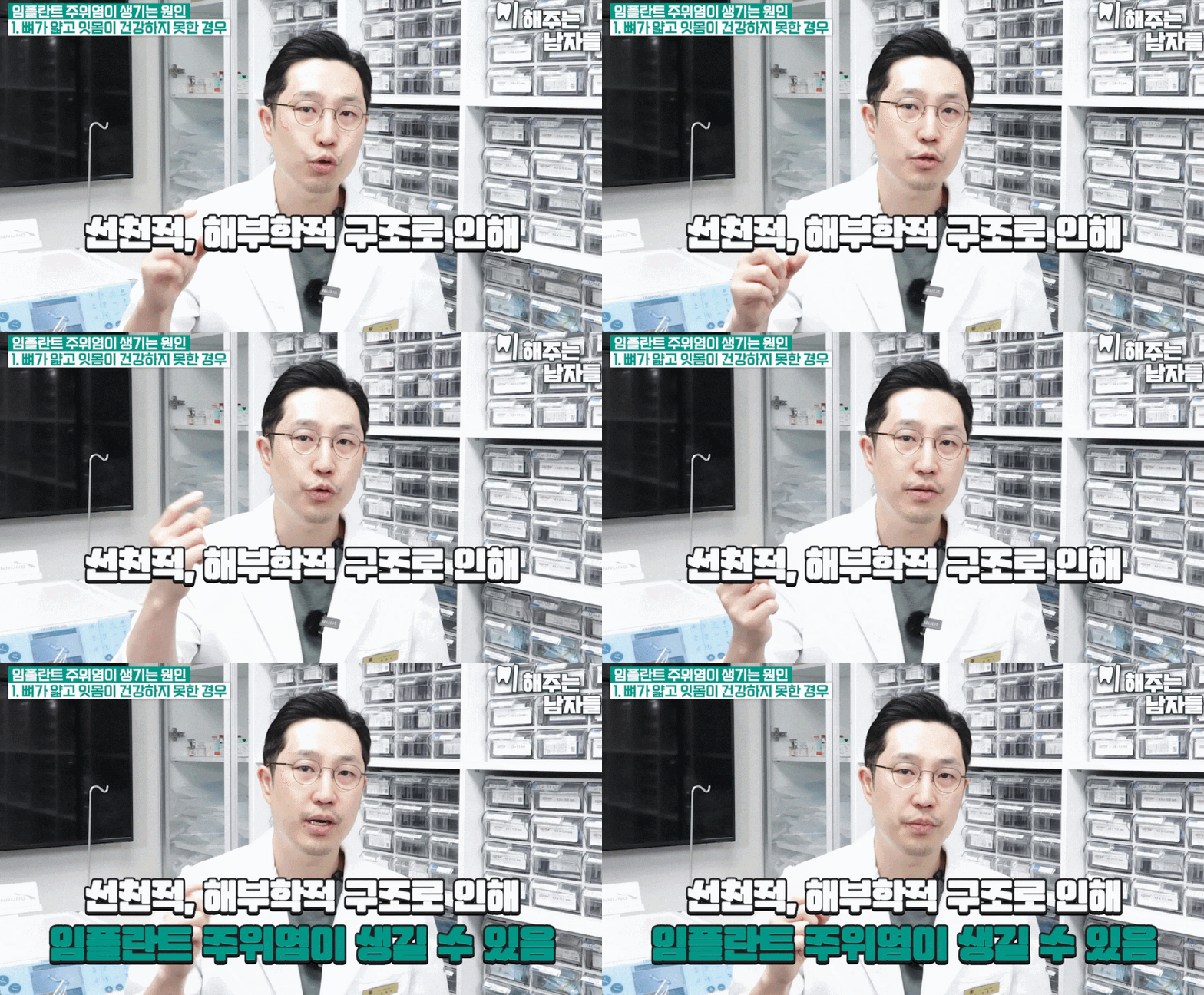
However, if you naturally have thin bone
and the implant is placed mainly in soft, flexible gum tissue, it becomes highly vulnerable to inflammation.
- Insufficient hygiene care
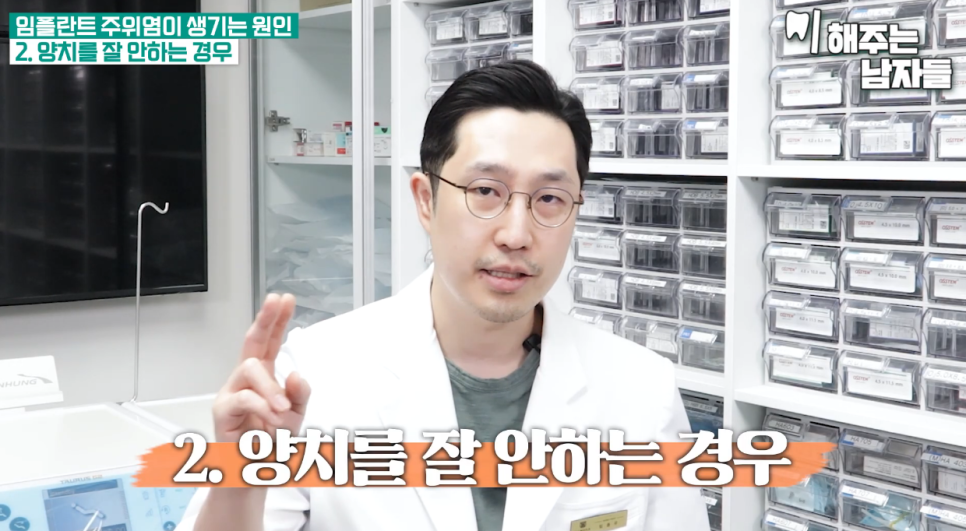
Because implants have much thinner roots than natural teeth,
they have a structure resembling scissors, with a relatively bulky crown that protrudes outward.
In addition, unlike natural teeth, implants have no slight movement at all,
so food can easily become tightly trapped between the teeth after meals.
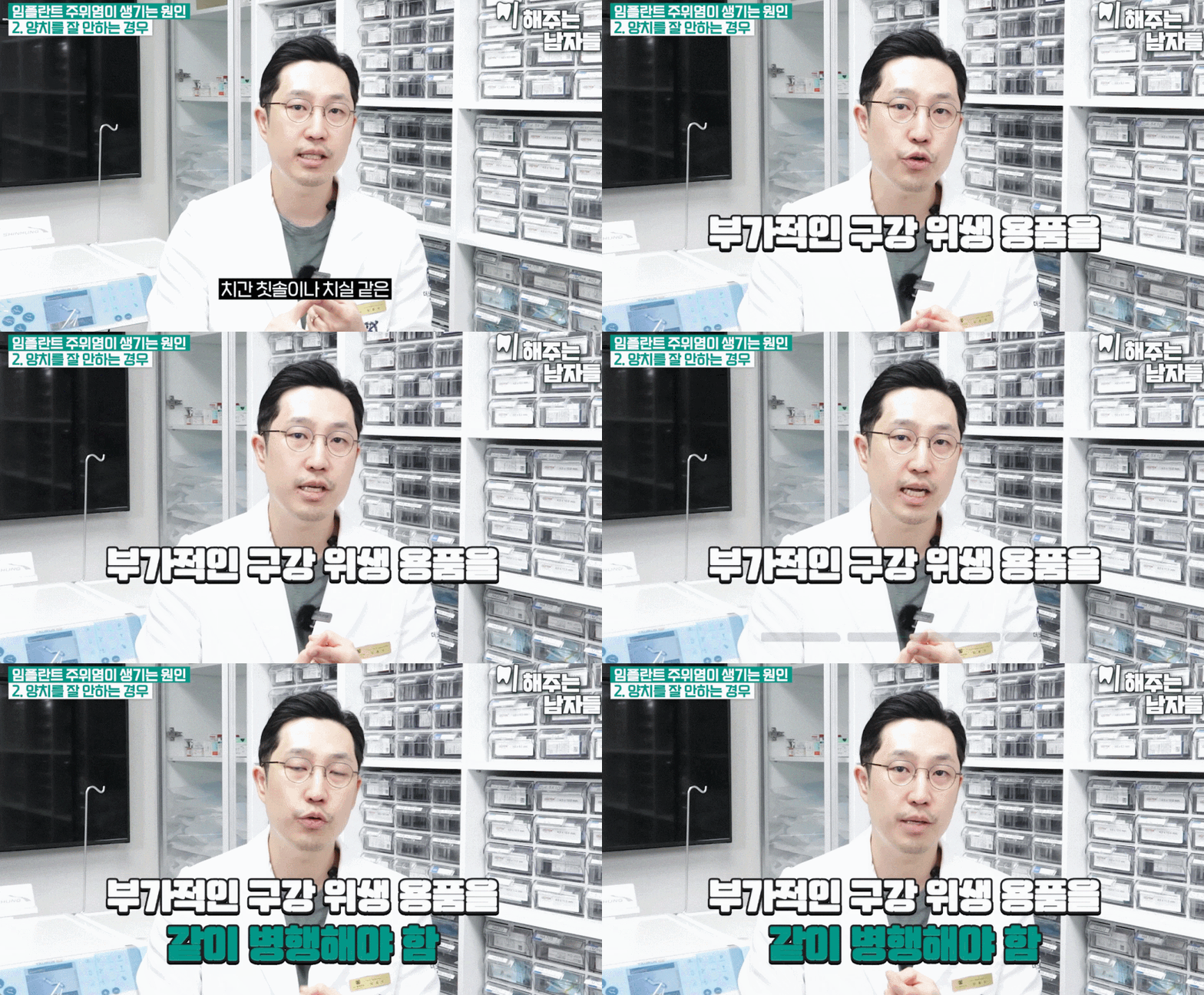
It is difficult to remove the debris from these gaps thoroughly with ordinary brushing alone.
You need to use additional oral hygiene products, such as interdental brushes and dental floss, alongside brushing to help prevent inflammation.
What are the early signs
that indicate inflammation?
As described above, peri-implantitis can be difficult to detect because implants may not cause pain even when inflammation develops.
There are, however, early signs indicating that bone around an implant may be deteriorating.
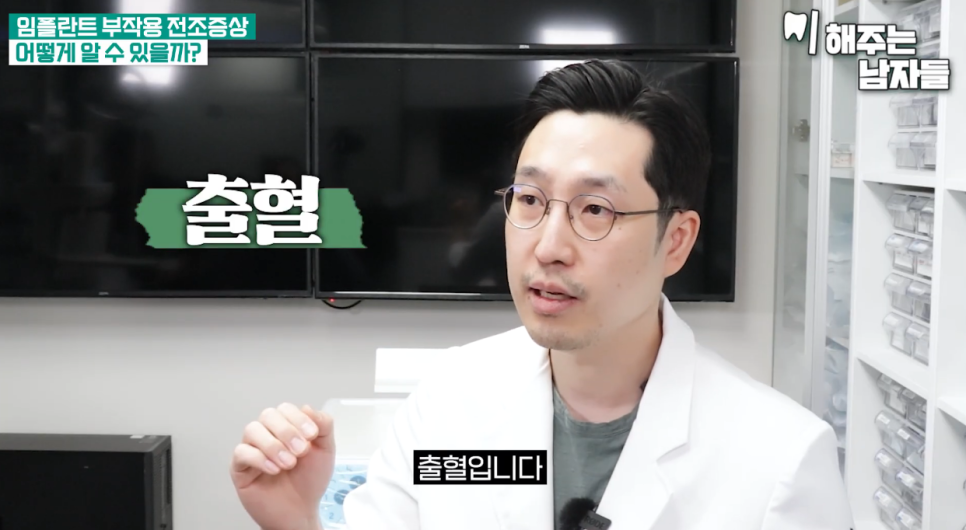
The sign is “bleeding.”
When your gums bleed while brushing, you may be afraid and avoid brushing that area.
However, that is precisely when you should brush more thoroughly.
Bleeding means that inflammation is present in that area.
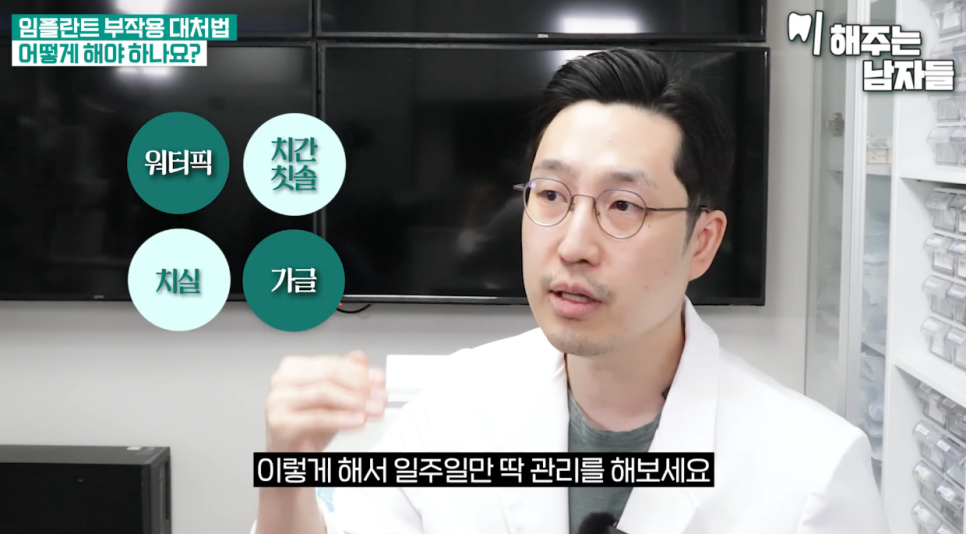
At this point, you should use interdental brushes, dental floss, mouthwash, a water flosser, and other available tools to care for the affected area intensively for about a week.
If the bleeding stops after a week, it is reasonable to consider the inflammation to have subsided.
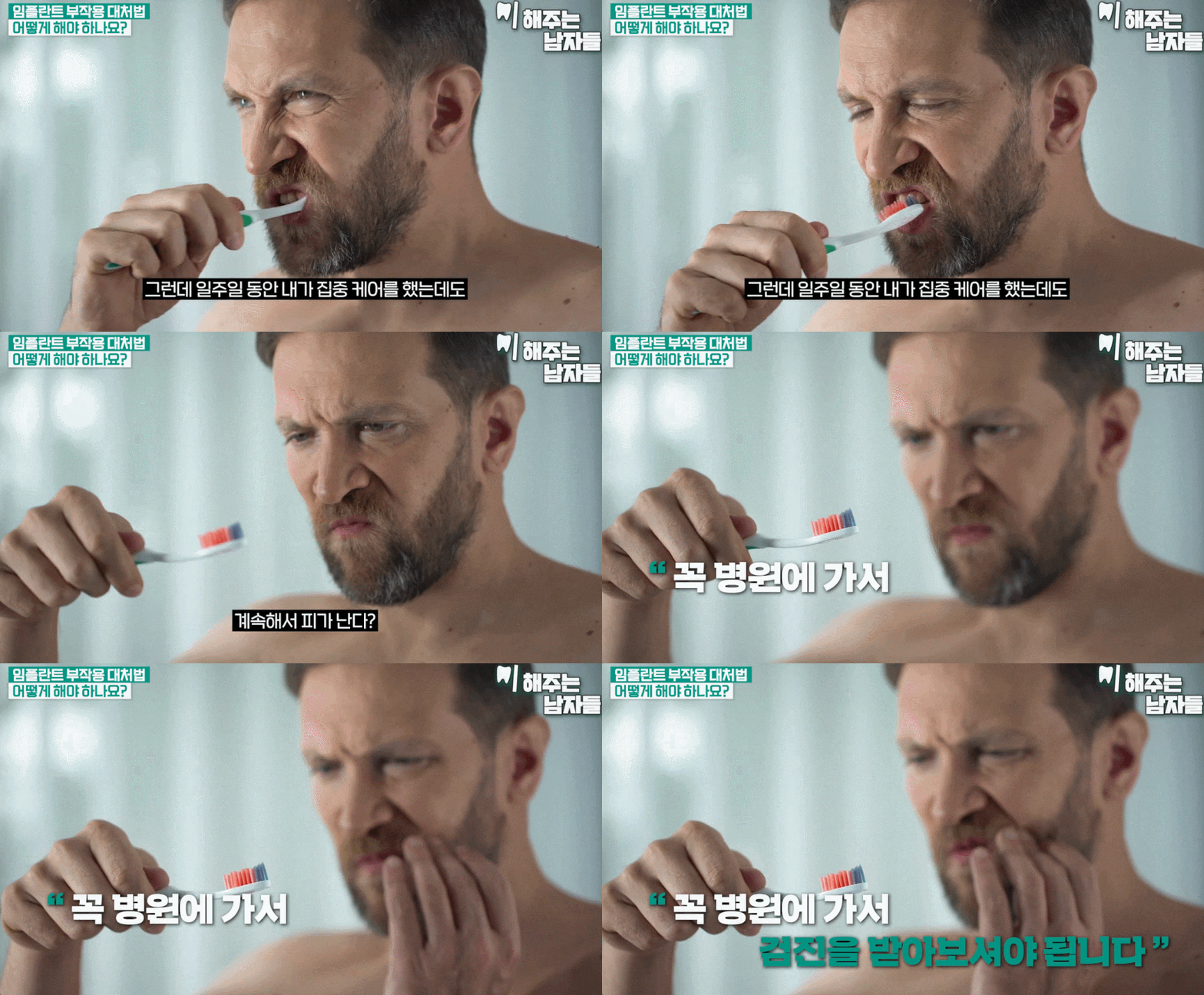
However, if the bleeding continues even after a week,
you should visit a dental clinic immediately for an examination.
[Recommended related reading]
Implants can be used for a long time, just like natural teeth.
However, as emphasized throughout this article,
if they are not properly maintained, the treatment completed with considerable time and expense may come to nothing.
Therefore, it is advisable to carefully consider the following when choosing a dental clinic—whether it can provide customized treatment based on a thorough assessment of the patient’s gum condition and bite from the outset:
-
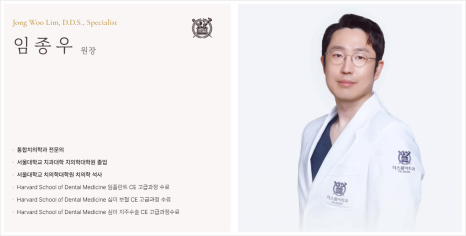
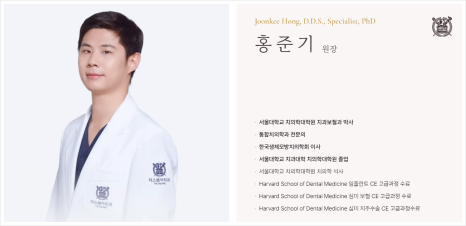
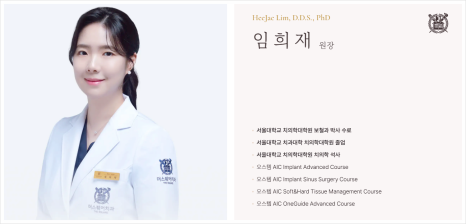
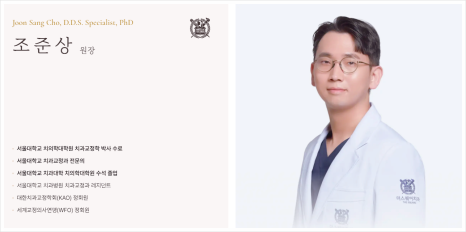
Whether specialists in each field, such as a board-certified specialist in advanced general dentistry or orthodontics, are available at the clinic
-
Whether the medical staff provides patients with detailed instructions on how to care for their implants
-
Whether the clinic has a systematic follow-up care system in place
If you have any further questions for us, please feel free to ask in the comments or through Naver TalkTalk at any time. ^^
Specialized knowledge based on the latest findings,
multidimensional diagnosis based on scientific evidence,
and treatment you can trust,
following established standards—
this was The Square Dental Clinic.
[Reviews]
[Naver TalkTalk]
[Directions]
| This article was written in compliance with Article 56, Paragraph 1 of the Medical Service Act to help you obtain accurate information. Rather than simply promoting our services, we wanted to transparently share what takes place in an actual treatment room. Instead of contacting us immediately after reading this article, it is sufficient simply to take away accurate information. |