Hello.
Based on the latest professional knowledge,
A comprehensive diagnosis grounded in scientific evidence,
While adhering to established principles,
더스퀘어치과 strives to provide reliable treatment.
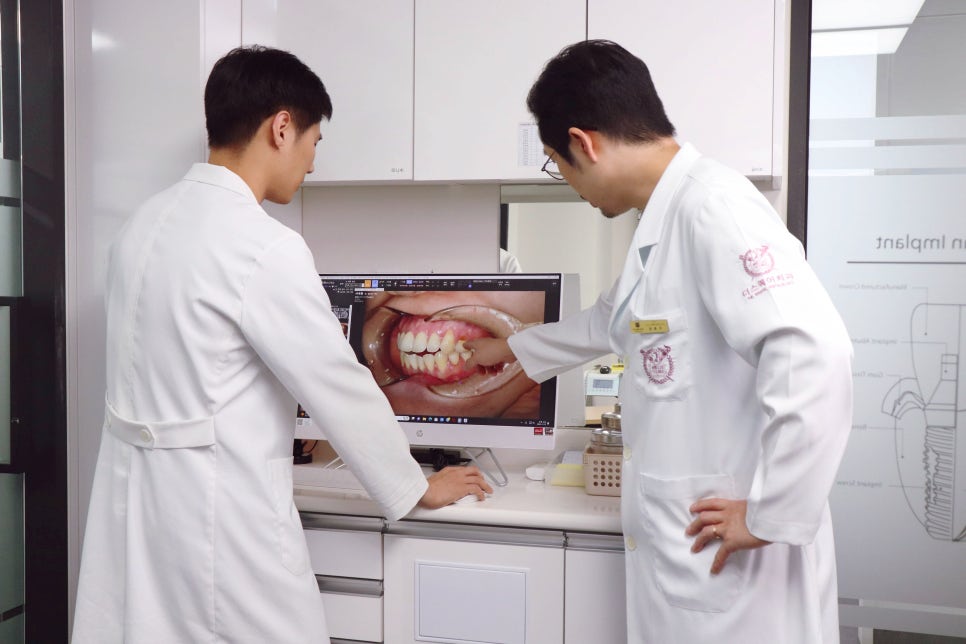
After completing implant surgery at considerable expense and after investing a great deal of time,
many people feel an enormous sense of relief.
They believe they can feel reassured because artificial teeth do not decay. (^^;)

However... this is a very dangerous misconception.
In fact, many people return to the dentist after experiencing swelling around their implants because they neglected post-implant care.
Although implants themselves may not develop cavities,
serious side effects that can cause the gums to recede may occur.
In today’s column,
-
Causes of swelling around implants
-
Why peri-implantitis develops
-
Early signs of inflammation and how to respond
We will discuss these three topics one by one. :)


Swollen gums around an implant,
Why do the gums swell after an implant procedure?
Immediately after surgery, swelling around an implant is actually a normal response.
Because the gums and bone are incised during the process of placing an implant, the body needs time to recover.
Swelling is usually at its worst for about two to three days,
then gradually subsides, with significant improvement after about one to two weeks.
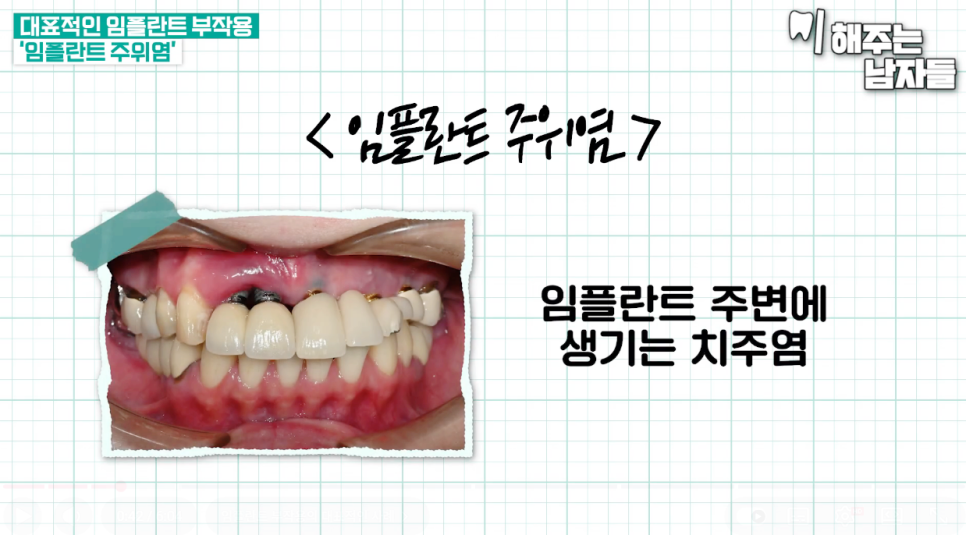
However, if about a month has passed since surgery and the condition has not improved, but instead worsened—for example:
You should visit a dentist promptly, as these may be signs of peri-implantitis.
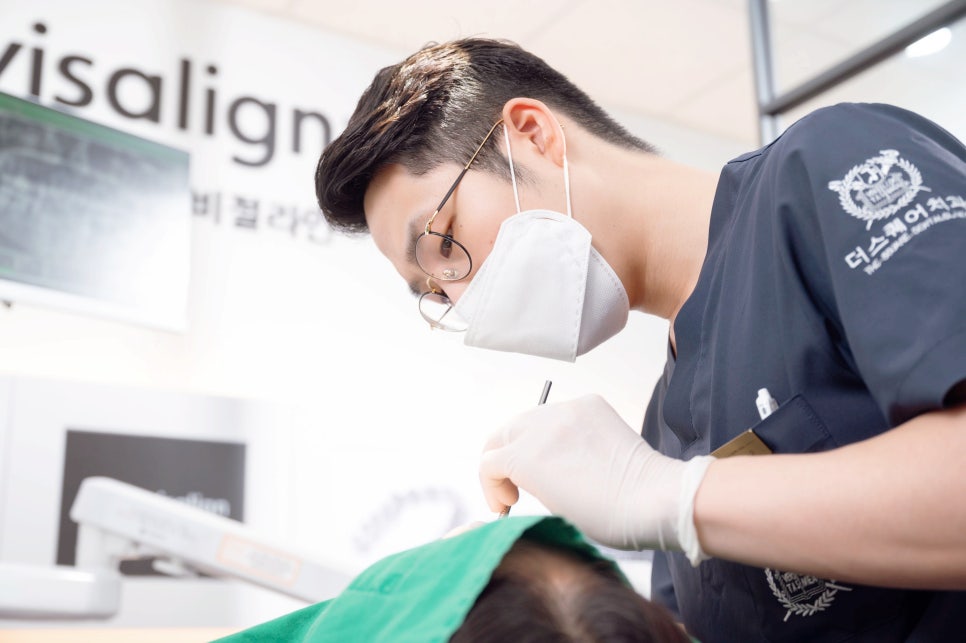
Even when a considerable amount of bone has receded,
an implant may show almost no looseness as long as its tip remains barely attached. In addition, because it is an artificial tooth, you may not feel pain.
If peri-implantitis is simply left untreated,
The bone may deteriorate to the point where the entire implant has to be removed.
Swollen gums around an implant,
What causes peri-implantitis?
You may be wondering why this serious condition, peri-implantitis, develops.
It can broadly be divided into the following two causes.
- Naturally thin bone and
Insufficient firm, keratinized gum tissue
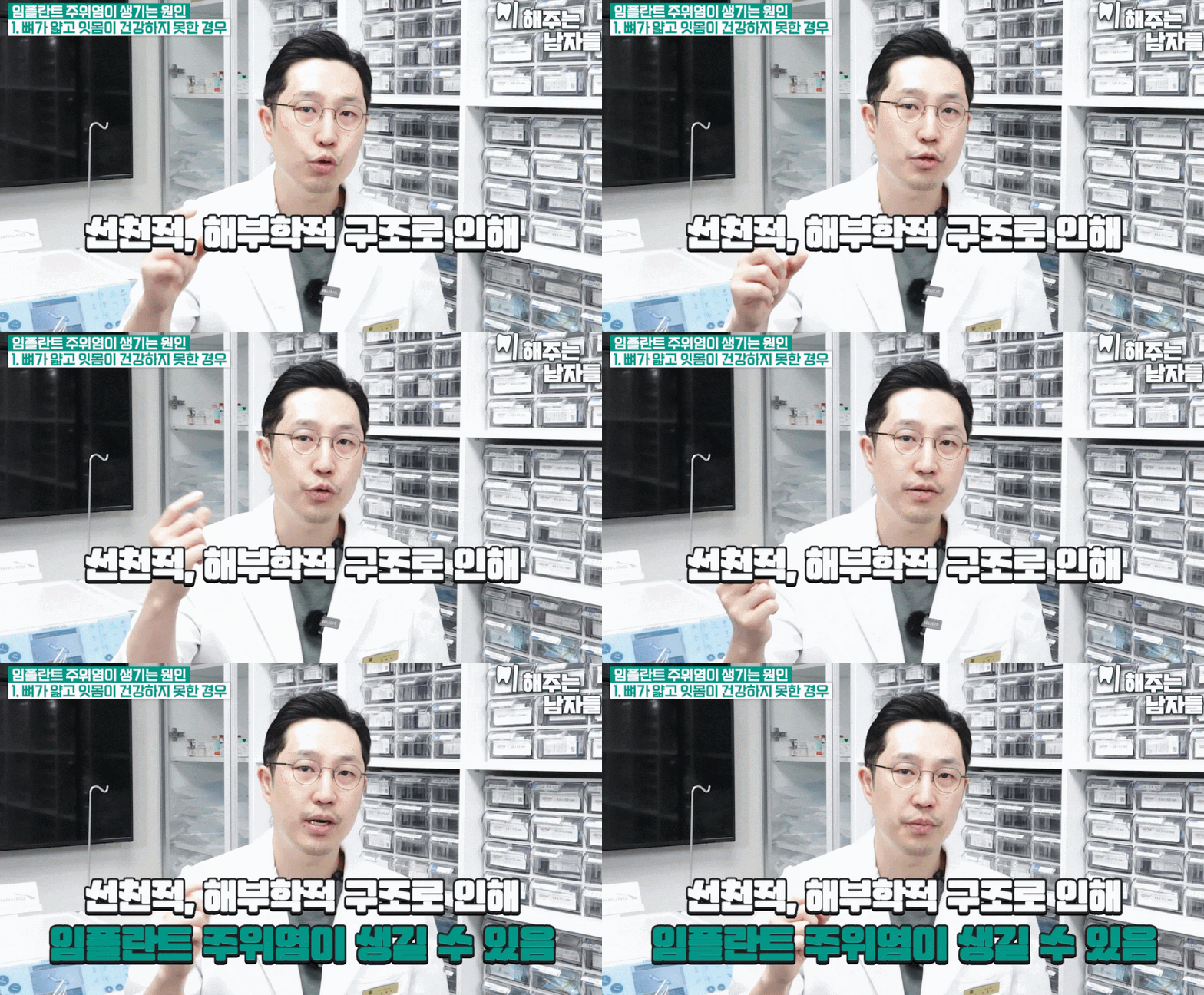
The firm gum tissue that tightly surrounds an implant is called “keratinized gingiva.”
People with abundant keratinized gingiva and thick bone are less susceptible to bacterial penetration.
By contrast, people who, due to their natural anatomical structure, have insufficient keratinized gingiva and only soft gum tissue
are more vulnerable to bacterial infection, making their gums more likely to swell and become exposed to inflammation.
- Neglecting hygiene care
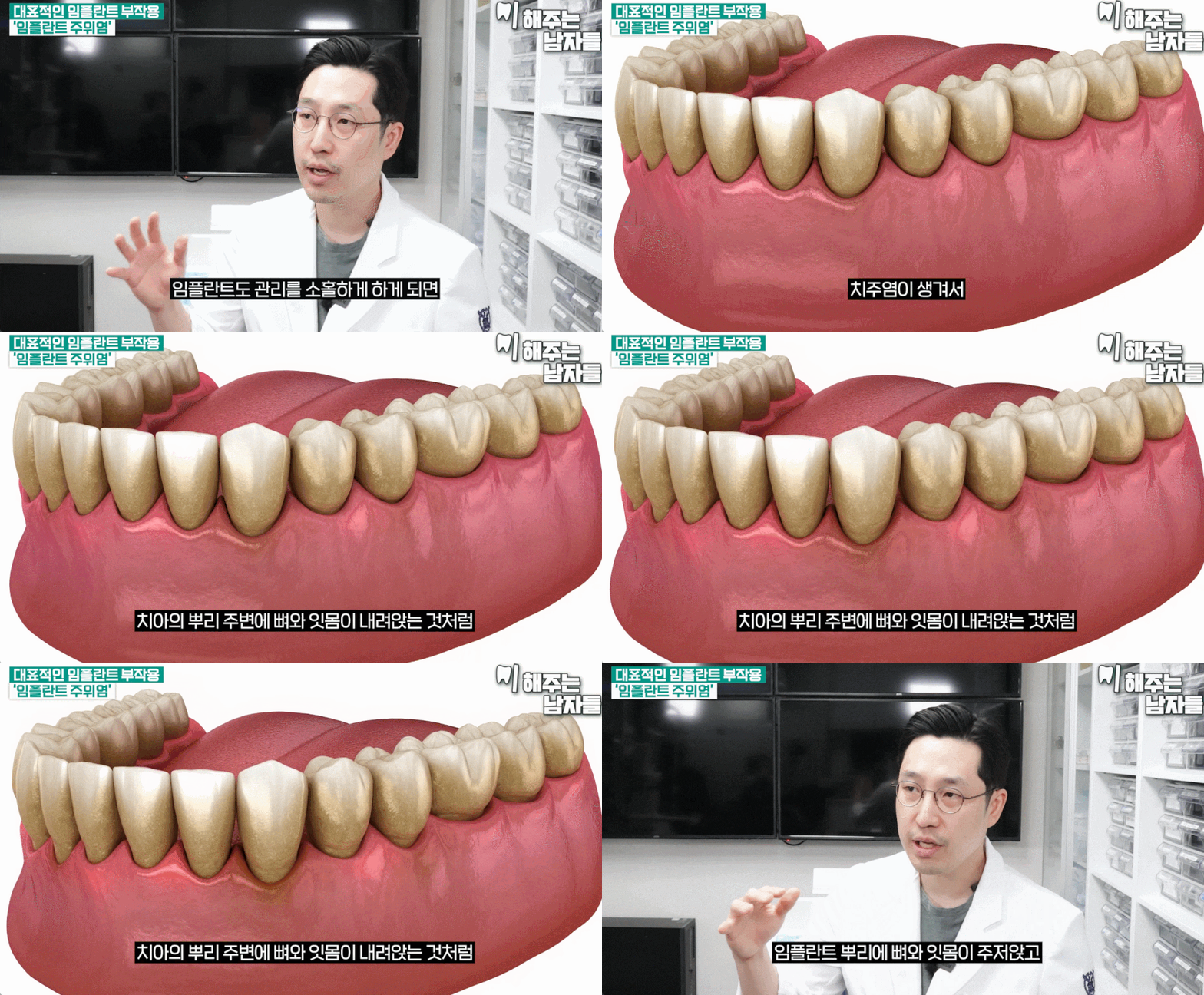
Due to their structure, implants have much narrower roots and larger crowns than natural teeth.
The gumline area is curved inward, making it easy for food to become trapped.
Moreover, implants are completely fixed to the bone,
whereas natural teeth move slightly, causing food to become wedged between them whenever they move.
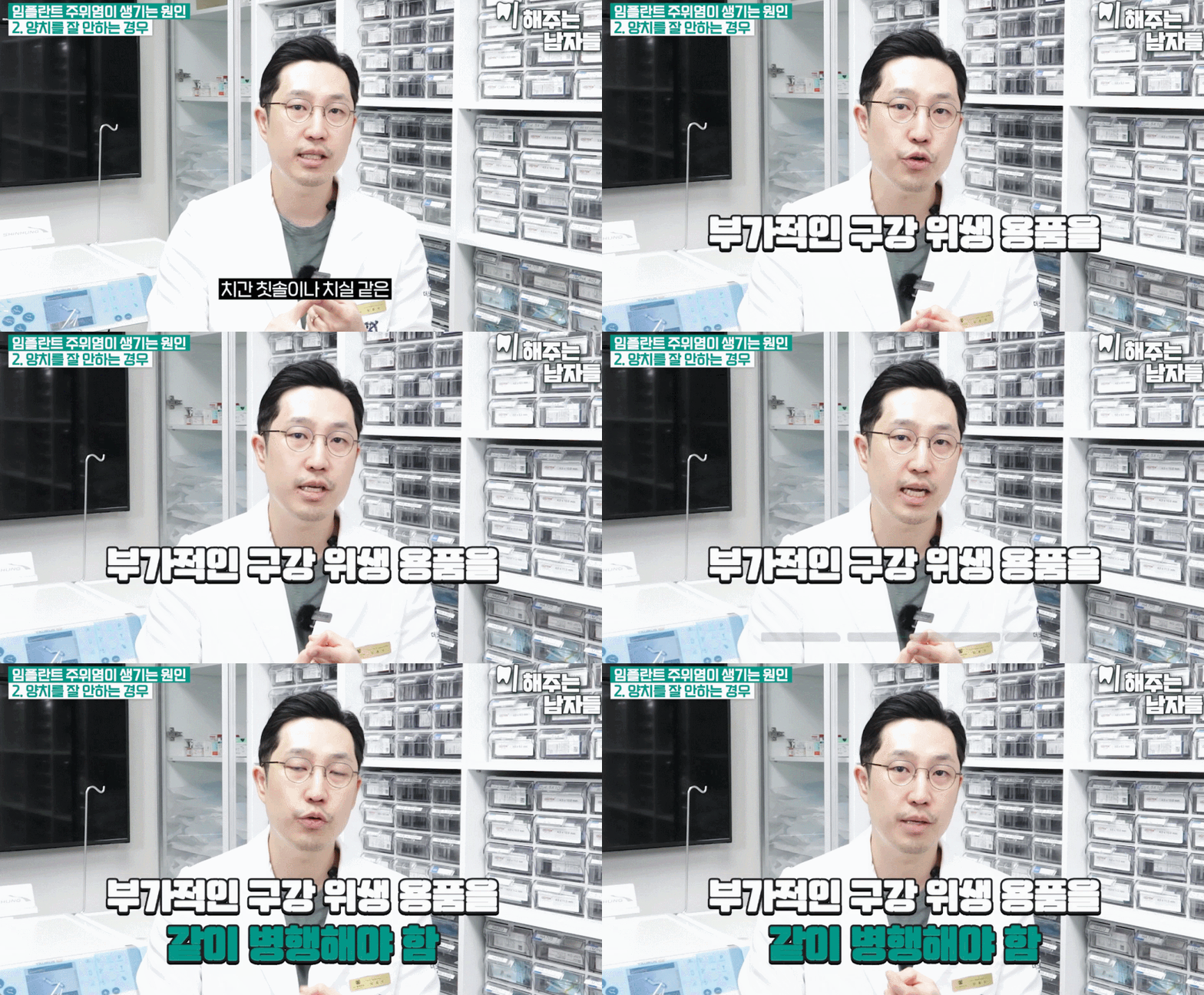
Therefore, regular toothbrushing alone has limitations when it comes to maintaining hygiene,
so you should also use additional oral-care products, such as interdental brushes and dental floss.

Swollen gums around an implant,
What are the early signs of inflammation and how should you respond?
As described above, implants may have no noticeable symptoms, making inflammation difficult to detect even when it develops.
However, there is one early sign that we can identify.
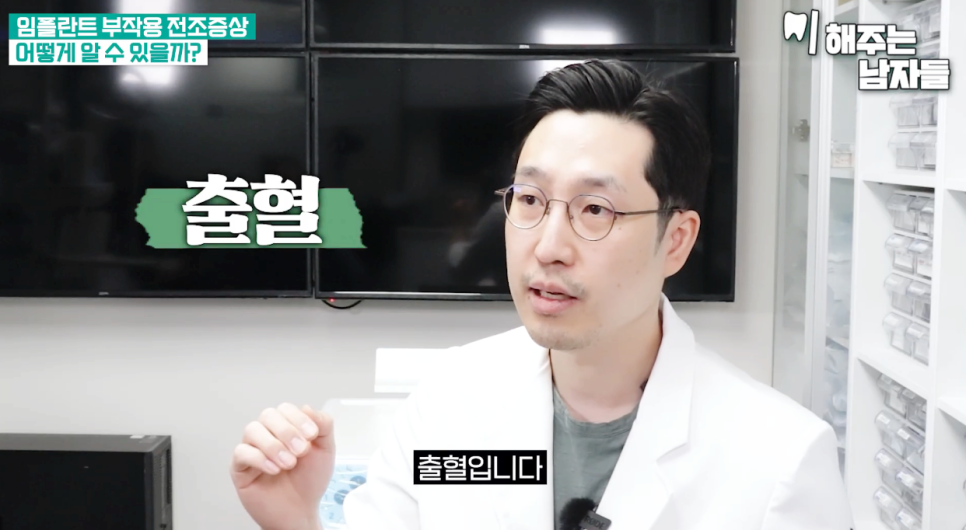
That sign is “bleeding.”
When their gums bleed while brushing, many people become afraid and gently avoid that area...
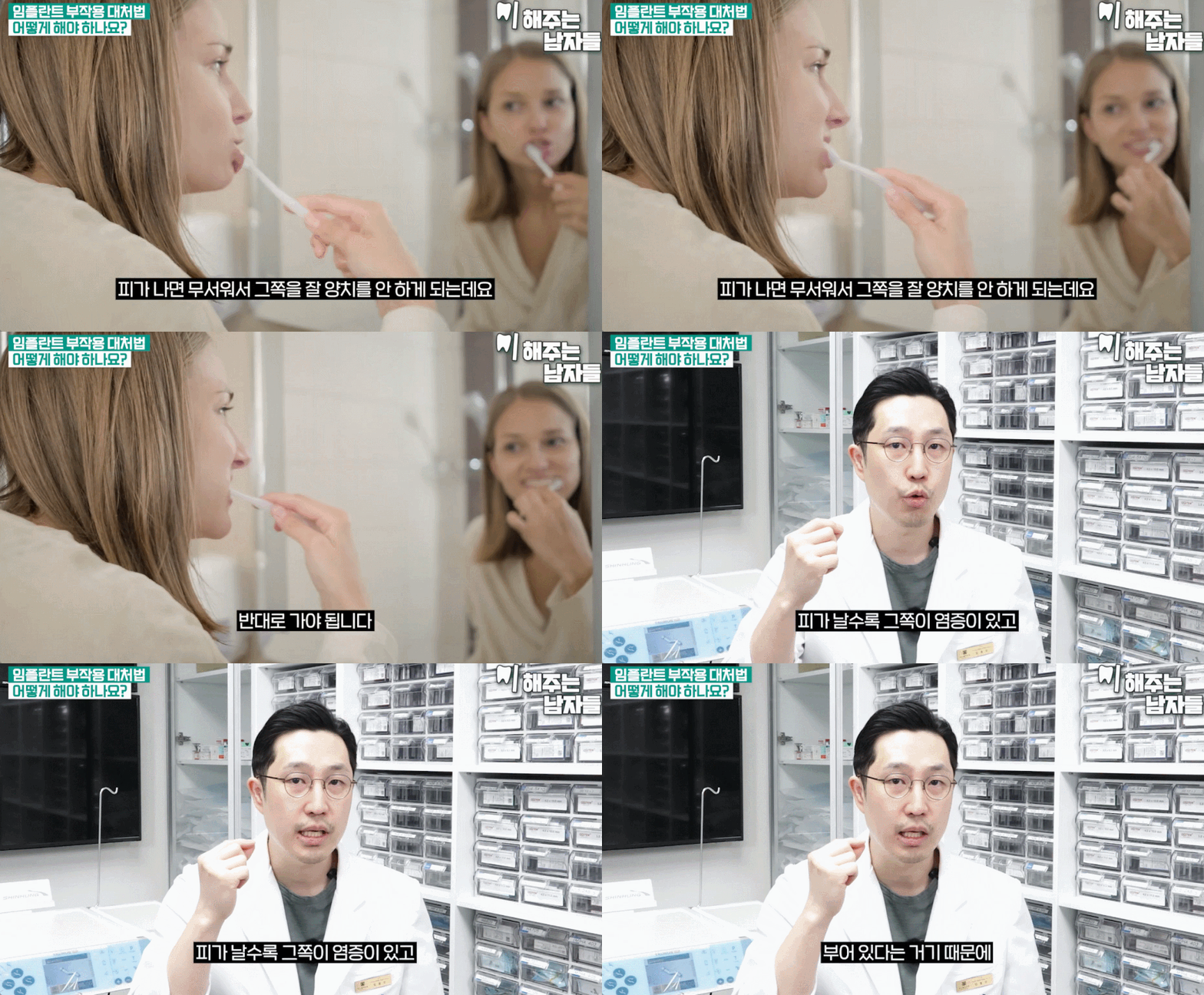
But this means that a mass of bacteria has accumulated in that area,
so the more it bleeds, the more diligently you should brush.
If the bleeding stops after paying closer attention to hygiene for about a week, you may feel reassured.
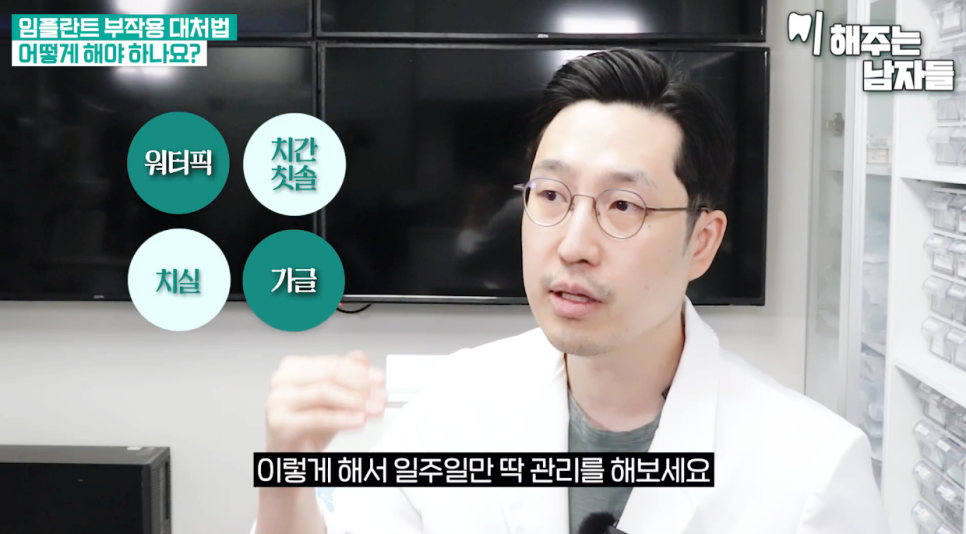
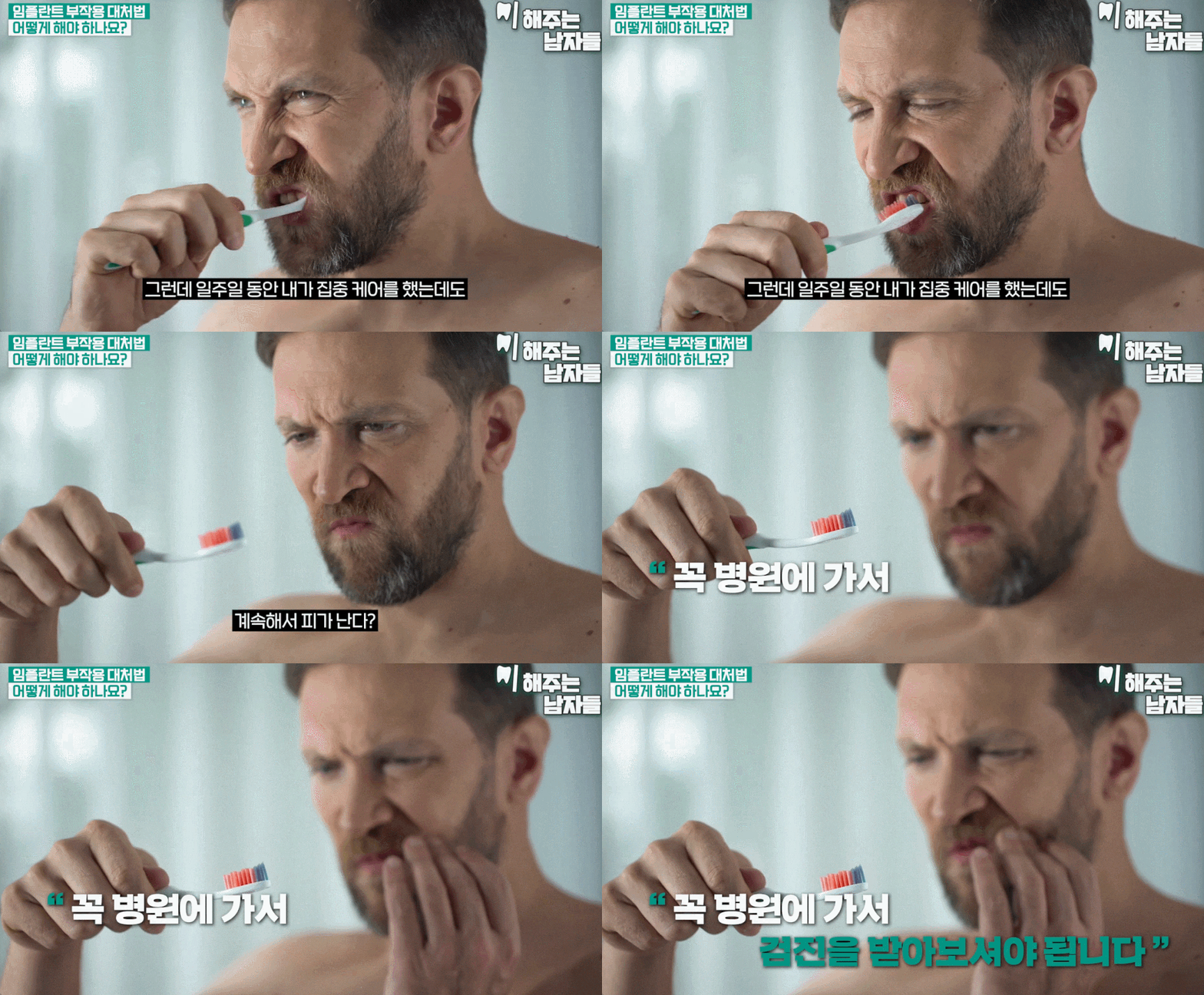
However, even after intensive care for a week,
if the bleeding continues and your gums throb, visit a dentist immediately so the inside of the gums can be cleaned.
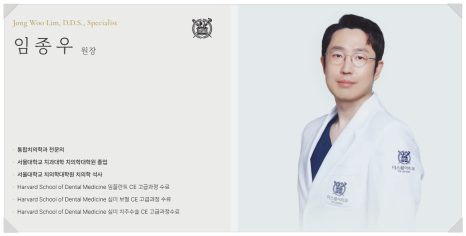
Of course, the most reliable way to prevent implant inflammation and maintain implants for a long time is to carefully consider whether the dental clinic:
| ✔️ Has specialists in each field, such as specialists in comprehensive dentistry and orthodontics, on staff (* There is no implant specialty in the dental specialist system.) |
|---|
| ✔️ Provides each patient with detailed education on implant care |
| ✔️ Has a systematic follow-up care system |
and then find a dental clinic that suits you well.
[Recommended related reading]
This article was written for those who were worried about swelling in the gums around an implant.
Here are the key points from the article.
| 1️⃣ Swelling immediately after implant surgery is a normal response, but if it worsens after a month or swelling appears several months later, you should visit a dentist. |
|---|
| 2️⃣ Peri-implantitis can develop due to congenital factors and inadequate hygiene care. |
| 3️⃣ If the implant area bleeds, provide focused care yourself for about a week; if the symptoms do not improve, you should receive dental treatment. |
If you have any further questions for us, you can leave a comment or contact us through Naver TalkTalk. ^^
This was 더스퀘어치과의원, committed to preservation and restorative treatment.
[Reviews]
[Naver TalkTalk]
[Directions]
| This article was written in compliance with Article 56, Paragraph 1 of the Medical Service Act so that you can obtain accurate information. Rather than simple promotion, we wanted to transparently share what takes place in an actual treatment room. Instead of contacting us immediately after reading this article, it is enough simply to take away accurate information. |