Hello.
'The Square Dental Clinic,'
which 'designs first impressions.'
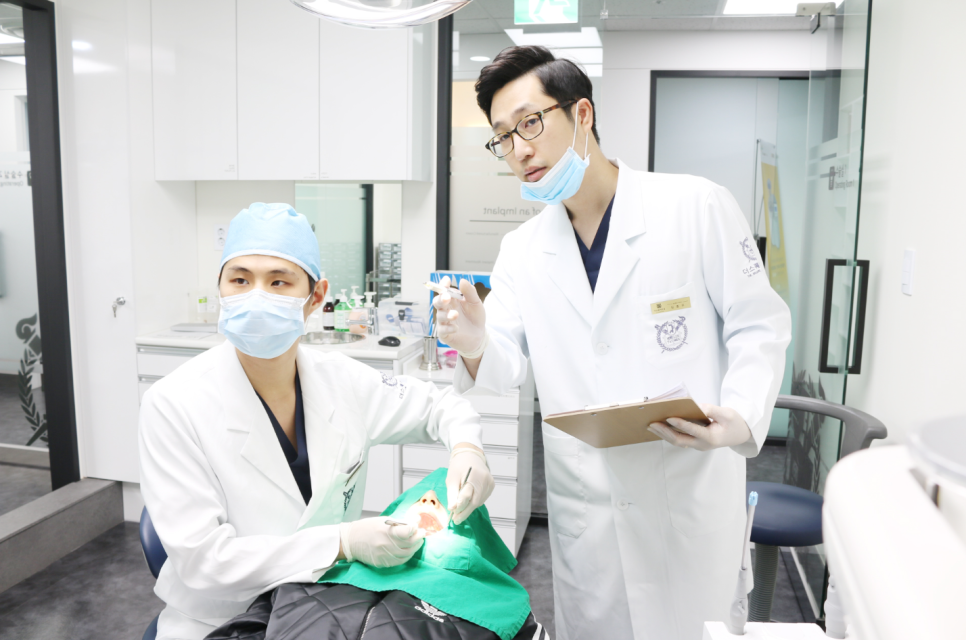
After receiving root canal treatment,
you may have questions such as:
'Now that the root canal treatment is complete,
do I really need a crown?'
The fact that root canal treatment has been completed
does not mean that every stage of dental treatment is finished.
This is because root canal treatment and subsequent restorative treatment
are considered for different purposes.

Root canal treatment
is a process for treating problems that have developed in the dental pulp and root canals,
while subsequent restorative treatment is performed by considering the remaining tooth structure
and its function.
In other words, not every tooth that has received root canal treatment
necessarily requires restorative treatment,
and the process may also vary.

This is because factors such as 'the tooth's location, structure, and extent of damage'
vary from person to person.
For those who find this difficult to understand,
we will explain it in detail.
Table of Contents
- Why additional treatment may be needed
even after root canal treatment is complete
-
Criteria for determining whether a crown is needed
-
Is caution necessary between root canal treatment
and crown placement?
-
Factors to check if discomfort occurs after treatment

- Why additional treatment may be needed even after root canal treatment is complete
Root canal treatment is a process of removing inflammation
and infected pulp tissue from inside the tooth, followed by disinfecting the root canals.
However, it is difficult to say that this treatment alone
resolves all structural problems.
Teeth requiring this treatment may already be weakened
because of severe decay or cracks.
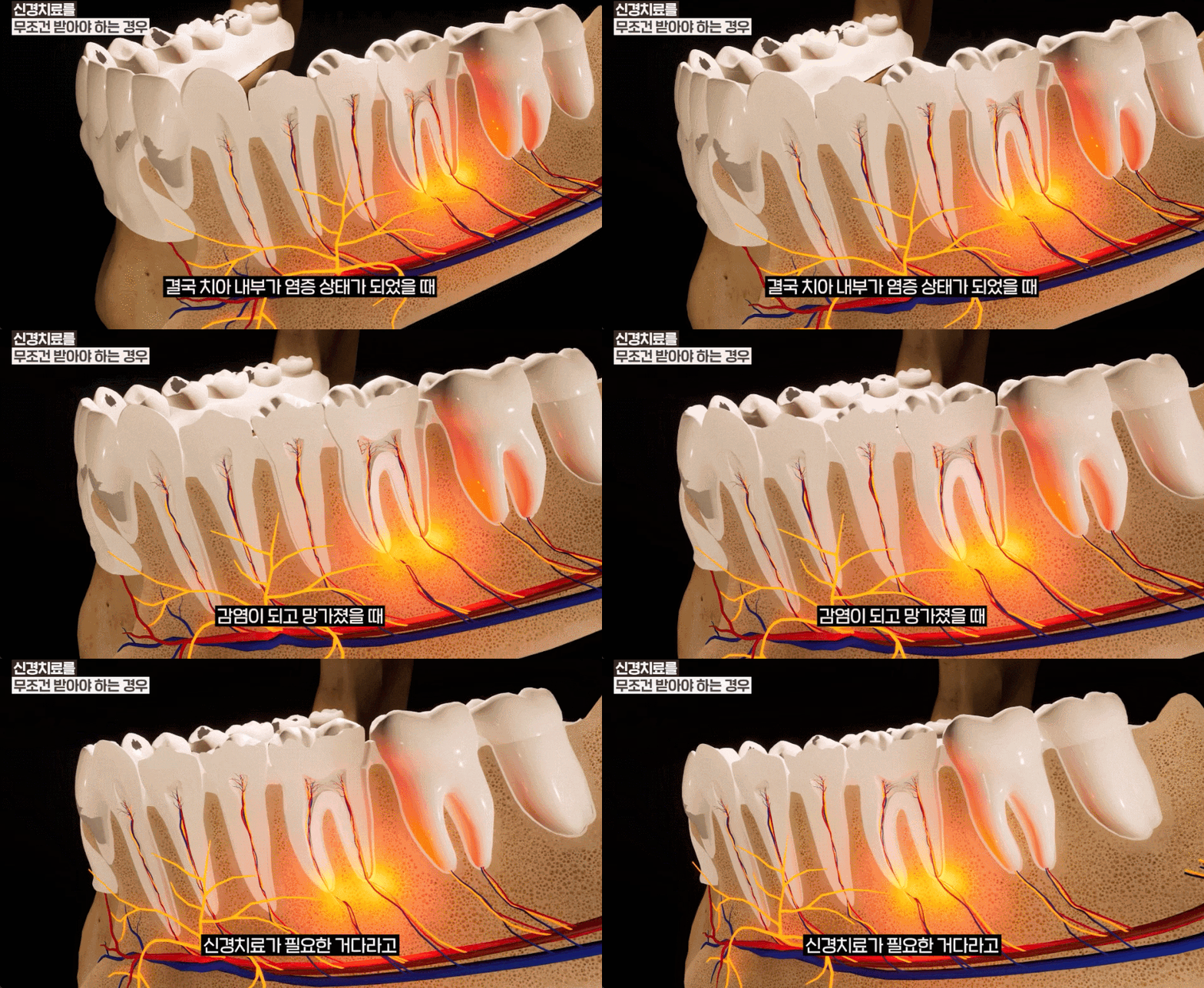
In addition, because some of the tooth structure must be removed
to access the inside of the tooth,
the remaining structure needs to be reevaluated.
For these reasons, treatment may not simply end when
'the pain has gone away.'
A restorative process may be needed
so that the tooth can function properly.
In simple terms, the process is as follows.
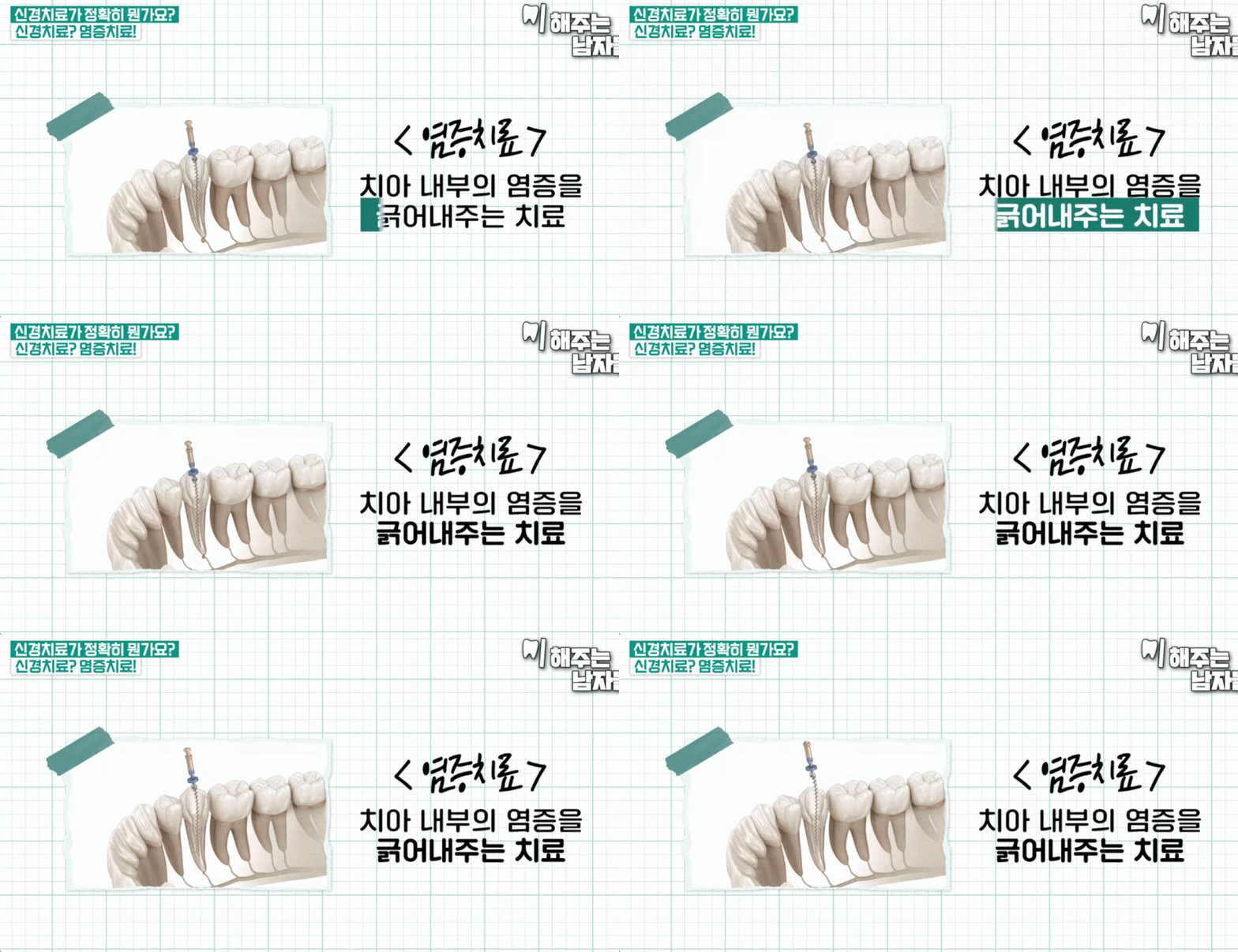
- Root canal treatment
: The process of removing infected tissue from inside the tooth and
treating the root canals
- Final restoration
: The process of using a prosthetic restoration to protect the remaining tooth structure
and restore its function
In other words, root canal treatment
is the process of addressing problems inside the tooth,
whereas subsequent restoration is the process of restoring the tooth's
shape and strength so that it can be used normally.
Depending on the extent of damage and the remaining structure,
a prosthetic restoration such as a crown may be needed.
Therefore, if you have been advised to receive a crown after root canal treatment,
it may be helpful to clearly understand
'why it is needed.'
- Criteria for determining whether a crown is needed
The same restorative method is not applied to every tooth.
The decision is made by considering factors such as:
'extent of damage'
'location'
'structural problems'
In particular, for teeth that receive chewing forces,
the presence of fractures and cracks may also be considered.
-
Remaining tooth structure
-
Extent of damage caused by decay or other factors
-
Presence of cracks or fractures
-
Tooth location, such as a front tooth or molar
-
The way the upper and lower teeth come together
-
Extent and condition of existing restorations
When deciding whether a crown should be placed after root canal treatment,
these factors may be considered.

Therefore, rather than looking only at the type of prosthetic restoration,
it may be helpful to first confirm
'how much of the tooth remains'
and 'what condition it is in'
in order to understand the treatment plan.
When necessary, a detailed plan may also be developed
based on information such as oral examination findings.
Ultimately, please keep in mind that the specific restorative method
may vary depending on your oral condition.
- Is caution necessary between root canal treatment and crown placement?
'If it does not hurt, can I use the tooth as usual?'
There may be a period when a temporary material is used
before the final restoration is completed.
Even if the pain has decreased during this period,
not every stage of treatment has been completed.
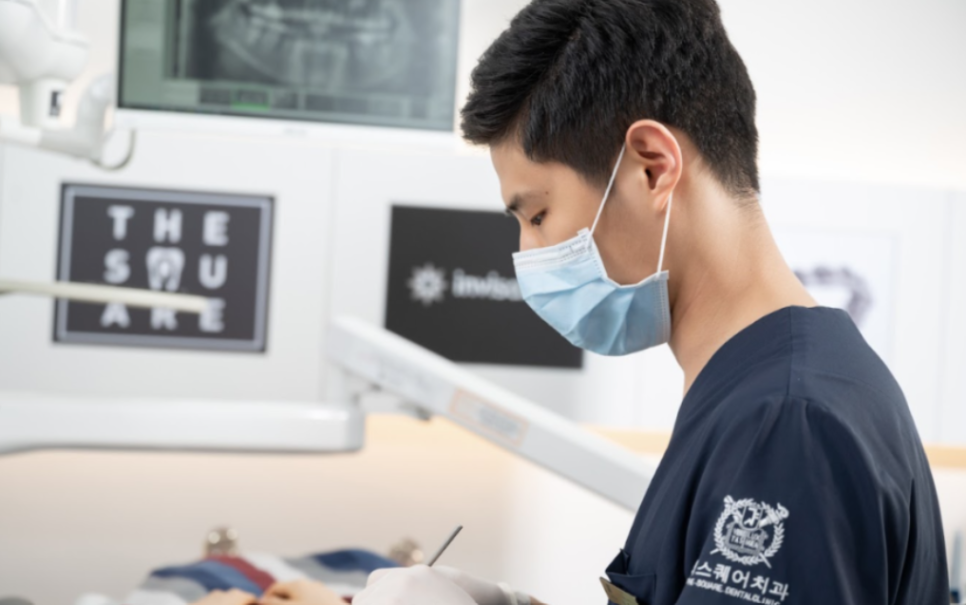
In other words, depending on the current condition,
there may be precautions to follow.
It is important to receive
sufficient guidance from your dental professional.
In addition, if the temporary material becomes dislodged,
unexpected issues may arise, so it should be managed carefully.
As this shows, a reduction in pain and completion of the treatment process
need to be considered separately.
- Factors to check if discomfort occurs after treatment
After a crown has been placed following root canal treatment,
it is necessary to examine the way it comes into contact with the opposing teeth
and the surrounding tissues.
In other words, if discomfort persists
or a new symptom appears,
it is advisable to identify its cause.

There are several factors that may be considered.
- If it feels as though a particular tooth touches first
- The way the upper and lower teeth come together
may be checked.
- If there is discomfort or a change in the gum around the crown
- The area around the restoration and the condition of the gums
may be checked.
- If pain persists or newly develops
- The treated tooth and the condition of the surrounding tissues
may be additionally examined.
Because the cause of symptoms may vary from person to person,
when choosing a dental clinic in Gwanghwamun,
do not make a judgment based on a particular symptom alone.
Please have the condition evaluated thoroughly through the necessary examinations.
[Related articles you may find helpful]
Many people wonder whether they must receive a crown after root canal treatment,
and because the purposes of the two treatments differ,
it may be helpful to understand the criteria clearly.
We will summarize the key points that may help.
- Root canal treatment and crowns
have different purposes.
- Whether a crown is needed is determined by considering the remaining tooth structure and tooth location,
the extent of damage, occlusion, and other factors.
- Until the final restoration is completed,
precautions appropriate to the condition of the tooth are still necessary.
- If persistent pain or discomfort when biting occurs after crown placement,
it is advisable to have the condition checked.

Rather than making a binary judgment of
'whether it should or should not be done,'
please keep in mind that you should first understand
'why it is needed for your current tooth.'
Thank you for reading this lengthy post.
This has been The Square Dental Clinic.
You can read reviews left by many visitors
after their appointments at the link below!
If you have any questions while reading,
please feel free to leave them in the comments or through Naver TalkTalk!
This post was written in compliance with Article 56, Paragraph 1 of the Medical Service Act
so that you can obtain accurate information.
Rather than simply promoting our services,
we wanted to transparently share the processes
that take place in the actual treatment room.
Rather than contacting us immediately after reading this post,
it is enough simply to take away accurate information.