There are likely many people who are concerned because their teeth are speckled or the surface is uneven. One of the causes that can lead to these symptoms is enamel hypoplasia. This condition occurs when the enamel that covers the tooth surface does not form properly, and it can affect not only appearance but also tooth function. Today, I will explain in an easy way what enamel hypoplasia is and what treatment options are available.
What Is Enamel Hypoplasia?
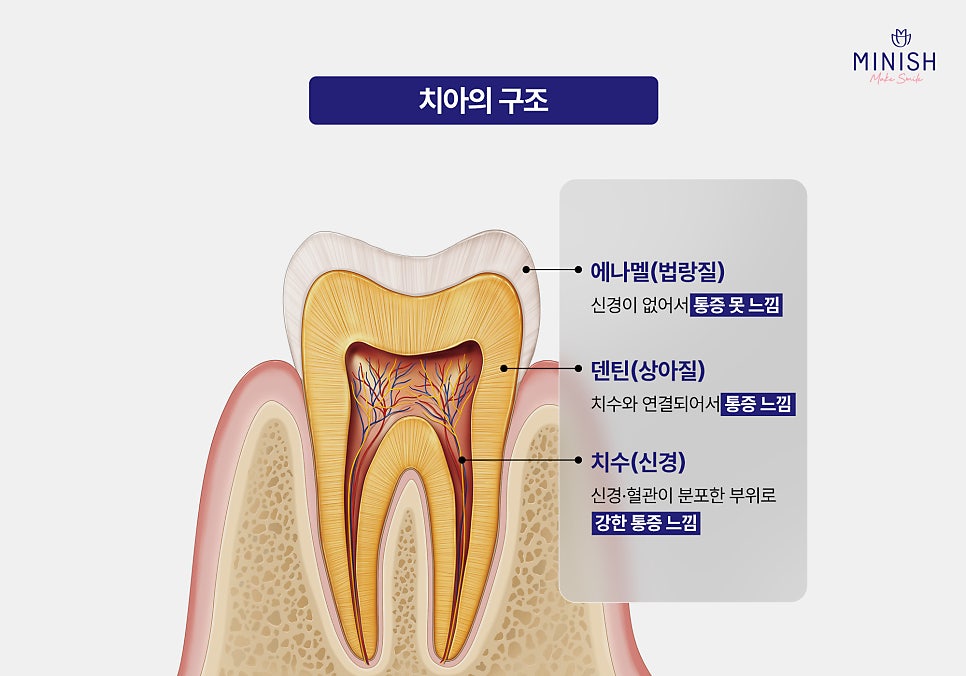
Enamel hypoplasia is a condition in which enamel, the hard outer layer covering the surface of the teeth, is congenitally absent or abnormally thin and weak.
Cause: It is mainly caused by genetic factors, and gene mutations are known to be the primary cause.
Recognizing Enamel Hypoplasia by Symptoms
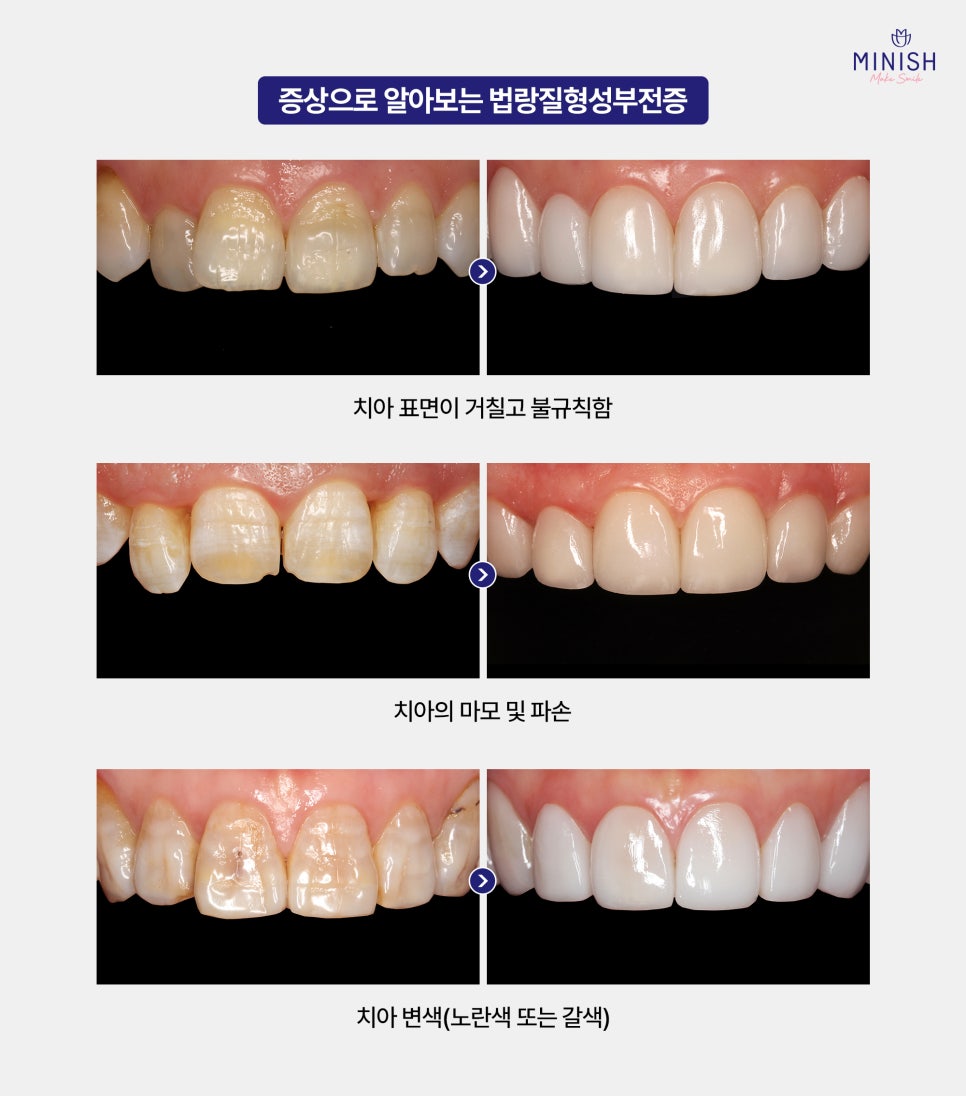
-
Rough and irregular tooth surfaces
Feature: The tooth surface is not smooth and rough or pitted areas are observed.
Cause: This occurs because the enamel is not fully formed, resulting in an uneven surface.
Result: Food debris and plaque can easily build up, increasing the risk of decay.
- Tooth wear and breakage
Feature: Teeth wear down or break easily.
Cause: Thin enamel cannot protect the teeth, making them vulnerable to external irritation.
Result: Tooth size may decrease or breakage may progress.
- Problems with chewing, shorter tooth length, or increased risk of tooth fractures
- Tooth discoloration (yellow or brown)
Feature: Teeth become discolored yellow or brown instead of their normal white color.
Cause: Thin enamel allows the inner dentin to show through.
Result: This creates an appearance that is cosmetically unsatisfactory.
Reduced confidence in one’s teeth and psychological burden
- Sensitivity to temperature changes
Feature: Discomfort or pain occurs when eating cold foods or drinking hot beverages.
Cause: When enamel is damaged or thinned, external stimulation is transmitted directly to the dentin layer.
Result: Everyday eating can become difficult, and some people may avoid food because of the discomfort.
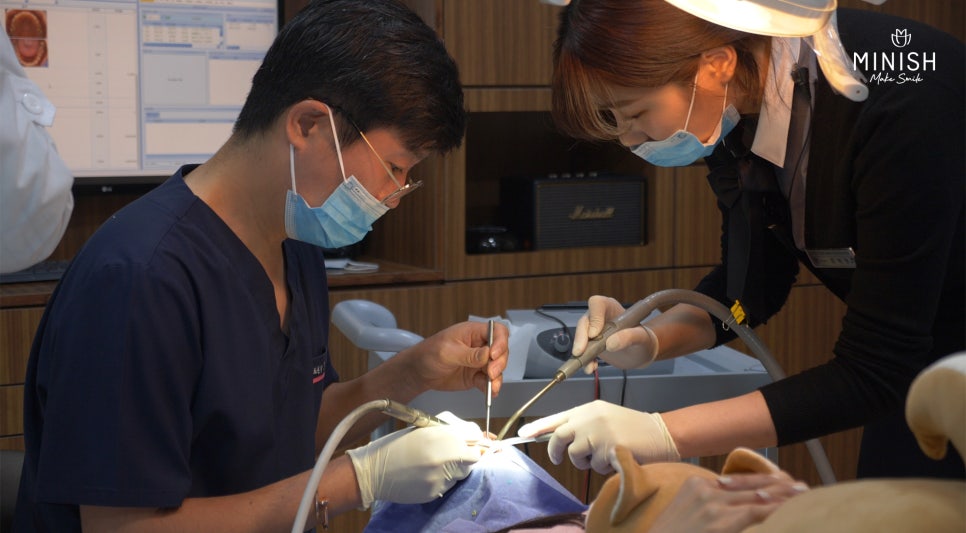
If the symptoms of enamel hypoplasia are not severe, tooth health can be maintained with regular oral care and appropriate early treatment such as fluoride application. However, if the symptoms of enamel hypoplasia are severe, the treatment options below may be considered.
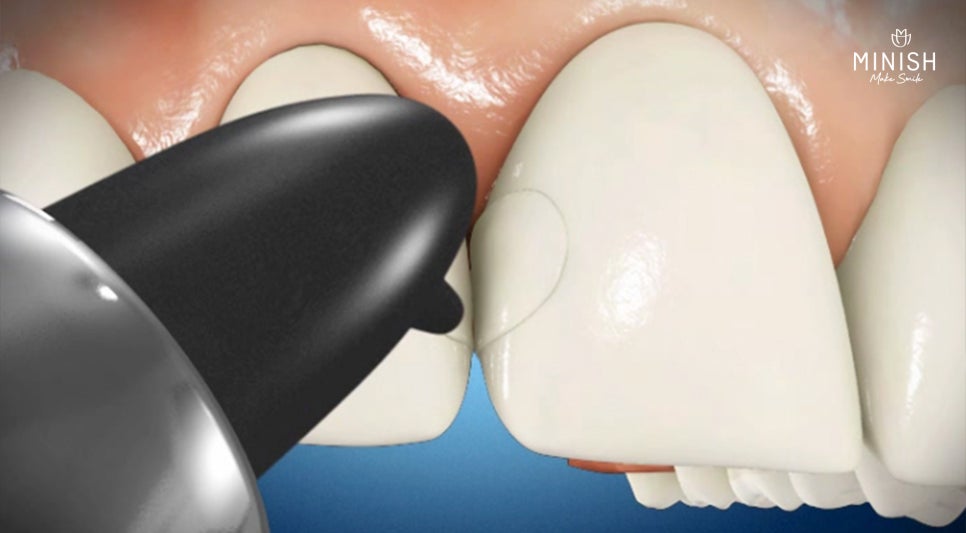
A composite resin is applied to the tooth surface to restore the damaged area.
The procedure is simple and quick.
Treatment can be performed without removing tooth structure, and it is relatively affordable.
It is suitable for improving early symptoms (small damage, mild discoloration).
Durability is low, so it may wear down or become discolored over time.
Repeated treatment may be needed, which can lead to higher long-term costs.
- Laminate veneer
A ceramic sheet is attached to the front surface of the tooth to restore discolored or damaged teeth.
It has excellent aesthetic results and helps improve the appearance of the teeth.
It is suitable for restoring discolored teeth.
It is mainly limited to the front teeth (aesthetic area).
Tooth reduction is necessary, and if the bonding process is not precise, there is a higher risk of secondary decay or detachment.
- Crown
It covers the entire damaged tooth to protect it and restore function.
Its high strength makes it effective for fully restoring severely damaged or worn teeth.
It improves both tooth protection and aesthetics.
A large amount of tooth structure must be removed, which may damage healthy tooth structure.
It can also affect the opposing tooth.
- Tooth restoration solution, Minishe
Minimal tooth reduction: Unlike conventional treatments, it preserves as much natural tooth as possible while removing stains and discoloration from the tooth surface.
Custom Minishe block: Using precision CAD/CAM technology, a Minishe block optimized for each tooth is manufactured and bonded to restore the damaged enamel.
Maximum preservation of natural teeth:
Natural teeth are preserved as much as possible to maintain healthy tooth structure.
Aesthetics and durability:
It provides a color and texture similar to natural teeth, resulting in high aesthetic satisfaction.
Its excellent bonding strength provides long-term stability and helps prevent discoloration and wear.
Precise restoration:
The custom restoration made with precision processing technology bonds perfectly to the tooth, restoring both function and aesthetics.
Its high bonding precision reduces the risk of secondary decay.
The initial cost may be somewhat higher than resin or laminate veneers.
However, its excellent long-term durability can reduce the frequency of retreatment and lower overall costs.
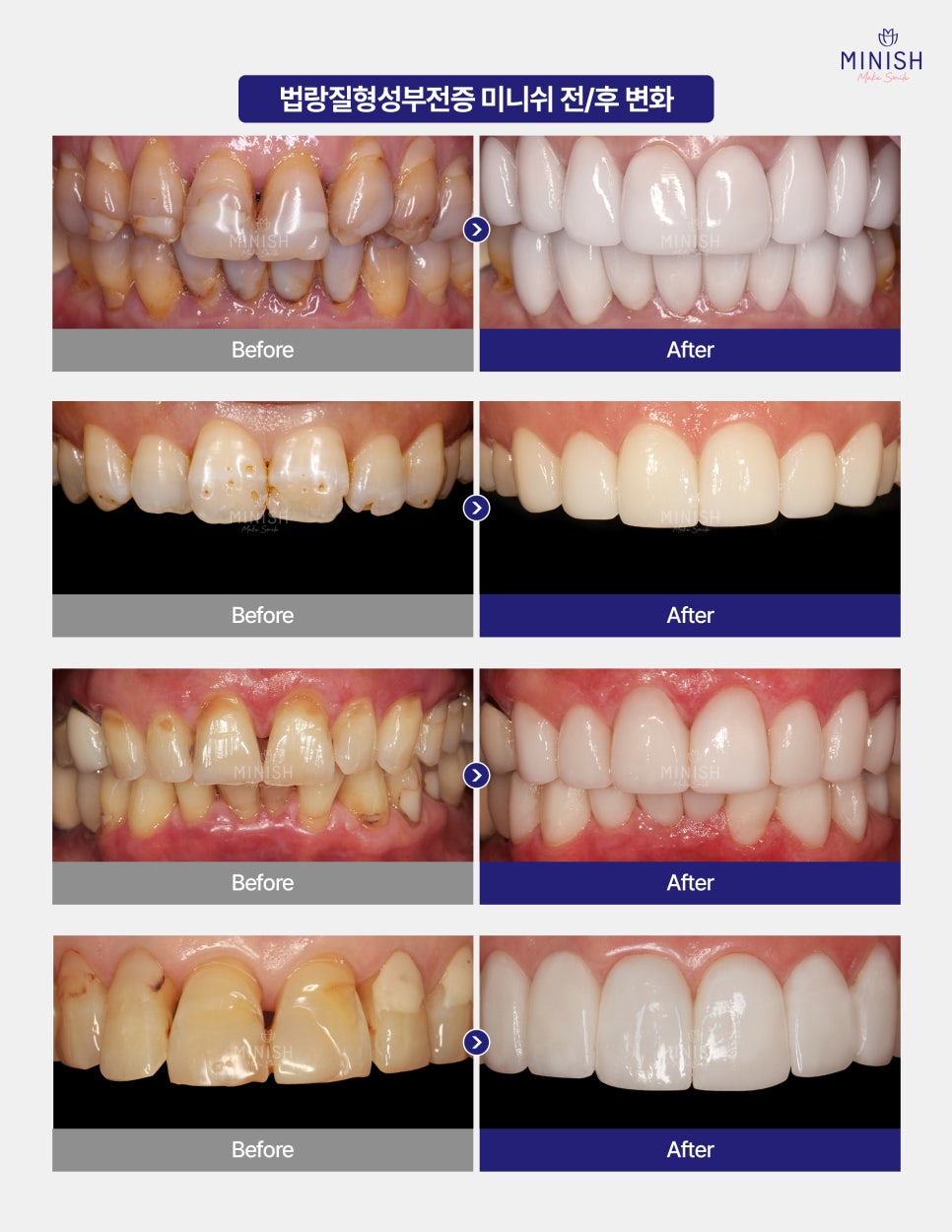
Advantages of Minishe as a tooth restoration solution for enamel hypoplasia
-
Perfect restoration of aesthetics and function: Recreates a color and texture similar to natural teeth.
-
Long-term durability: Excellent fit and bonding strength allow for long-term use.
-
Psychological stability for patients: Regaining a smile helps restore confidence.
For patients with enamel hypoplasia, Minishe is one of the suitable options because it offers a minimally invasive approach and precise restoration.
If you need additional consultation, feel free to contact us anytime^^
https://youtu.be/ASPNZFVR8Gg?si=9ussS-S29QNad-c8