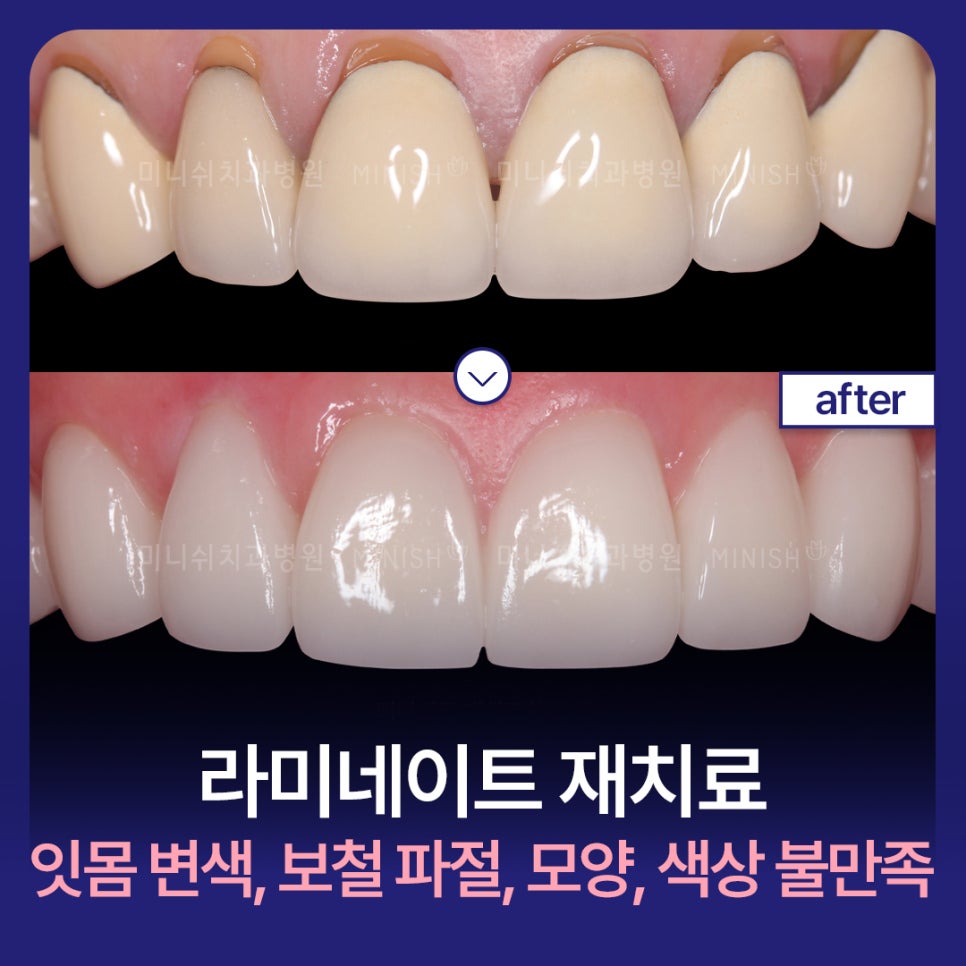
Laminates are widely used procedures for the purpose of improving the aesthetics of teeth. However, over time, problems such as weakened adhesion, discoloration, or sensitivity can occur, and retreatment is often needed as a result. In particular, even if the existing laminates are removed and new restorations are attached, the same problems are likely to recur if the underlying cause is not addressed.
This tooth restoration solution, Minish, was created to address these limitations and is based on the philosophy of “keeping natural teeth healthy for life.” It preserves natural teeth as much as possible while improving both aesthetics and function, and it is drawing attention as an effective alternative for those considering laminate retreatment.
Problems That Can Occur After Laminate Treatment
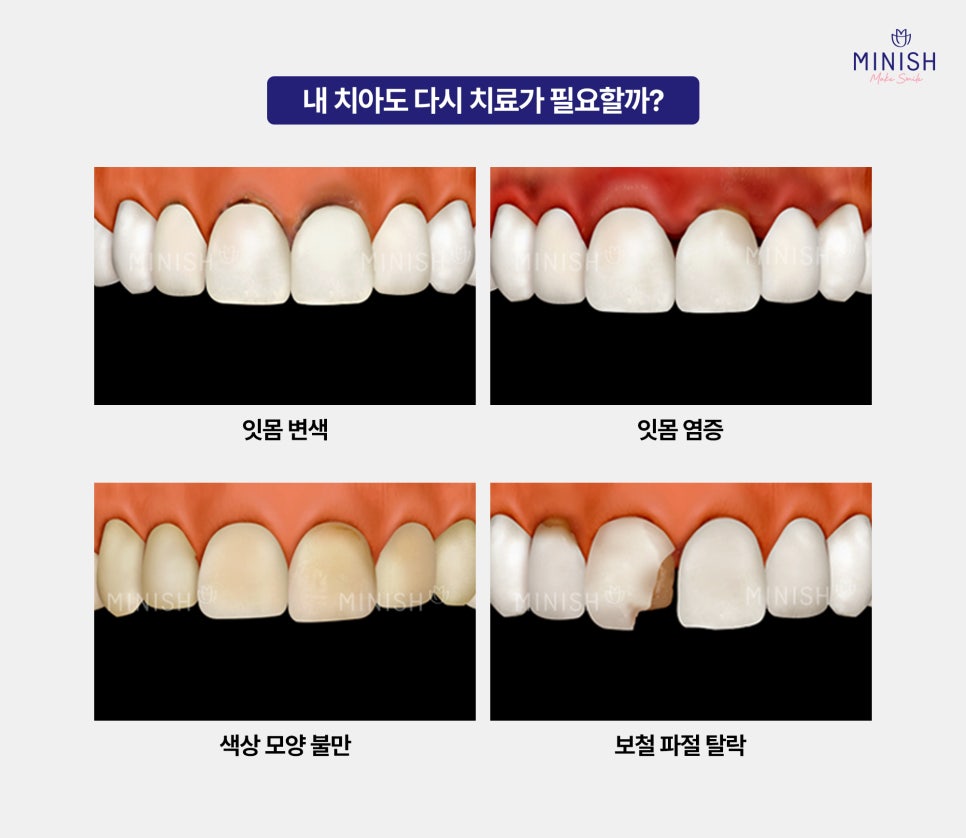
Laminates are mainly performed for aesthetic improvement. They are effective for improving color and shape by partially reducing the tooth surface and then attaching a ceramic veneer, but there are several limitations from a functional standpoint.
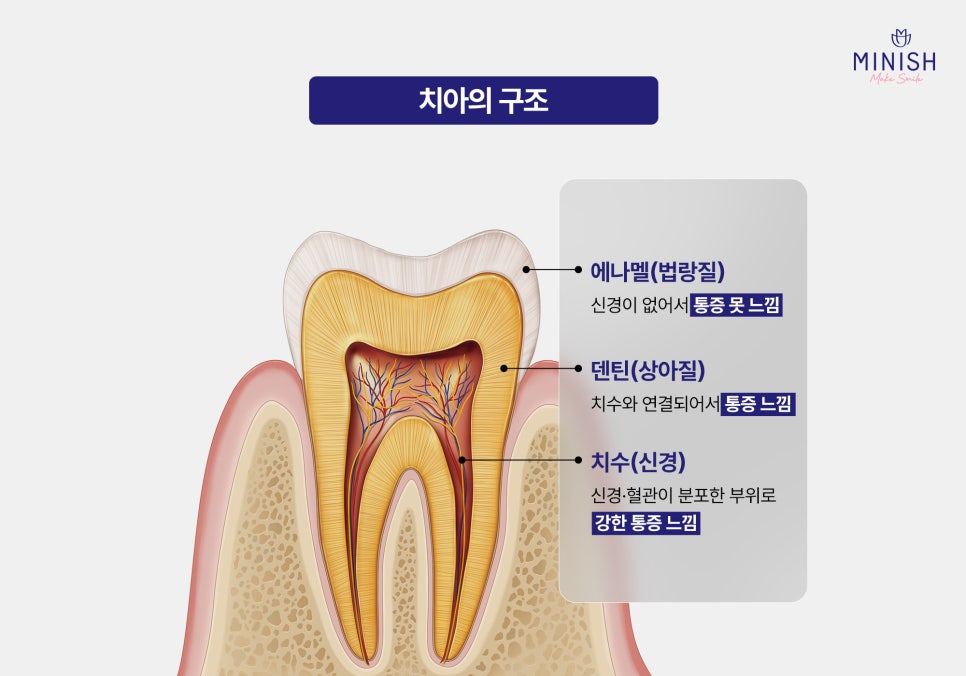 Enamel, dentin, pulp position / Tooth structure
- Weakened bonding strength
Over time, the adhesive between the laminate and the tooth can gradually weaken, creating tiny gaps. This increases the likelihood that the restoration will come off, and raises the risk of food debris or bacteria entering between the tooth and the restoration.
- Excessive tooth reduction
During the initial procedure, 0.5 to 1 mm or more of tooth structure must be removed, and in this process the enamel, which is the protective layer of the tooth, may be lost. When enamel is gone, teeth become more sensitive to external stimuli and may be affected in the long term.
- Sensitive teeth
As enamel loss exposes dentin, the inner structure of the tooth, sensitivity symptoms may appear. Teeth may respond especially strongly to temperature changes, causing discomfort when eating cold or hot foods.
- Discoloration and aesthetic issues
Over time, the adhesive used to attach the laminate may become discolored, and the laminate itself may also change color due to environmental factors.
Examples of Laminate Side Effects
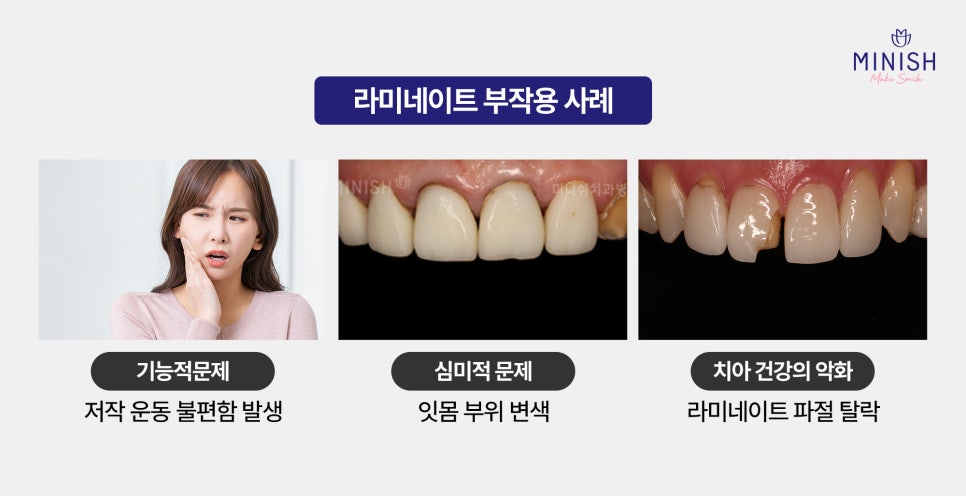
- Functional problems: chewing discomfort and bite imbalance
If the laminate restoration does not match the tooth’s original bite position accurately, discomfort may occur during chewing.
If bite imbalance continues, it may place strain on the temporomandibular joint (TMJ), or excessive force may be applied to specific teeth, increasing the risk of wear and damage.
- Aesthetic problems: appearance damage due to discoloration and breakage
Although it initially provides a natural and attractive appearance, the surface of the laminate may discolor or wear over time.
In addition, if bacteria enter the area where the gum and laminate meet, gum inflammation or cavities may develop, which can lead to gum swelling, discoloration, and a loss of appearance.
- Worsened tooth health: risk of secondary cavities and tooth damage
If the laminate is attached without fully bonding to the tooth from the start and there are tiny gaps, bacteria and food particles can easily enter between them. Over time, this can likely cause secondary cavities, and the weakened tooth structure also increases the risk of cracks or fractures. In addition, because laminates and natural teeth have different material properties, if impact is not properly distributed, the restoration may come off or be damaged.
Laminate Retreatment with the Tooth Restoration Solution Minish: The Optimal Solution
For those considering laminate retreatment, the tooth restoration solution Minish can be an effective alternative.
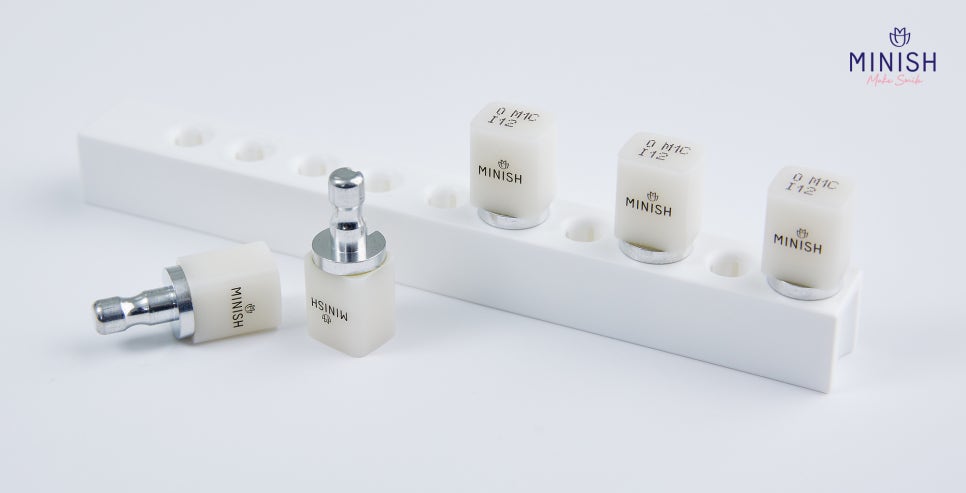
- Material properties similar to natural teeth
-
Minish performs tooth restoration using Minish blocks with material properties most similar to natural teeth.
-
With materials designed to account for tooth strength and flexibility, it is characterized by satisfying both aesthetics and function.
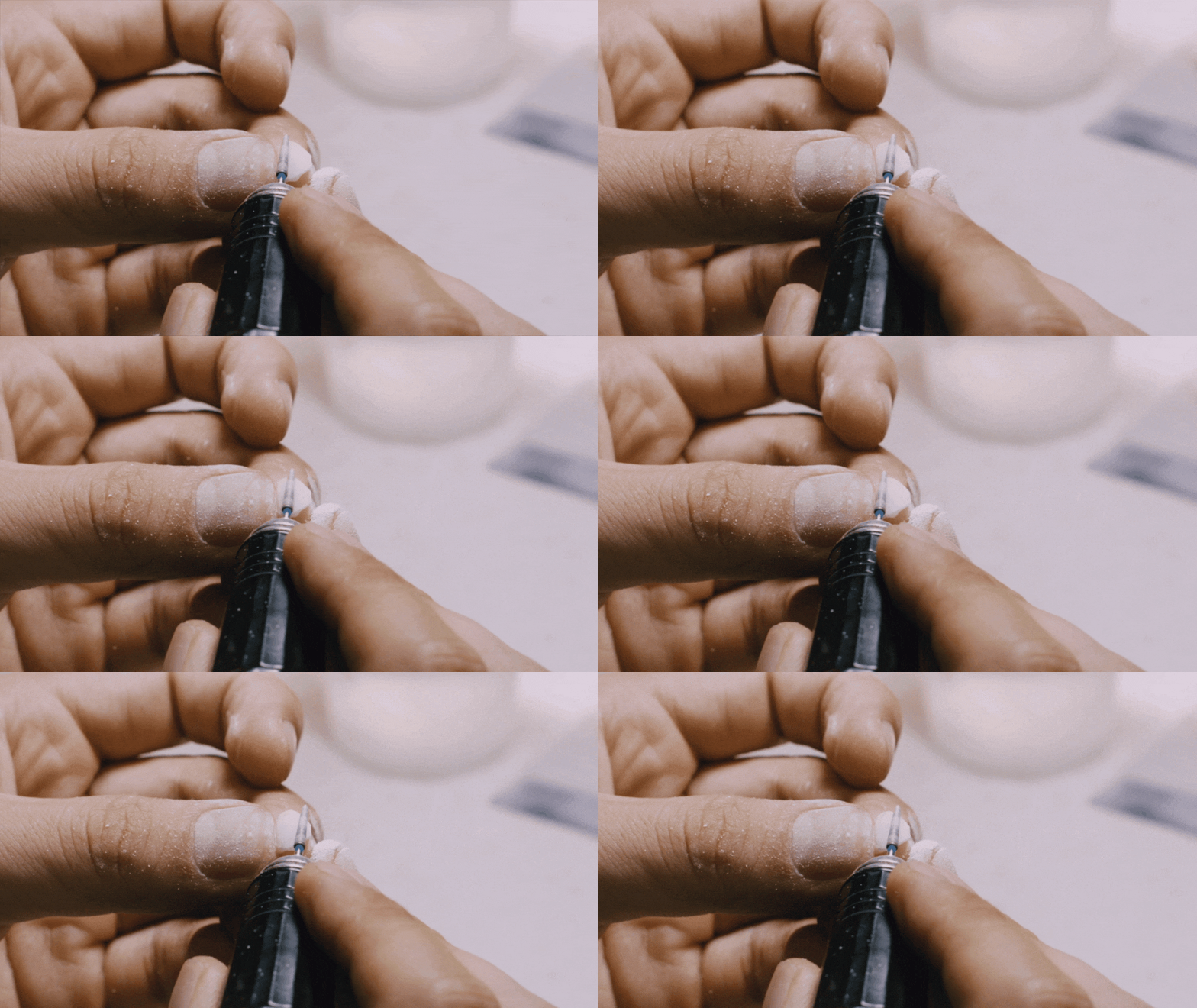
- Minimally invasive approach
-
After removing the existing laminate, the damaged enamel layer is recreated using Minish blocks.
-
Restoring the tooth to a structure similar to natural teeth helps preserve the tooth’s original strength and minimizes unnecessary tooth reduction.
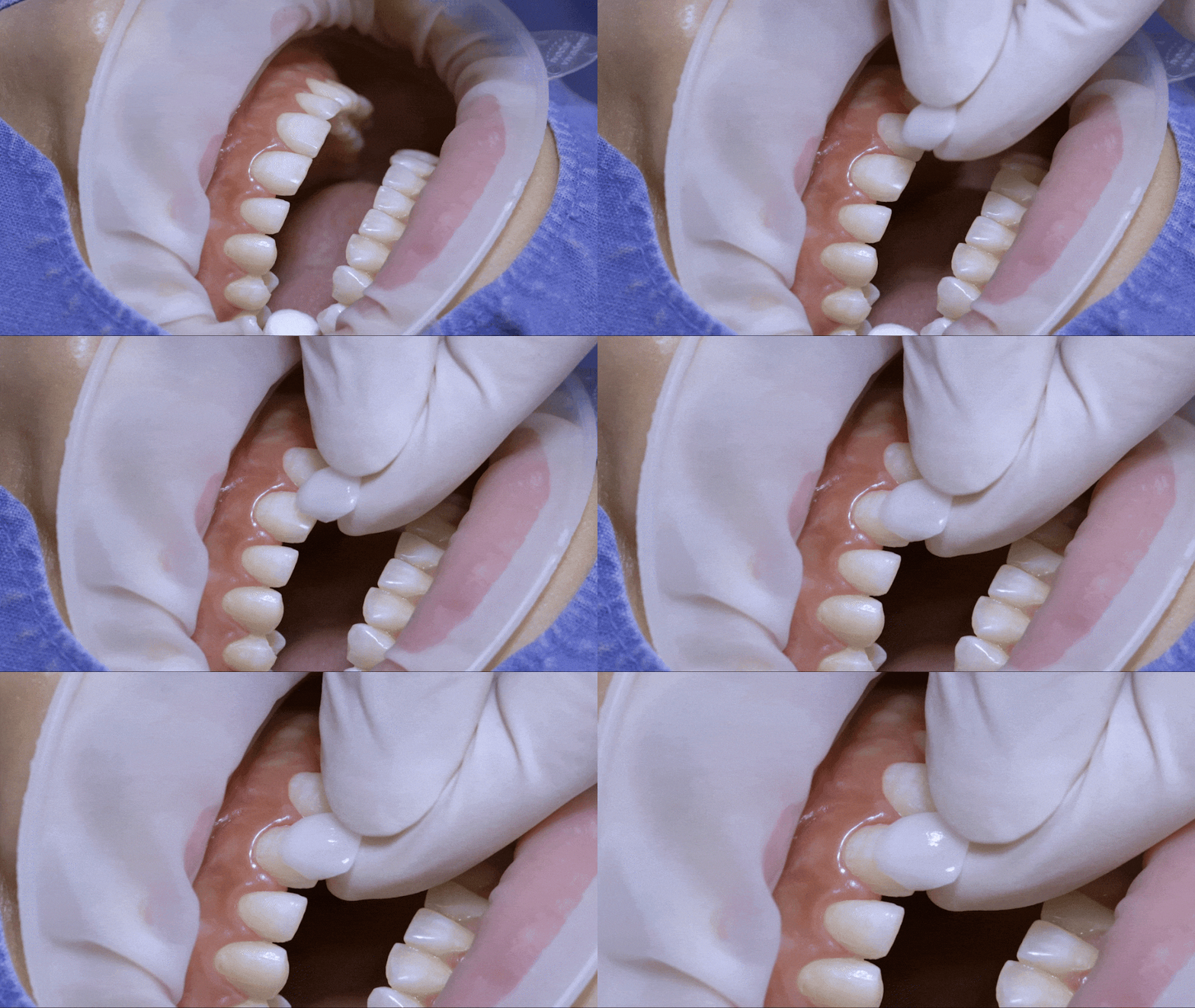
- Excellent bonding technology
-
Minish applies a marginal sealing technique to precisely bond the tooth and the Minish block.
-
The adhesive chemically bonds with the tooth, minimizing the possibility of discoloration or detachment and providing long-term stability.
-
Through this bonding technology, microscopic gaps between the Minish block and the tooth can be minimized, helping prevent bacterial invasion and secondary cavities.
Laminate Retreatment: Tooth Restoration Process with the “Tooth Restoration Solution Minish”
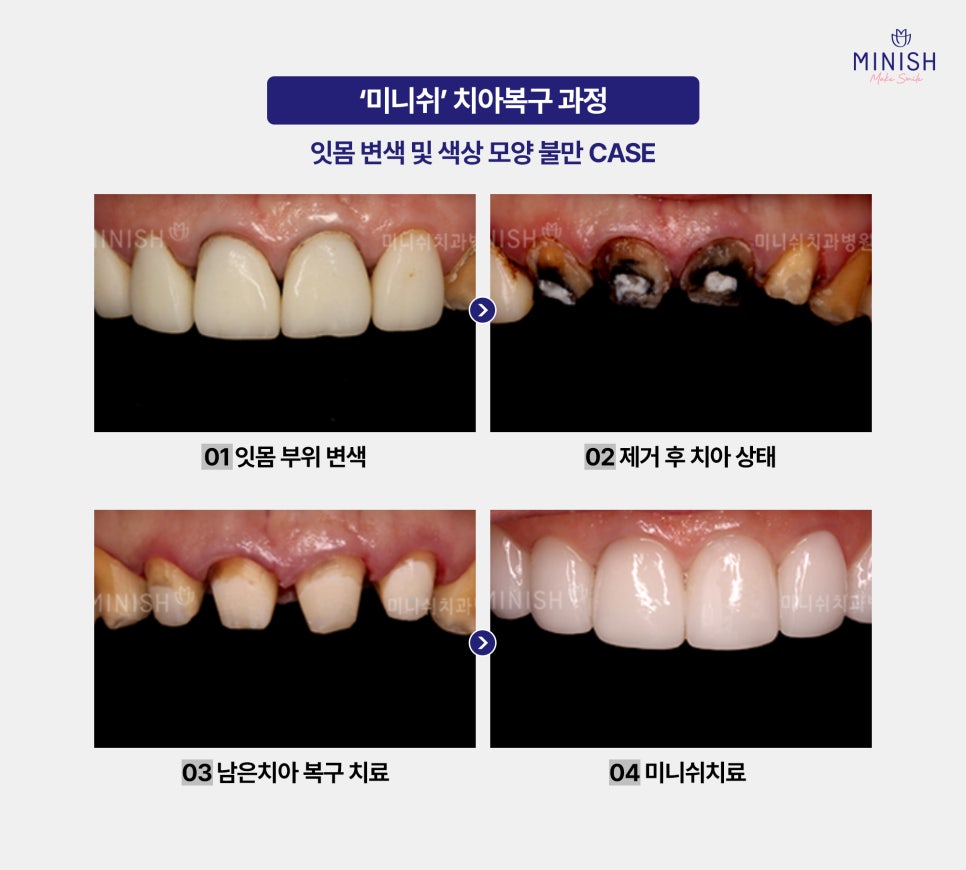
- Removal of the existing laminate
The existing laminate is carefully removed while minimizing damage to the tooth.
- Improvement and restoration of tooth condition
Before Minish restoration, any remaining tartar, cavities, and inflammation are removed.
- Precise scanning and custom design
Advanced intraoral scanners are used to collect precise tooth data.
Based on the collected data, a personalized Minish block is designed to create a natural shape and function.
- Minish fabrication and bonding
The Minish block is processed with ultra-precision to create a thin yet highly durable restoration.
Using marginal sealing technology, it is bonded so that the tooth and restoration fit together perfectly, preventing gaps and improving durability.
- Accurate bite adjustment
The bite is precisely adjusted so that the restored tooth fits naturally, optimizing both function and aesthetics.
Why Choose Minish for Laminate Retreatment
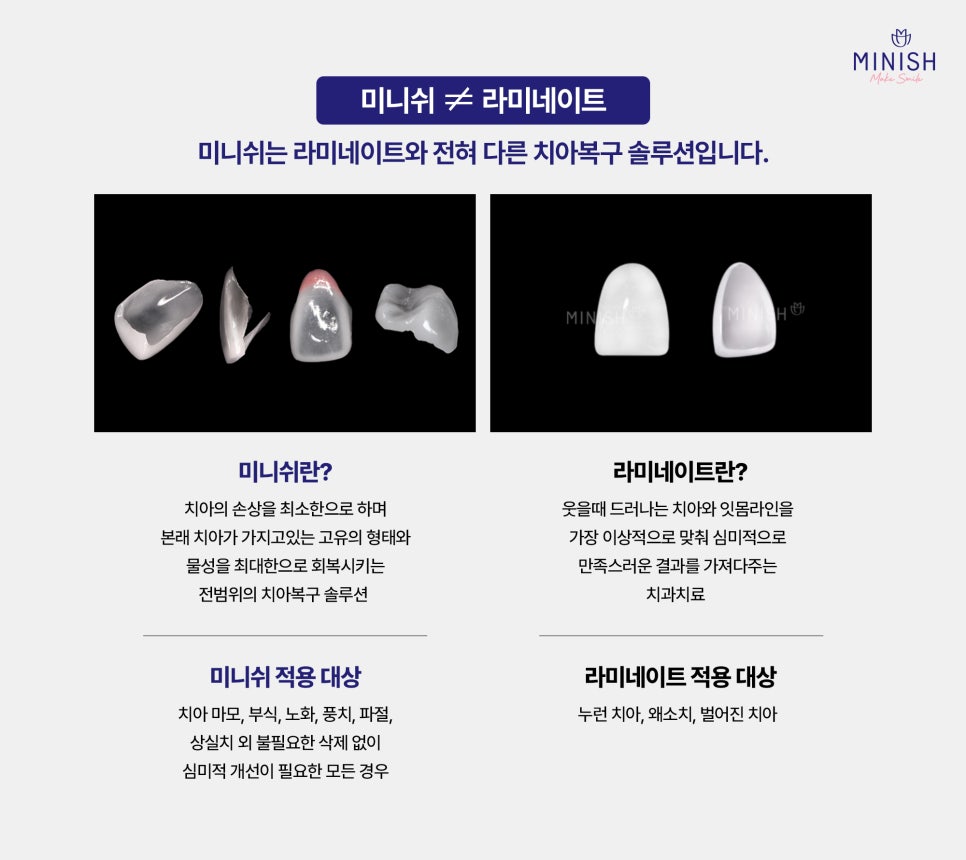
Advantages of Minish
-
Preservation of natural teeth: Minimizes enamel removal to maintain long-term tooth health.
-
Aesthetic improvement: Provides a more natural appearance by recreating color and translucency similar to natural teeth.
-
Functional recovery: Effectively distributes chewing forces and protects the teeth to restore their original function.
-
Ultra-precision processing technology: Applies marginal sealing technology to minimize gaps between the restoration and the tooth and provide stable long-term results.
Tooth Restoration Solution Minish VS Laminates
| Item | Minish | Laminates |
|---|
| Purpose | Healthy restoration of damaged teeth (function & aesthetics) | A procedure mainly for aesthetic improvement |
| Tooth reduction | Very minimal (0.1–0.2 mm, possible even without reduction) | Relatively more tooth reduction (1 mm or more) |
| Material | Uses Minish blocks with material properties similar to natural teeth | Lithium disilicate and other materials may be stronger than natural teeth, raising the possibility of wear on opposing teeth |
| Scope of application | All teeth, including front teeth and molars | Used only on front teeth for aesthetic improvement |
| Bonding technology | Marginal sealing creates a complete bond between the tooth and the restoration | Possibility of detachment due to insufficient bonding strength |
The tooth restoration solution Minish is the best choice for reducing the burden of laminate retreatment while improving both the health and aesthetics of natural teeth.
Through a minimally invasive approach, unnecessary tooth reduction can be reduced, and with excellent bonding technology, stable use over a long period is possible. If you are considering not only aesthetic results but also functional recovery of the teeth, the tooth restoration solution Minish can be an effective alternative.