
One of the smells that many people worry about most is bad breath. It may seem like a simple discomfort, but in fact, it can be an important issue that greatly affects confidence and interpersonal relationships. Bad breath is not just a temporary symptom; it can also be a sign of health problems such as bacterial growth in the mouth or periodontal disease.
So what causes bad breath? And how can it be resolved effectively? Today, we will look in detail at why bad breath occurs, how to address it, and how to prevent it.
What Causes Bad Breath?

When bad breath occurs, the first thoughts that come to mind are, “Did I not brush properly?” or “Was it because of the food I ate yesterday?” However, in reality, about 85% of bad breath is caused by bacteria in the mouth. The main causes of bad breath can be broadly divided into two types.
- Odor from the gums (about 50%)
There are countless bacteria in our mouths, and as they break down food debris, saliva, and shed cells, they produce hydrogen sulfide (H₂S). This substance is often described as smelling like rotten eggs, and the worse the gum health, the stronger the odor becomes. In particular, bad breath that occurs right after waking up in the morning or after smoking or drinking coffee falls into this category.
✔️ Solution: Maintain proper brushing habits, and use interdental brushes or dental floss to carefully clean between the teeth and along the gums.
- Odor from the tongue (about 50%)
The surface of the tongue, especially the tongue root (dorsum of the tongue), is where bacteria live most densely. As bacteria break down proteins, they generate a substance called methyl mercaptan (CH₃SH), which smells similar to rotten cabbage. The thicker the coating on the tongue becomes, the stronger the odor, and this may be a sign that there is a problem with oral health.
✔️ Solution: Use a tongue cleaner to remove the coating on the tongue, and if symptoms persist, it is best to visit a dentist for an examination.
How to Prevent Bad Breath

To reduce bad breath and maintain a healthy oral condition, proper oral care habits are essential. Here are some effective preventive methods that can be practiced in daily life.
- Proper brushing habits
Simply brushing your teeth is not enough. You need to thoroughly brush the gums, the spaces between teeth, and the gaps between teeth to effectively remove bacteria in the mouth.
Tip: It is important to brush properly at least once a day.
- Using a tongue cleaner is essential
The tongue has a structure that easily accumulates coating, making it easy for bacteria to live there. If left unattended, bad breath can worsen, so it is best to gently clean it with a dedicated tongue cleaner.
Caution: Avoid brushing the tongue with a toothbrush, as it can damage the surface of the tongue.
-
Use dental floss and interdental brushes
A toothbrush alone cannot completely clean the spaces between teeth. Using dental floss and interdental brushes can effectively remove remaining food debris and bacteria.
-
Rinse with water after meals
If brushing right after a meal is difficult, simply rinsing lightly with water or an oral rinse can help reduce bacterial growth and prevent bad breath.
-
Regular dental visits
No matter how carefully you care for your teeth, tartar will inevitably build up. As tartar increases, it becomes difficult to remove on your own, so regular dental checkups and scaling are necessary.
Recommended interval: In general: scaling once every 6 months / If your gums are weak: maintenance every 3 months
If Bad Breath Continues?
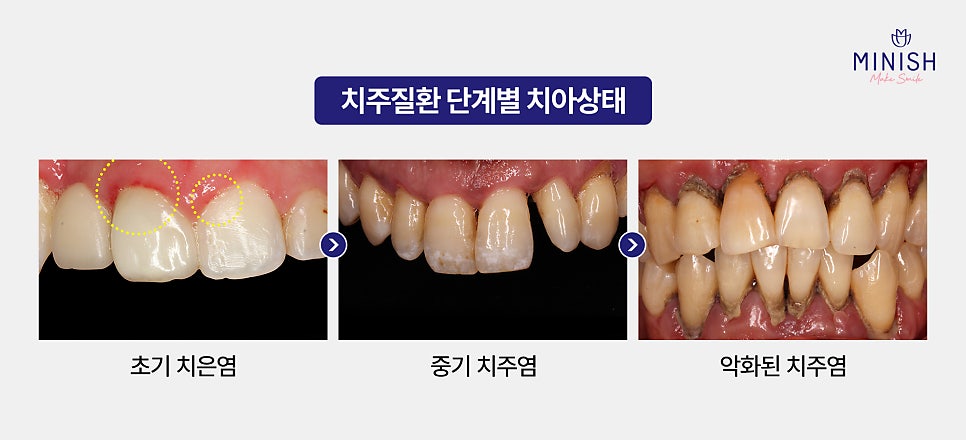
If bad breath persists, there is a high possibility that it is not just a simple oral hygiene issue but that periodontal disease is progressing. Oral bacteria harden into tartar after 24 to 48 hours, and once tartar has formed, it cannot be removed by brushing alone; professional treatment such as scaling at a dental clinic is necessary.
In particular, periodontal disease has a better prognosis when treated early, and the management method changes depending on the stage of progression. The main stages of periodontal disease are as follows.
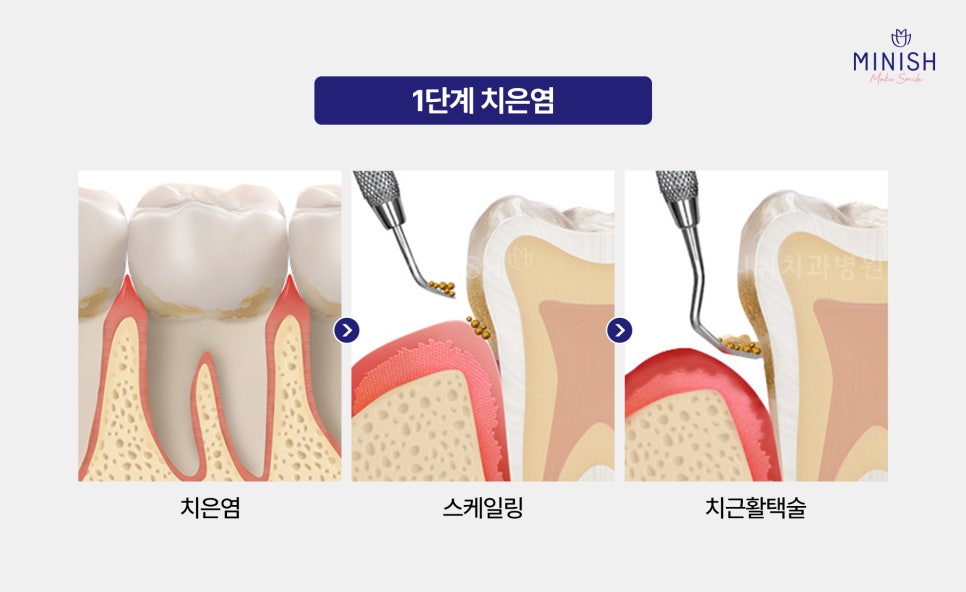
Stage 1: Gingivitis (early gum disease)
If bad breath continues, the first thing to suspect is gingivitis. Gingivitis is an early gum disease in which the gums become inflamed. At this stage, the gums may swell and turn red, and bleeding may occur when brushing or using dental floss.
However, because there is little to no pain, many people tend to ignore it.
But if this period is missed, the inflammation can spread deeper into the gum tissue and worsen into periodontitis.
✅ Treatment method
-
By removing tartar accumulated on the tooth surface and between the gums through scaling, the cause of inflammation is eliminated and recovery occurs naturally.
-
With regular oral care and preventive habits, a complete recovery is possible.
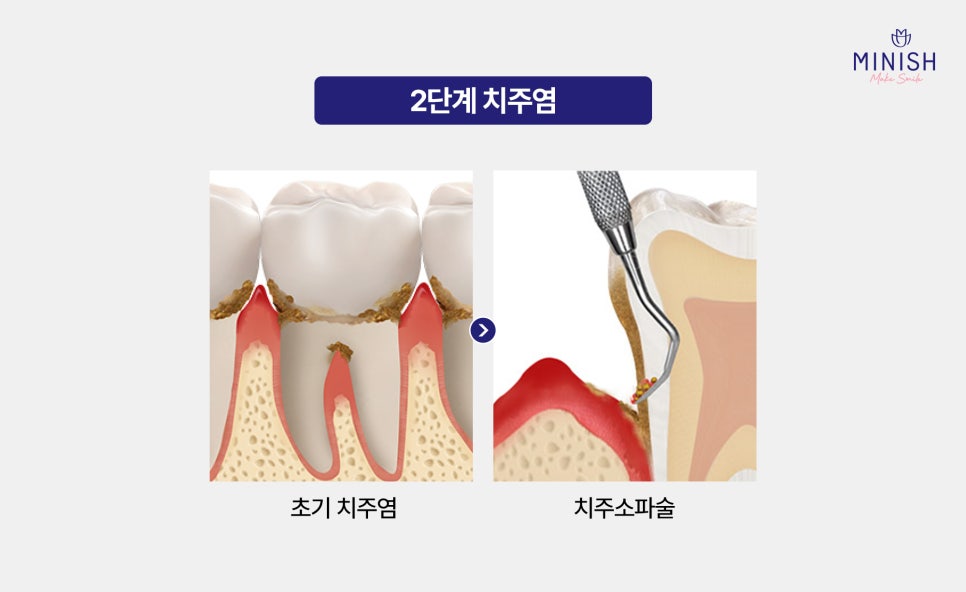
Stage 2: Periodontitis (advanced gum disease)
If gingivitis is left untreated, the inflammation gradually deepens and develops into periodontitis. At this stage, the gums swell more, and the gums gradually recede, making the teeth look longer.
In addition, as the space between the gums and teeth (the periodontal pocket) deepens, food gets stuck more often and bacterial growth becomes more active, causing bad breath to worsen. From this point on, simple oral care becomes difficult to improve the condition, and symptoms such as loose teeth may appear.
✅ Treatment method
- Because tartar has settled deep in the gums, professional dental treatment such as curettage (tartar removal) is necessary.
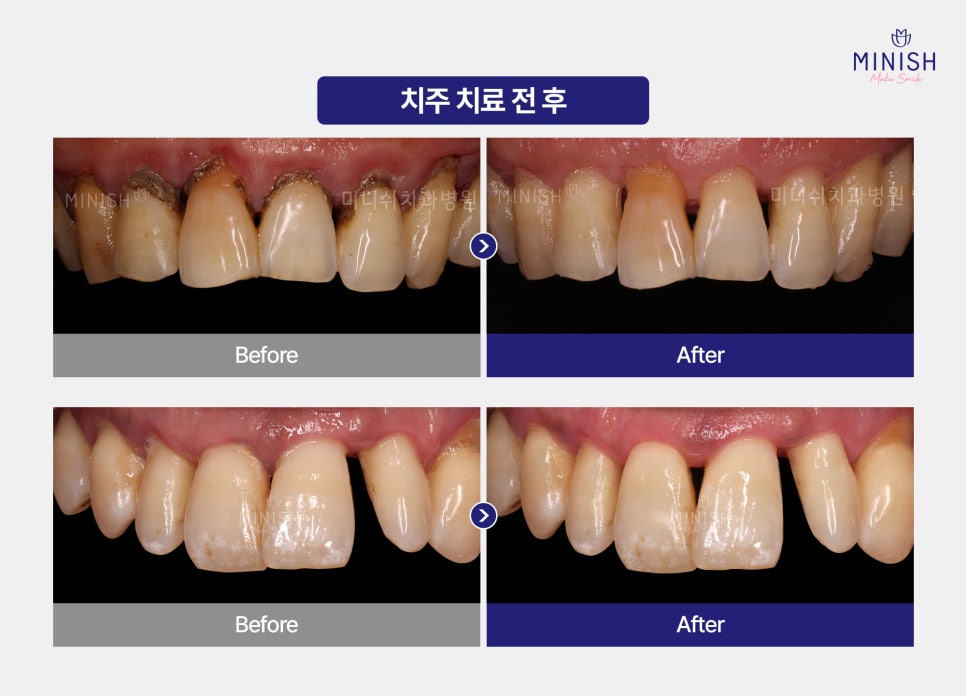
When periodontitis progresses, it is difficult to completely remove inflammation with ordinary scaling alone. Periodontal curettage is a process that removes bacteria and inflamed tissue deep in the gums. It is a treatment that helps clean the periodontal pockets and reduce inflammation.
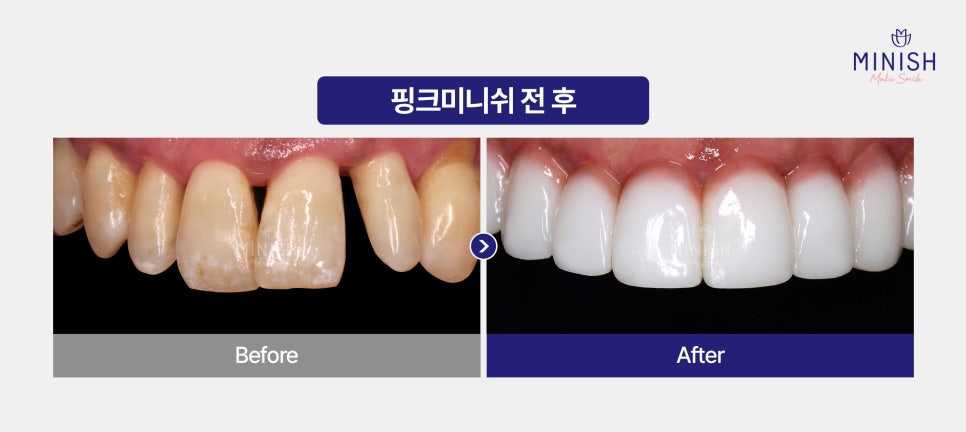
Also, if the gums have receded significantly and the teeth look longer, aesthetic recovery is difficult with simple treatment alone. In such cases, Pinkinish can be used to restore the gum line and regain a natural gum shape.
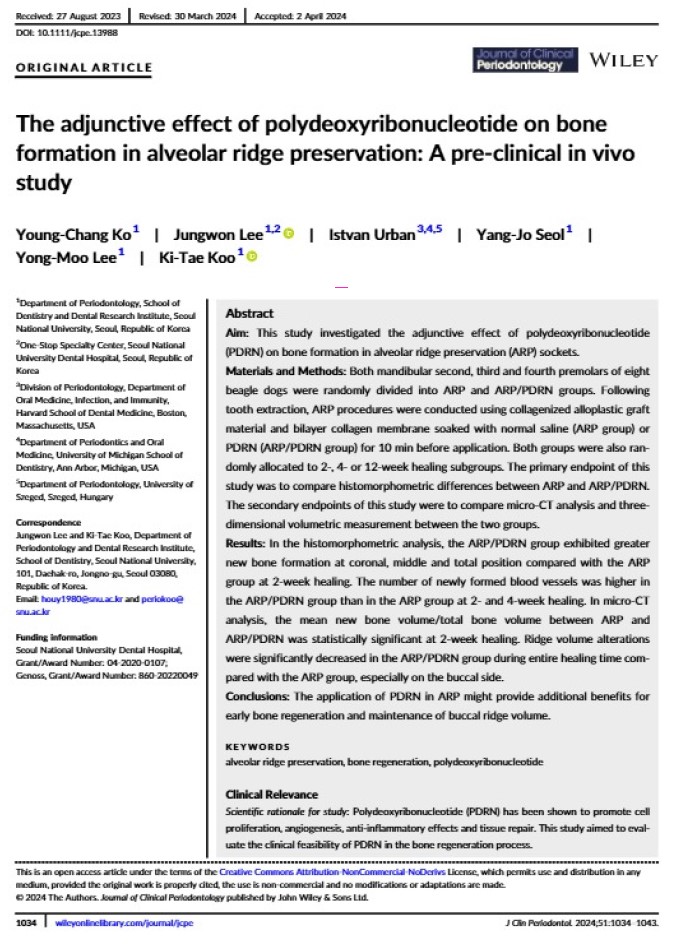 PDRN paper
Recently, PDRN (Polydeoxyribonucleotide) has been drawing attention as an innovative option in gum regeneration treatment. PDRN is a natural ingredient extracted from salmon, and it shows excellent effects in regenerating damaged gum tissue. It is also a trusted substance used in skin lifting and regenerative treatments.
In the past, it was commonly believed that gums damaged once could not regenerate, but recent studies have shown that consistent use of PDRN increases the possibility of recovery of gum tissue. Of course, immediate improvement cannot be expected from just one treatment, but a major advantage is that gradual recovery is possible through continued treatment.
Effects of PDRN
✅ Promotes gum regeneration: Restores damaged gum tissue and brings it back to a healthy state.
✅ Reduces inflammation: Relieves gum inflammation and helps prevent further damage.
✅ Long-term improvement: With consistent treatment, gum health can be continuously restored.
PDRN can be a useful option for those who want gum regeneration along with periodontal disease treatment, and it is important to create a treatment plan suited to each person’s condition through consultation with a specialist.
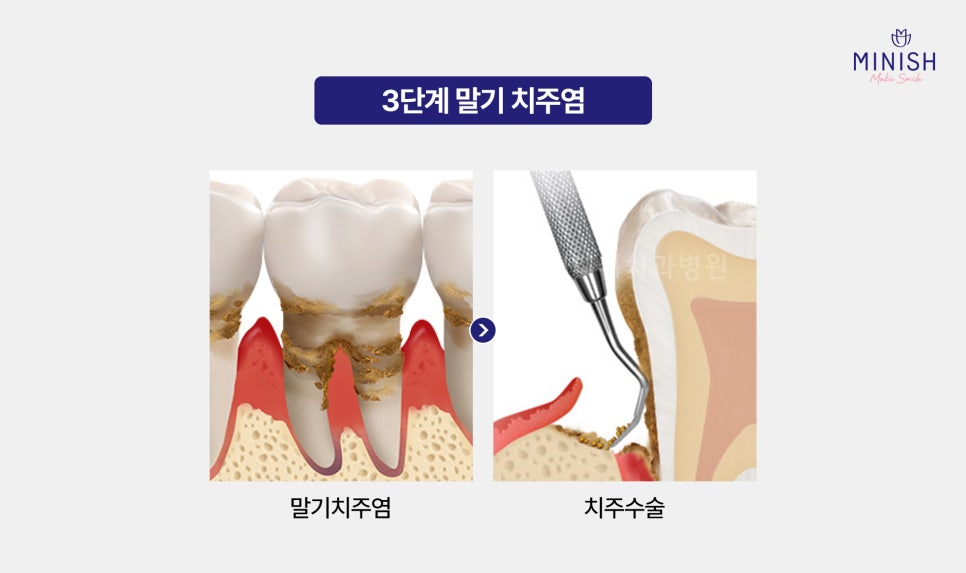
Stage 3: End-stage periodontitis (severe periodontal disease)
End-stage periodontitis is a stage in which the inflammation has spread deeply into the jawbone, causing the teeth to become severely loose, pus to come out of the gums, or extreme pain. In addition, as the gums continue to recede, the tooth roots become exposed and sensitivity becomes even worse.
At this stage, recovery is difficult with simple scaling or periodontal curettage alone, and more aggressive deep periodontal treatment is necessary.
✅ Treatment method
-
Removal of inflamed tissue: Remove damaged gum tissue to prevent the spread of inflammation.
-
Tooth stabilization: Loose teeth are stabilized using fixation devices.
-
Combined gum and bone regeneration treatment: Support tissue recovery through gum regeneration treatments such as PDRN and bone grafting.
If end-stage periodontitis is so severe that it is difficult to preserve the teeth, extraction may be unavoidable. After extraction, the following procedures should be considered.
-
Gum and bone reconstruction surgery: After tooth extraction, treatment to regenerate the gums and bone is performed to maintain a healthy oral condition.
-
Tooth replacement treatment: Missing teeth can be
restored to look like natural teeth through implants, or function and aesthetics can be recovered through alternative treatments such as a Minish bridge.
Because end-stage periodontitis carries a very high risk of tooth loss if bone loss is severe, receiving active treatment early is the most important thing.
If the gums have receded, how can you improve both aesthetics and function at the same time?
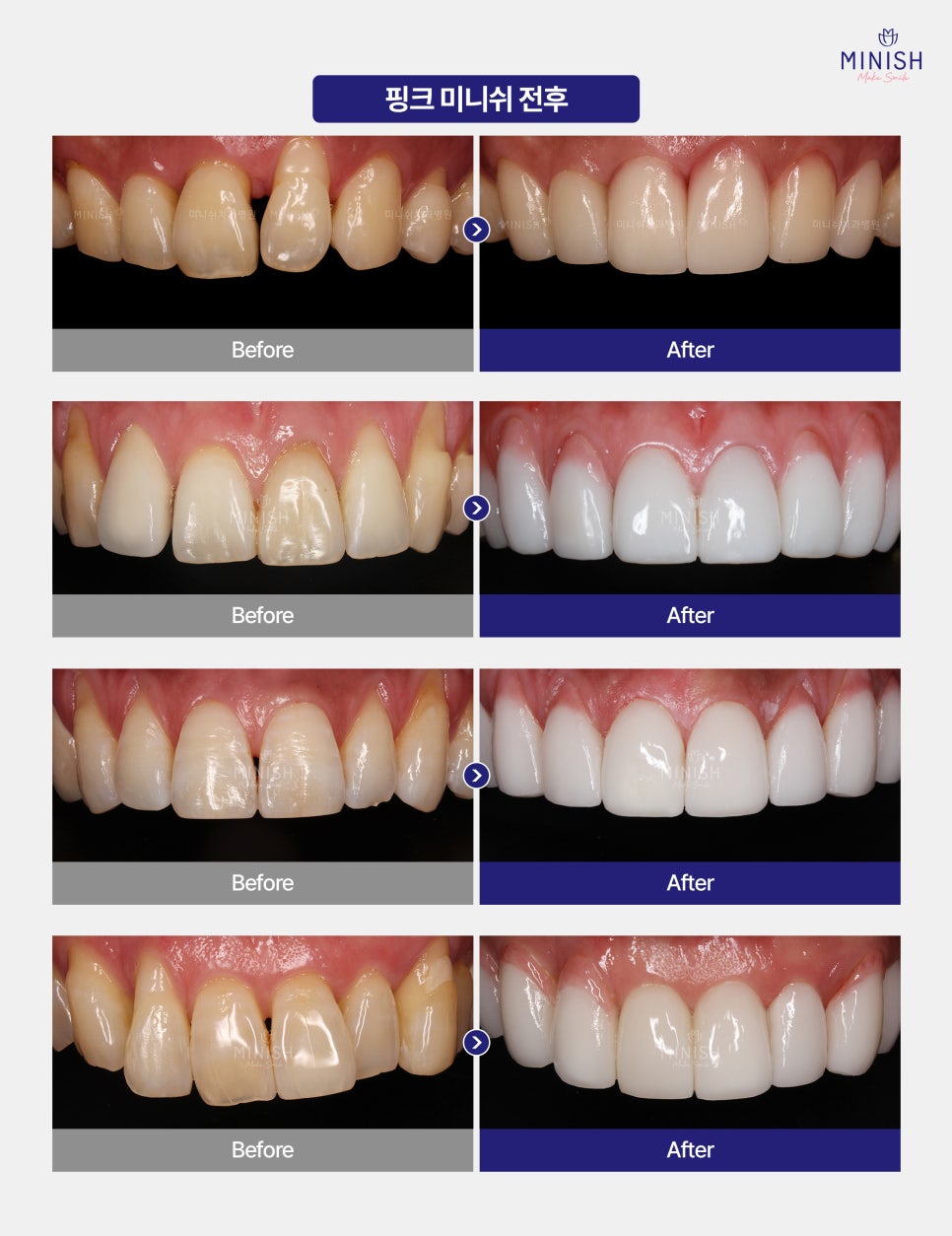
When the gums recede, it is necessary to address not only appearance issues but also functional problems such as sensitivity caused by exposed tooth roots. For this purpose, periodontal treatment can be performed first, followed by restorative methods such as Pinkinish.
-
Aesthetic improvement: Restore the gums to regain a natural tooth line
-
Functional improvement: Reduce sensitivity caused by exposed tooth roots
-
Gum protection: Prevent additional problems by maintaining healthy gums
By combining periodontal treatment with Pinkinish restoration, both aesthetics and function can be satisfied at the same time.
Periodontal disease can often be resolved with simple treatments such as scaling in the early stage, but if left untreated, it can eventually lead to tooth loss.
The cause of bad breath is highly likely to be not just a hygiene issue but a sign of periodontal disease. Therefore, regular dental checkups, proper brushing habits, and seeking professional help when needed are the most reliable ways to protect healthy gums. 😊