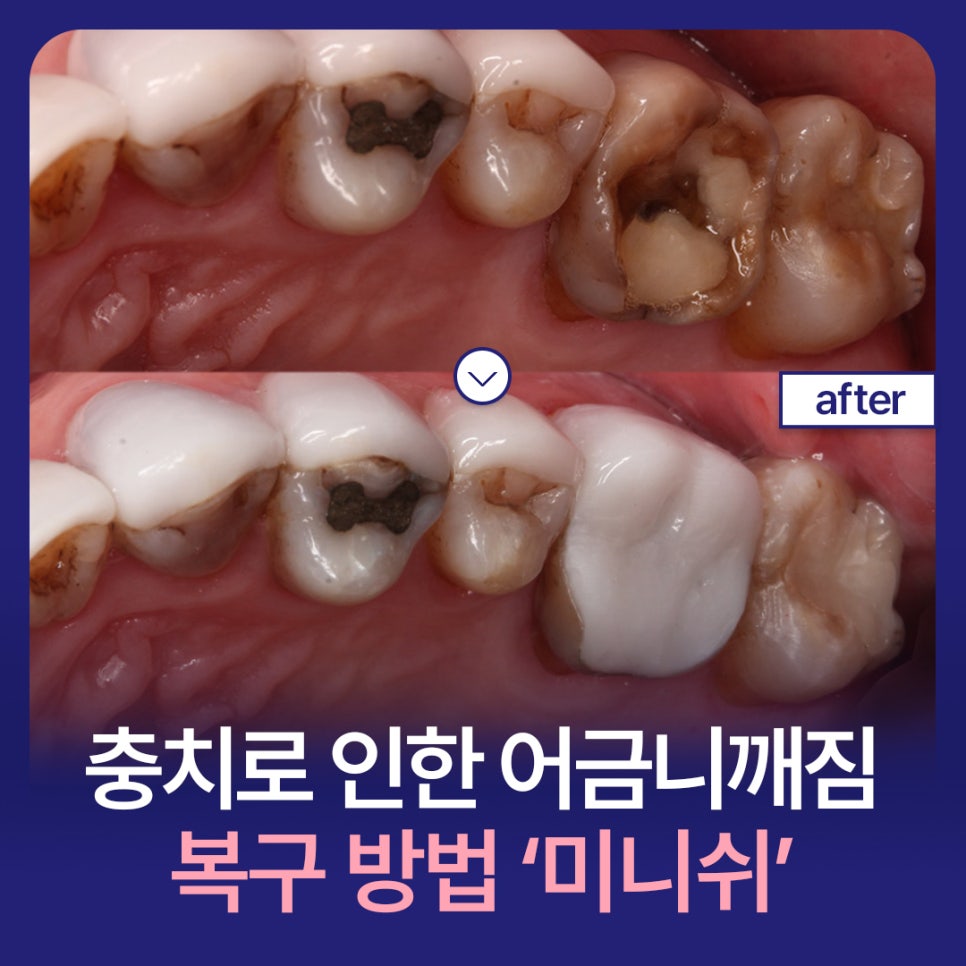
Teeth are known as one of the hardest tissues in the human body, but if cavities worsen or there is a problem with the tooth structure, they can suddenly break. The cause may not be a simple accident, but rather weakening of the tooth due to the progression of decay or tiny cracks. In this article, we will take a detailed look at why molars break due to cavities and how to treat them.
Molars Breaking Due to Cavities
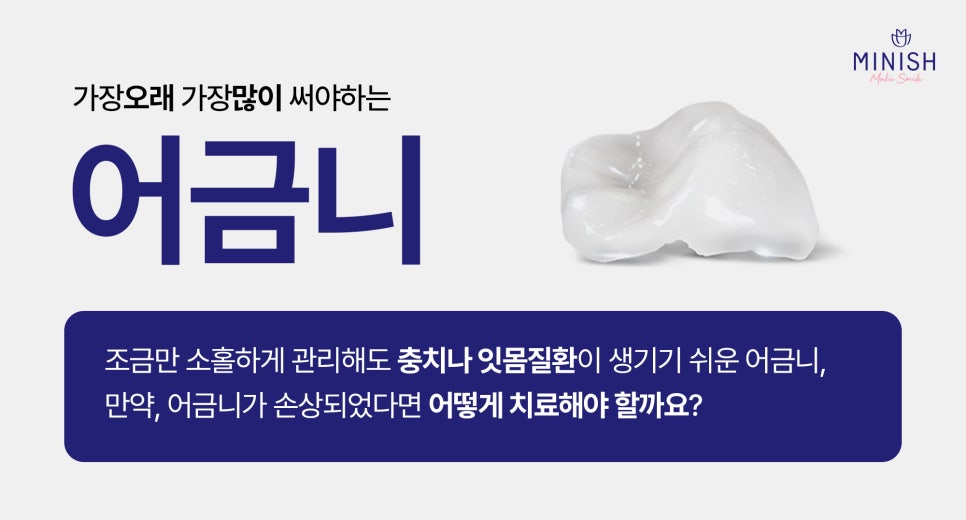
The process by which a molar breaks due to cavities has a mechanism similar to a sinkhole. A sinkhole is a phenomenon in which the ground suddenly collapses as a hollow space forms underground, and likewise, if a hollow space forms inside a tooth as decay progresses, the tooth can suddenly break.
A tooth has a three-layer structure made up of hard enamel, elastic dentin, and the pulp, where the nerves and blood vessels are concentrated. Early cavities slowly erode the outermost layer, the enamel, causing minor damage. However, once decay passes through the enamel and reaches the dentin, it spreads rapidly through microscopic tubules, and in the process, hollow spaces form inside the tooth. A tooth weakened from the inside can easily suffer a broken molar even from a small external impact.
Stages of Cavity Progression
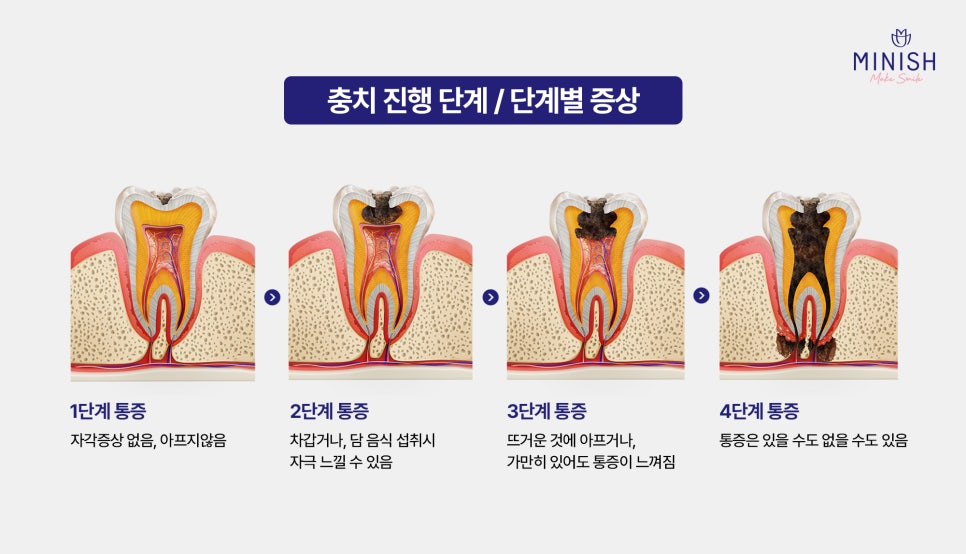
Cavities are divided into four stages depending on how far they have progressed.
-
Stage 1: Early cavities in the enamel
-
Stage 2: Cavities that have progressed to the dentin
-
Stage 3: Inflammation of the pulp (nerve)
-
Stage 4: The tooth has reached necrosis (a dead state)
If your cavity is currently at stage 2, it is very important to receive treatment before the pulp becomes inflamed. Stage 3 cavities cause severe pain, so they should be treated as soon as possible. If the cavity continues to progress, the tooth will weaken and its internal structure will be damaged, increasing the risk of a broken molar. Therefore, early detection and prompt treatment of cavities are the best preventive measures.
How to Treat Stage 2 Cavities
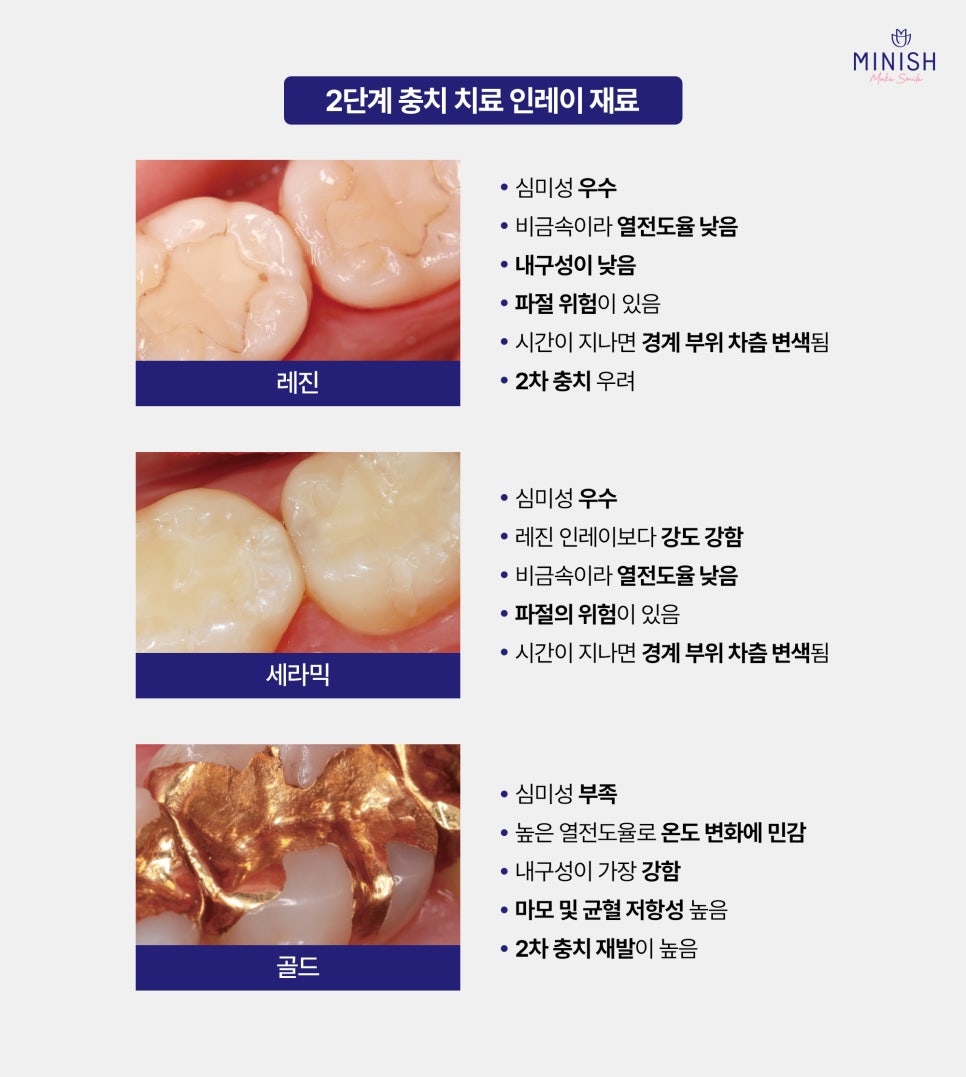
- Inlay
Stage 2 cavities have progressed to the dentin, so appropriate treatment is needed to restore the damaged tooth. For this, various materials such as resin, ceramic, and gold are used, and it is important to choose by considering the advantages and disadvantages of each.
■ Resin
-
Advantage: It has a color similar to teeth and provides a natural appearance.
-
Disadvantage: Its durability is low, so over time the edges may wear down or break. In addition, resin can shrink and expand due to its properties, creating tiny gaps that increase the risk of secondary cavities.
■ Ceramic
-
Advantage: It is highly durable and aesthetically excellent, and can maintain a color very similar to natural teeth.
-
Disadvantage: It is prone to cracking under strong force, and over time the margins may become discolored.
■ Gold
-
Advantage: It is highly durable, resistant to wear and cracks, and suitable for long-term use.
-
Disadvantage: Because of its metallic color, it is less aesthetically pleasing. It also has high thermal conductivity, so you may be sensitive to hot or cold foods. Since it is malleable, wear may progress quickly, and depending on the oral environment, shrinkage and expansion can occur, making recurrence of secondary cavities possible.
- Tooth Restoration Solution Minishe
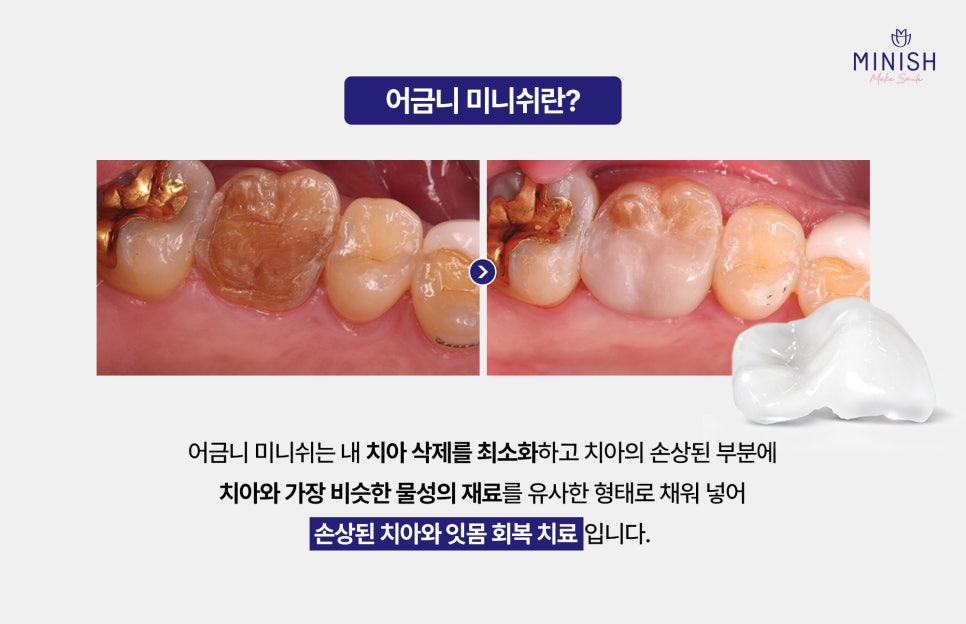
Minishe is a tooth restoration solution developed based on the philosophy of “using my own teeth healthily for life,” with a focus on restoring the structure and function of natural teeth as much as possible.
-
After removing the cavity, the damaged dentin is filled with resin that has properties similar to dentin.
-
The outer surface of the tooth, the enamel, is restored with Minishe blocks, which have properties most similar to enamel.
The reason for this restoration method is that the outer enamel and inner dentin of the tooth must work in harmony for the tooth structure to remain stable. By reproducing properties similar to natural teeth, it allows the tooth to respond appropriately to external stimulation and efficiently distribute chewing force and impact, helping the tooth stay healthier and last longer.
Advantages of the Tooth Restoration Solution Minishe
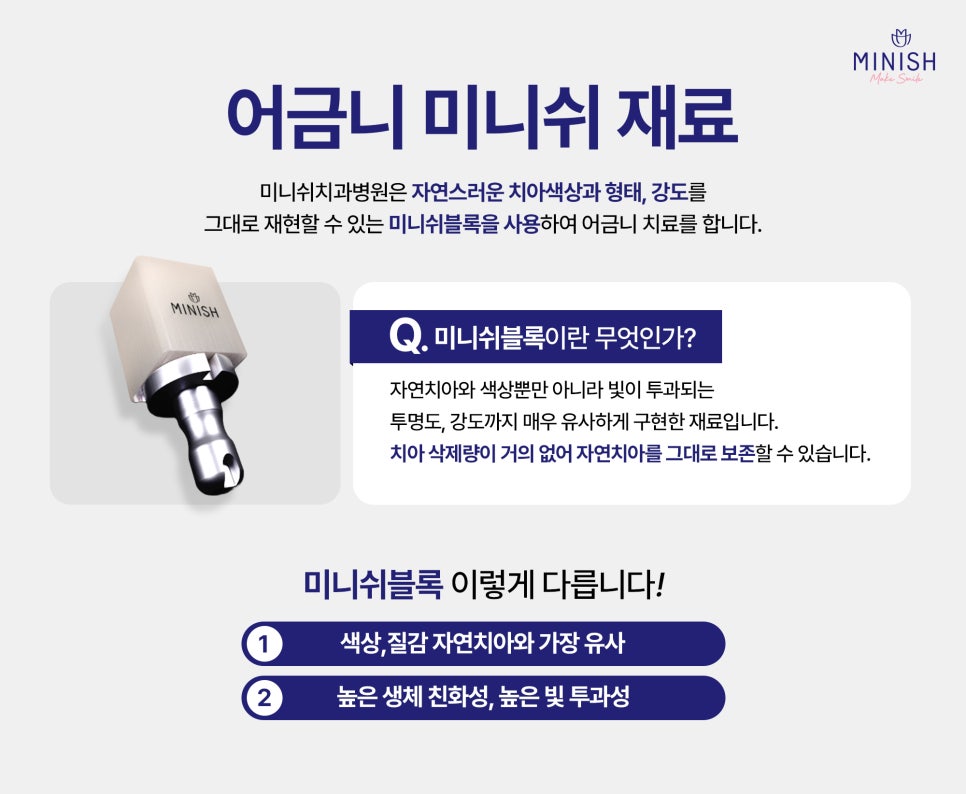
| Technology | Effect |
|---|
| Ultra-precision processing technology | Minimizes unnecessary tooth reduction ▶ Preserves natural teeth |
| Precision bonding technology | Reduces the risk of edge wear and cracking; prevents gaps between the tooth and the restoration ▶ Blocks bacterial infiltration |
| Secondary cavity prevention design | Reduces the likelihood of cavity recurrence ▶ Maintains healthy teeth over the long term |
| Aesthetics and functionality | Provides an appearance and properties similar to natural teeth ▶ Comfortable use and aesthetic satisfaction |
Minishe is a restoration solution that applies ultra-precision processing technology to minimize unnecessary tooth reduction while effectively protecting the tooth. By using precise technology, it reduces the risk of edge wear and cracking and minimizes gaps between the tooth and the restoration, lowering the chance of secondary cavities caused by bacterial infiltration. Through this design, the tooth structure can be maintained more stably, and for those who want to preserve their natural teeth for a long time, the tooth restoration solution Minishe can be an optimal choice.
Root Canal Treatment and Subsequent Treatment Options
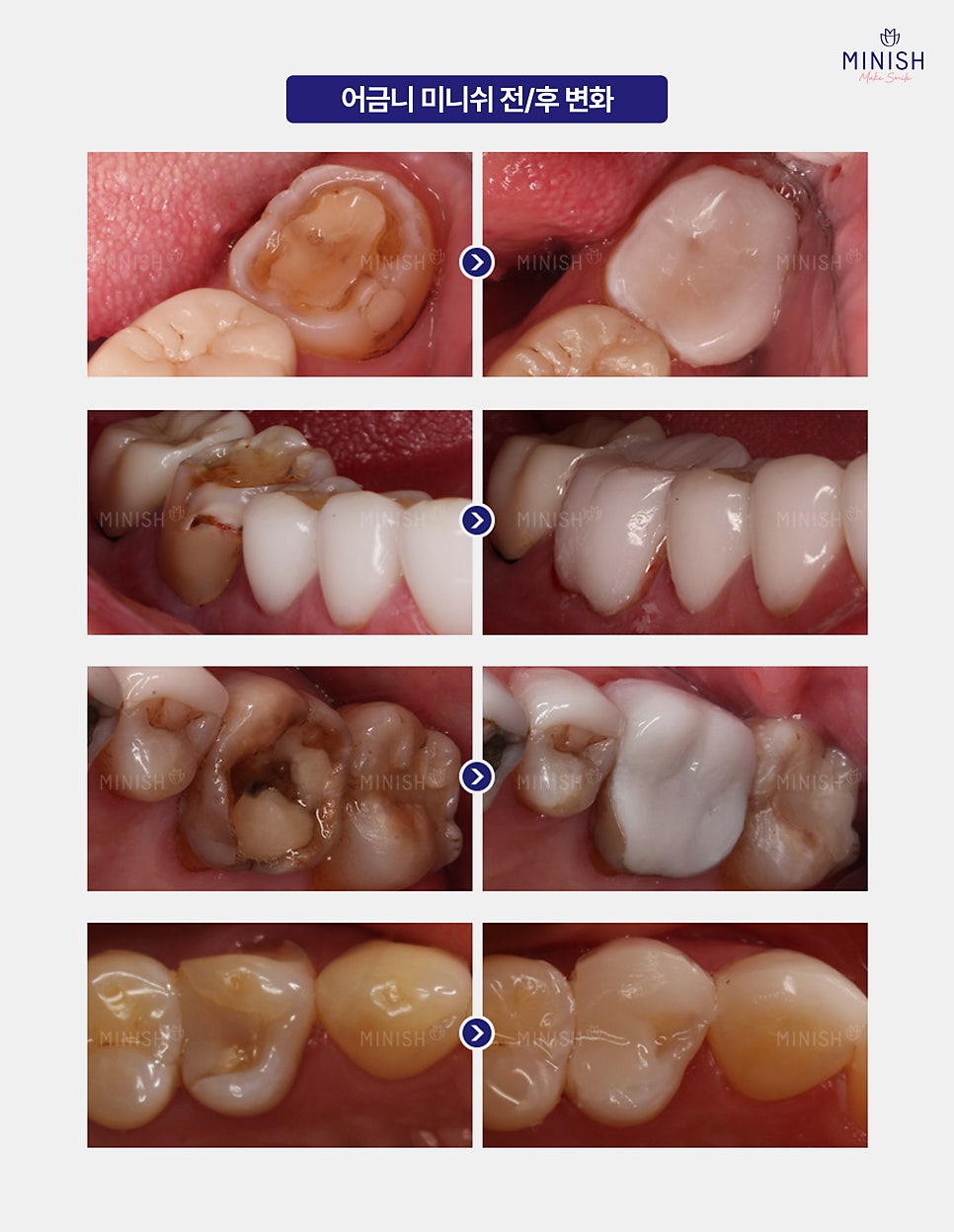
If cavities have progressed to stage 3 and treatment is not received, the nerve may die completely, and the pain may temporarily disappear. However, this does not mean the tooth has recovered; it means the decay has progressed deep inside the tooth. If left untreated, the decay can infect the tooth root, eventually making the tooth impossible to save and leaving extraction unavoidable.
If extraction is necessary, you must then choose a replacement treatment such as a Minishe bridge or an implant. However, the earlier cavities are treated, the higher the chance of preserving the tooth, and the more additional costs and complex procedures can be reduced.
Prevention and early treatment are the best ways to protect dental health!