You may have experienced a sudden sensation of tooth sensitivity at least once when drinking a cold beverage or eating fruit. This symptom is easy to dismiss as simple sensitivity, but if it happens repeatedly, it may be cervical abrasion. As the area where the tooth meets the gum gradually wears down, it becomes sensitive, and in severe cases, it can even affect chewing force. Therefore, it is important not to ignore sensitivity symptoms and to understand the cause and how to manage them properly.
What is cervical abrasion?
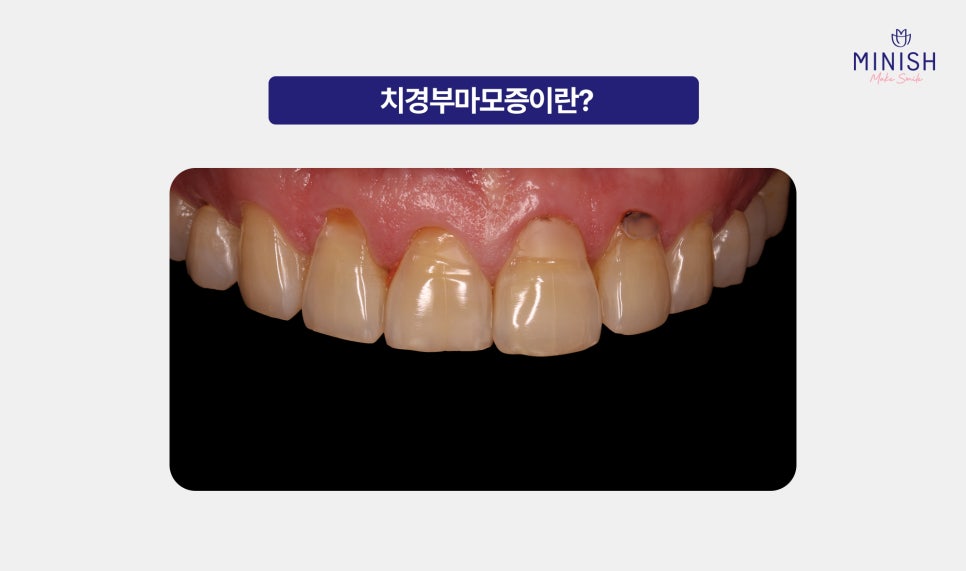
Cervical abrasion refers to a condition in which the boundary area where the tooth meets the gum becomes worn or notched. This area has a thin structure and reacts sensitively even to small刺激. Sensitivity symptoms may appear, and outwardly, the teeth may look longer or the gum line may appear uneven. The worn area may also look dark, appearing black like tooth decay.
What causes cervical abrasion?
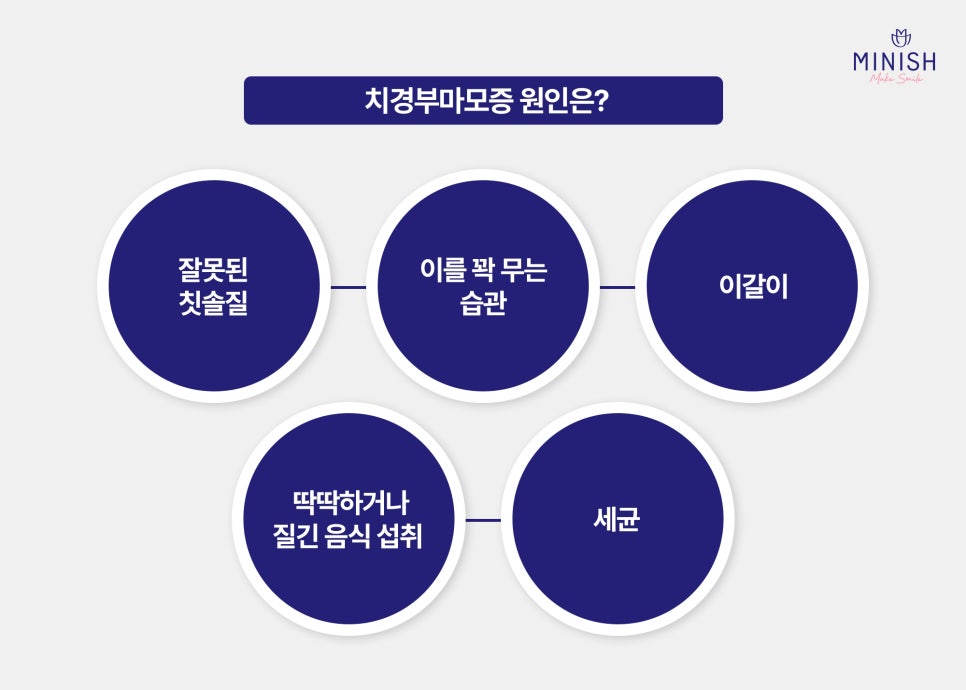
Cervical abrasion occurs due to a variety of factors. The most common cause is incorrect brushing habits. Brushing with too much pressure or using hard bristles can damage the tooth surface and lead to wear. In addition, clenching or grinding your teeth can place significant pressure on the cervical area and accelerate abrasion. Frequently chewing hard or tough foods can also cause repeated friction and impact at the tooth boundary, leading to damage. Beyond lifestyle habits, it can also occur when tooth decay, plaque, or tartar buildup is involved. This is because bacteria and food debris accumulated in certain areas corrode the tooth surface, gradually wearing the tooth down. It appears more easily in frequently used areas such as the front teeth or the lower front teeth. When this process repeats, a sensitive feeling may occur when drinking cold beverages or eating fruit, and you may even feel as though the teeth look longer when smiling or speaking. It may start as a small discomfort at first, but as sensitivity gradually increases, it can become a frequent inconvenience in daily life.
Why cervical abrasion should not be ignored
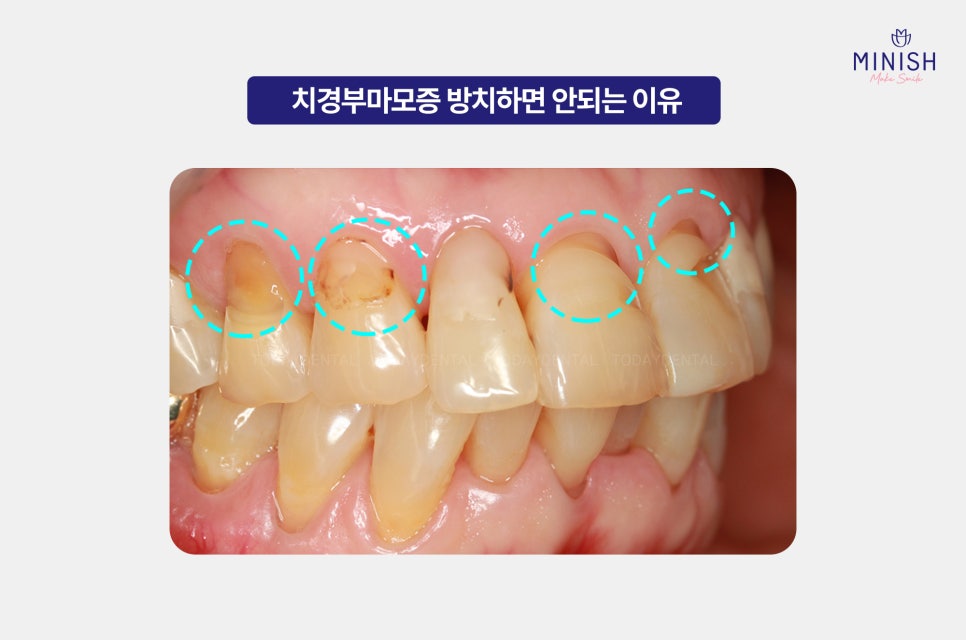
If cervical abrasion is left untreated, sensitivity can worsen over time, and problems such as notching of the tooth or exposure of the tooth root may progress. Food and bacteria can easily accumulate in the worn area, increasing the likelihood of tooth decay. In addition, once the tooth root is exposed, even regular brushing, cold water, or sweet foods can trigger sensitivity, causing frequent discomfort in daily life. As time passes, the wear on the tooth continues and may affect chewing force or bite alignment. As the gums recede, the teeth may appear longer, and the gum line may look uneven when smiling, leading to less favorable aesthetic changes. In severe cases, the tooth structure may weaken, increasing the risk of breaking or chipping from even minor impact. As such, cervical abrasion is not something that ends with simple sensitivity; it affects both overall dental health and aesthetics, so it is very important to identify the cause and manage it early.
What are the treatment methods for cervical abrasion?
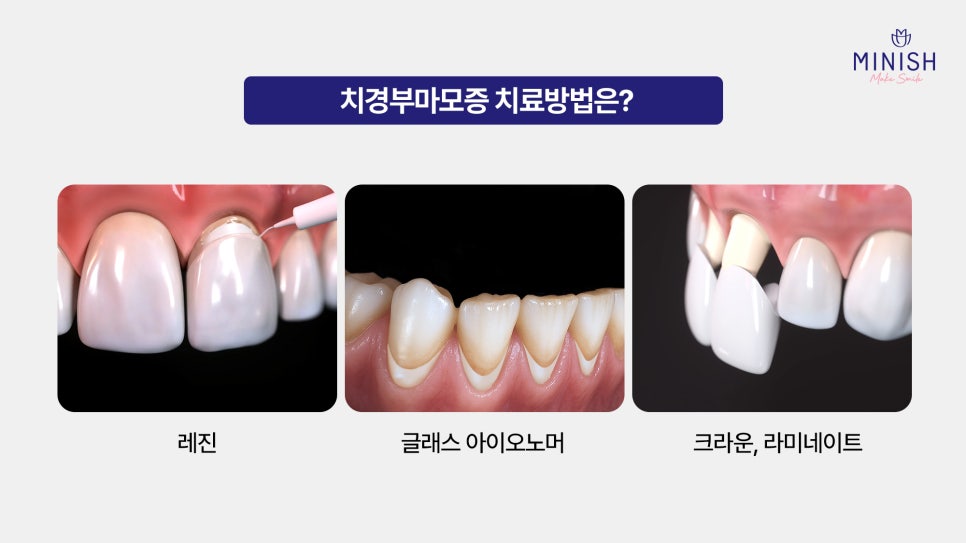
The worn area can be covered with tooth-colored resin to protect it from external stimuli. The procedure is relatively simple and can be applied quickly, making it suitable even for minor tooth defects. However, if the wear is severe, it has limitations in providing sufficient protection. Because of the material’s properties, resin is thin and vulnerable to impact, so it may come off easily over time and can also discolor, requiring long-term maintenance.
Unlike resin, it is covered by insurance, so the cost burden is lower, and it chemically bonds to the tooth surface, providing high stability. It can be applied quickly when cervical abrasion is relatively mild, so it is commonly used recently. However, due to the nature of the material, its color may appear too white compared with the tooth, making it look unnatural once applied. In addition, if the worn area is wide or the gum damage is severe, it may not provide sufficient protection and has limitations in fully resolving severe sensitivity or functional problems.
When the damage is severe, both tooth shape and function can be improved together. Relief from sensitivity, functional stability, and improved aesthetics can all be expected at the same time. However, this process requires significant removal of healthy natural tooth structure to reinforce the damaged area, and the original tooth structure may be altered. It also requires post-treatment care and has the drawback of being expensive. If a large amount of tooth structure is removed, sensitivity may become worse, or root canal treatment may be needed.
It is important to choose the appropriate treatment based on the degree of wear and the condition of the teeth. By considering the pros and cons of each method, you should decide on a treatment that can restore tooth protection and function while maintaining aesthetic harmony. However, these treatments focus on reinforcing damaged teeth, and it is difficult to restore already receded gums to their original state. Therefore, early management and prevention are especially important.
Pink Minishe, which can also improve the gums
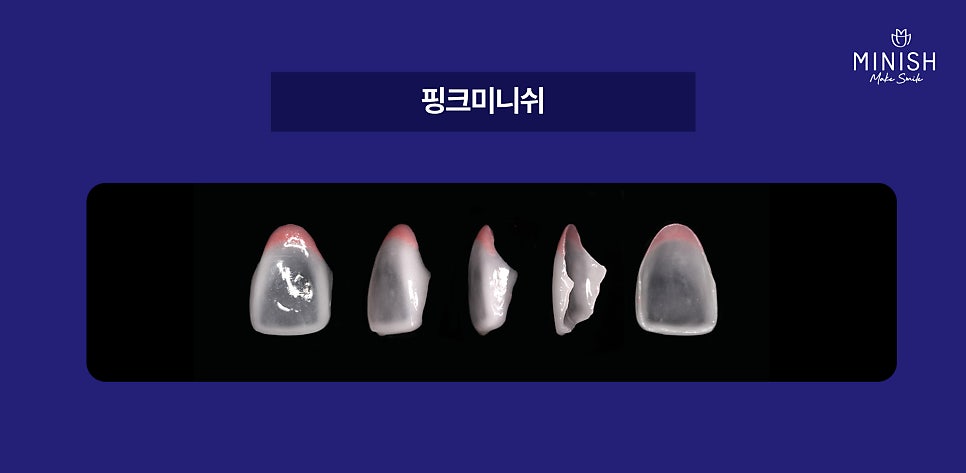
Pink Minishe is a tooth restoration solution that can improve both the teeth and gums when the gums have receded. It is designed to naturally restore the boundary area between the teeth and gums, allowing not only relief from sensitivity and tooth protection, but also harmonious restoration of the gum line. Above all, it makes it possible to precisely restore tooth shape and color while minimizing unnecessary removal of tooth structure. In addition, Minishe restores the structure and function of the original tooth based on biomimetic theory, using Minishe Blocks, a material closest to natural teeth, and ultra-precise processing technology with advanced equipment, resulting in high durability and stable long-term outcomes. Aesthetically, the boundary with the natural tooth is barely noticeable, so the smile line is restored in a much healthier and more beautiful way. Furthermore, with a design that considers both tooth function and gum balance, it enables comprehensive restoration beyond simple prosthetics.
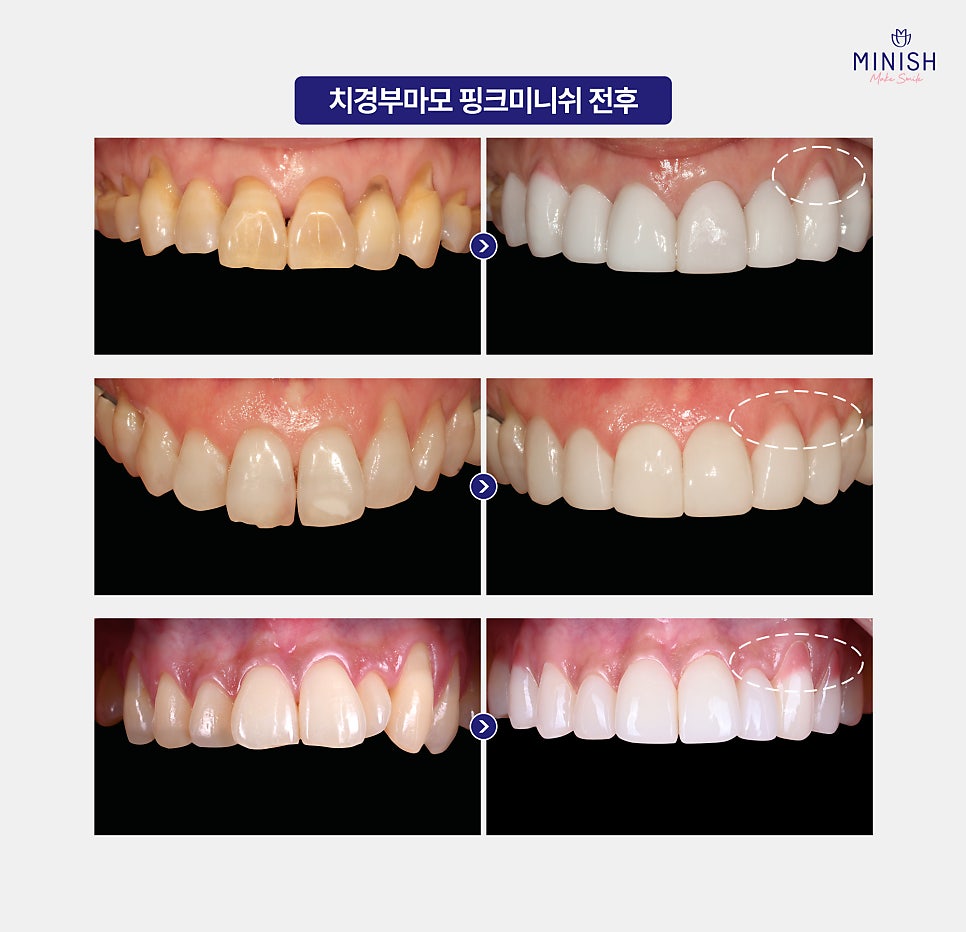
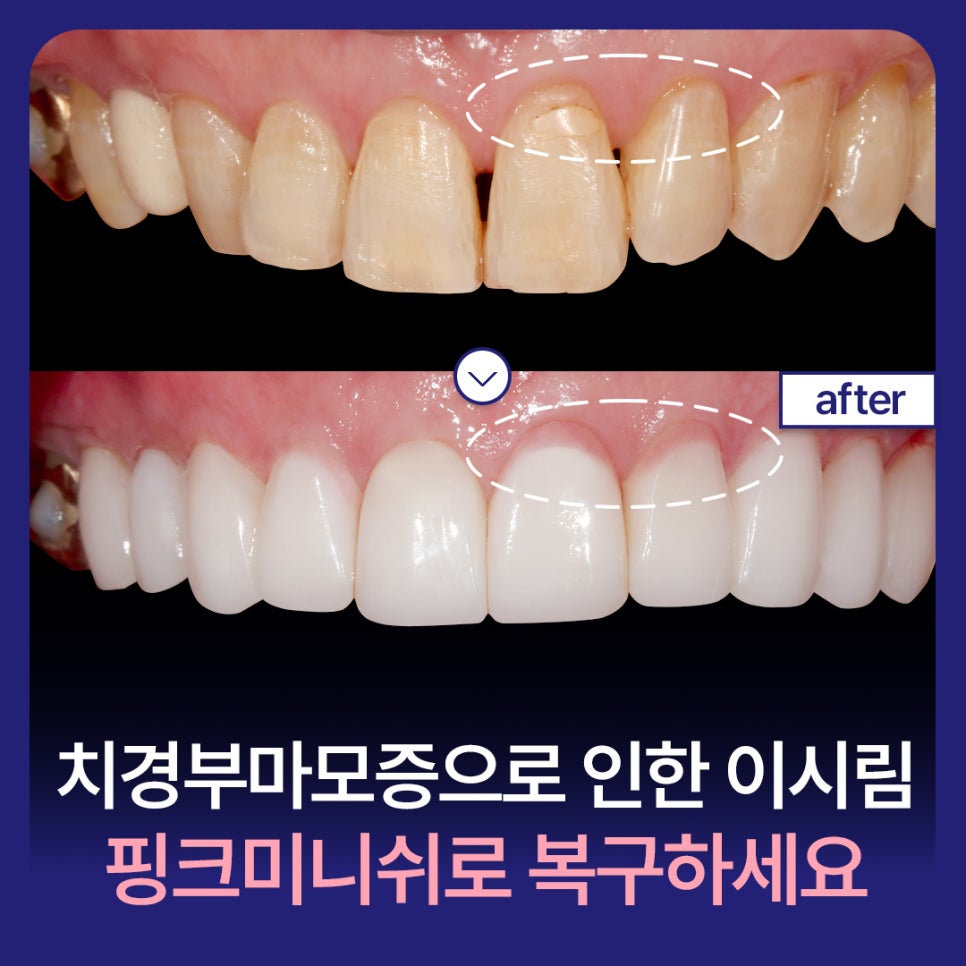
This is what receded gums and exposed tooth roots caused by cervical abrasion look like after being restored with Pink Minishe.
Cervical abrasion is more than just simple sensitivity; it is a problem that affects the overall health of both the teeth and gums. Management suited to the cause and appropriate response are necessary, and restoration that also considers the gum line can be the answer with Pink Minishe. We hope you can regain healthy teeth and gums with Minishe.