
Even though many people brush their teeth carefully two or three times a day, there are still quite a few who visit the dentist because of cavities or gum problems. A common question is, “I brush diligently, so why am I still having problems?” The reason is simpler than you might think. Brushing alone makes it difficult to fully care for the spaces between teeth. Food debris and plaque left between teeth are not easy to see, but they are major causes of oral problems. That is why flossing and using interdental brushes along with toothbrushing are considered important.
Why you should use dental floss
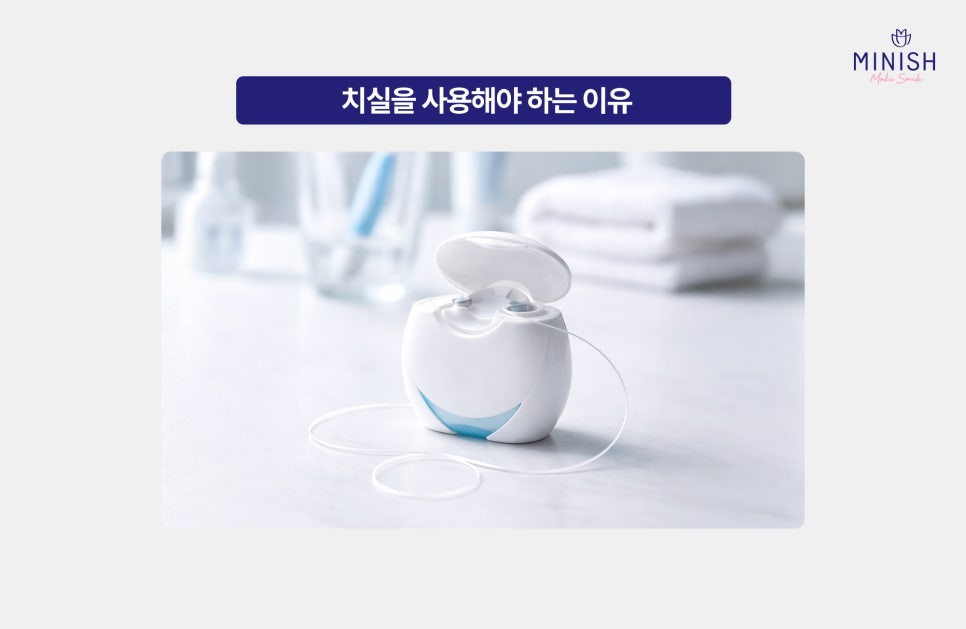
Cavities and gum disease can easily develop not only on the surface of the teeth, but also between the teeth. However, regular toothbrushes have difficulty reaching deep into the spaces between teeth because of their structure. In such cases, using dental floss helps remove plaque and food debris from areas the toothbrush cannot reach. Consistent flossing not only helps prevent cavities between teeth, but also plays a positive role in reducing gum inflammation. In particular, it is effective at preventing problems that progress quietly between teeth even when there are no visible signs.
How to use dental floss properly

How you use dental floss is just as important as using it at all. If used incorrectly, its effectiveness may be reduced.
-
Prepare about 40–45 cm of floss.
-
Wrap the floss around the middle fingers of both hands and leave about 4–5 cm in the middle for use.
-
Gently insert the floss between the teeth, being careful not to poke the gums.
-
Wrap it in a C-shape along the side of the tooth and move it gently up and down.
-
After cleaning one tooth, switch to a clean section of floss.
Rather than applying excessive force, it is important to use it gently, as if wiping the surface of the teeth.
When interdental brushes are needed

An interdental brush is a useful oral care tool when the spaces between teeth are relatively wide. It can be especially helpful when the gums have receded, or when there are implants, bridges, or orthodontic appliances. Choosing the right size is important for interdental brushes. If the product is too large for the space between the teeth, it can irritate the gums, and if it is too small, the cleaning effect may be reduced. If you are using one for the first time, it is best to consult a dentist and choose the size that is right for you.
When bleeding occurs while using floss or interdental brushes

Many people stop using floss or interdental brushes when their gums bleed or they feel pain while using them. However, in most cases, this is a temporary reaction caused by gum inflammation or by not being accustomed to the stimulation. If you use them gently and correctly, bleeding and discomfort often decrease within 1 to 2 weeks. However, if the bleeding continues for a long time or the pain is severe, it is necessary to have your gum condition checked through a dental examination.
Using dental floss and interdental brushes may feel inconvenient at first. However, spending just a few minutes once a day can make a big difference in maintaining your dental health for a long time. Keep in mind that brushing alone may not be enough, and try building a habit of caring for your teeth with both floss and interdental brushes. Small efforts can help reduce unnecessary dental treatment and support the long-term maintenance of healthy teeth.