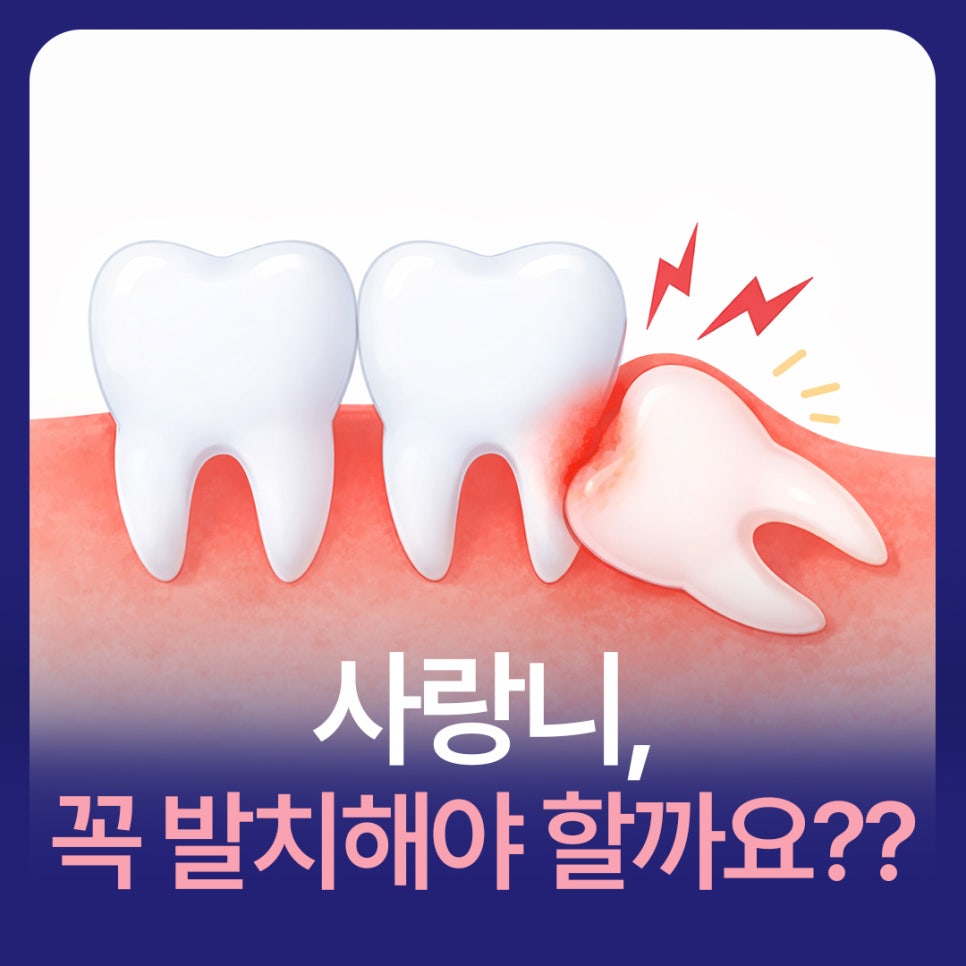
One day, if the back gums start to feel uncomfortable every time you brush your teeth, or if food keeps getting stuck there, you may find yourself thinking, “Could this be because of my wisdom teeth?” There are so many stories about wisdom teeth causing problems later on that many people start considering extraction as soon as they begin to appear. So, do wisdom teeth really have to be removed no matter what?
What Are Wisdom Teeth?
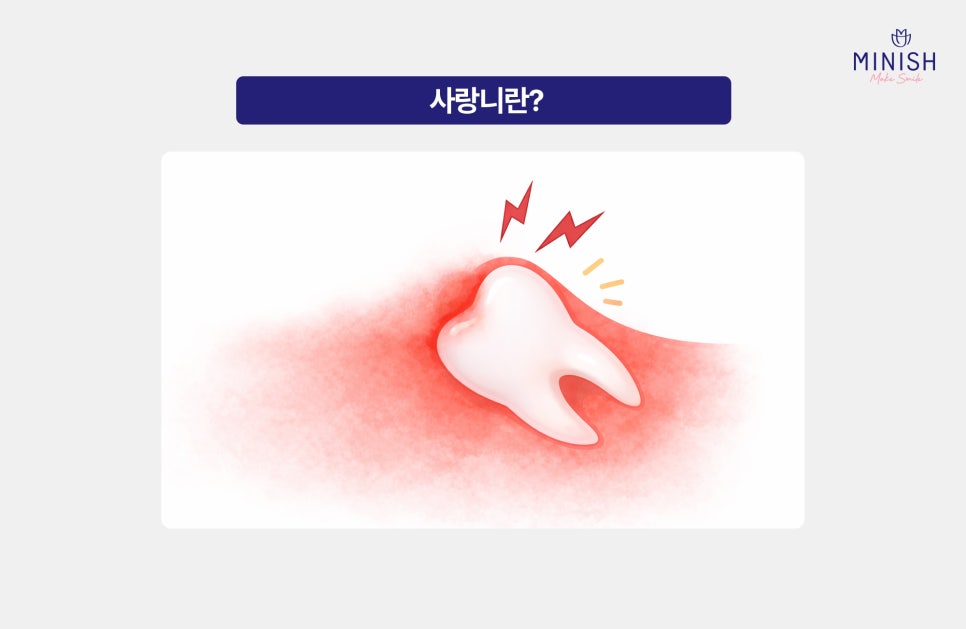
Wisdom teeth are the last molars to emerge in the mouth, located at the very back of the oral cavity. Because they usually come in after the other teeth have already settled into place, there is often not enough space, which makes them harder to care for. Due to these positional characteristics, wisdom teeth relatively often lead to problems such as inflammation or cavities.
Do Wisdom Teeth Really Need to Be Extracted?
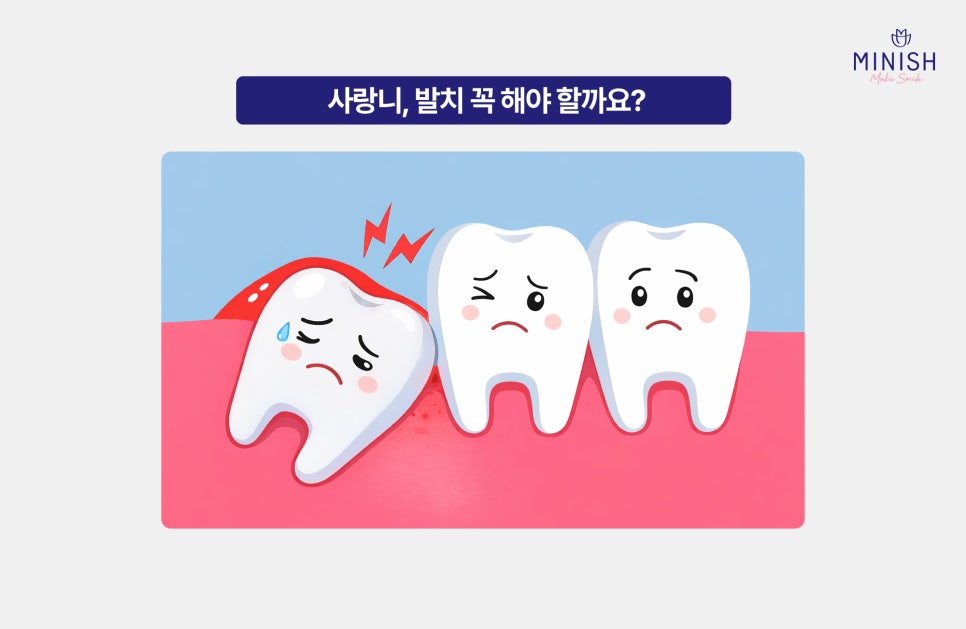
Not every wisdom tooth needs to be removed just because it exists. If it has erupted in the proper direction, can be brushed well, and causes no particular symptoms, there are cases where there is no need to rush into extraction. However, if the following symptoms recur, it may be worth considering removal.
-
If the gums around the wisdom tooth often swell or feel painful
-
If food frequently gets stuck and there is a bad smell
-
If gum inflammation occurs whenever you are tired
-
If you feel discomfort when chewing
Because wisdom teeth are located in an area that is difficult to manage, small problems often grow larger over time, so if symptoms are present, it is important not to leave them untreated.
When Should You Consider Wisdom Tooth Extraction?
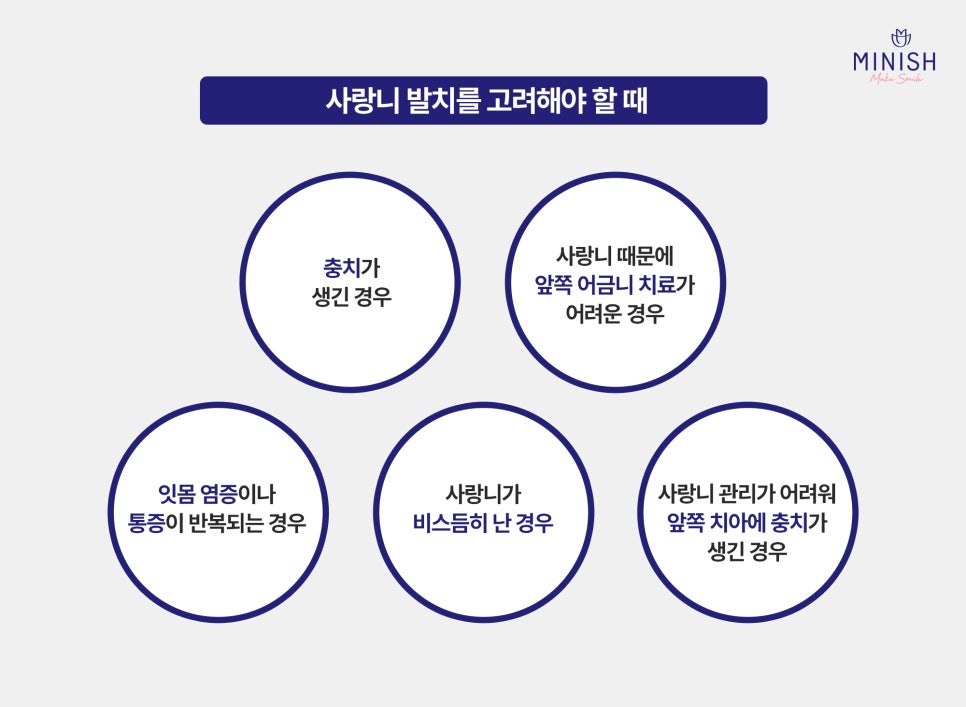
Among wisdom teeth, the cases in which extraction is recommended are relatively clear.
-
If the wisdom tooth itself has developed a cavity
-
If treatment of the front molar is difficult because of the wisdom tooth
-
If gum inflammation or pain recurs
-
If the wisdom tooth erupts at an angle and presses on nearby teeth
-
If poor care of the wisdom tooth causes cavities in the front teeth
Such wisdom teeth can affect not only comfort but also the health of surrounding teeth, so extraction is considered at the appropriate time.
When Is Extraction Necessary for Impacted Wisdom Teeth?
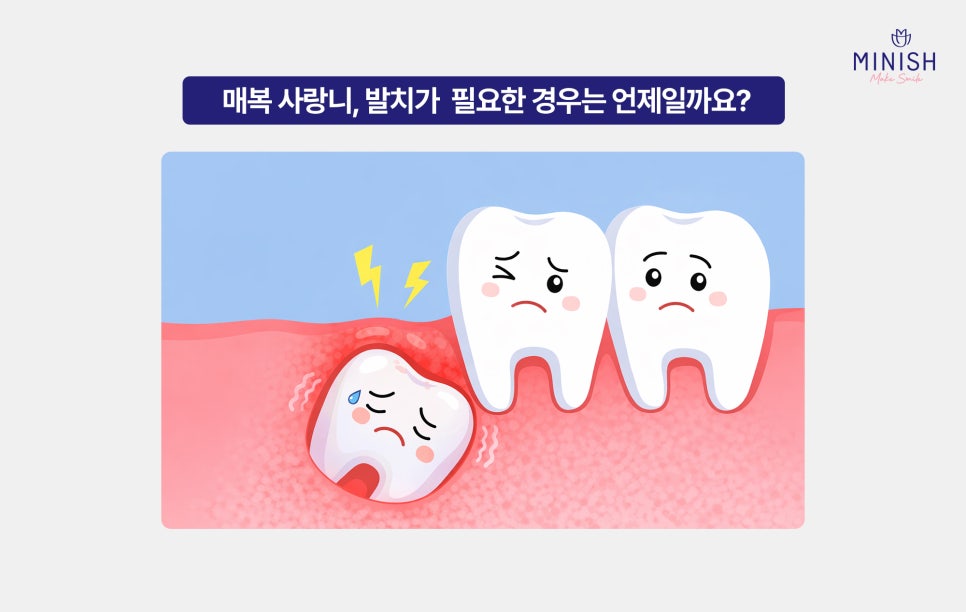
An impacted wisdom tooth refers to a wisdom tooth that is partially or completely buried within the gum. Because it is not easily visible and may not cause immediate discomfort, many people think, “Maybe it does not need to be removed.” However, due to their location, impacted wisdom teeth are difficult to clean by brushing, and food debris and bacteria can easily accumulate around them. As a result, gum inflammation or pain may recur over time, and the risk of cavities developing around the wisdom tooth or in the front molar may increase. If an impacted wisdom tooth has no symptoms at all and does not affect nearby teeth, its condition can be monitored through regular checkups. On the other hand, if inflammation recurs or pain and cavity risk are identified, extraction may be considered depending on the condition.
As mentioned earlier, not every wisdom tooth needs to be extracted just because it exists. If it has erupted in the proper direction and is well managed, many cases can be handled without major problems. However, because wisdom teeth are difficult to care for due to their location and problems are hard to notice early, if you feel discomfort or suspect impaction, it is worth having the condition checked at least once.
Whether or not to extract a wisdom tooth can vary depending on an individual's oral structure, the tooth's location, and its condition. Rather than removing it unconditionally, it is recommended that you visit a dental clinic to accurately check the current 상태 and then decide through consultation with a specialist.