
"Is scaling necessary even if I brush my teeth thoroughly?"
Many people who visit the dentist have this question. Even if you feel that you brush your teeth diligently, swollen gums or bleeding while brushing may indicate the presence of tartar buildup on the tooth surface.
Because tartar is often difficult to remove with regular brushing alone, regular care is necessary. Today, we will discuss the appropriate scaling interval and the criteria for scaling insurance coverage.
Why Does Tartar Form?
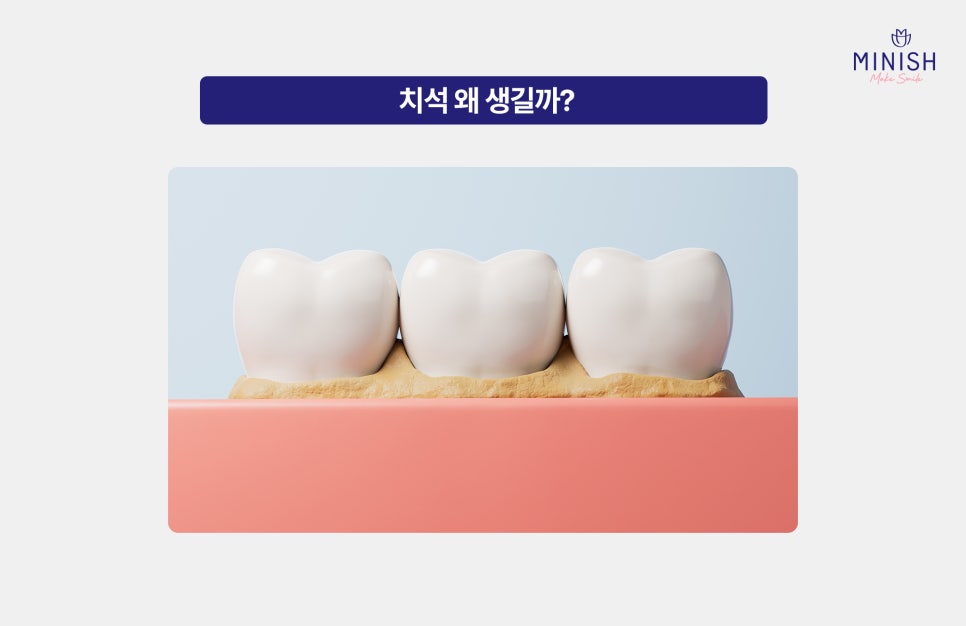
After eating, dental plaque forms on the tooth surface as bacteria combine with food particles. Plaque can be removed relatively easily, but if it is not properly managed, it gradually hardens and becomes tartar.
Once tartar has formed, it is difficult to remove with only a toothbrush or dental floss. In addition, the surface of tartar is rough, creating an environment where bacteria can attach and multiply more easily. If this condition persists, problems such as gum inflammation, gum bleeding, and bad breath may occur, and in severe cases, it may develop into periodontal disease.
How Often Should You Get Scaling?
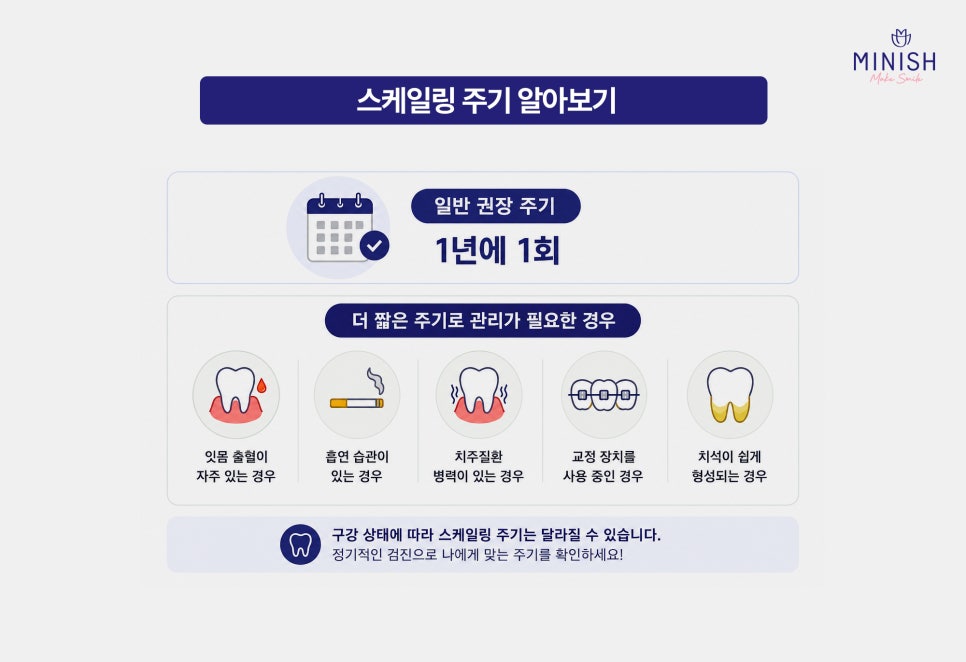
In general, scaling is recommended at least once a year.
However, this does not apply equally to everyone. Depending on how easily tartar builds up and the condition of your gums, care may be needed at shorter intervals. In the following cases, adjusting the scaling interval along with regular checkups may be helpful.
-
Frequent gum bleeding
-
A smoking habit
-
A history of periodontal disease
-
Currently using orthodontic appliances
-
A tendency for tartar to form easily
Conversely, if you do not have any particular gum disease and maintain good oral hygiene, care about once a year along with regular checkups is generally recommended. What matters is not the number of visits itself, but establishing a care plan suited to your current oral condition.
How Does Scaling Insurance Coverage Work?
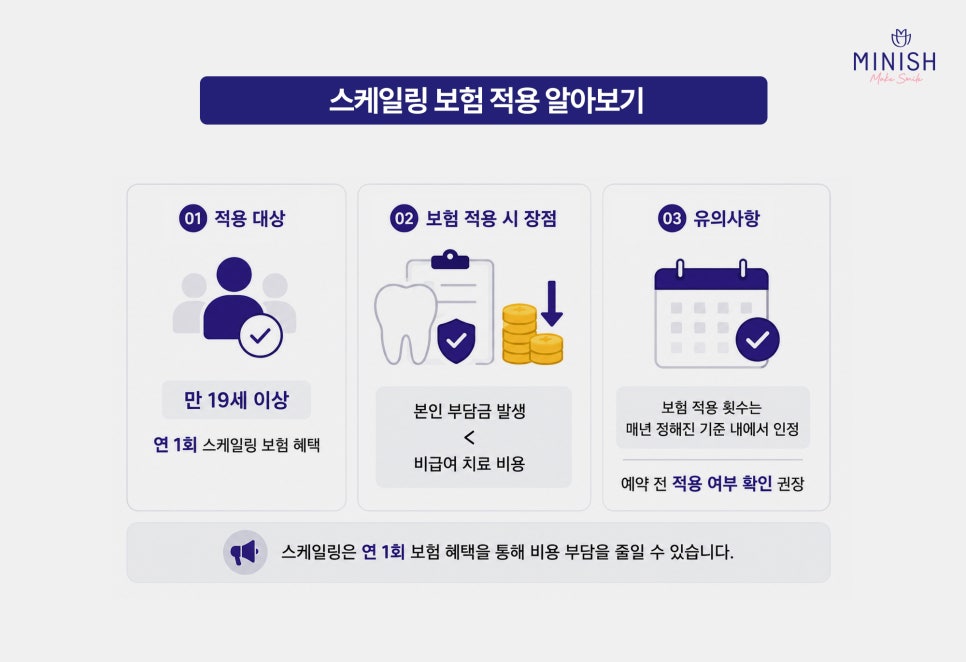
One point many people are curious about is whether scaling is covered by insurance. Under the current National Health Insurance coverage criteria, people aged 19 and older can receive insurance coverage for scaling once a year.
A copayment applies when insurance coverage is used, but this can reduce the financial burden compared with receiving scaling as a non-covered service. However, the number of covered treatments is recognized within the limits set for each year, so it is advisable to confirm coverage before making an appointment.
Scaling Does Not Involve Shaving Down the Teeth
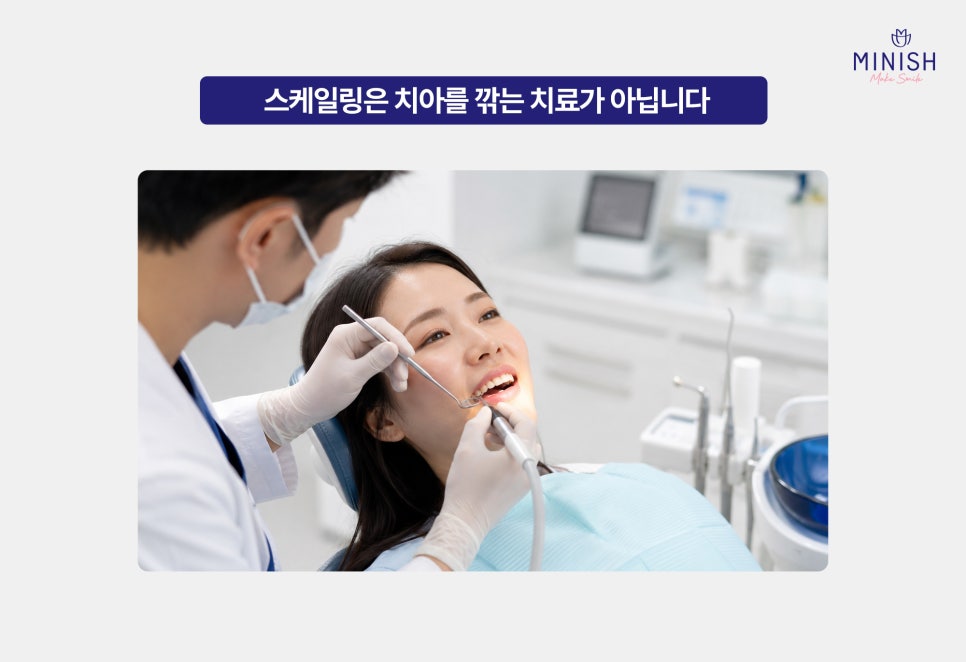
You may have heard that scaling can wear down your teeth or make them sensitive. In reality, scaling is not a process of removing tooth structure. It is the process of removing tartar and deposits attached to the tooth surface and the area around the gums.
Some people may temporarily experience sensitivity after scaling. This may occur when the tooth surface that had been covered by tartar becomes exposed. In many cases, the sensitivity eases over time.
The Most Basic Care for Healthy Teeth

Preventive care is more important for oral health than waiting until a problem develops. Regular checkups and appropriate scaling may help maintain gum health and prevent periodontal disease.
If you do not remember when your last scaling was, we recommend checking your current oral condition and
establishing a necessary care plan.
To maintain healthy teeth for a long time, regular oral care along with proper brushing habits is important.