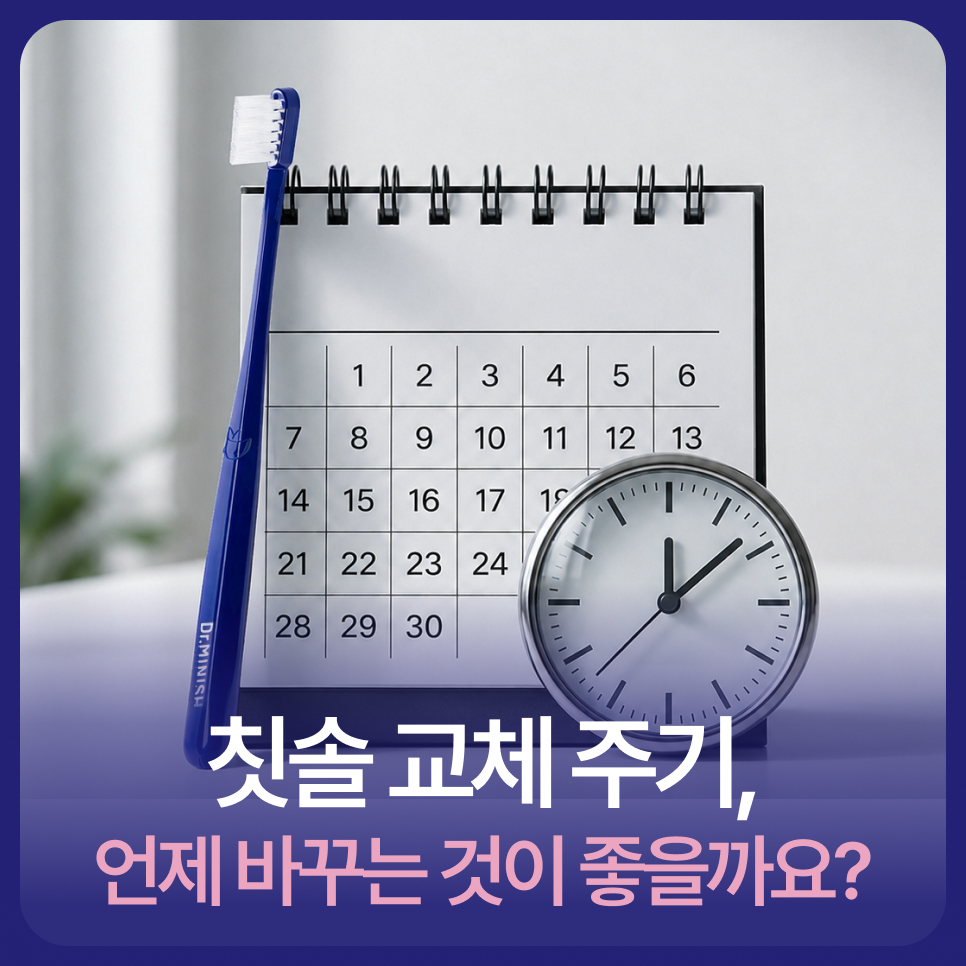
A toothbrush used every morning and evening is the most basic tool for maintaining oral hygiene.
However, while many people pay attention to how often and how they brush their teeth, they often overlook how frequently they should replace their toothbrush.
A toothbrush does not suddenly become unusable just because it has been used for a long time.
The issue is that the bristles gradually spread out and wear down with use, which can reduce their effectiveness in cleaning the tooth surfaces and areas around the gums.
Today, we will look at how often it is appropriate to replace a toothbrush and what to check when deciding whether it is time for a replacement.
How Often Should You Replace Your Toothbrush? Generally, Every 3–4 Months!

In general, it is recommended that you replace your toothbrush approximately every 3–4 months. The American Dental Association (ADA) also recommends replacing toothbrushes every 3–4 months, or sooner if the bristles become visibly worn or frayed.
However, rather than focusing only on the 3–4 month timeframe, it is important to also examine the actual condition of your toothbrush.
If you have a habit of brushing with a lot of force or use your toothbrush many times a day, the bristles may become deformed more quickly. Conversely, even if you have used the toothbrush for a shorter period, it is a good idea to replace it if the ends of the bristles have become frayed.
When You Should Replace Your Toothbrush Sooner
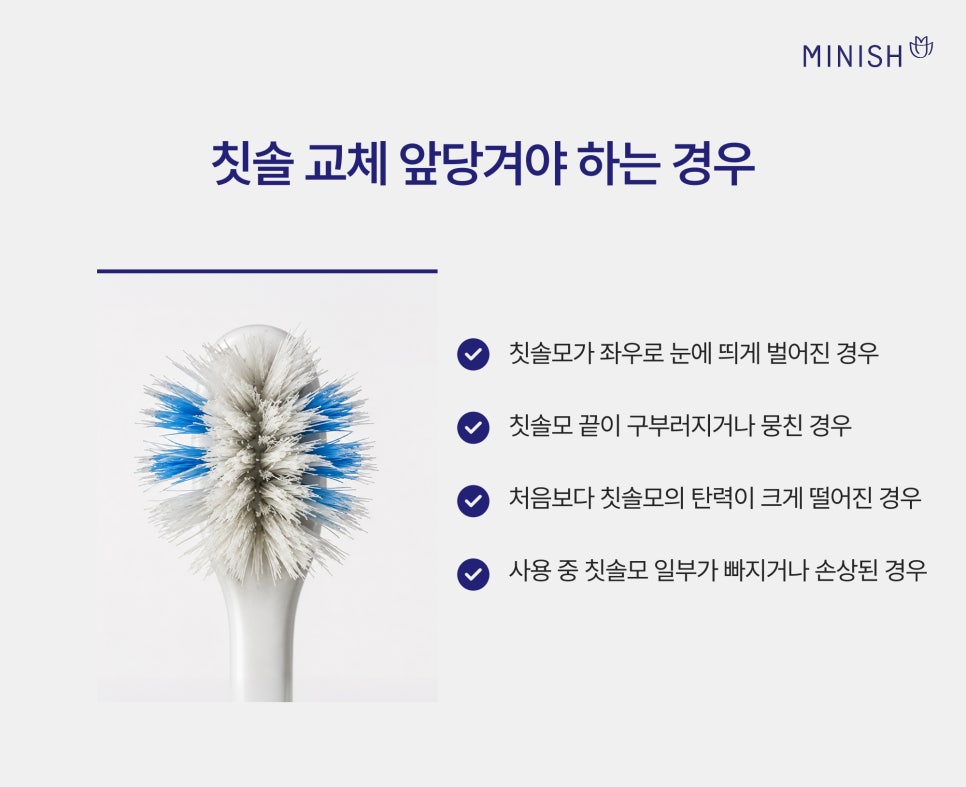
If the bristles spread outward when viewed from the side, or if their ends are bent and disordered, you should consider replacing the toothbrush. In particular, if you notice any of the following changes, there is no need to focus only on how long you have been using it.
-
The bristles have visibly spread out to the sides
-
The ends of the bristles have bent or clumped together
-
The bristles have lost significantly more of their resilience than when they were new
-
Some of the bristles have fallen out or become damaged during use
Worn bristles may be less effective at cleaning than those on a new toothbrush. Therefore, rather than remembering when to replace your toothbrush based only on a date, it is important to develop a habit of checking the condition of the bristles.
Brushing Habits That Damage Your Toothbrush Quickly
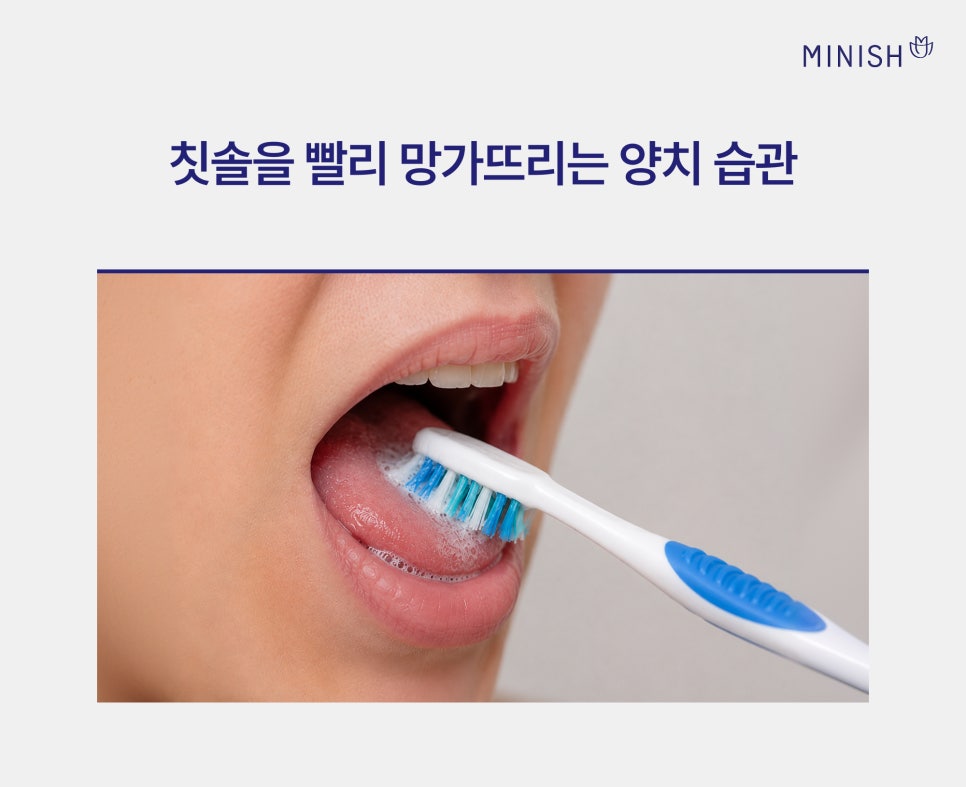
If the bristles become frayed soon after you switch to a new toothbrush, you should check whether you are applying too much force while brushing.
You may think that you need to scrub vigorously to clean your teeth thoroughly, but what matters is not the amount of force, but carefully cleaning the teeth and the areas around the gums. For general oral care, the ADA recommends brushing twice a day for about two minutes each time with a soft-bristled toothbrush.
Therefore, if the bristles become frayed unusually quickly, it is a good idea not only to replace the toothbrush more often, but also to review your usual brushing pressure and technique.
Regular Dental Checkups Are Just as Important as Toothbrush Care
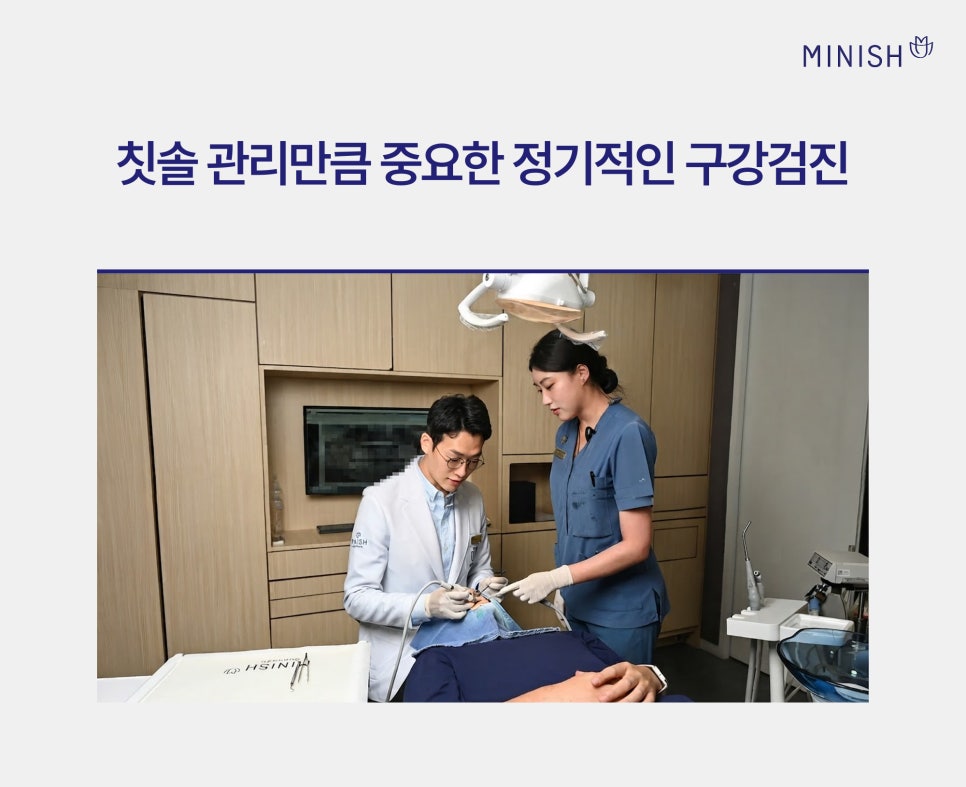
Following an appropriate toothbrush replacement schedule and maintaining proper brushing habits are the basics of oral health care. However, even with careful daily care, cavities or changes in the gums that are difficult to detect by sight may develop. That is why it is important to check the condition of your teeth and gums through regular dental checkups.
Even if you do not have any particular discomfort, it is a good idea to visit the dentist regularly once or twice a year to check your oral health. If you experience unusual sensitivity or pain, bleeding gums, loose teeth, or other abnormal signs, do not wait until your next scheduled checkup. Visit a dentist to have your condition accurately evaluated.
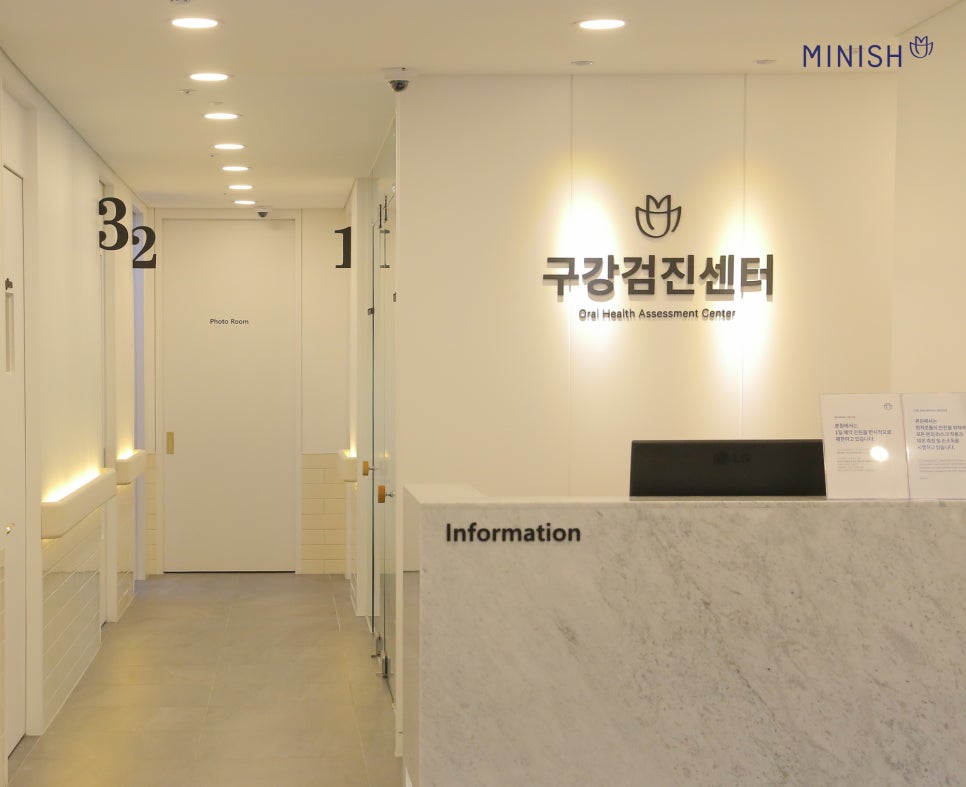
Maintaining an appropriate toothbrush replacement schedule, practicing proper brushing habits, and having regular dental checkups are all part of systematically caring for your oral health without overlooking small changes in your teeth.
Your precious natural teeth, which you will have for life,
If you notice any abnormal signs, have them carefully checked at Minish Dental Hospital.