Hello. This is Yonsei Bombit Dermatology.
When your skin gets itchy or red, or acne suddenly becomes more severe, many people say, “Maybe it’s because I’ve been under too much stress lately.”
In fact, because the skin is an organ that responds to emotions and overall health, it is scientifically reasonable that stress can affect the skin.
But not all skin conditions are caused by stress.
Today, I’ll explain the difference between conditions that are affected by stress and those that are not directly related to stress.
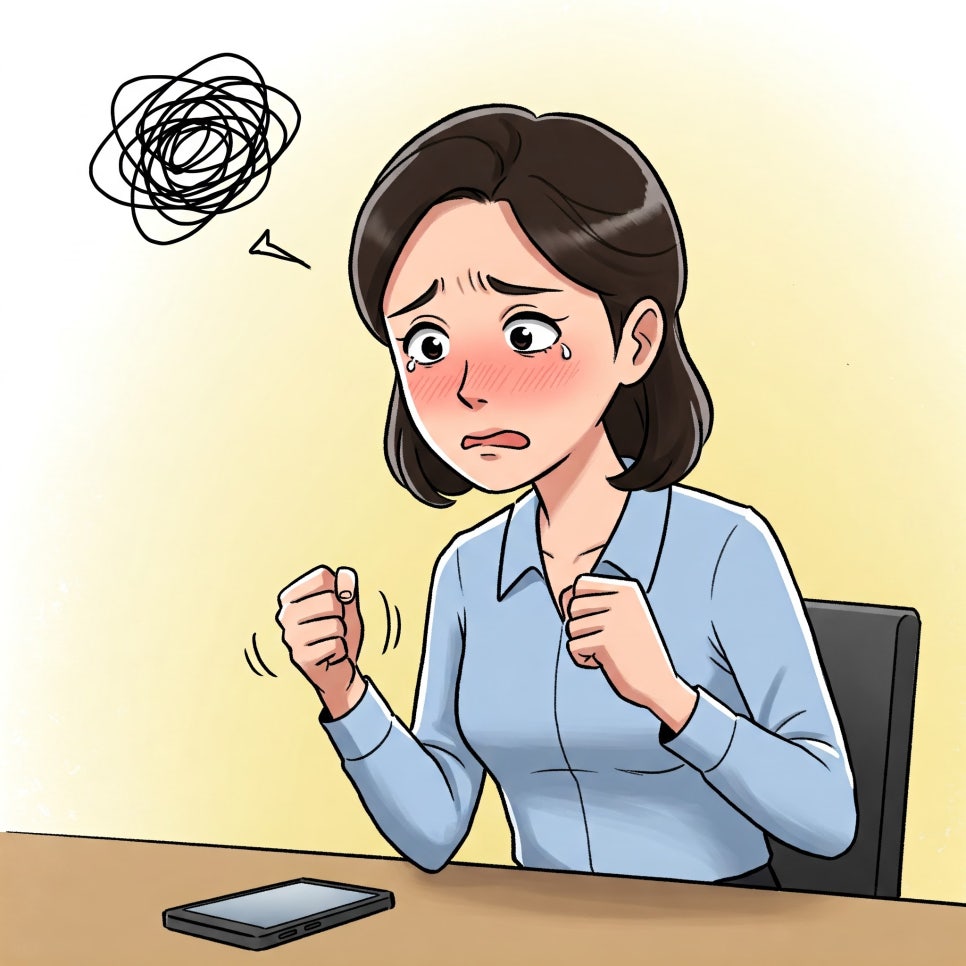
💥 Skin conditions affected by stress
When you are stressed, the body’s immune balance and inflammatory responses are disrupted, and various changes can appear in the skin.
In particular, the following conditions are more likely to worsen during periods of high stress.
-
Atopic dermatitis: A chronic dermatitis in which itching, redness, and dry skin repeatedly occur. When stress becomes severe, itching tends to worsen, leading to scratching and a vicious cycle of worsening symptoms.
-
Idiopathic urticaria: Symptoms in which the skin suddenly swells up and becomes itchy repeatedly. Acute stress or lack of sleep can have a major effect.
-
Seborrheic dermatitis: A condition that causes flaking and itching on the glabella, around the nose, around the mouth, and on the scalp. Stress and irregular lifestyle habits can have an effect.
-
Adult acne: A representative skin trouble in which sebum production increases and inflammation develops. When stress is severe, hormonal balance can be disrupted, making it easier to worsen.
-
Female-pattern hair loss: A form of hair loss in women after their 30s, where hair volume gradually decreases and the crown appears thinner. In addition to hormonal changes, stress is one of the aggravating factors.
-
Shingles: A condition in which the chickenpox virus contracted in childhood remains dormant in the body and becomes active again when immunity drops. Stress can lead to reduced immunity.
→ For these conditions, reducing stress through lifestyle habits is essential along with skin treatment.
🧬 Common skin conditions not directly related to stress
The conditions below are often caused by other factors such as viruses, genetics, environmental irritants, and lifestyle habits rather than stress.
Stress can have an effect, but it is not the direct trigger.
-
Vitiligo: An autoimmune disease in which the skin’s melanocytes are destroyed, resulting in white patches.
-
Melasma: The main causes are ultraviolet exposure, hormonal changes, and genetic factors. It often appears during pregnancy or around menopause.
-
Alopecia areata: Many people think stress is the cause, but in reality, an autoimmune response is the key factor. Stress is not a direct trigger.
-
Warts: Skin growths caused by human papillomavirus infection. They can appear on any area such as the hands, feet, face, and legs.
-
Athlete’s foot: An infection caused by dermatophytes, characterized by itchy symptoms that occur between the toes. It often develops in summer when the feet sweat a lot or in poorly ventilated environments.
→ For these conditions, early diagnosis and treatment suited to the skin are important, and although the disease itself may later cause stress due to changes in appearance, it is not caused by stress.
😊 Stress management tips for healthy skin
-
Regular sleep and meals are very important for maintaining skin immunity.
-
Walk lightly or move your body for about 30 minutes every day.
-
Reduce sugary, spicy, and salty foods, and drink plenty of water as well, which is good for your skin.
-
It also helps a lot to have your own stress-relief methods ready in advance. (For example: listening to calm music, reading, taking a half-body bath, etc.)
-
Please avoid drinking alcohol and smoking.
In closing
Stress can affect the skin, but not all skin problems are caused by stress.
The important thing is to know exactly what is causing the changes appearing on your skin right now,
and to combine treatment with daily care that matches the cause.
At Yonsei Bombit Dermatology, we provide care that considers not only the symptoms but also lifestyle patterns and emotional factors.
If you have any questions or discomfort about your skin right now, please feel free to consult us anytime.
📍 Yonsei Bombit Dermatology
📞 02-837-8275
#YonseiBombitDermatology #GuroDigitalComplexDermatology #BoardCertifiedDermatologist #StressSkinConditions #StressSkinCare #SkinHealth #AtopicDermatitis #SeborrheicDermatitis #Psoriasis #AcneSkin #Hives #Shingles #AlopeciaAreata #SeborrheicDermatitis #PreventionOfSkinConditions #SensitiveSkin #EverydayDermatology #DailySkinCare #DermatitisCare #HealthySkin