Molars are important teeth responsible for chewing food and making it easier to digest. When a molar is missing, various problems can occur in addition to reduced chewing function. Inability to chew food properly may lead to indigestion or impaired nutrient absorption, which can affect overall health.
The teeth surrounding the missing area may shift, causing misalignment and occlusal problems. This can place stress on the temporomandibular joints, sometimes causing pain or headaches. In addition, when a molar is missing, the surrounding alveolar bone may gradually resorb and weaken, potentially leading to changes in facial appearance.
These problems can affect not only oral health but also aesthetics and overall health. Therefore, it is important not to leave a missing molar untreated and to receive appropriate treatment.
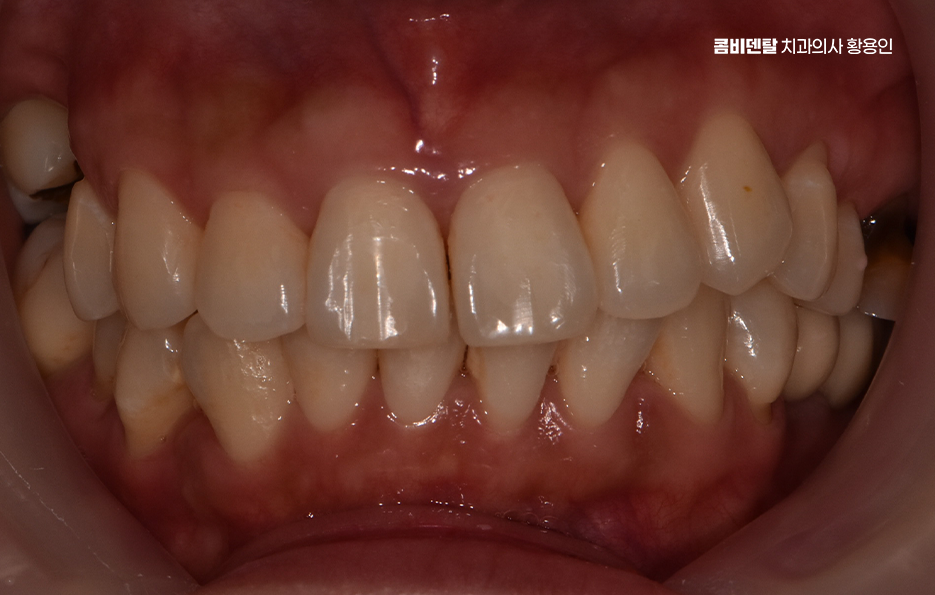
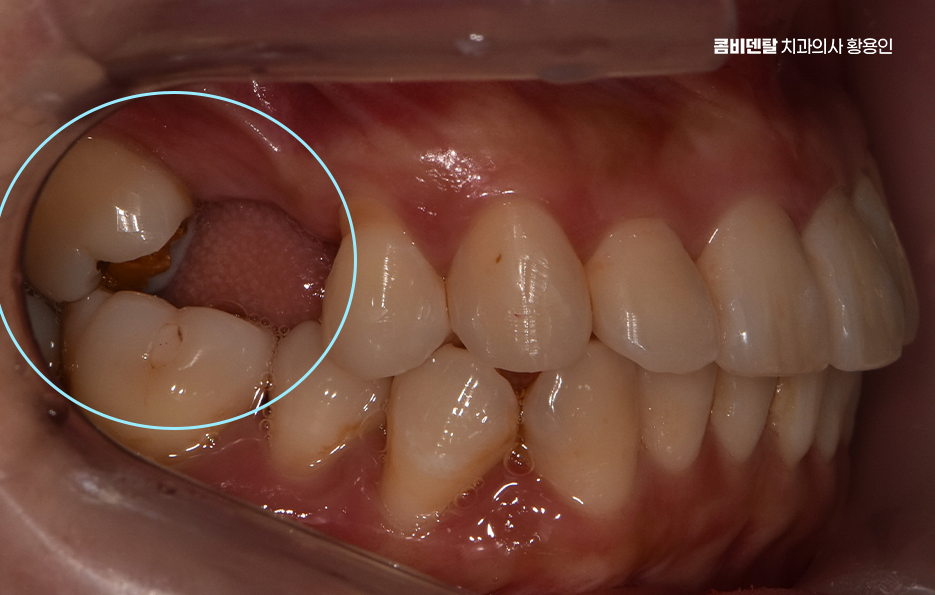
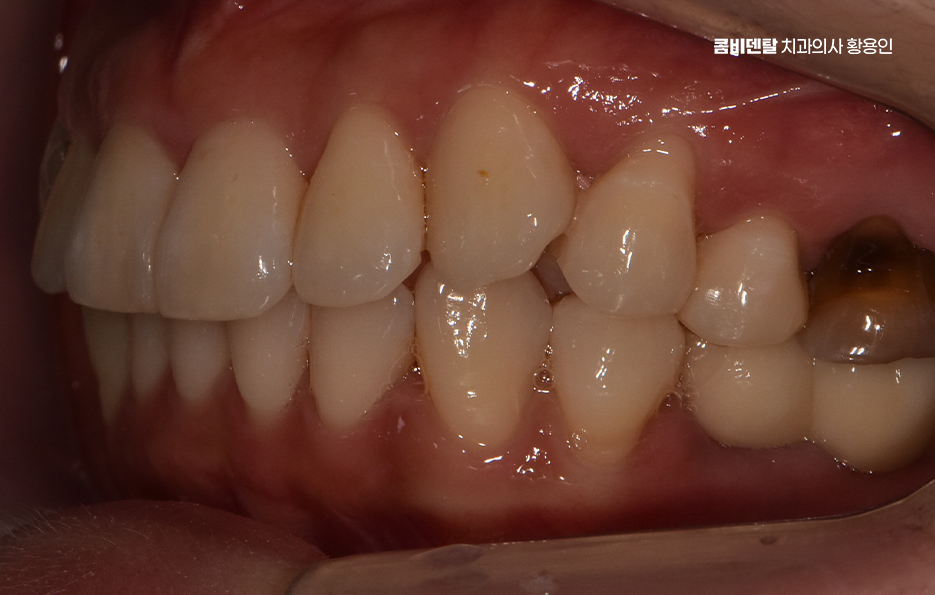
Implants and orthodontic treatment are representative treatments for addressing a missing molar. Each can help restore the area of the missing tooth and improve oral health in its own way. An implant replaces the missing tooth with an artificial tooth, providing function and appearance similar to those of the original tooth. In addition to restoring the tooth, an implant can help prevent resorption of the alveolar bone and restore chewing function similar to that of a natural tooth.
In areas that require substantial chewing force, such as the molars, the surrounding teeth may tip over time after tooth loss, causing molar occlusion to deteriorate. In such cases, an implant may be an effective option.
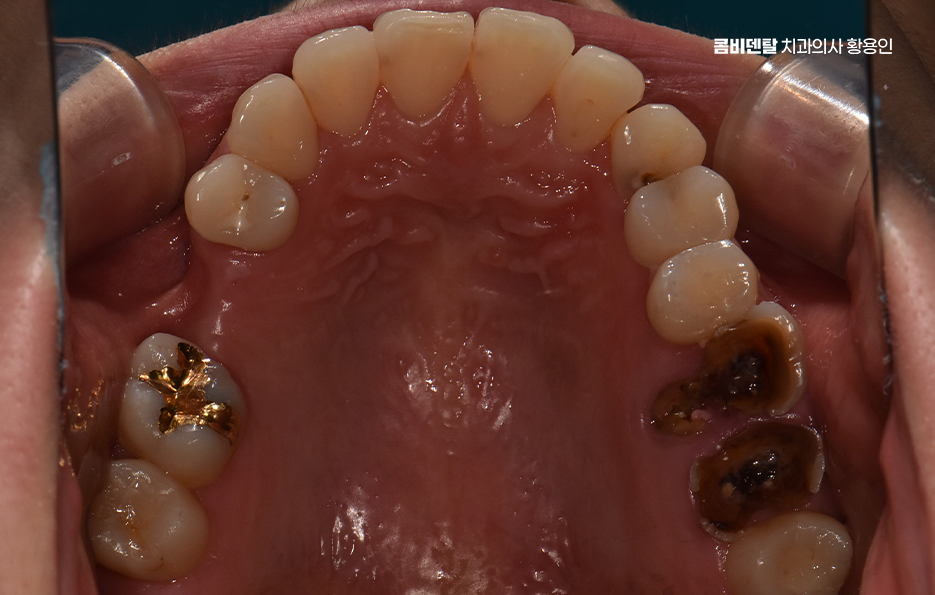
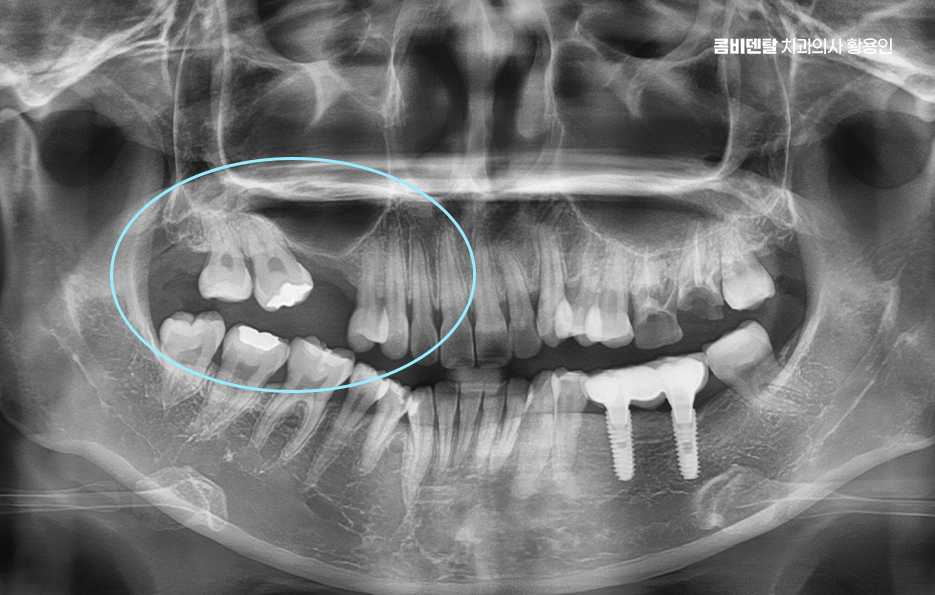
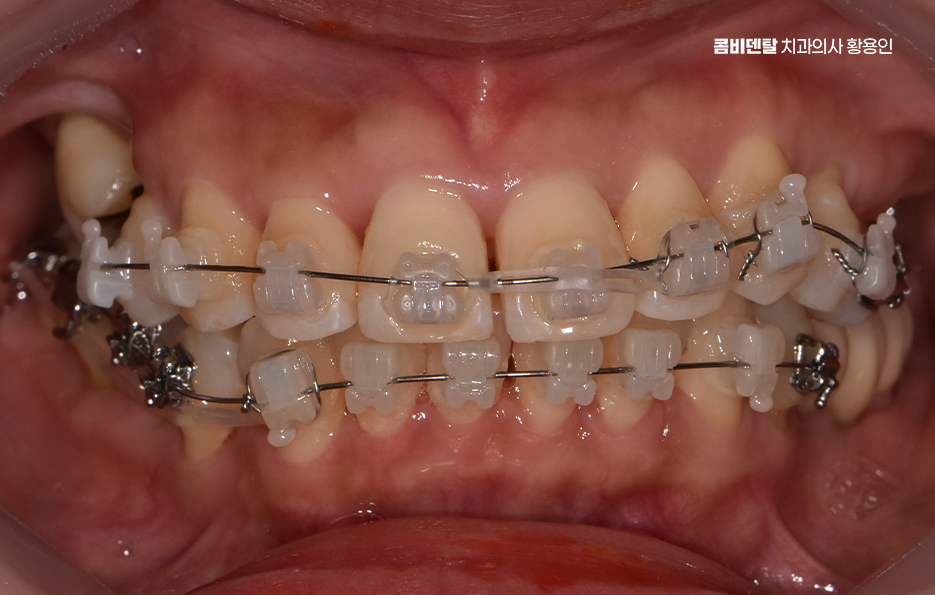
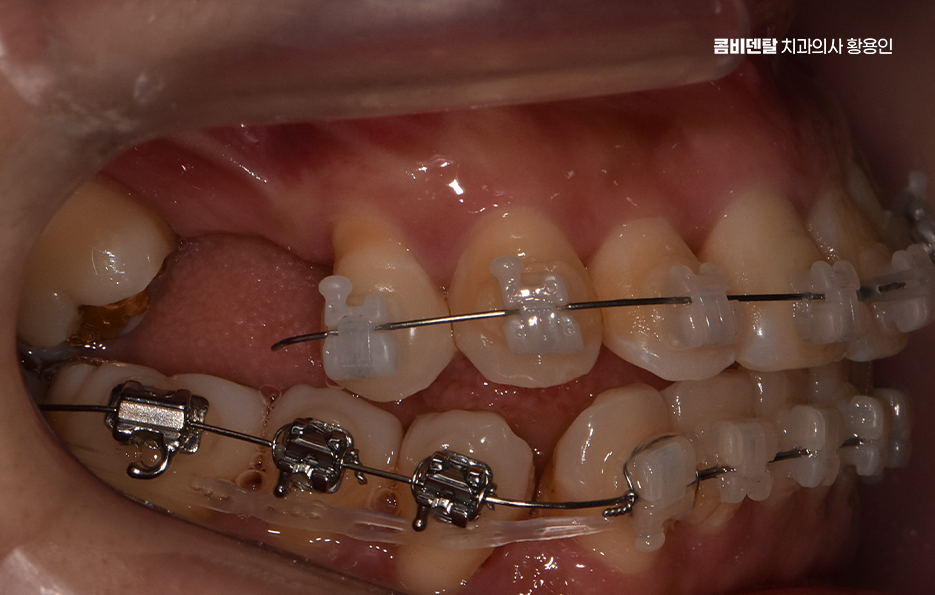
Orthodontic treatment focuses on correcting misalignment around the missing tooth and improving occlusion. When tooth alignment becomes distorted or the opposing tooth over-erupts because of a missing molar, or when molar occlusion has deteriorated, orthodontic treatment can normalize tooth alignment and occlusion.
Orthodontic treatment may be used on its own, but it can also be combined with implant treatment to achieve better results. For example, if the surrounding teeth are moved into optimal positions through orthodontic treatment before implant placement, the overall tooth structure and function can be maintained more stably.
If a Missing Molar Is Left Untreated, What Problems Can It Cause Besides Affecting Molar Occlusion?
Molars are essential to the chewing process because they grind food and make it easier to digest. They play an important role in occlusal stability, temporomandibular joint health, and maintaining oral structures. When a molar is missing, reduced chewing function may lead to indigestion and nutritional imbalance. The opposing tooth that formerly occluded with the missing tooth, or adjacent teeth, may shift or become elongated, causing misalignment and molar occlusion problems. Excessive stress may also be placed on the temporomandibular joints, increasing the risk of pain or temporomandibular joint disorders.
In addition, the alveolar bone at the site of the missing molar may gradually resorb and weaken because it no longer receives stimulation. This can cause changes in facial appearance and aesthetic concerns. Furthermore, food can become trapped easily in the missing-tooth area, making it more susceptible to plaque and tartar buildup and increasing the risk of cavities and gum disease. Because this can negatively affect overall oral health as well as general health, it is important to receive appropriate treatment at an early stage rather than leave a missing molar untreated. As in the case described in today’s post, implants and orthodontic treatment can help address problems caused by a missing molar, restore chewing function, normalize tooth alignment and occlusion, and improve oral health and quality of life.
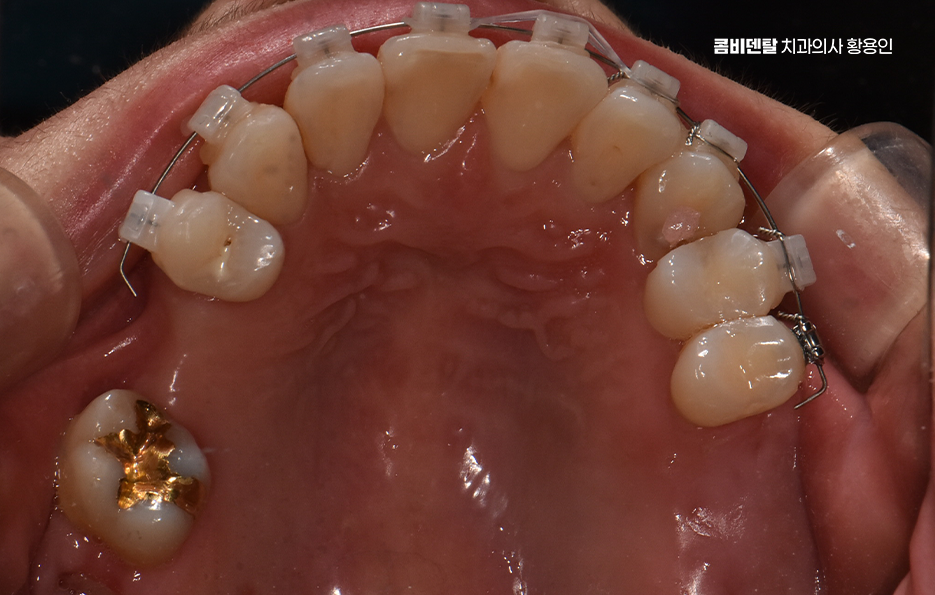
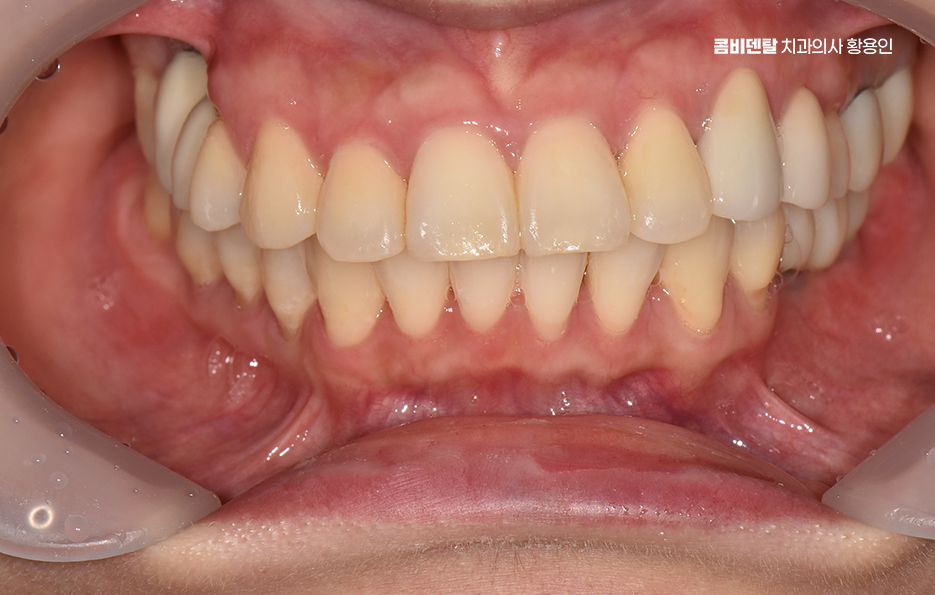
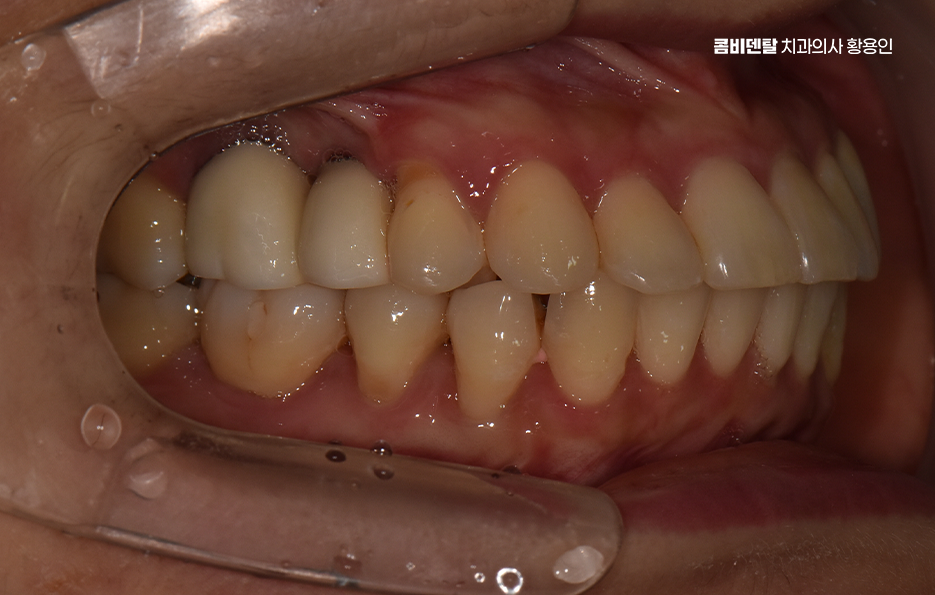
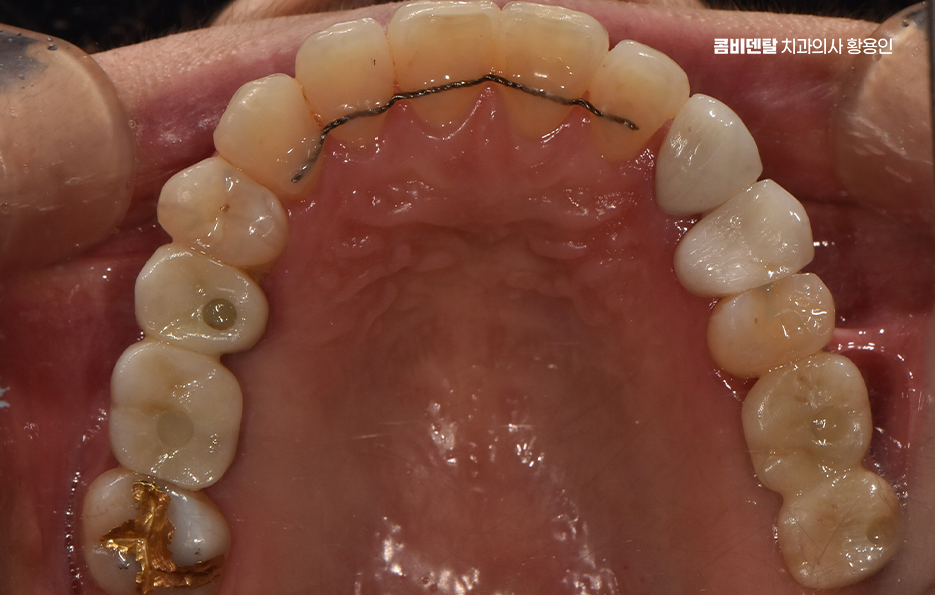
Implants and orthodontic treatment each have their own advantages and characteristics, and the appropriate treatment should be selected according to the condition of the missing molar and the patient’s oral health. An implant directly replaces the missing tooth, allowing chewing function to be restored relatively quickly and helping prevent alveolar bone loss. Orthodontic treatment, on the other hand, is suitable for resolving misalignment and occlusal problems by moving the teeth around the missing area. Combining these two treatments can address the problems caused by a missing tooth comprehensively.
The longer a missing molar is left untreated, the greater its potential impact on oral and general health, so receiving appropriate treatment at an early stage is important. Implants and orthodontic treatment can address molar occlusion and tooth-loss-related problems and help restore healthy teeth and an oral environment. An individualized treatment plan is necessary for each patient. Since it is important to consider not only improving molar occlusion but also harmony with the overall tooth alignment and facial shape, as well as long-term treatment and follow-up care, it is advisable to make a decision after consulting thoroughly with a dental clinic and orthodontic specialist whom you can trust and work with over the long term.
