Front teeth may become damaged enough to require crown treatment mainly due to trauma, tooth decay, wear, or nerve damage. Trauma is the most common cause of front tooth damage; a front tooth may chip or break after an impact during sports or a fall.
In addition, tooth decay can progress beyond the surface of a front tooth and into the interior, weakening its structure and potentially becoming severe enough for the tooth to break or require a front tooth crown. As people age, tooth wear can result from habits that place excessive stress on the teeth, such as grinding the teeth or frequently biting down on hard objects. This can gradually weaken the tooth structure and eventually lead to the need for a front tooth crown.
In today’s post, we will take an overall look at which aspects require extra attention when front tooth crown treatment is needed and what precautions should be taken.
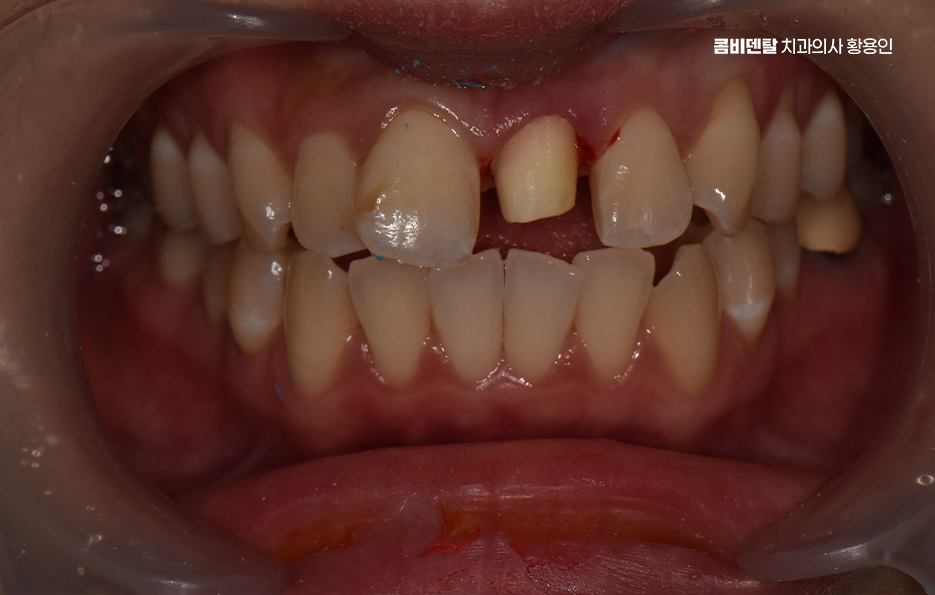
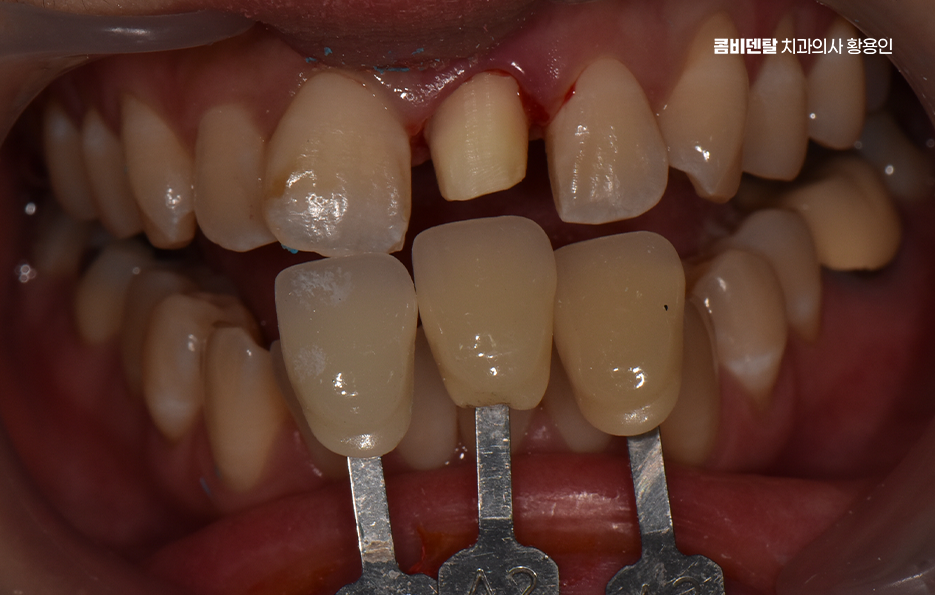
In front tooth crown treatment, all-ceramic crowns are an option that offers both a natural appearance and functionality, making them a preferred treatment method for many people. Because all-ceramic crowns are made from ceramic materials without metal, they have translucency and coloring similar to natural teeth, making them particularly suitable for the highly visible front teeth. This treatment can contribute not only to an aesthetic result but also to maintaining oral health, although it is important to understand how to care for it properly.
The greatest advantage of an all-ceramic crown is its natural appearance. Ceramic allows light to pass through, creating an effect similar to that of a real tooth. It can also be precisely made to match the color and shape of the surrounding teeth, so the crown can remain inconspicuous after treatment while providing an aesthetic result. When appropriately used to address front tooth damage, decay, or fractures, it may produce a result similar to or better than that of the original tooth.
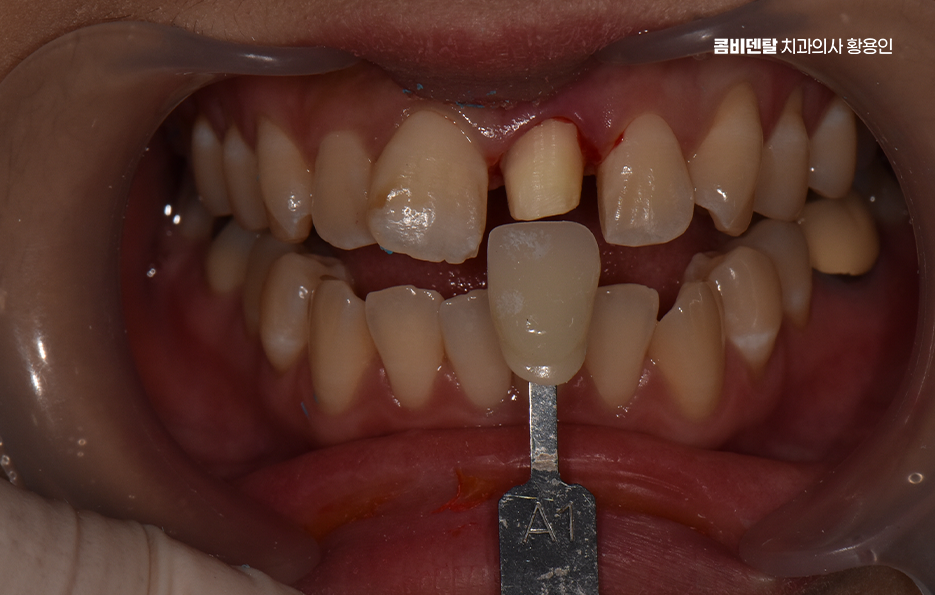
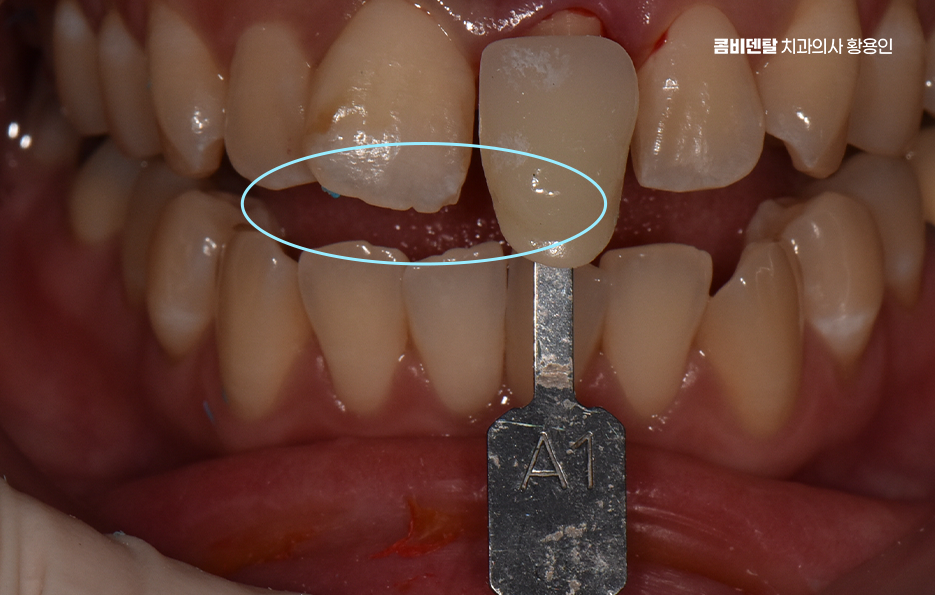
Many people, especially as they get older, visit the dentist because the edges of their front teeth gradually begin to chip. When treating a front tooth, it is necessary to consider not only the aesthetic result but also preventing recurrence and taking care to prevent the restoration used in the treatment from breaking or coming loose. For this reason, it is important to understand the characteristics of the treatment you will receive.
Because all-ceramic crowns do not use metal, they do not cause discoloration along the gumline and can be a safe option for people with metal allergies. In addition, ceramic has good biocompatibility, allowing it to blend naturally with the gums and potentially helping reduce the risk of inflammation or gum disease.
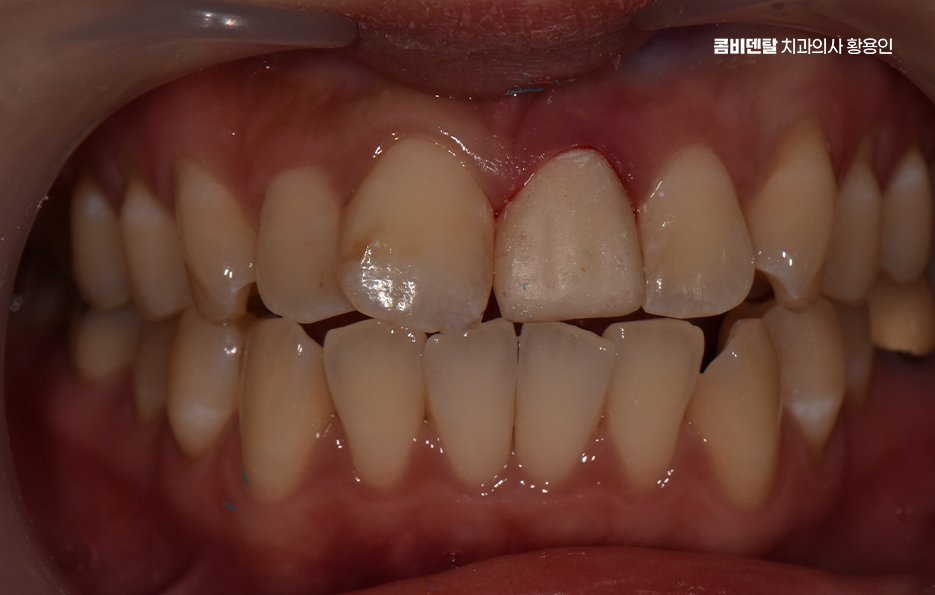
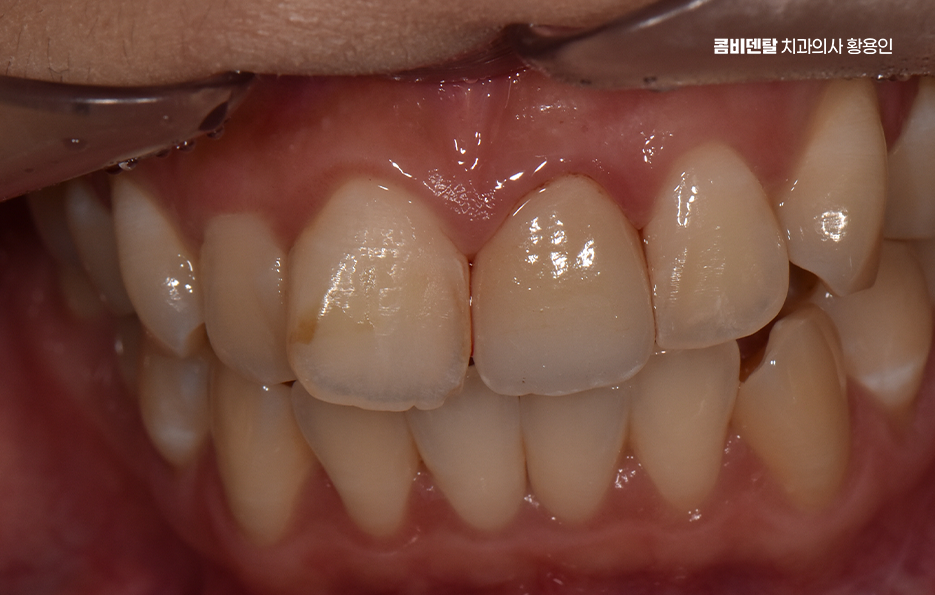
However, all-ceramic crowns also have some disadvantages. Since ceramic is less strong than metal and may be more vulnerable to impact, the crown may break or develop cracks. For this reason, foods that place strong chewing forces on the crown and habits such as biting hard objects should be avoided. To help compensate for this limitation, various materials are now combined to increase strength. Although care is still needed when eating hard or chewy foods, everyday activities that do not place excessive force on the crown can generally be carried out without significant discomfort. In terms of cost, all-ceramic crowns may be more expensive than metal crowns such as PFM crowns because they require premium materials and a precise fabrication process. Also, because a certain thickness must be secured during crown fabrication and placement, there is a possibility that a relatively larger amount of tooth structure will need to be removed.
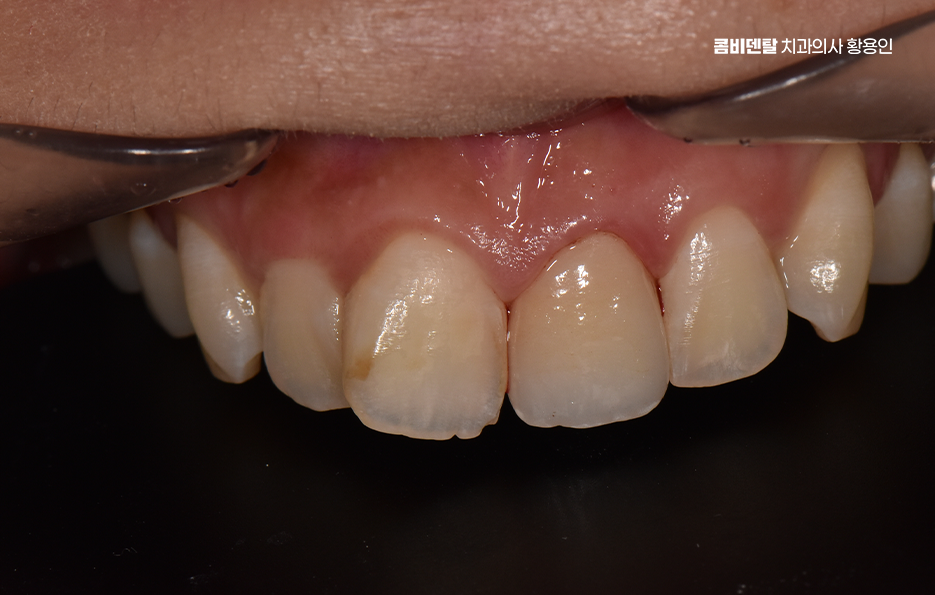
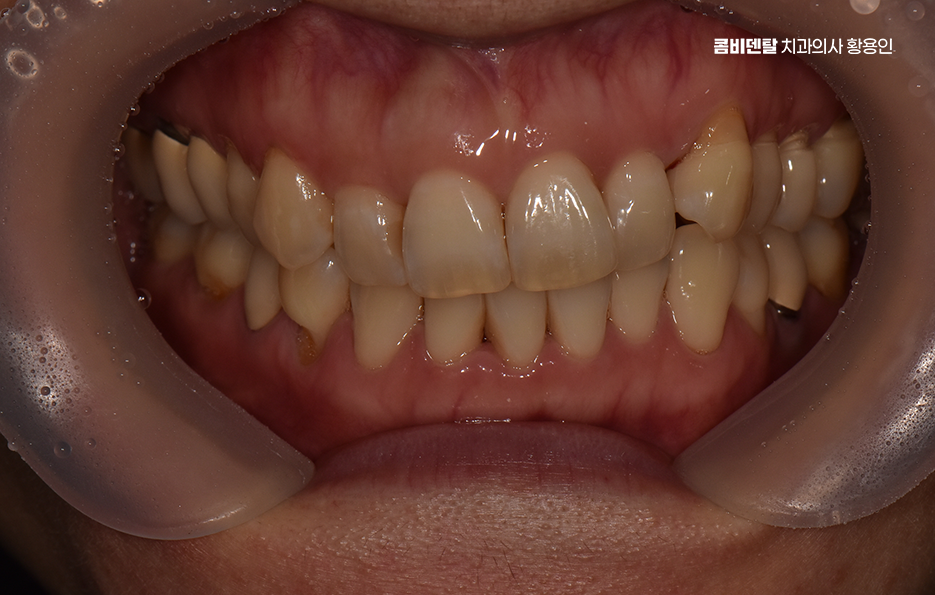
Post-treatment care and precautions are essential for extending the lifespan of an all-ceramic crown and maintaining oral health. First, it is important to avoid hard foods and strong impacts. Ice, nuts, and hard candies can increase the risk of crown damage, so their consumption should be limited. In particular, with front teeth, avoid not only eating these foods but also activities that may create strong pressure. If you grind your teeth or clench them, you may need to use a custom splint to protect both the crown and the natural teeth, while also actively working to improve these habits.
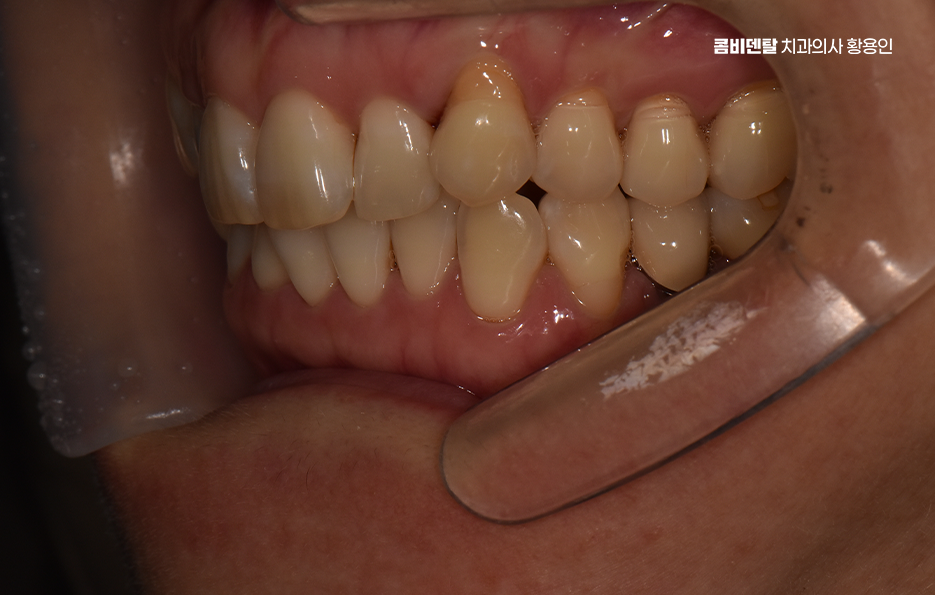
The area where the crown meets the natural tooth is prone to trapping food, so regular brushing and flossing are essential. If this area is not properly maintained, tooth decay or gum disease may develop. In addition, regular dental checkups to examine the condition of the crown, and adjusting or replacing it when necessary, can help preserve not only the front tooth crown but also the lifespan of the natural teeth.
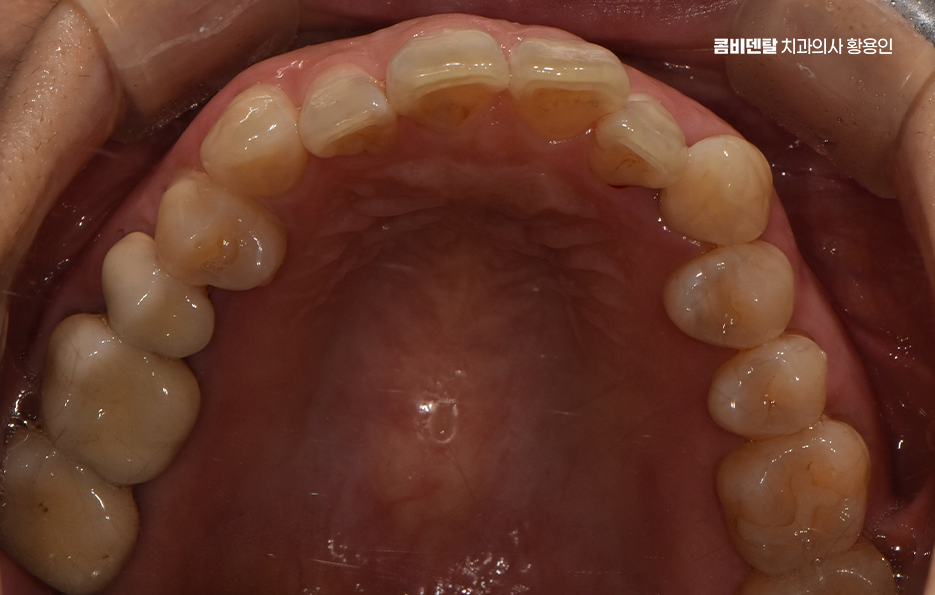
Removing tartar and maintaining oral cleanliness are also important for keeping the gums around a front tooth crown healthy. After receiving an all-ceramic crown, rinsing the mouth with water or brushing after consuming strongly pigmented beverages such as coffee, tea, or wine may also be helpful. Although ceramic itself is resistant to staining, the areas around the crown and the tooth margins may still become discolored, so preventive care may be necessary.
All-ceramic crowns are a treatment option for front teeth that can address both aesthetic and functional needs. Since many people consider aesthetic treatment first when front tooth damage occurs, their natural appearance, biocompatibility, and safety for people without metal allergies are significant advantages, as is the possibility of maintaining them for a long time with appropriate care. However, it is important to recognize that they are less strong than metal and require ongoing care. Before receiving crown treatment, consult sufficiently with your dentist and carefully choose the treatment that is appropriate for you.
