Just as everyone has different physical features, teeth also vary slightly in size from person to person. However, some people are born with teeth that are unusually small. These teeth are referred to as having microdontia. Microdontia is characterized by teeth that are smaller than normal or that develop with a shape different from the typical tooth form. It commonly appears in the front teeth or canines, although it can occasionally affect the molars as well.
Microdontia is often primarily influenced by congenital factors. Teeth begin forming during the fetal stage, when genetic and environmental factors that determine their size and shape come into play. If nutritional deficiencies, hormonal imbalances, or problems with fetal growth occur during this process, the teeth may not develop to a normal size and may become unusually small.
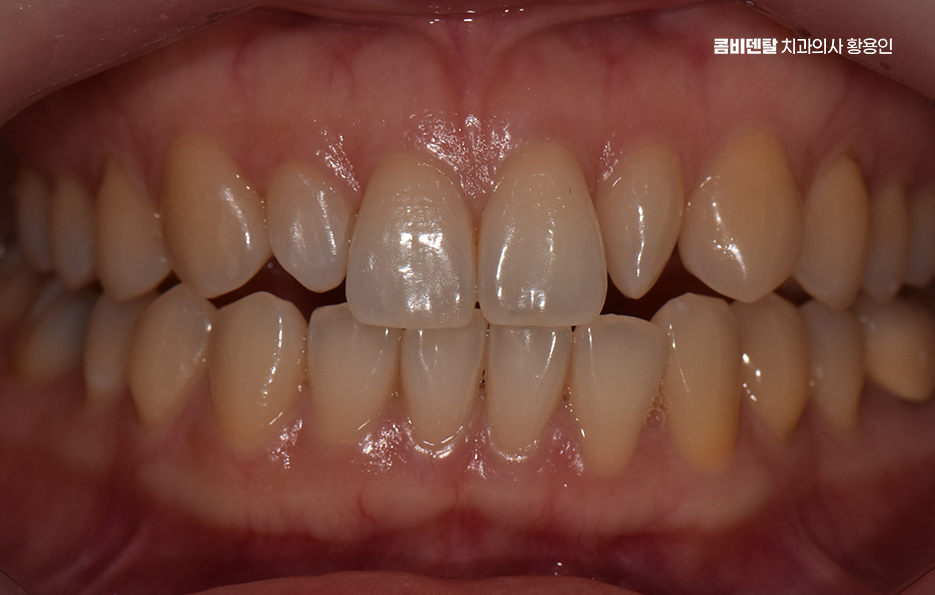
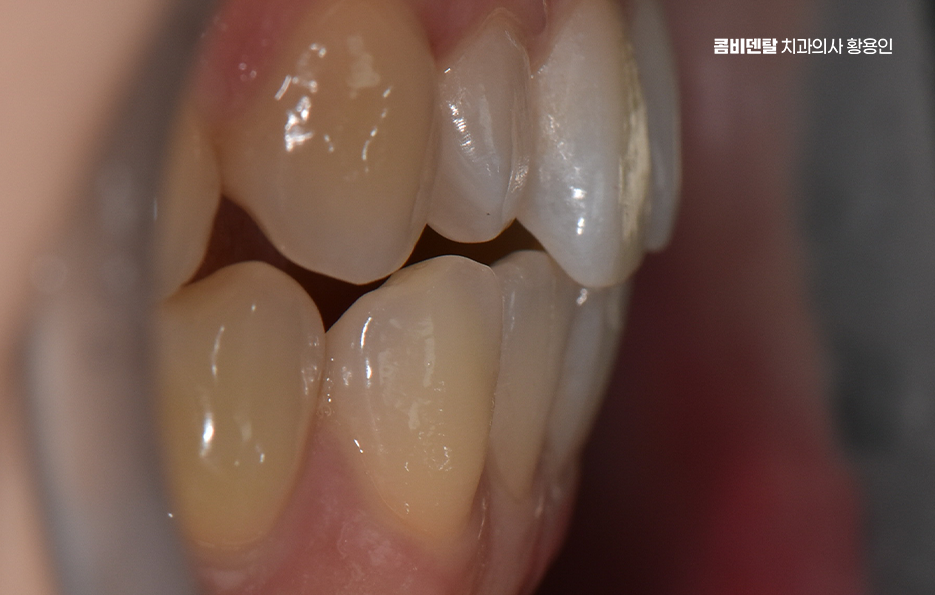
Microdontia can cause not only aesthetic concerns but also problems such as food becoming easily trapped when spaces develop between the teeth, as well as bite problems. For this reason, many people consider treatment.
There are several ways to treat microdontia, and one of the most commonly used options is veneer treatment for small teeth. Veneers are thin ceramic coverings attached to the tooth surface to adjust the size of the teeth naturally. When microdontia is present, veneers can help create a natural tooth shape while addressing aesthetic concerns.
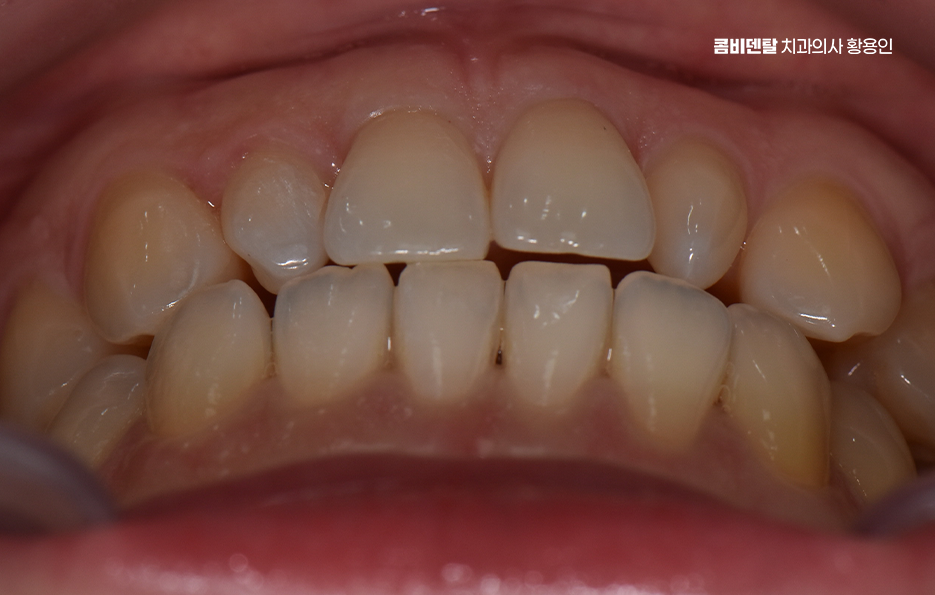
Veneer treatment can generally be performed while minimizing tooth reduction. In some cases of microdontia, treatment may also be possible without removing any tooth structure. For patients who are suitable for non-prep treatment, one advantage is that the natural teeth can be preserved as much as possible. When the small teeth are the front teeth or canines, veneers can be used to create a natural tooth shape while achieving a more balanced alignment.
The treatment process for veneers on small teeth is relatively straightforward. First, the condition of the teeth must be examined in detail at the dental clinic, and an evaluation is needed to determine whether veneers are an appropriate treatment. If there is a severe bite problem, orthodontic treatment may need to be performed first, followed by or combined with veneer treatment.
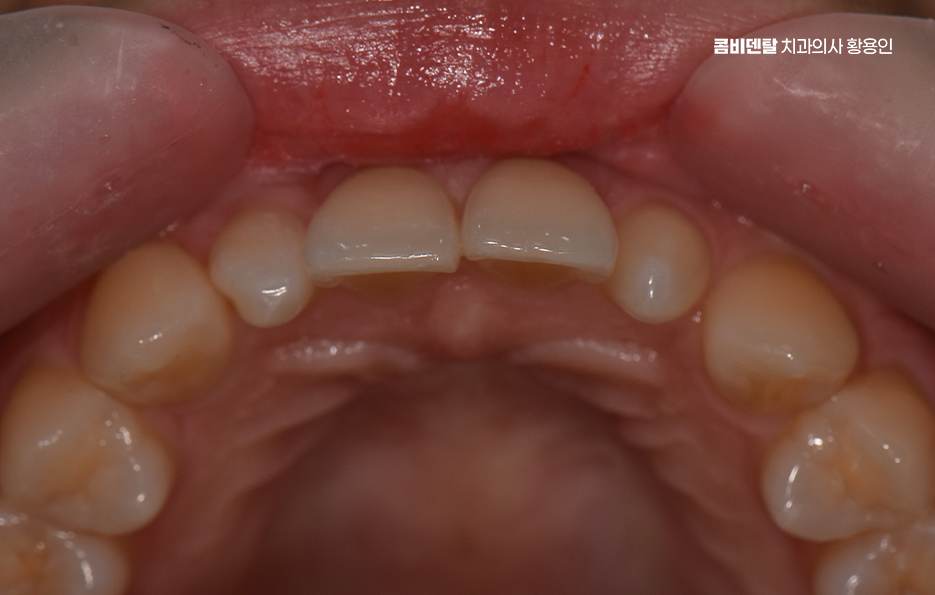
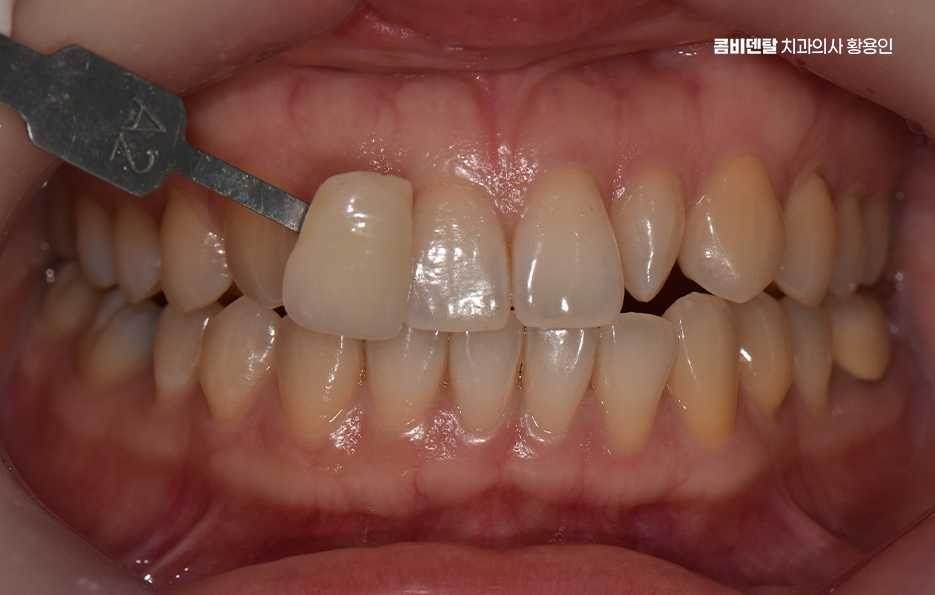
Once veneer treatment is decided upon, the tooth surface is first slightly reshaped. Since veneers are attached to the tooth surface, the surface needs to be prepared so they can be bonded while removing as little tooth structure as possible. Although veneers are relatively thin restorations, it is generally understood that minimal tooth reduction may be necessary to achieve a natural result.
After the tooth surface is prepared, an accurate impression of the teeth must be taken. The custom veneers are then made to match the patient’s tooth color and shape. Because the tooth color can also be adjusted during this process, the overall tone of the teeth may be made brighter. For example, if you want a brighter overall tooth tone when receiving veneers, an aesthetically favorable approach may be to whiten the teeth first and then make the veneers lighter, rather than matching the veneer color for the small teeth to the current tooth color.
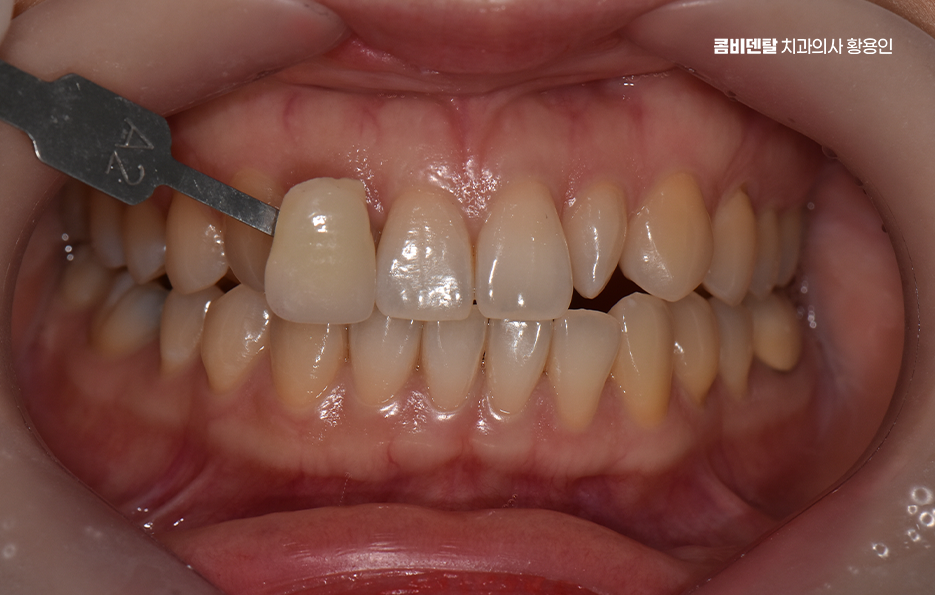
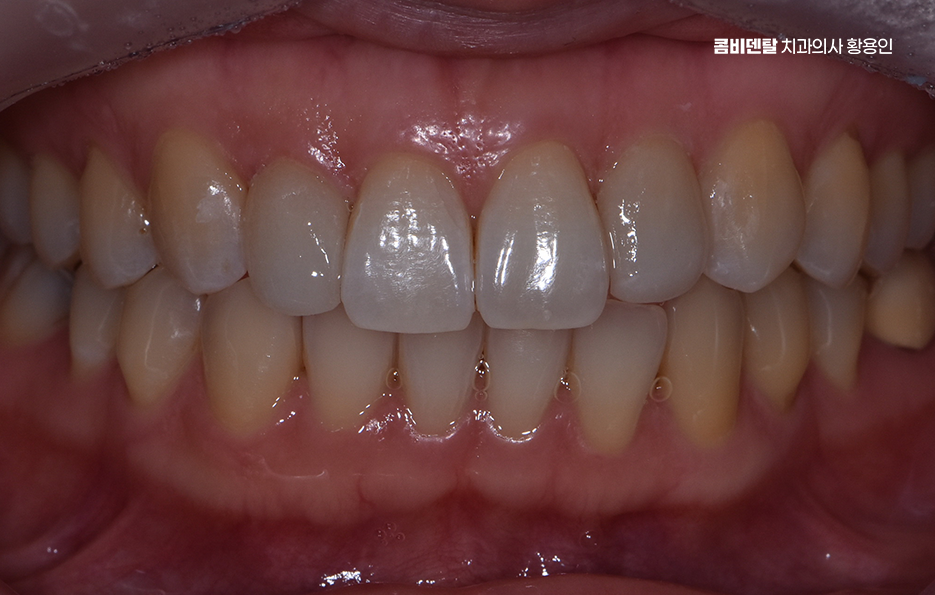
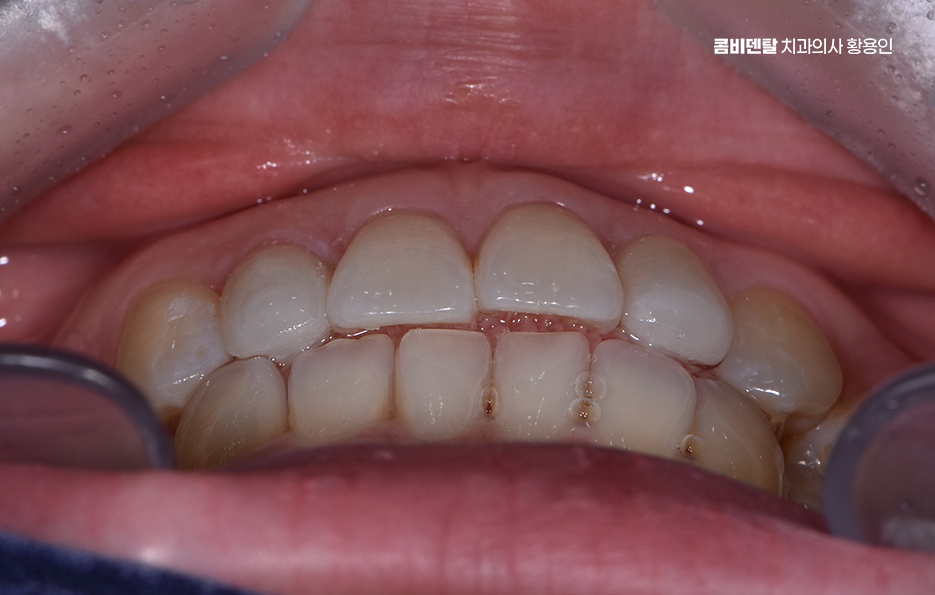
Once the custom veneers are complete, they are bonded to the tooth surface using a special adhesive. After bonding, the fit against the teeth must be checked and the bite adjusted. If the veneers are too thick or interfere with the opposing teeth, fine adjustments are made to optimize the bite before treatment is completed.
Regular care is needed after veneer treatment for microdontia. Veneers themselves are highly durable, but because they are thin restorations, they may be damaged by strong impacts or frequent chewing of hard foods. Care should therefore be taken to prevent them from breaking or coming off. For example, biting down on hard foods such as ice or nuts with the front teeth may damage the veneers. Teeth grinding and clenching habits also require attention.
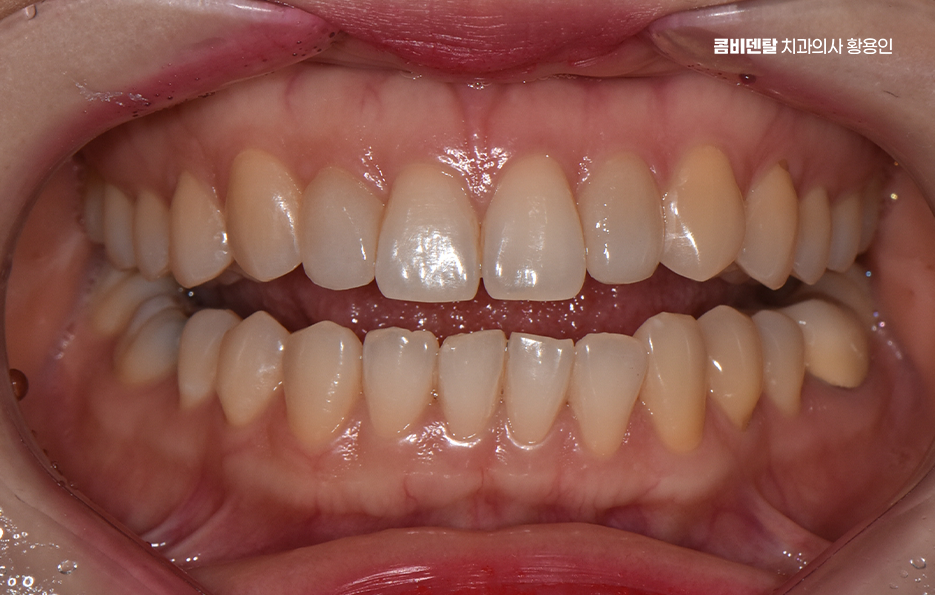
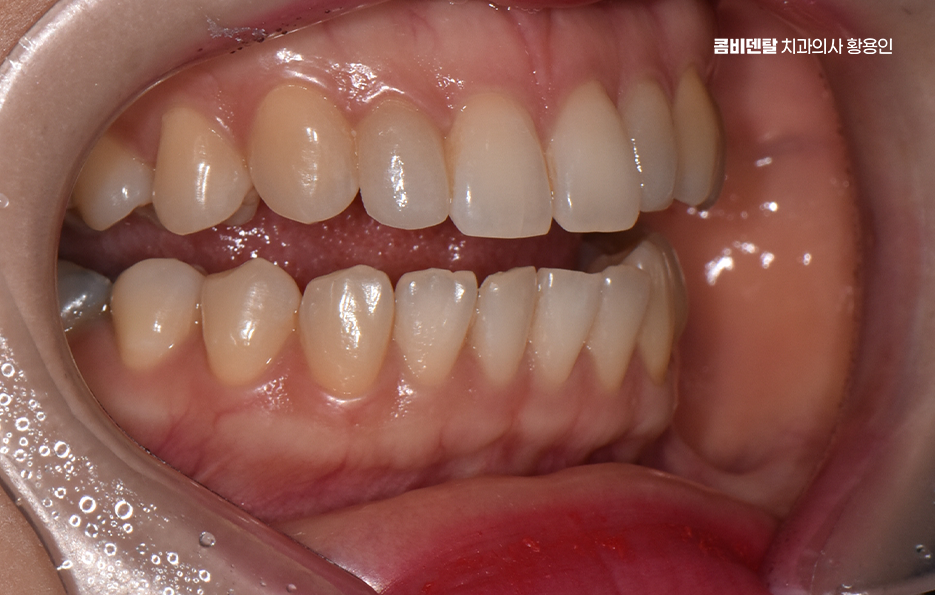
Veneers are a relatively simple treatment that can often be completed with dental visits over a short period, and they may effectively address the aesthetic concerns associated with microdontia. However, different treatment methods may be appropriate for different patients depending on the severity of the condition. If you are considering veneers for small teeth, consult a dentist first and establish a treatment plan that is appropriate for you.
