After reaching adulthood, many people become naturally interested in how to whiten yellow teeth because they often notice that their teeth have become much yellower when looking in the mirror and smiling brightly, making them feel self-conscious about their appearance. In general, many people begin to notice their teeth gradually becoming yellower when they reach their 30s.
Even though their teeth were white and clean until their 20s, many people eventually feel that their smiles no longer look as bright as they used to when taking pictures. The reason tooth color changes in our 30s is not simply age. Various factors—including lifestyle habits, food consumption, and the way we care for our teeth—accumulate over time, gradually changing the color of the teeth.
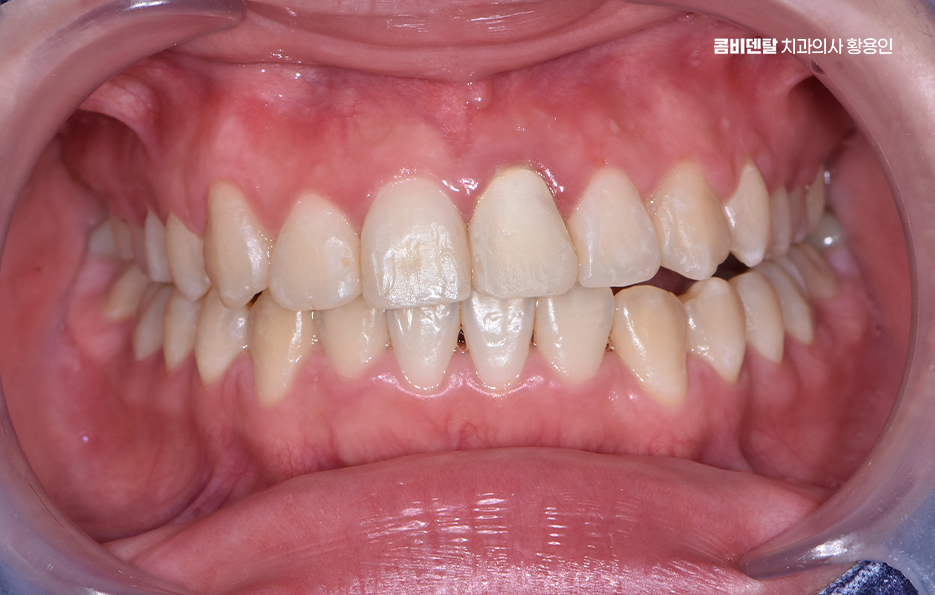
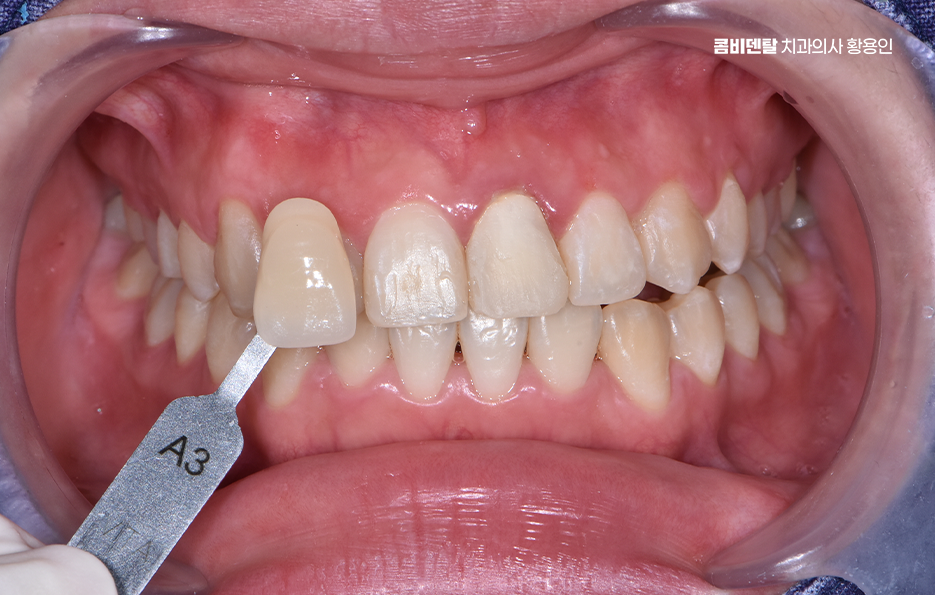
Before learning how to whiten yellow teeth, it is important to properly understand why teeth become yellow so that discoloration can be improved by addressing its causes. One major reason teeth become yellow is that the enamel gradually becomes thinner. The enamel surrounding the outermost part of the teeth is translucent.
Dentin exists beneath the enamel, and dentin itself naturally has a yellowish color. As the enamel gradually wears down in our 30s, the color of the dentin underneath becomes more noticeable, making the teeth appear yellow.
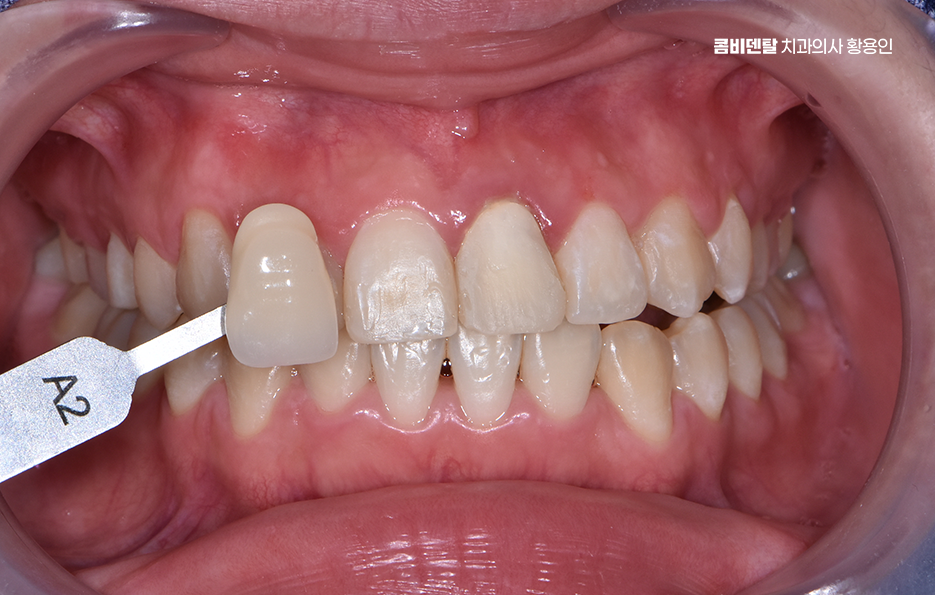
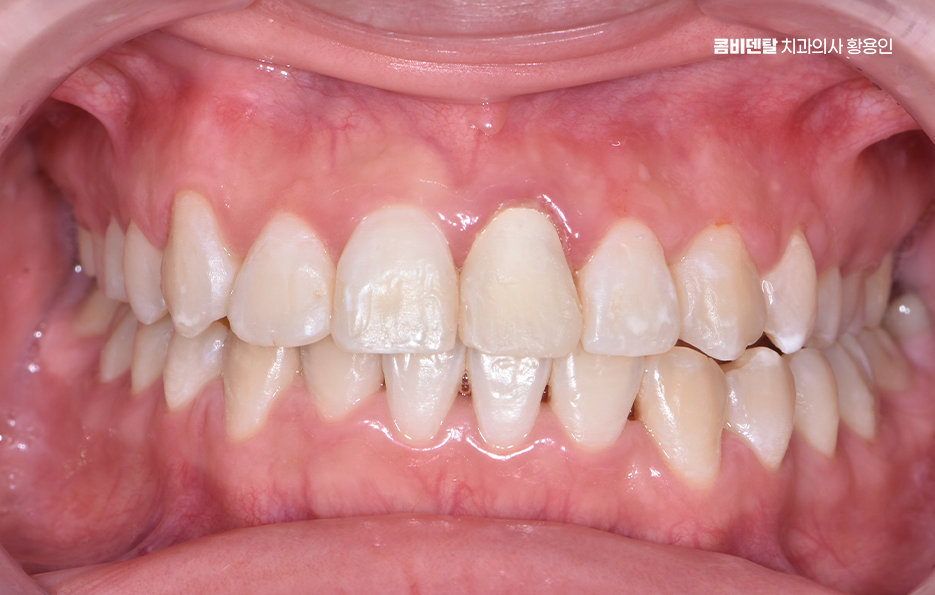
Enamel may become thinner because of excessive brushing. Frequently consuming highly acidic foods or beverages can also increase the likelihood of enamel erosion. Foods and drinks such as carbonated beverages, coffee, lemons, and vinegar can weaken the surface of the teeth. As the teeth wear down and become thinner for these various reasons, the enamel decreases and the dentin becomes exposed, making the teeth look increasingly yellow.
Coffee and tea are among the most commonly known causes of tooth discoloration. After reaching adulthood, many people consume caffeine more often in their work or daily lives. The pigments contained in coffee and black tea can stain the surface of the teeth and contribute to yellowing. Smoking is also an important cause of tooth discoloration. The tar and nicotine in cigarettes can stain the tooth surface, and people who have smoked for a long time may experience extensive discoloration of the tooth surface.
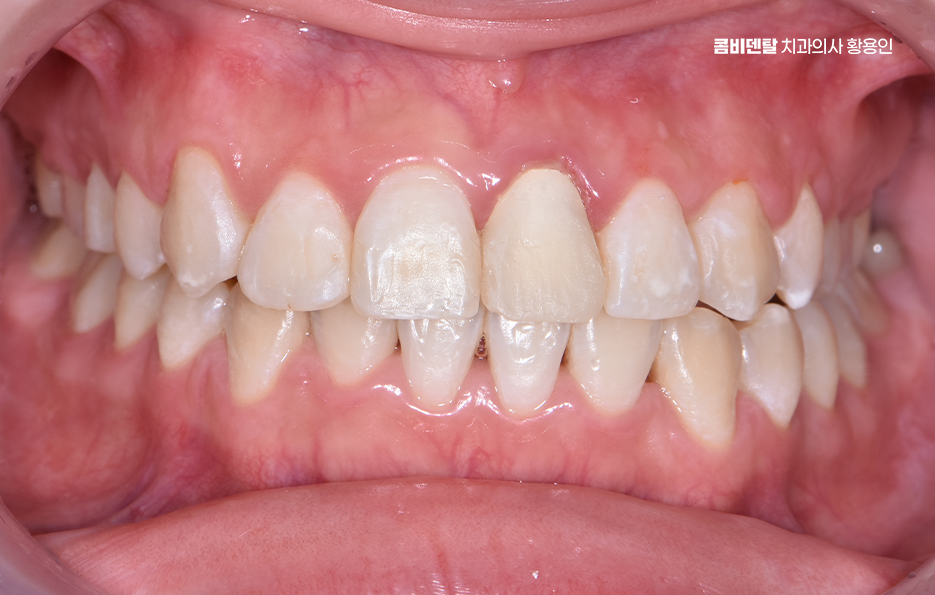
As discussed above, there are various causes of tooth discoloration, so it is important to identify the cause accurately before beginning professional teeth whitening as a way to whiten yellow teeth. Many people try using at-home whitening products, but they often do not achieve the results they expect. This may be because the whitening effect is limited or uneven, and in severe cases, the teeth may be damaged when the cause of discoloration is not properly addressed or the whitening method is inappropriate.
If you are trying teeth whitening for the first time, particularly after your 30s, professional whitening at a dental clinic can be a safer and more effective option. Dental whitening uses a high-concentration whitening agent with a higher hydrogen peroxide concentration, so a more noticeable effect can be expected.
For example, over-the-counter at-home whitening products may have limited effects because they contain a lower concentration of hydrogen peroxide. With professional dental whitening, the whitening ingredients penetrate deeper into the teeth and break down pigments, allowing for a brighter and more even whitening effect.
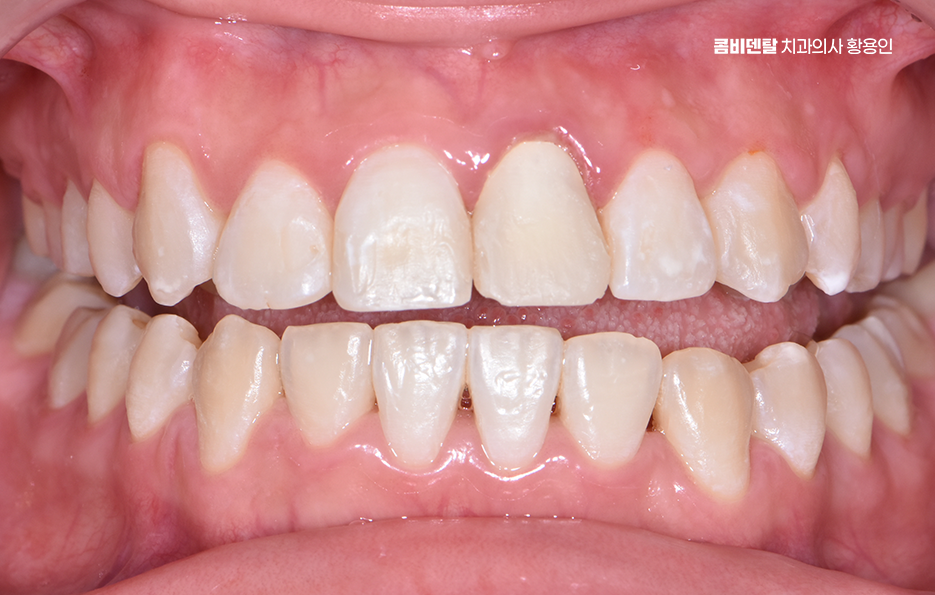
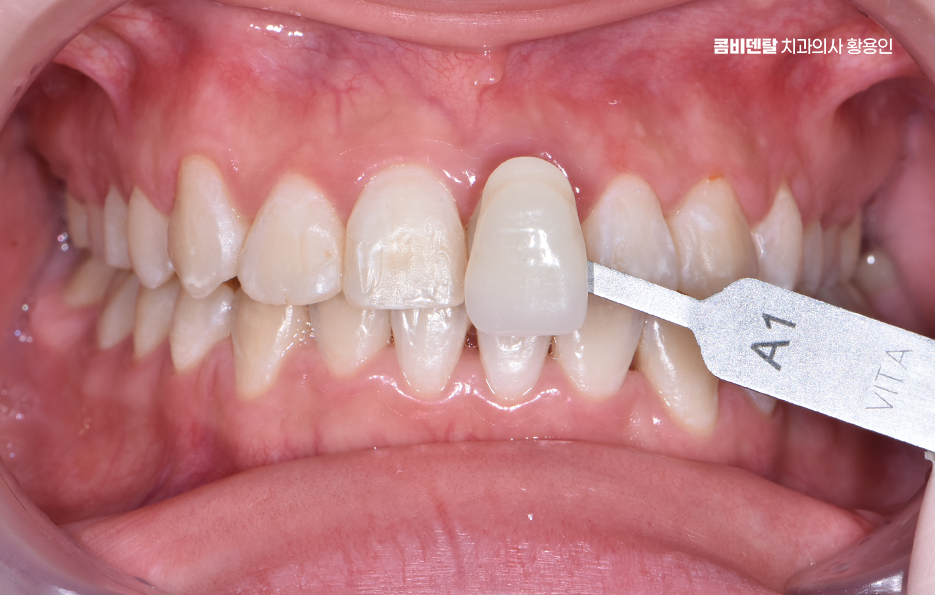
Whitening yellow teeth is not simply about making the teeth whiter; tooth health must also be considered. Professional dental whitening has the advantage of being performed under the supervision of a dentist. Whitening agents may temporarily cause tooth sensitivity, but at a dental clinic, the condition of the teeth can be checked during the whitening process, methods can be applied to minimize sensitivity, and the gums can be thoroughly protected while taking gum irritation into consideration. In contrast, incorrect use of at-home whitening products may irritate the gums, cause tooth sensitivity, or produce uneven results.
Because each person’s dental condition is different, applying a whitening agent alone does not guarantee the same results for everyone. For example, side effects may occur during the whitening process if there are fine cracks in the teeth, if the discoloration is caused by tooth decay, or if the gums are weak. Dental clinics can consider these factors and provide whitening treatment suited to each individual.
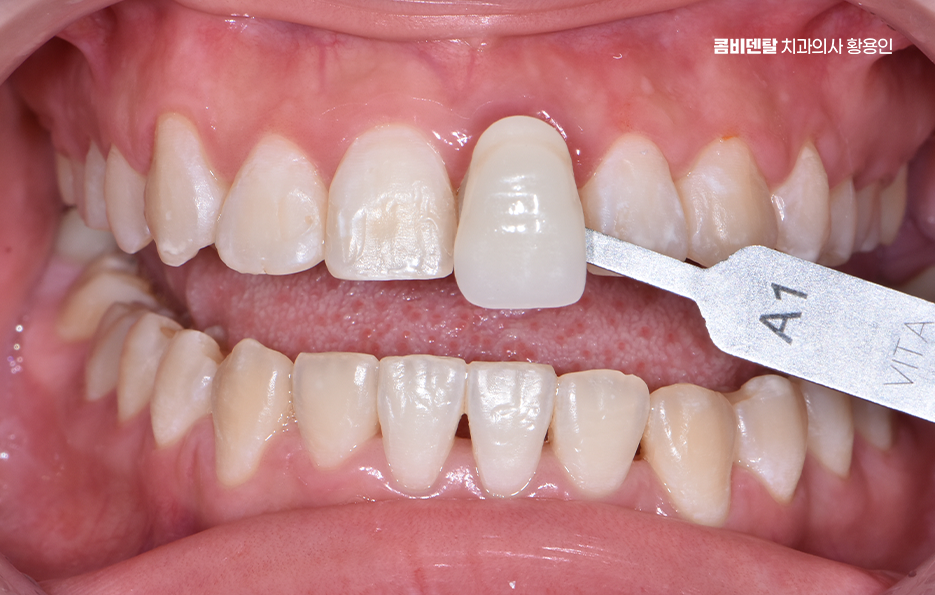
Dental whitening has several advantages, and using the time of whitening as an opportunity to pay closer attention not only to stain management but also to overall dental health can be beneficial. For example, if tooth discoloration caused by smoking is severe, a person may gradually reduce smoking. This may also create a positive cycle, such as helping prevent gum disease that could become a significant problem later in middle age and beyond.
The effects of teeth whitening can last for approximately one to three years. Maintenance varies from person to person depending on their dental care habits, including whether they receive regular scaling. Professional dental whitening as a way to whiten yellow teeth is not simply a procedure for making teeth whiter. It can also serve as an opportunity to take more active care of dental health and, above all, can have positive effects by helping people feel more confident about their appearance.
