I originally thought orthodontic treatment was something unrelated to me. My upper teeth were relatively straight, and I had no discomfort when chewing, so I did not feel that I particularly needed it. However, a few years ago, my lower teeth began to shift slightly and gradually became crooked. At first, I did not pay much attention to it, but whenever I looked in the mirror or took a photo, the crooked teeth kept catching my eye, and I began to worry. I wondered, “Do I really need orthodontic treatment for this?” Since people around me said it was hardly noticeable, I hesitated even more. But as time passed, small inconveniences began to appear one by one.
Many people visit a dental clinic for correction of crooked lower teeth because of concerns like these.
While many people decide to undergo orthodontic treatment for aesthetic reasons when their teeth are crooked, it can also become more difficult to keep the teeth clean with age. This may negatively affect not only the teeth themselves but also gum health, which is why many adults begin orthodontic treatment because of crooked teeth.
Today, I will discuss in general how crooked lower teeth can be corrected. Crooked lower teeth are a common tooth-alignment issue experienced by many people. In particular, because the lower teeth are arranged in a narrower space than the upper teeth, they often become increasingly misaligned over time.
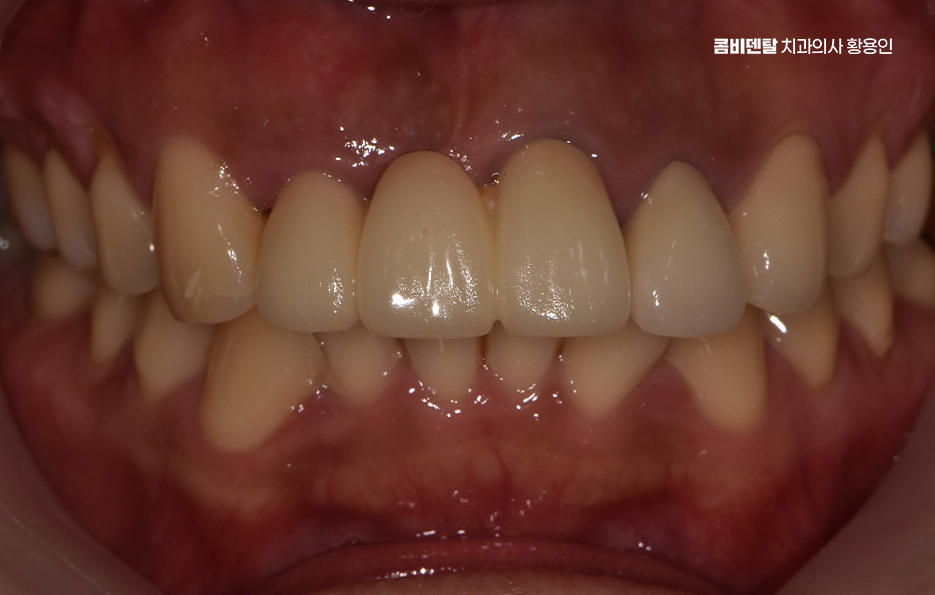
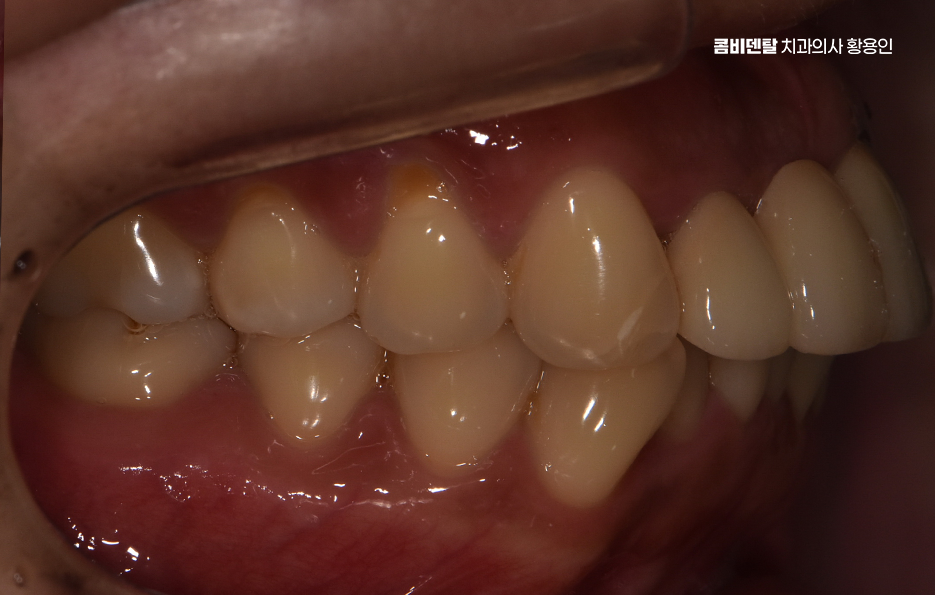
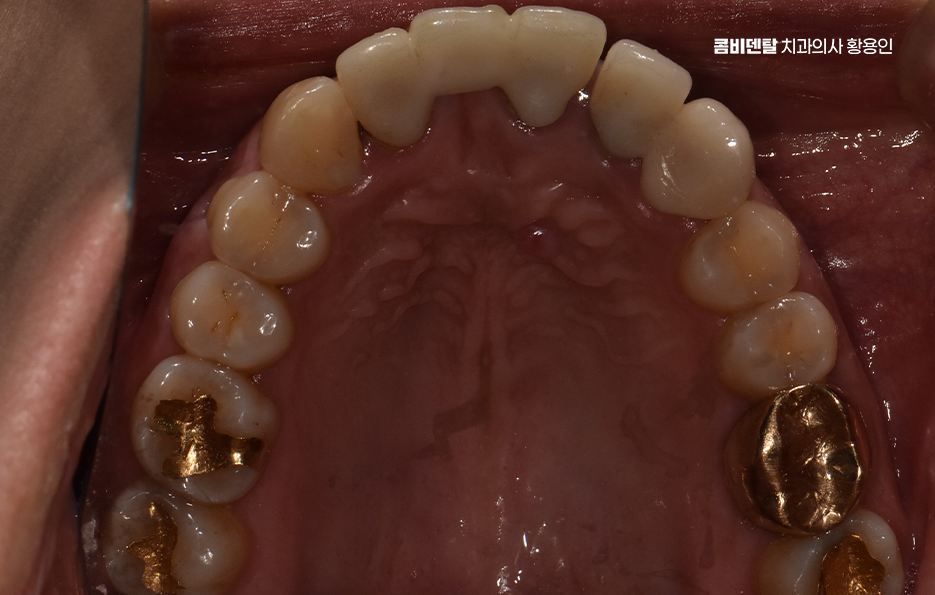
Crooked lower front teeth may be less noticeable than crooked upper teeth and may not cause any particular discomfort at first. However, leaving them untreated can lead to various problems. It can affect not only appearance but also the bite, gum health, and chewing function. Therefore, it may be important to correct the issue early rather than waiting until it becomes more serious with age.
The first problem that may appear when the lower teeth become crooked is an imbalance in chewing function. The upper and lower teeth need to meet properly for normal chewing, but if crooked lower teeth cause the molars to become misaligned as well, their contact with the upper teeth may be disrupted, making it difficult to chew food properly. In particular, when the lower teeth are severely misaligned, the bite with the upper teeth can become unbalanced, placing excessive force on certain areas of the teeth. If this condition continues, some teeth may wear down more quickly and, in severe cases, the jaw joint may also be affected.
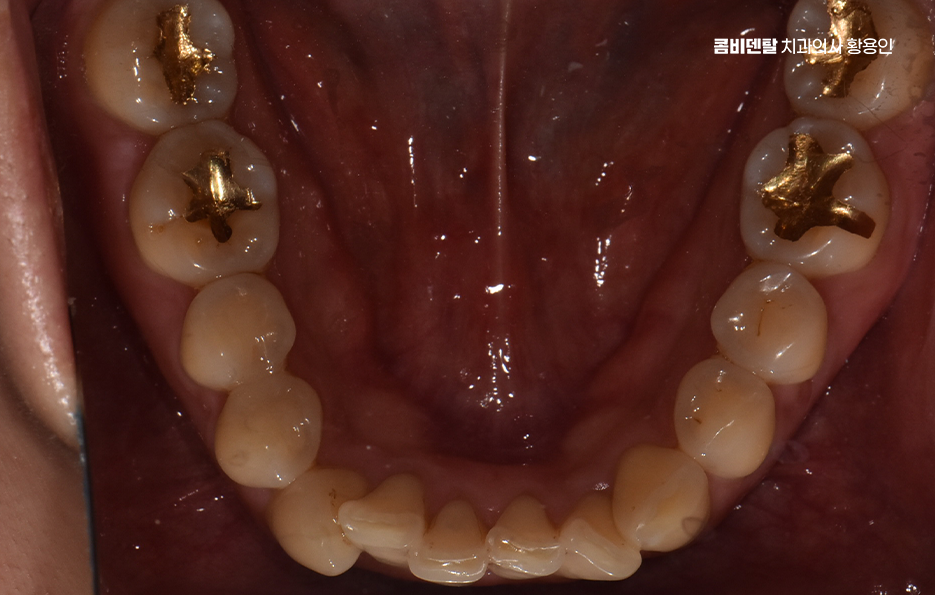
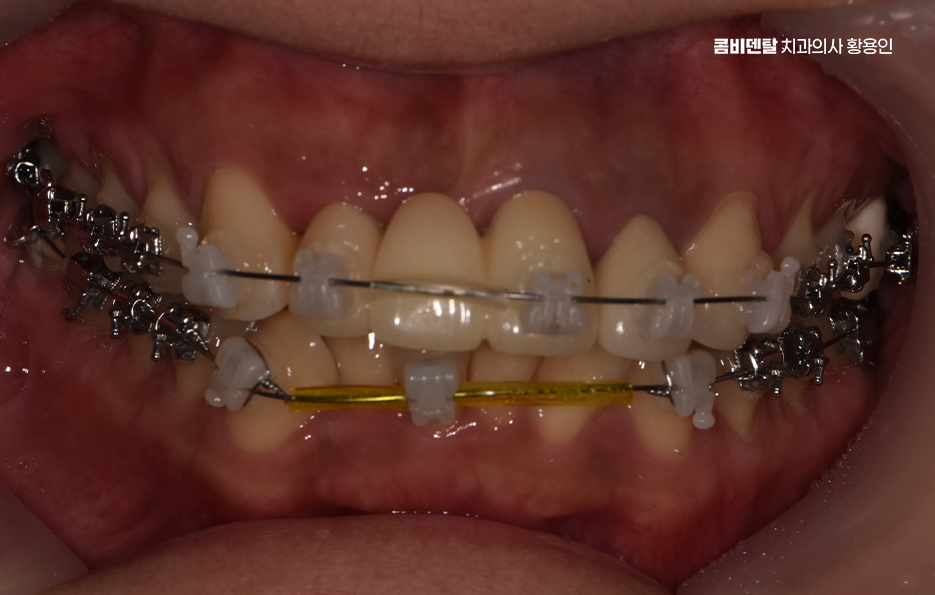
In addition, when the lower teeth are crooked, food can become trapped more easily between them. When the teeth are straight, food debris can be removed relatively easily with brushing or flossing. However, crooked teeth can be more difficult to clean properly, which may increase the likelihood of cavities or gum inflammation. The lower teeth are also an area where tartar caused by saliva tends to accumulate, so they can be more easily neglected than the upper teeth. For this reason, crooked lower teeth require particular attention.
Crooked lower teeth can be corrected through orthodontic treatment. This can provide various positive effects beyond the aesthetic improvement of straightening the teeth.
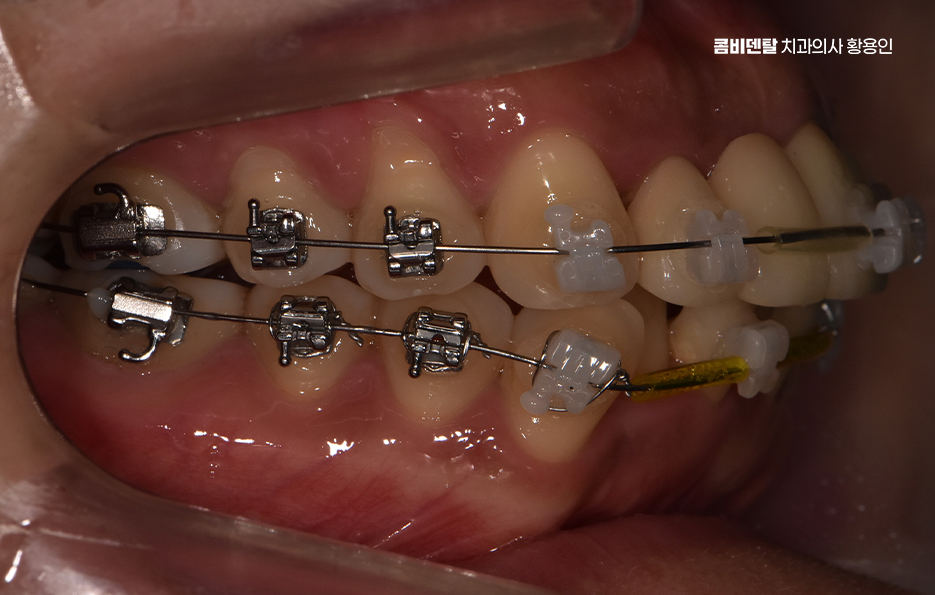
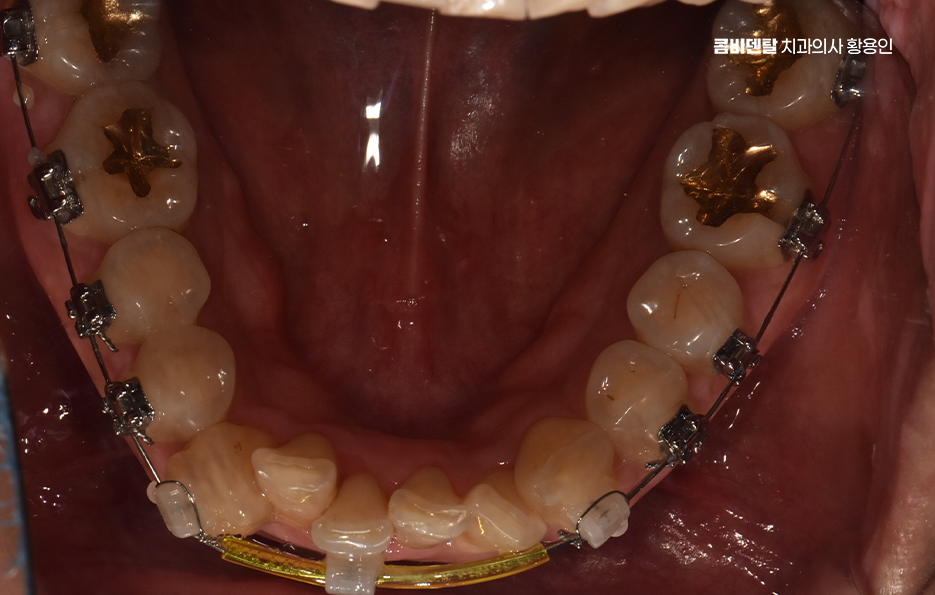
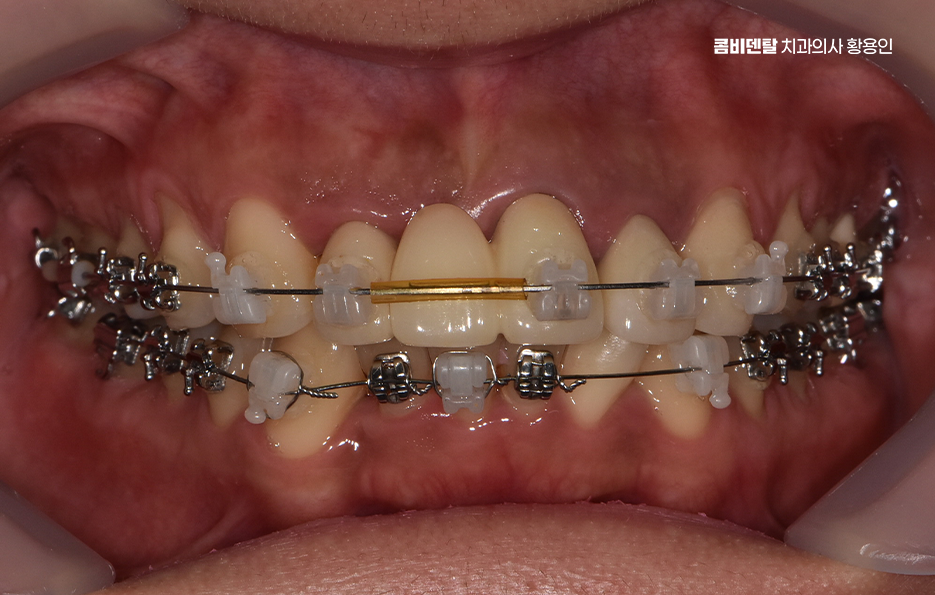
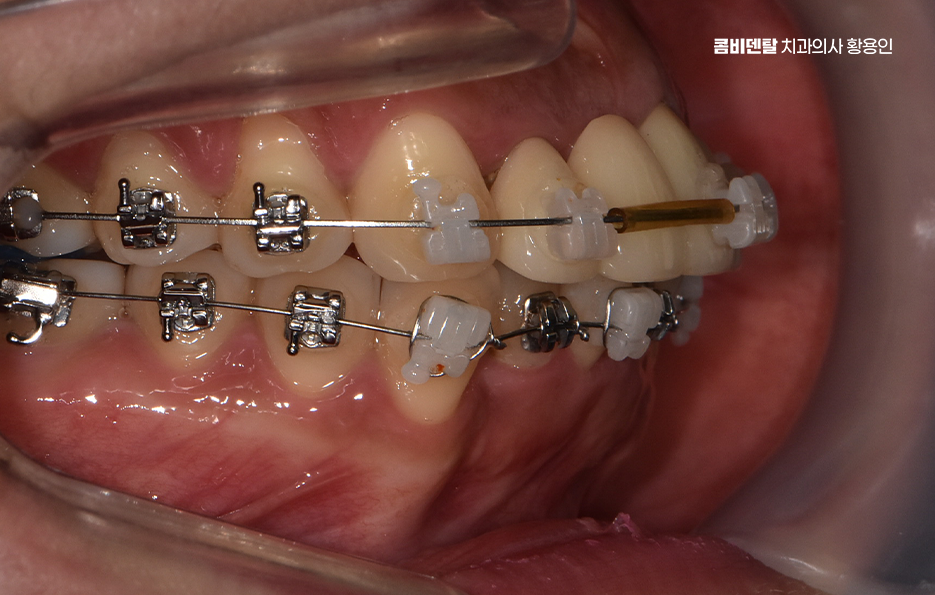
First, correcting crooked lower teeth may improve the bite and chewing function, make dental care much easier, and bring positive aesthetic changes. Straight teeth can create a natural, healthy impression and help produce a more confident smile. This is one reason many people decide to undergo orthodontic treatment. In addition to improving their appearance, it can also help restore psychological confidence.
One important consideration when correcting crooked lower teeth is how to fill the spaces between the teeth. When the teeth are not properly aligned, there is often either insufficient space or, conversely, gaps between them. As the teeth are moved during orthodontic treatment, the existing spaces may change.
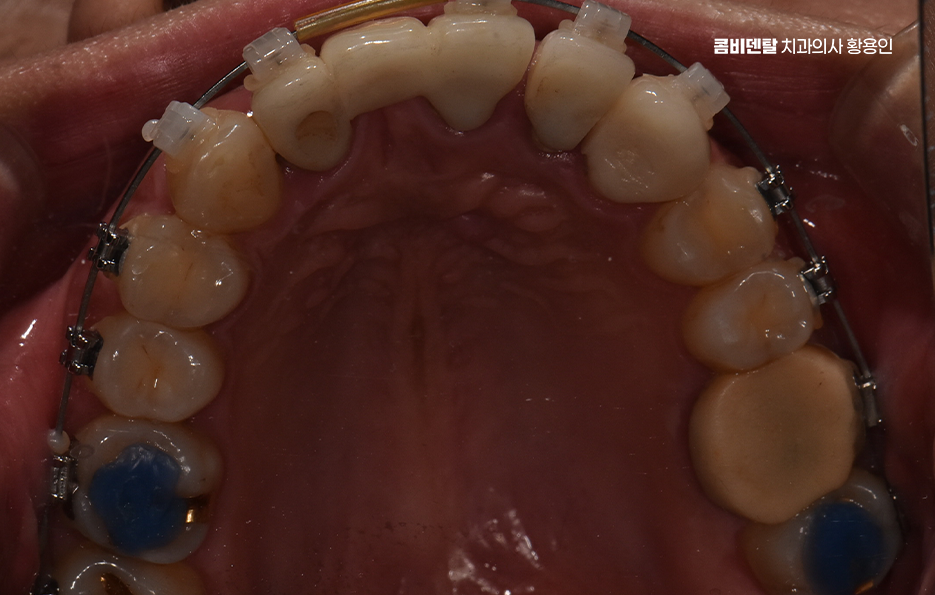
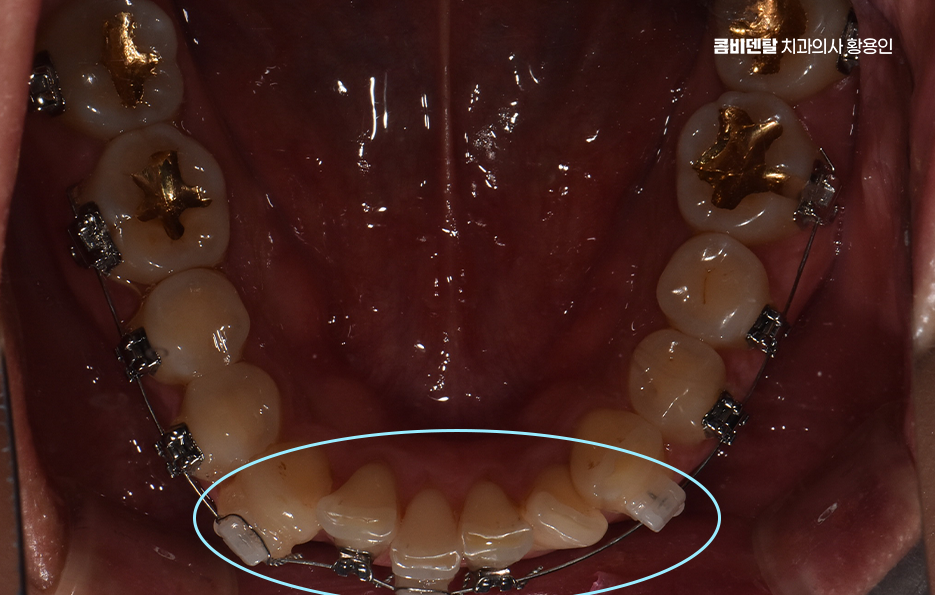
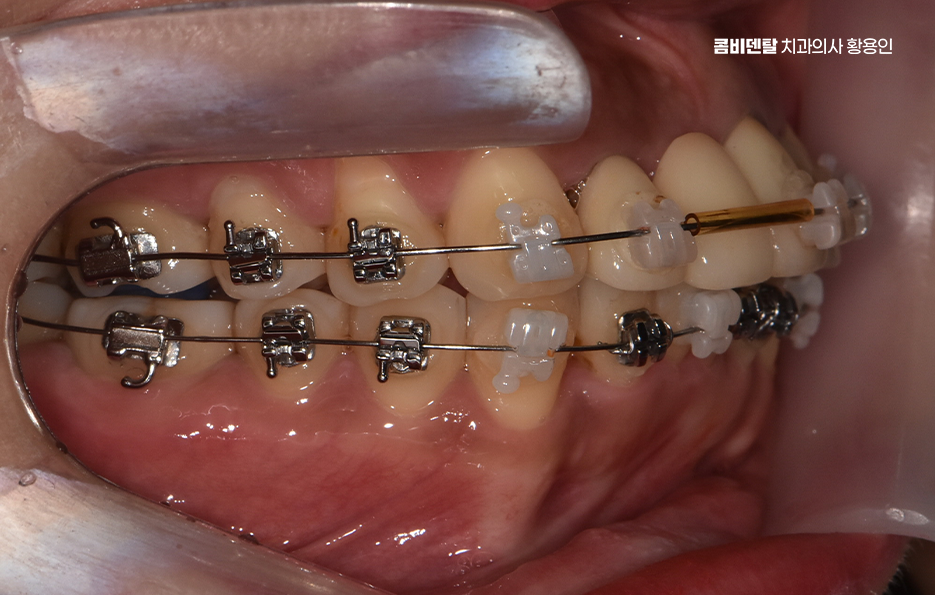
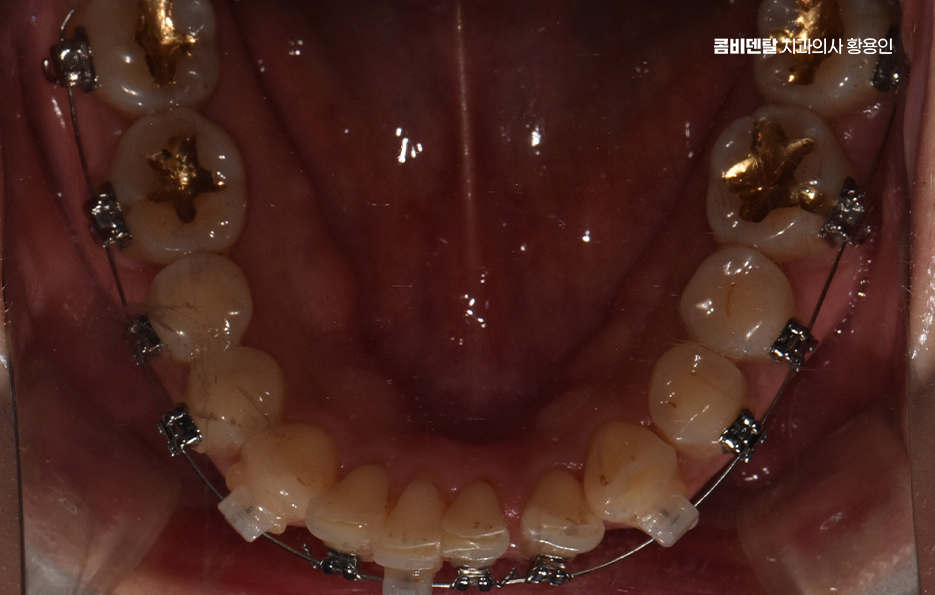
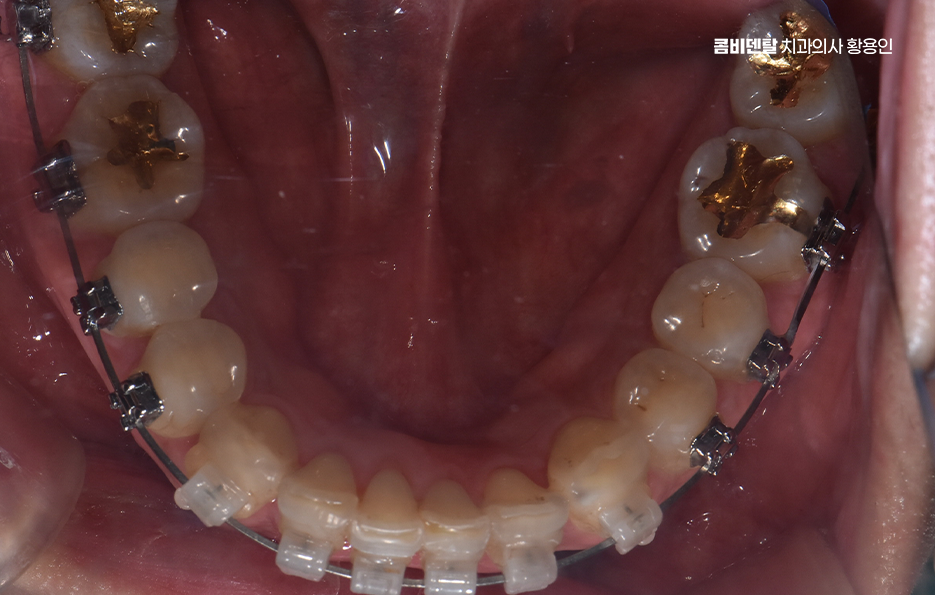
If the spaces between the teeth are not properly closed, food may continue to become trapped, and the likelihood of the teeth becoming crooked again may increase. Orthodontic treatment should therefore take each person’s tooth alignment and skeletal structure into account. Although facial changes are also an important point to monitor, it is essential to accurately predict not only how to straighten the lower teeth but also how to move each tooth precisely during treatment.
The front teeth generally play a functional role in cutting food. If the upper and lower front teeth do not meet properly, problems may develop with age, such as chips at the edges of the front teeth or progressively worsening misalignment. For this reason, treatment plans should be established systematically from a comprehensive perspective. In particular, unlike in the past, many people today actively seek orthodontic treatment even when their front teeth are only slightly spaced or crooked. As a result, many people begin treatment after their 30s. Even as an adult, do not assume that it is too late. If you need orthodontic treatment, it is recommended that you undergo a detailed examination.
