When I first got inlay treatment, I felt fairly at ease. For several days before the treatment, the inside of my molar had felt strangely sensitive, and I had a sharp pain every time I chewed food. Without even noticing it, I had gotten into the habit of chewing only on the opposite side. But after going to the dentist and being diagnosed with a cavity, I felt relieved during the inlay restoration treatment, thinking that I would finally be okay.
But that sense of stability did not last long. For a few months after the treatment, everything was fine. I could chew on either side without any problem, and I felt like I had adapted so naturally that I even forgot the inlay was inside my tooth. But at some point, I began to feel a strange foreign-body sensation around that area.
In this way, after receiving dental treatment once, if there is no particular pain, many people forget about the restoration and think the treatment went well and they can just go back to normal life. However, restorations also have a lifespan, and depending on the patient's lifestyle and maintenance, that lifespan can become shorter.
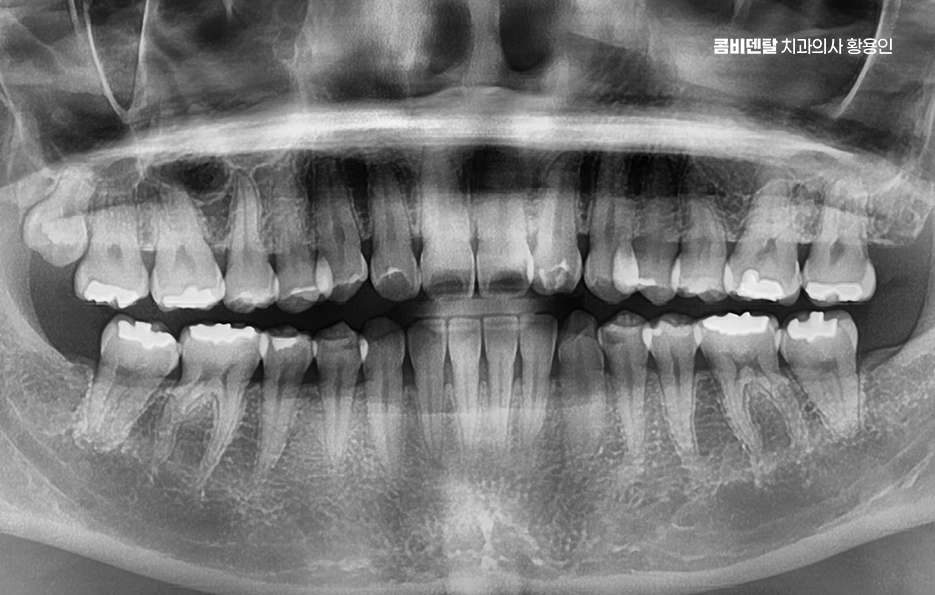
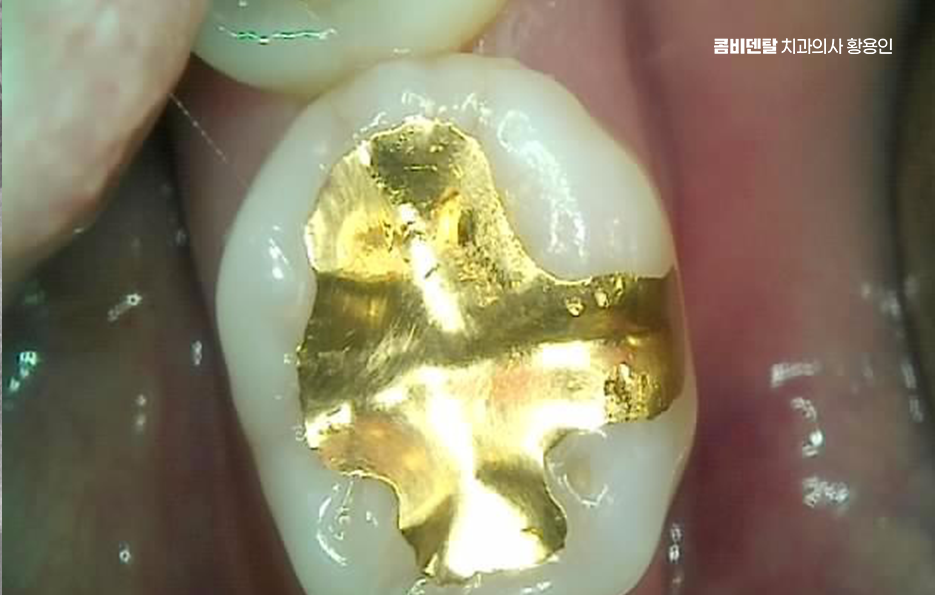
Especially if a long time has passed since the inlay treatment and pain after inlay treatment suddenly appears in that area, it may be a sign that you need to look again at the hidden problem beyond simple discomfort. An inlay is a treatment method in which the damaged part of a tooth affected by decay is removed and the empty space is precisely filled with an inlay made of gold or ceramic.
When the cavity is deep and the damage is extensive, a crown is the right choice, but inlays are often selected when there is relatively more natural tooth structure that can be preserved and root canal treatment is not necessary. If pain after inlay treatment occurs not right after treatment but years later, the cause can be varied, but it is generally likely to be secondary decay under the restoration, a tiny gap between the inlay and the tooth, nerve damage, or a problem caused by gum disease.
One of the most common causes of pain after inlay treatment is secondary decay, meaning a new cavity that forms under the inlay. An inlay is a custom restoration made from a precise impression, but over time, the bonded area can wear down little by little or gaps can form.
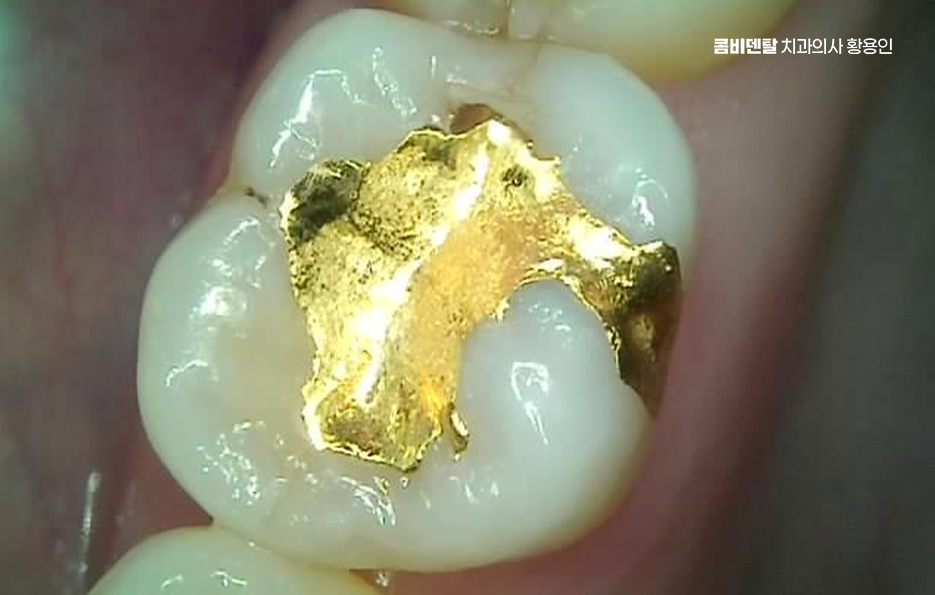
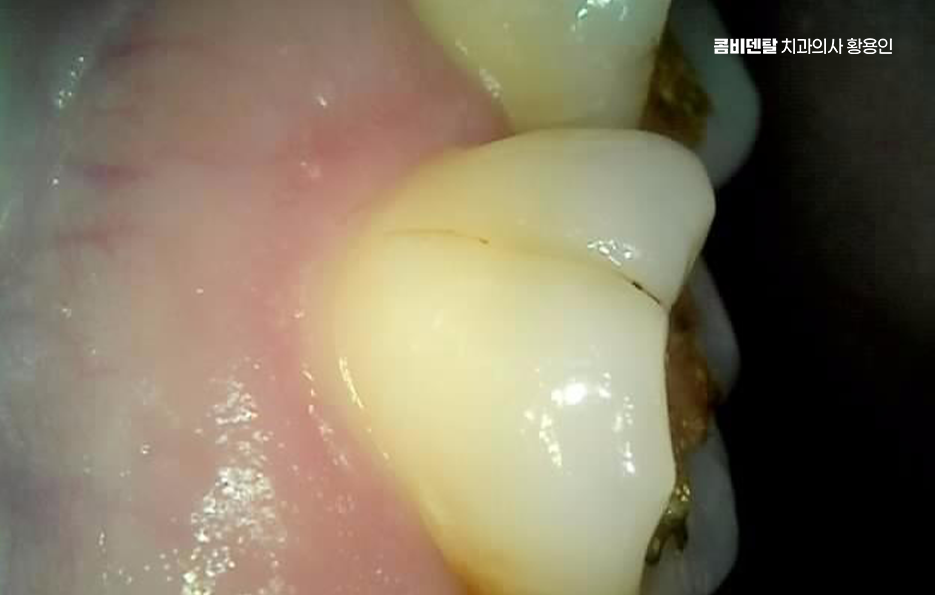
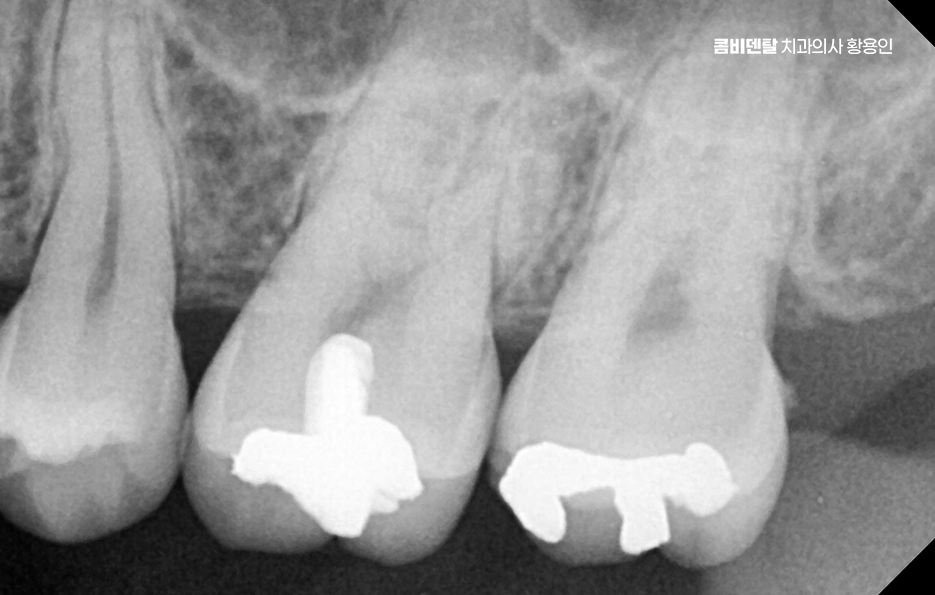
If food debris or bacteria get into these gaps, decay can slowly progress from the inside even if the surface looks fine. In particular, if a long time has passed since the inlay treatment, the adhesive may have degraded and the bond may have weakened, and if your oral hygiene has not been good, the area may also have been exposed to more bacterial attack.
Because this kind of secondary decay is covered by the inlay, it is often not visible from the outside. In most cases, it becomes noticeable only after symptoms have progressed considerably, such as sensitivity, pain when chewing, or a heavy, uncomfortable feeling in the gum area. By the time the problem is recognized through symptoms, the secondary decay is often already at an advanced stage.
The second cause of pain after inlay treatment is when a gap forms between the inlay and the surrounding tooth. Even if the inlay fit properly at the time of the original treatment, over time the tooth may wear slightly, the gums may recede, or the boundary between the inlay and the tooth may shift, creating a gap. In simple terms, this can also lead to decay on the adjacent surface. This gap can lead not only to decay but also to periodontitis, a foreign-body sensation, and sensitivity, and it may also irritate the gums and cause food to get stuck frequently between neighboring teeth.
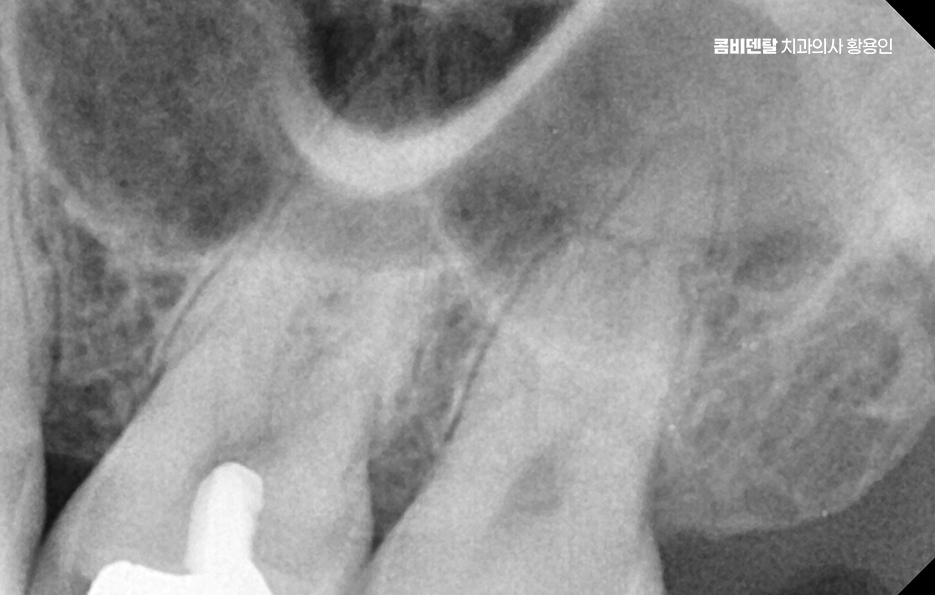
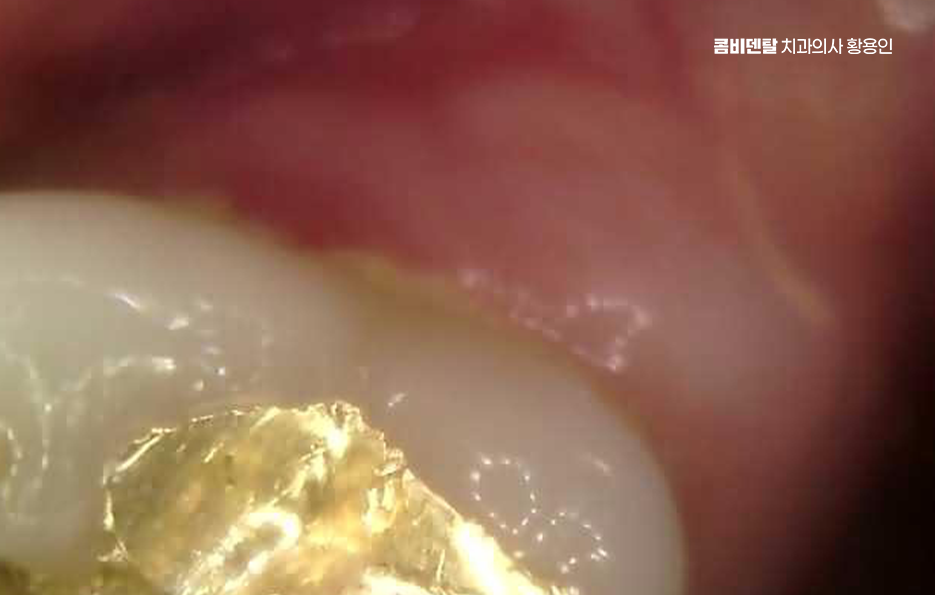
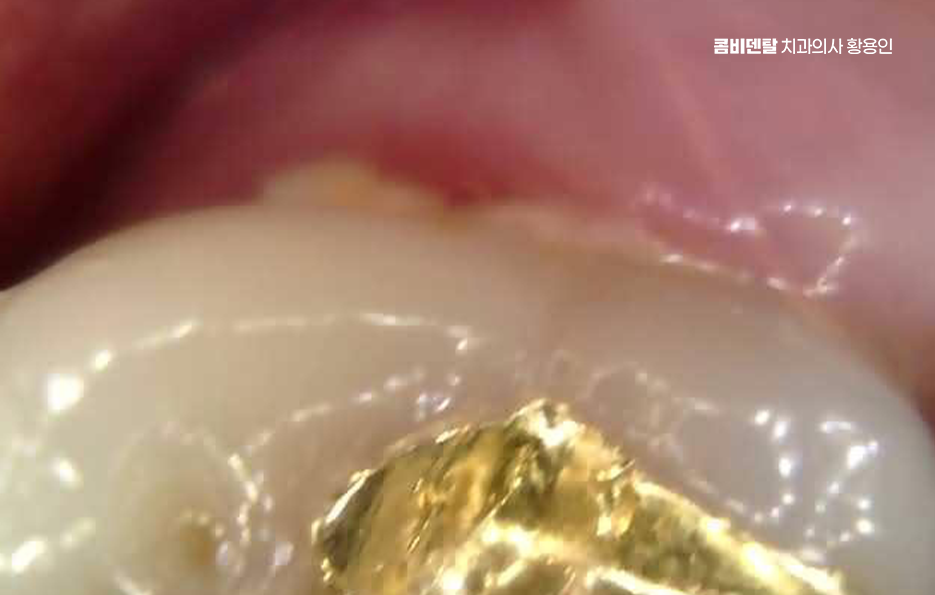
Also, if the pain after inlay treatment is mainly felt in the gum area, it may not be a problem with the inlay itself but rather an inflammation of the periodontal tissues around the tooth. When a long time has passed after inlay treatment, especially if the tooth is in a location that is difficult to clean, tartar can accumulate and progress into chronic periodontitis. In severe cases, the gums may recede, the tooth may become loose, or pain may occur in the gums.
In such cases, treatment usually starts with scaling or gum treatment, and because the approach changes completely depending on where the pain is felt and how it feels, it is better to set the treatment direction through an accurate diagnosis rather than taking medicine on your own.
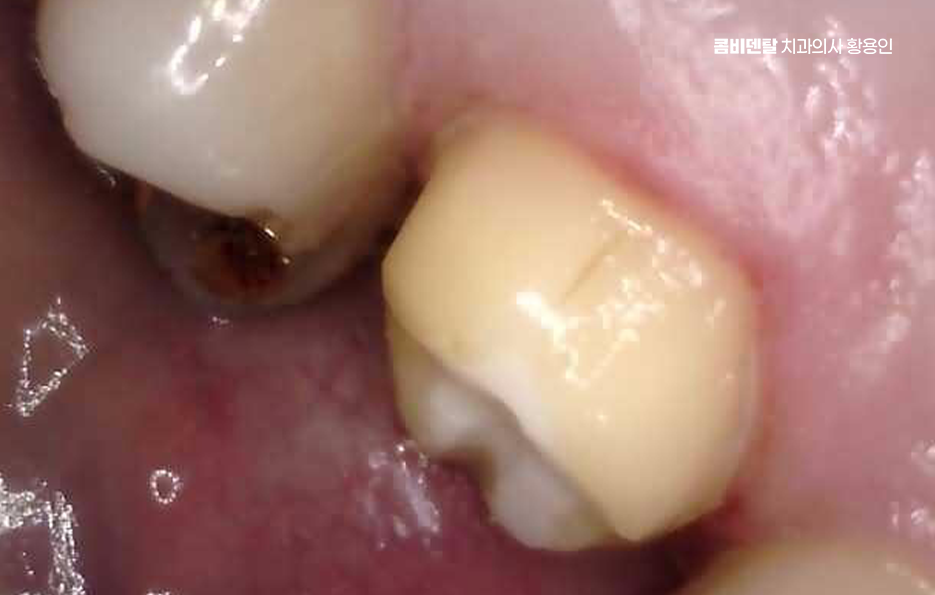
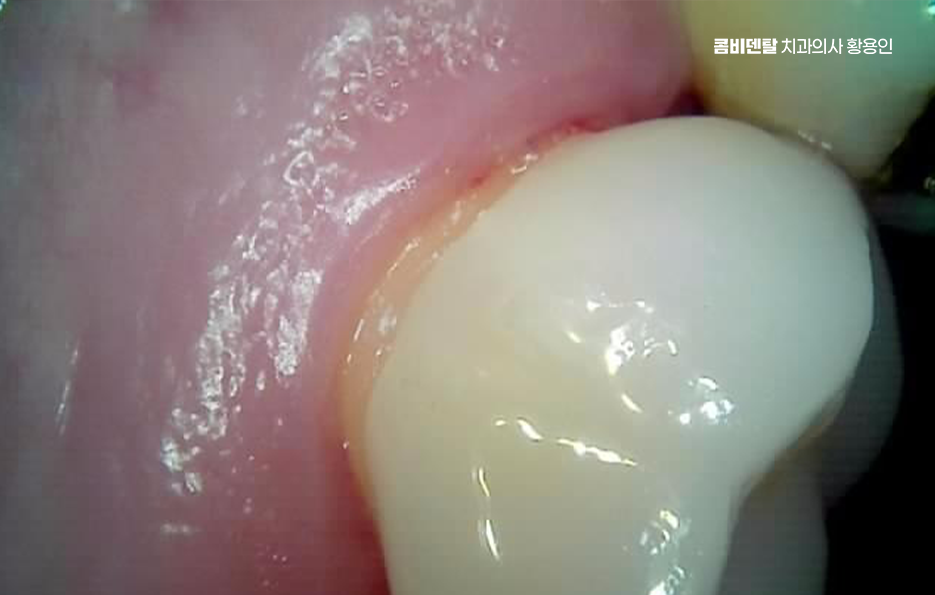
Treatment for pain after inlay treatment depends on the cause, but if damage to the tooth in the treated area has progressed, treatment often needs to continue to root canal therapy and a crown. That is why regular checkups and prompt action when symptoms appear are important for preserving natural teeth. If periodontal problems are also present, gum treatment should be actively carried out as well so that the health of the natural teeth and gums can be maintained.
In the end, pain that appears in a tooth long after inlay treatment can arise from many different causes. Rather than just enduring it and hoping it will get better on its own, it is important to manage the lifespan of the restoration through regular follow-up. Because it usually develops gradually due to a combination of factors such as the internal tooth structure, the condition of the inlay bond, gum health, and bite problems, and then becomes noticeable all at once, timely replacement and retreatment, if needed, can be an important step in protecting your precious natural teeth.






Previous image
Next image

Previous image
Next image


Previous image
Next image




Previous image
Next image