I had actually known the term malocclusion for a long time. I also knew that it literally means a condition where the teeth do not fit together properly. But once I learned that malocclusion can be more than just a cosmetic issue and can also cause functional problems, the discomforts I had brushed off without thinking began to come back to mind.
When I smiled, my front teeth seemed to overlap slightly, and I felt that my molars were a little misaligned, but I thought it was not a major problem. I could chew food, my speech was not uncomfortable, and food did not get stuck between my teeth very often, so I simply assumed that this was just a difference in everyone’s dental structure. But one day, I started to feel like one side of my molars was being strained more when chewing, and there were more days when my jaw joint felt stiff after waking up.
In this way, malocclusion can lead to various problems, but the degree to which they affect daily life can vary from person to person, and the timing can also differ. So some people may not feel a major problem right away, while others may see the issues appear one by one later on.
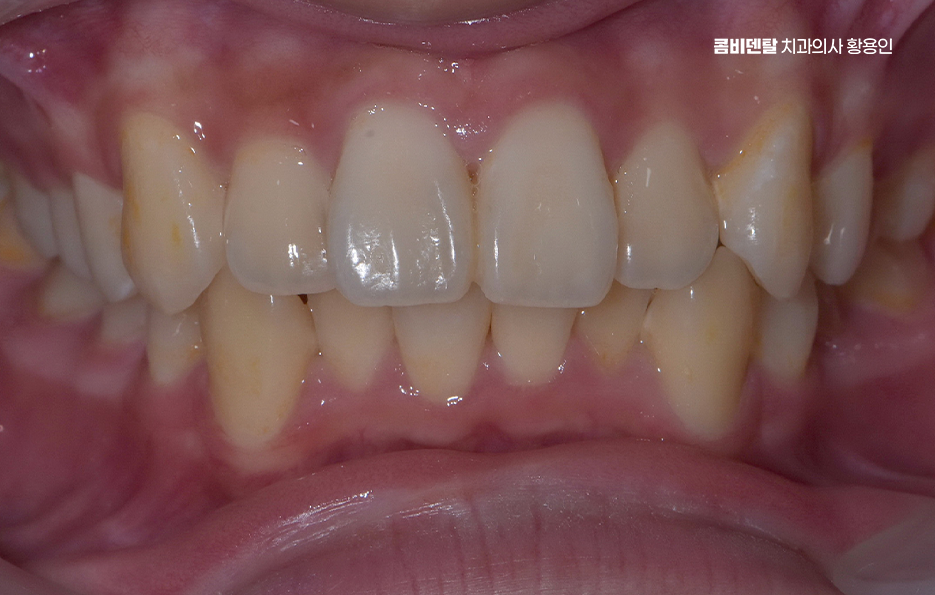
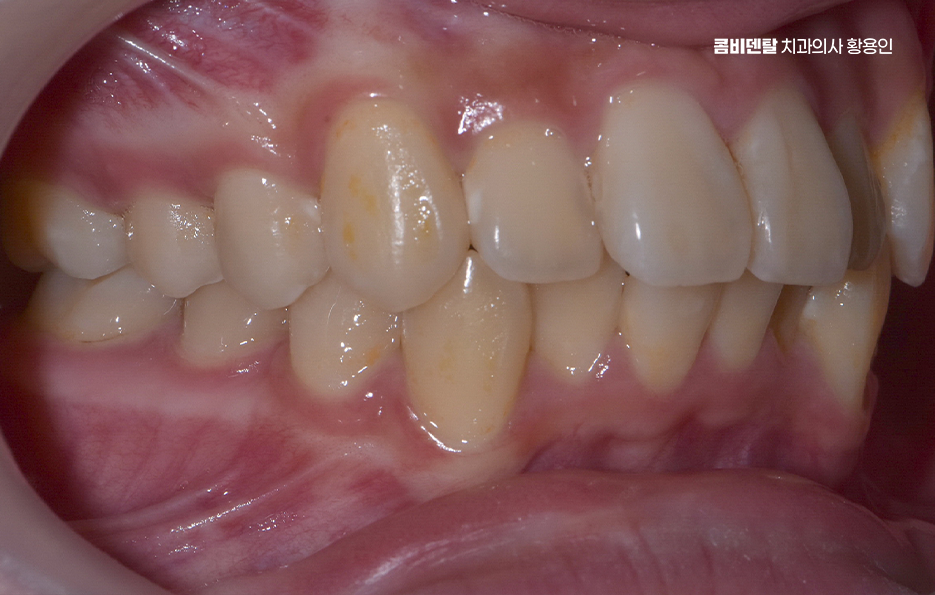
In fact, malocclusion is more than just having uneven tooth alignment. It can affect how the upper and lower jaws fit together, chewing function, jaw joint balance, and even overall health. However, many people view malocclusion only as an aesthetic issue and postpone orthodontic treatment, or do not get it at all, thinking, “Teeth just need to be used for chewing.”
But in reality, if malocclusion is not corrected and is left as is, the problems that can arise are surprisingly complex. They worsen over time and may eventually progress to a level that is difficult to resolve with orthodontic treatment alone. That is why it is important to recognize that establishing a treatment plan early is more efficient and a better way to protect your health.
The first problem that appears when malocclusion is left untreated is a functional problem with the teeth. If the upper and lower teeth do not fit together properly, it ultimately means you cannot chew food properly. This places a burden on the digestive system and, over the long term, can cause gastrointestinal problems or indigestion.
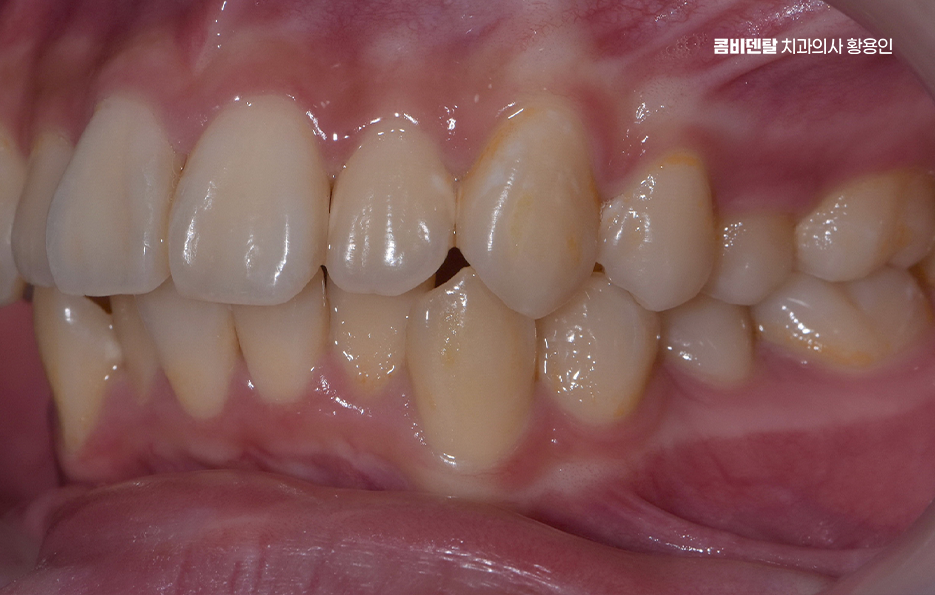
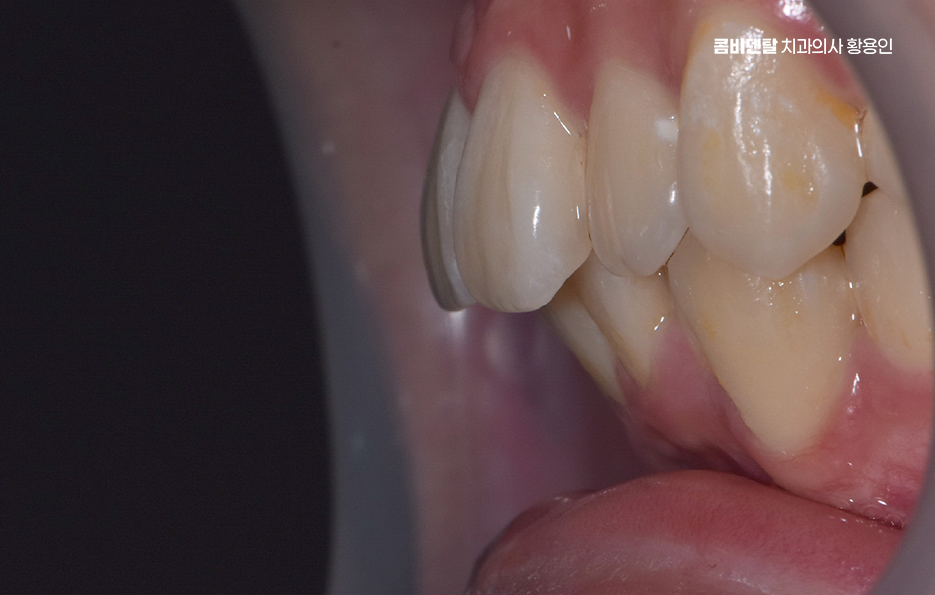
In particular, when the bite is misaligned, excessive force is placed only on certain teeth. As a result, some teeth wear down or break quickly, while teeth that are barely used can have weakened periodontal tissue, increasing the likelihood of gum recession or periodontitis. And when the teeth are not evenly aligned, even careful brushing makes it easy for food particles and bacteria to remain between teeth or on the back surfaces of the teeth, so it is natural that the risk of cavities also increases. In the end, malocclusion can lead to a combination of problems: impaired chewing function, shortened tooth lifespan, and gum disease.
If malocclusion is not corrected, its effects on facial shape and the temporomandibular joint should also not be underestimated. When the teeth are not aligned, jaw movement is more likely to become asymmetrical. This can cause one side of the jaw to develop excessively, one side of the face to appear more protruded, or in severe cases, progress into a temporomandibular joint disorder with symptoms such as clicking sounds in the joint or difficulty opening the mouth.
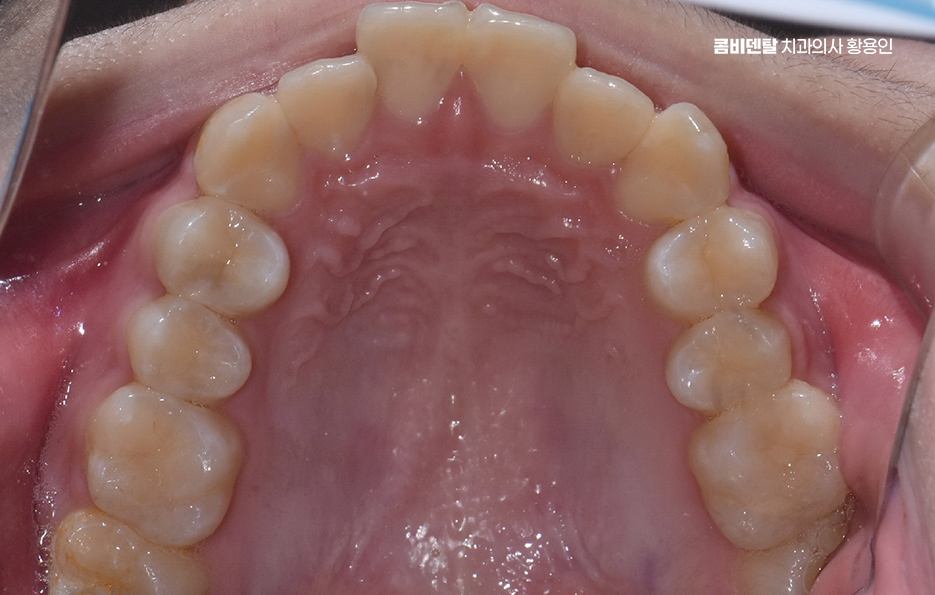
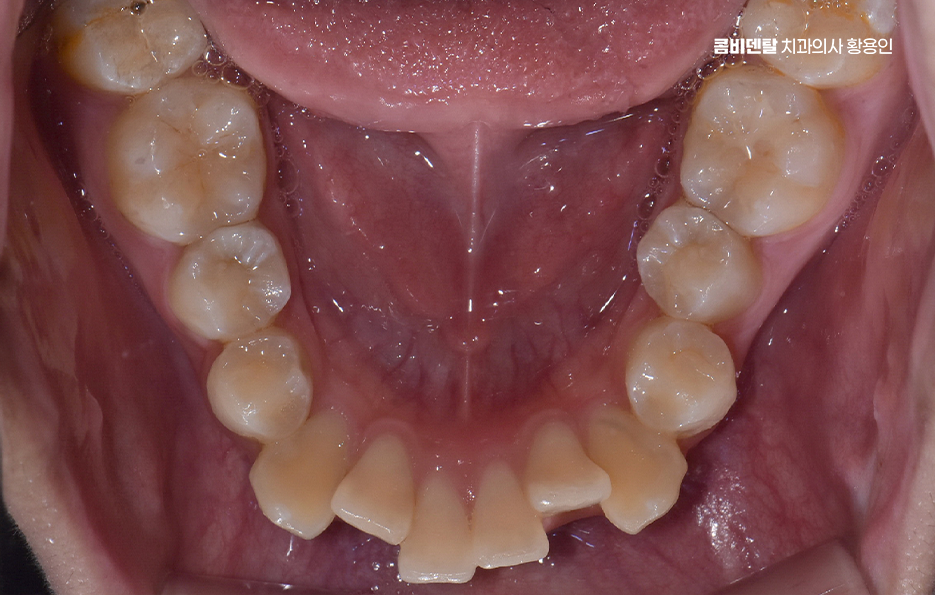
Once these problems occur, they may not be solved with simple orthodontic treatment alone. Physical therapy, medication, and in some cases even surgical correction may be required. So malocclusion is not something that naturally gets better with time. Rather, it can become a hidden risk factor that develops into a more complex and expensive situation over time.
If malocclusion is not corrected, leaving it untreated can also affect appearance. For example, issues such as protruding mouth, a recessed chin, jaw asymmetry, and a gummy smile often stem not simply from tooth alignment, but from the relationship between the upper and lower jaws and muscle balance. When orthodontic treatment moves the teeth into the proper position, the overall face can become more balanced, and the lip line can be naturally improved as well.
However, if this kind of skeletal imbalance continues for a long time, the left-right balance of the face gradually breaks down. As skin elasticity decreases with age, the asymmetry can appear even more noticeable. So it should not be seen as just an appearance issue; it is also necessary to recognize it as an important treatment for maintaining facial skeletal balance and a favorable impression.
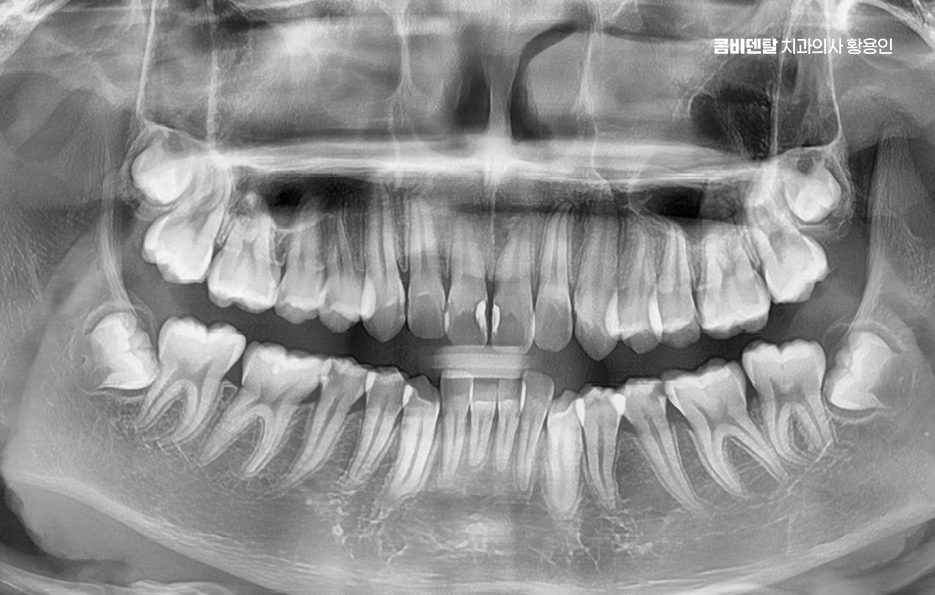
Then, what kind of treatment plan should be made to address these malocclusion problems? The first step is a precise diagnosis and analysis. Even if the teeth look somewhat aligned to the eye, in reality the jaw center line may be shifted, or the teeth may be tilted abnormally. Therefore, an accurate treatment plan can only be made after carefully analyzing the structure of the jaws, tooth alignment, and bone condition through panoramic X-rays, cephalometric X-rays, intraoral scanners, 3D CT, and similar tools.
At that point, the treatment plan changes depending on whether the problem is skeletal or only related to tooth alignment. Whether extraction is needed, what orthodontic method is used, and how long treatment will take all differ. Depending on the age group, the plan also changes based on whether the patient is still growing or is an adult.
In conclusion, if malocclusion is not corrected, it is not just the shape of the teeth that becomes distorted. The problem can spread into a complex set of issues. The effective way to prevent all of this is to establish an orthodontic treatment plan early and carry it out systematically. Teeth are not just tools for chewing food; they play an important role in maintaining facial shape and affecting every moment of speaking, smiling, and daily life. In that sense, I hope you will come to understand malocclusion correctly again and choose a dental clinic you can stay with long term, especially because the results after treatment should be maintained for life.






 Previous image
Next image
Previous image
Next image

 Previous image
Next image
Previous image
Next image




 Previous image
Next image
Previous image
Next image





 Previous image
Next image
Previous image
Next image





 Previous image
Next image
Previous image
Next image