I never thought I would have a problem with my front teeth. I had often heard that molars usually weaken first, develop cavities, and eventually need crown treatment, so I had a vague belief that front teeth would last a long time because brushing them is usually not difficult. But one day, while brushing my teeth, I happened to notice that one edge of a front tooth had split a little, and at first I thought it was just a bit of wear. As time passed, though, I began to feel that something was wrong, and in the end, I went to the dentist. I was especially cautious because it was a front tooth, and when I was told that I would need a crown, I naturally became worried.
Because people usually think teeth are damaged by cavities, they often let their guard down when it comes to front-tooth damage, since brushing is easier there. But many people actually do get cavities in their front teeth, and because front teeth are relatively thin, they are also more likely than expected to chip or break.
Because front teeth are one of the first areas people notice on the face, aesthetics are very important. If a front tooth is badly decayed, chipped, or discolored, it is difficult to leave it as it is, and even after treatment, it needs to look natural and blend in with the surrounding teeth. For this kind of front-tooth restoration, the appropriate prosthetic treatment is an anterior all-ceramic crown.
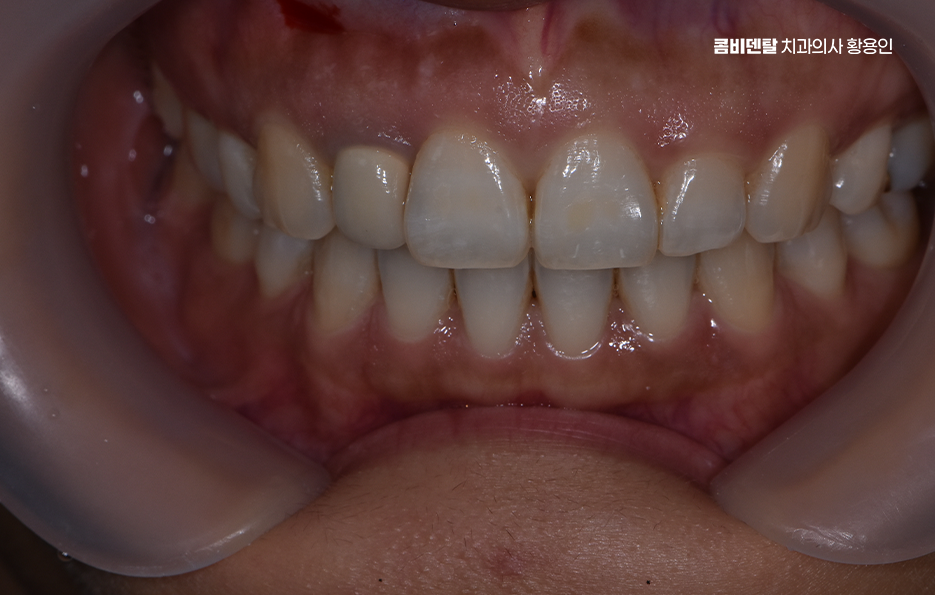
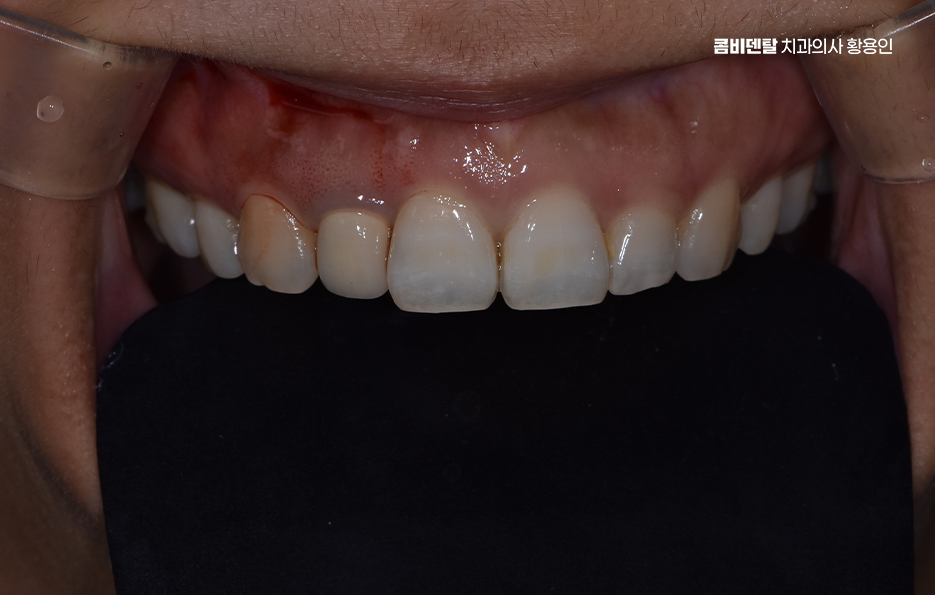
An all-ceramic restoration refers, as the name suggests, to a prosthesis made entirely of pure ceramic with no metal at all. Because there is no metal, the way light passes through it and the naturalness of its color are very similar to real teeth. When used in an area that draws attention, such as the front teeth, it can restore the tooth with almost no visible boundary between it and the surrounding teeth. In particular, because there is no gray shadow or reflective glare when taking photos or under bright light, it can be considered a treatment that provides strong aesthetic results.
Looking at the process of anterior all-ceramic treatment, the first step is an accurate diagnosis. This includes evaluating whether the current tooth condition can be treated with all-ceramic, whether root canal treatment is needed, and how much tooth reduction is required. In particular, front teeth are not assessed as a single tooth alone; the length, color, shape, and even the “smile line” visible when smiling must all be considered together with the adjacent teeth. That is why sufficient consultation and a proper understanding of the characteristics of anterior all-ceramic treatment are needed before treatment begins.
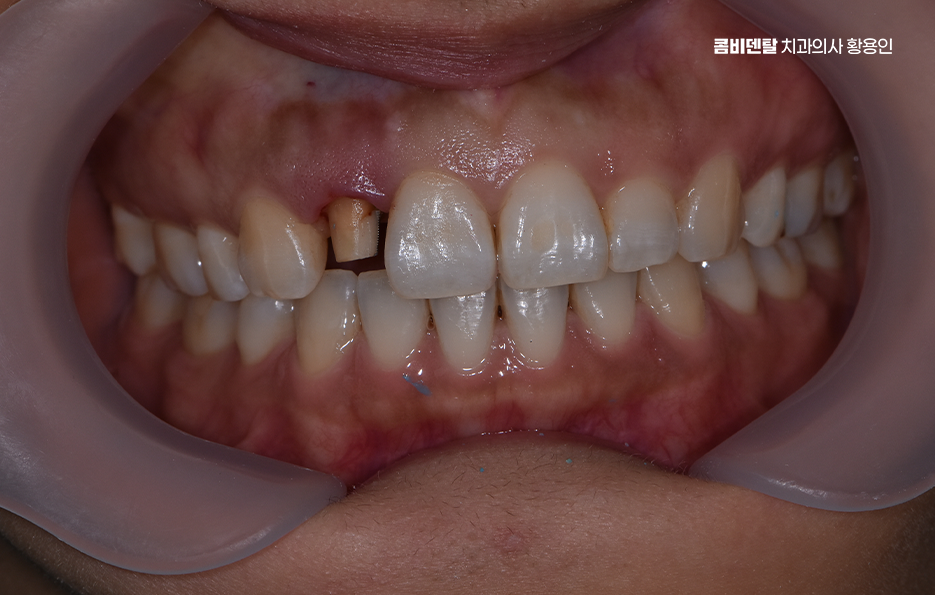
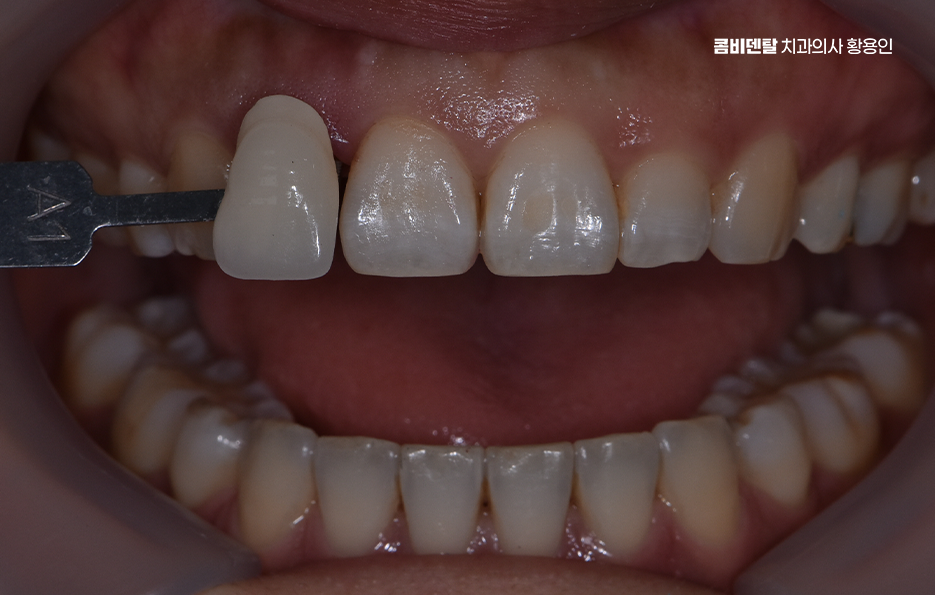
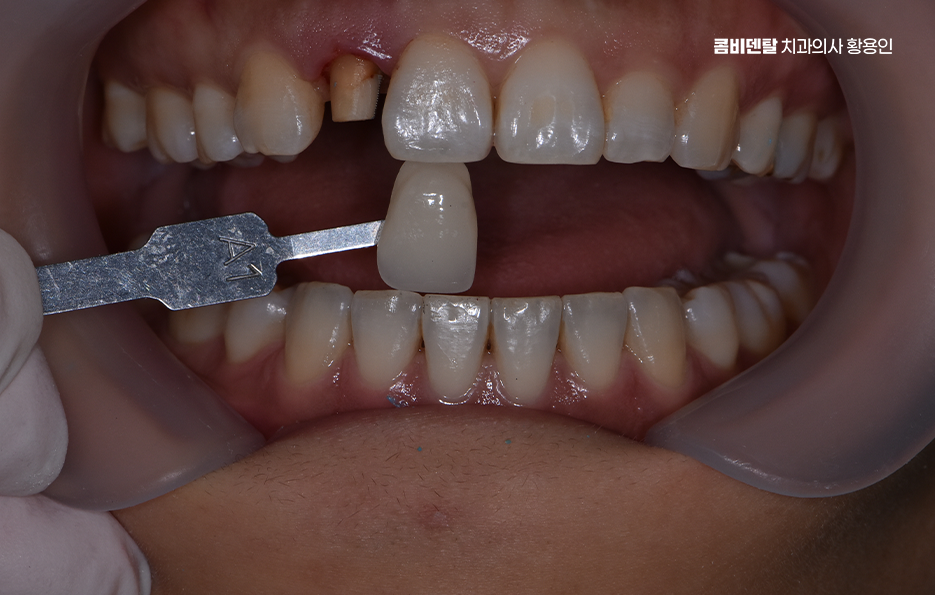
Next, because all-ceramic contains no metal, it must have a certain minimum thickness to maintain strength and natural appearance, which means some amount of tooth structure has to be removed. If too much is removed, there is a risk of exposing the tooth nerve; if too little is removed, the all-ceramic crown may become too thick or look unnatural. That is why it is important to precisely control the depth and direction of reduction. If the tooth is already badly damaged and root canal treatment is needed, endodontic treatment is performed first at this stage before preparing the prosthesis. In addition to the traditional method of taking impressions with plaster, digital oral scanners can now be used to obtain precise 3D data. This can make the process more comfortable for the patient and may also improve the precision of the prosthesis.
The final stage of anterior all-ceramic treatment is bonding the completed all-ceramic crown to the tooth and adjusting the bite. What is important at this stage is how well it blends in with the surrounding teeth. Color is not decided simply by “white” alone; translucency, brightness, and hue all need to be finely adjusted. In particular, front teeth are important for cutting food and speaking, so the bite, meaning how the teeth fit together, must be accurate for long-term use.
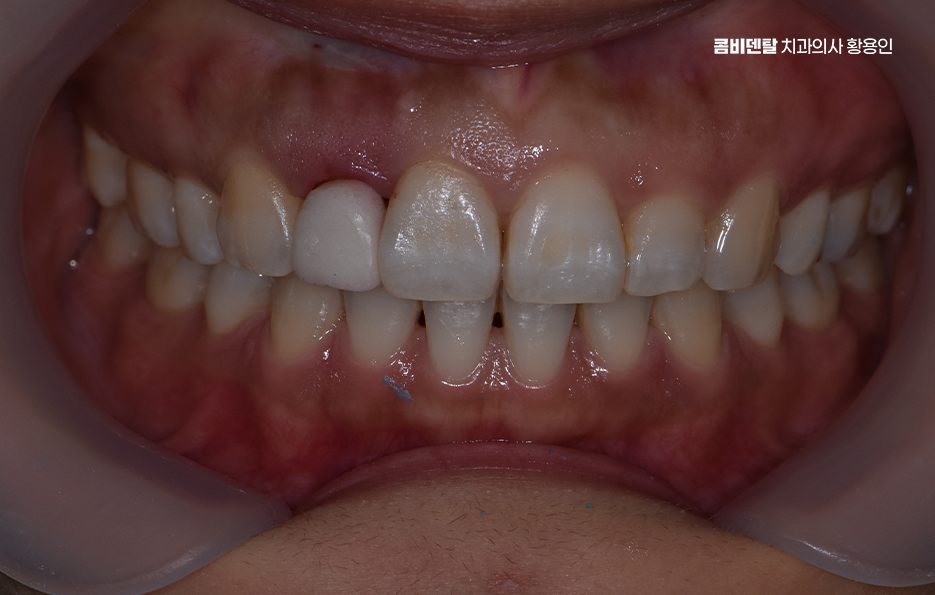
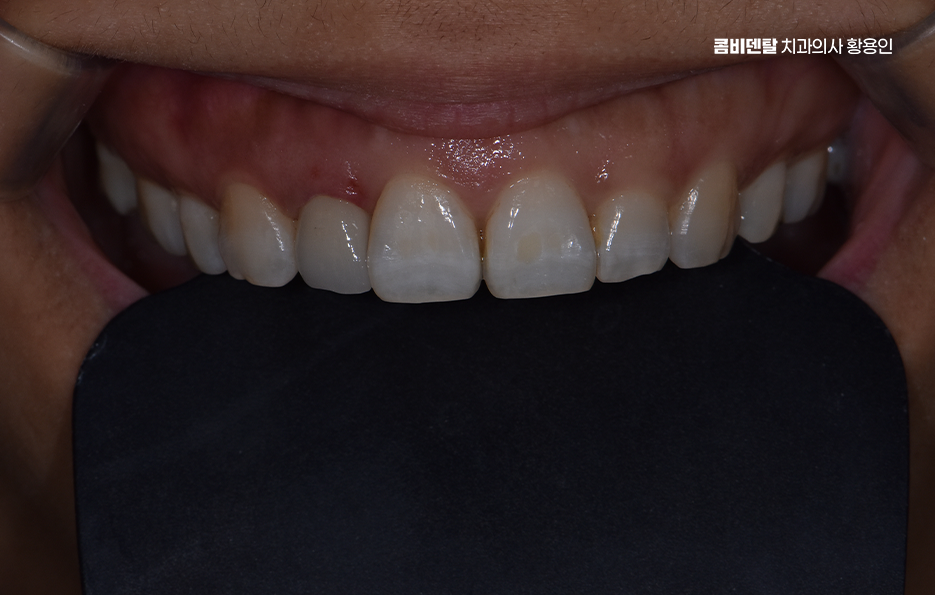
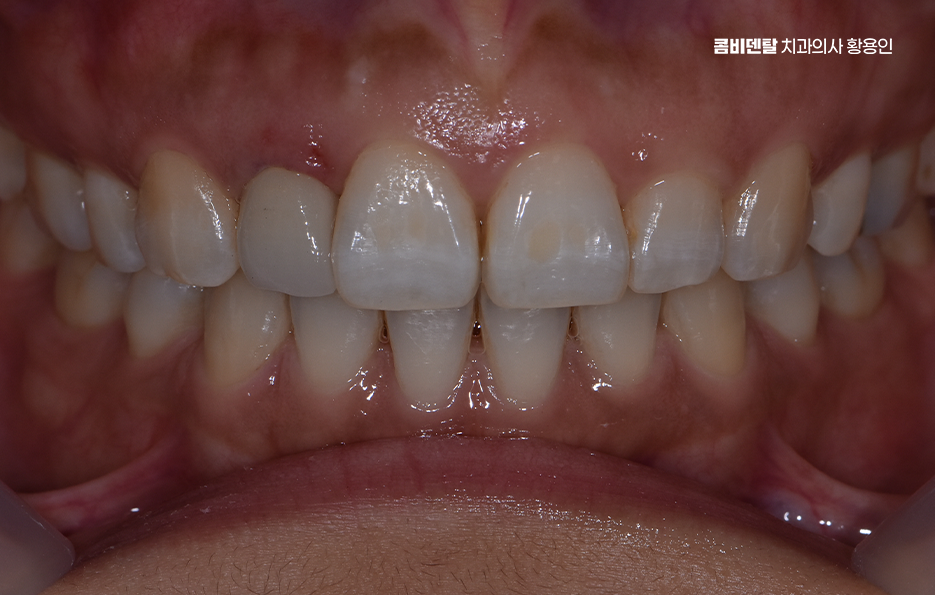
When performing crown treatment on front teeth, all-ceramic crowns are mainly used for aesthetic reasons. However, if the front tooth is severely damaged and there is not much remaining tooth structure, zirconia crowns may also be used with a greater focus on durability. These days, hybrid all-ceramic crowns that combine the advantages of all-ceramic and zirconia are also widely used, so it is best to first consult thoroughly with an experienced dentist about the treatment method that is right for you.
After front-tooth treatment, maintenance becomes even more important. All-ceramic is resistant to discoloration and corrosion, but it can be vulnerable to strong impact. If you have a habit of biting hard foods with your front teeth, opening bottle caps, or clenching your teeth, caution is needed. Regular scaling and checkups are also essential to monitor the condition of the gums around the prosthesis.
Because all-ceramic treatment is a precise procedure that must consider both aesthetics and function, the treatment itself is very important. But unlike metal prostheses such as gold, front-tooth prostheses can chip, so it is important to fully understand that long-term maintenance of the prosthesis is directly tied to the lifespan of the natural teeth. I hope you will create a good treatment plan that also considers future care and the durability of the treatment after it is completed.











Previous image
Next image










Previous image
Next image










Previous image
Next image










Previous image
Next image