I knew that there would come a moment when a tooth could no longer be ignored. And I had thought that when that moment came, I might need major treatment, but all I could do was vaguely hope it would be okay. But since it hadn’t hurt that badly until then and had only been intermittently sensitive, I ended up foolishly thinking, “Maybe it’ll just get better on its own.” Still, just imagining the pain made me break into a sweat more than the treatment itself. The sharp sensation cutting deep into the gums, what if the anesthesia doesn’t work well, what if it hurts too much halfway through—these kinds of bad thoughts kept growing. I thought I was the only one with dental phobia, but when I listened to people around me, they said that surprisingly, everyone had felt tense and scared when facing root canal treatment.
Even if it is not full-blown dental phobia, most people tend to feel afraid of treatments such as tooth extraction or root canal treatment. These days, pain management has improved a lot thanks to advances in anesthesia techniques compared with the past, but there are still many people who worry, asking, “Is root canal treatment painful?”
One reason even the phrase “tooth root canal treatment” is frightening is that the idea of “touching the nerve” creates a vague fear of pain. Of course, treatment begins when inflammation has already developed in the nerve inside the tooth, or when the nerve has started to necrose, so at first it can feel sensitive and throbbing.
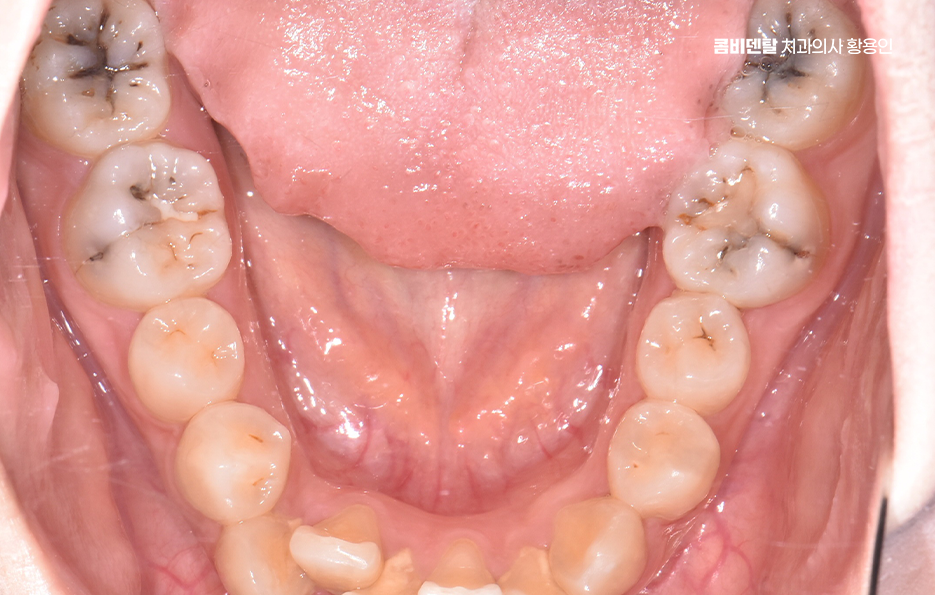
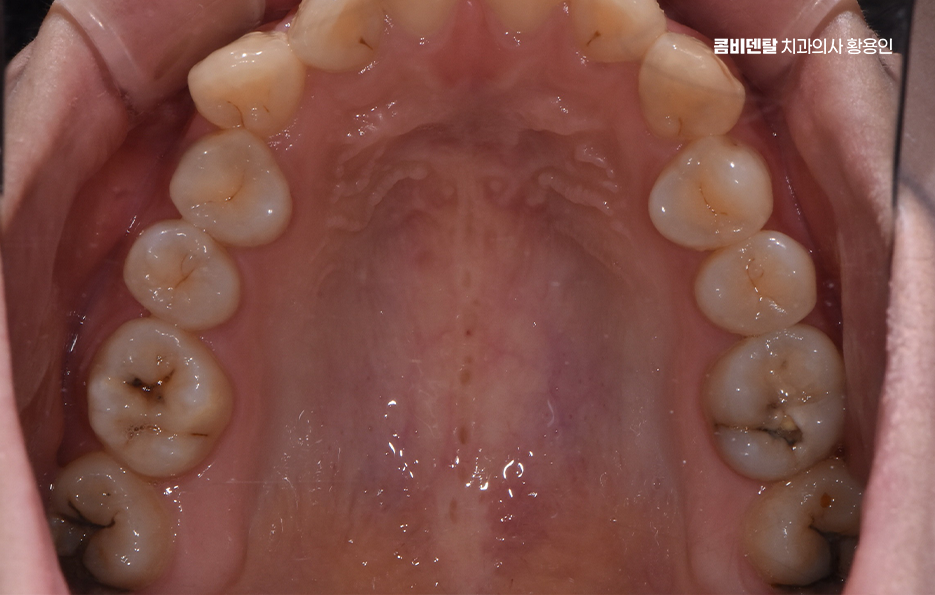
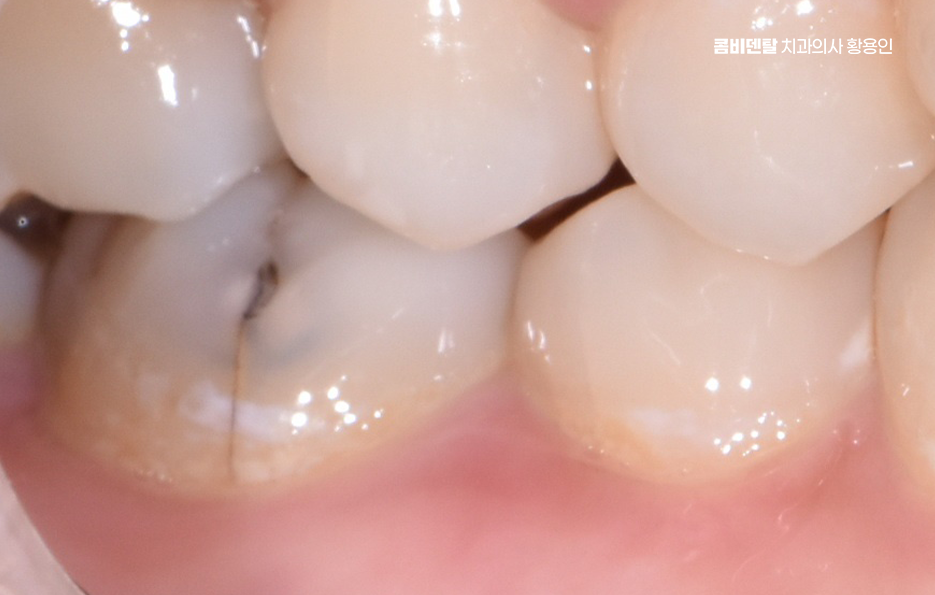
In modern dentistry, precise local anesthesia is administered so that patients feel almost no pain during treatment. However, the problem is not so much the root canal treatment itself, but rather that the condition before treatment has already worsened significantly, so the anesthesia may not work well, or the pressure inside the tooth may already be high, causing throbbing pain for several hours to a day after treatment.
In particular, if the pain gets worse at night or if even cold water causes a sudden stabbing sensation, it is likely that the nerve inflammation has progressed deeply or that the nerve has become infected and is undergoing inflammation. In such cases, treatment is carried out by removing the nerve and disinfecting the root canal to reduce pain.
If you are wondering whether root canal treatment is painful, it may help to first understand the treatment process a little better. Root canal treatment is carried out in stages. The first step is to remove the inflamed nerve and disinfect the root canal inside the tooth. This is the stage where pain can feel most sensitive, so precise local anesthesia is used to reduce it.
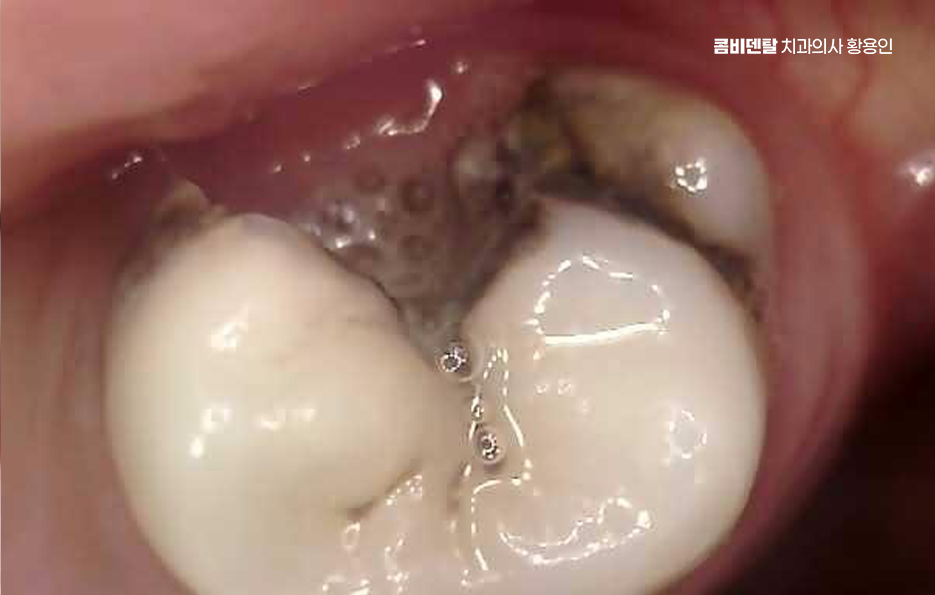
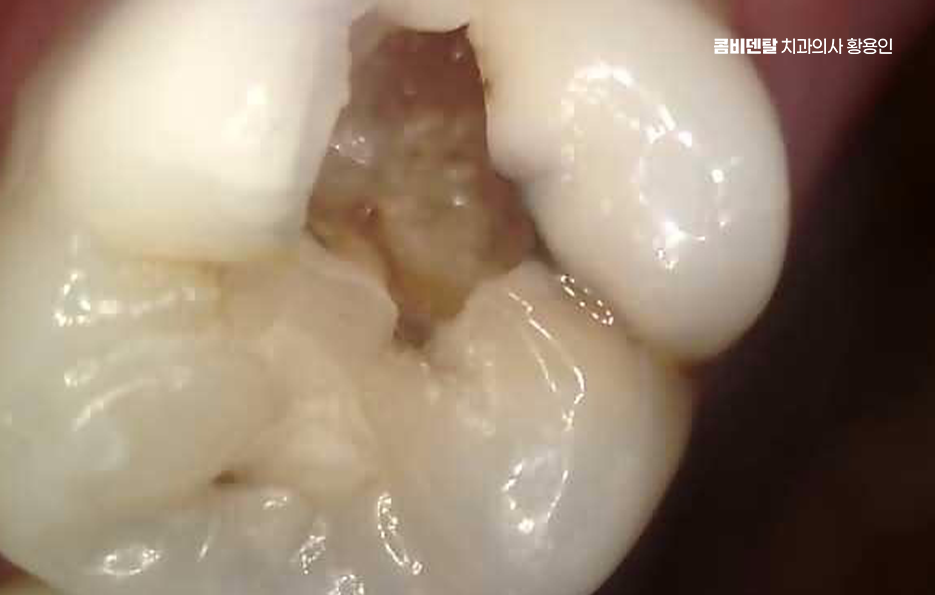
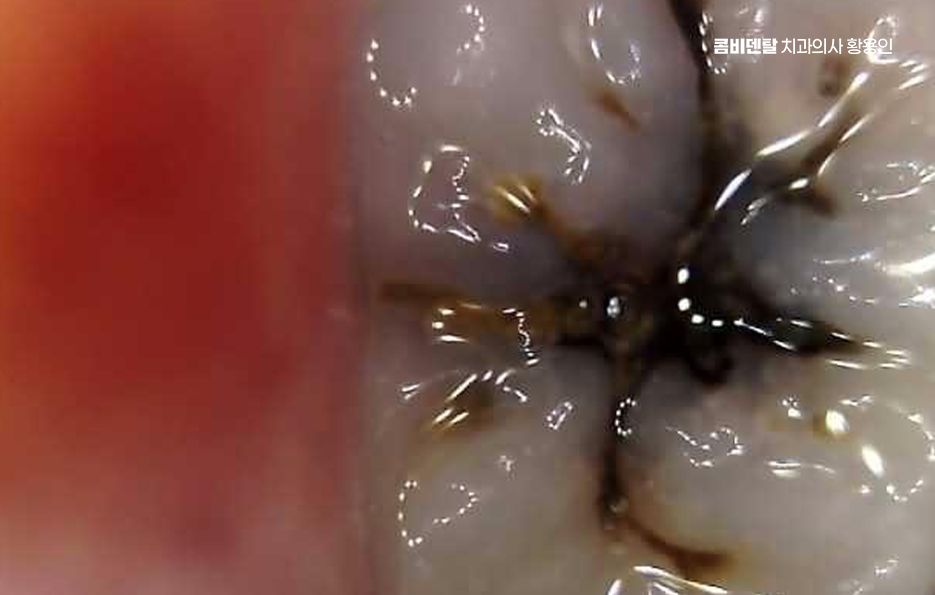
If the nerve has already necrosed, there are even cases where there is no pain at all. If the anesthesia is sufficient, the inside of the tooth is gradually widened with delicate instruments to remove the inflamed tissue and eliminate the infected area. During this process, the sound of the drill or the feeling of pressure may be uncomfortable.
However, because it is mostly a sensation of pressure or a dull feeling rather than actual pain, many people say it was more manageable than they expected. There may be some lingering pain on the first day after treatment, but it can usually be controlled with the prescribed medication or pain relievers such as NSAIDs or acetaminophen. At this time, avoiding very hard or chewy foods and being careful not to chew with the treated tooth as much as possible can help recovery.
For simple cases, such as front teeth with fewer root canals, treatment may be completed in one or two visits. But if the inflammation is severe or the root canal structure is complex, it may take three to four visits. In particular, molars with multiple roots often have thin, winding nerves, so disinfection and filling with medication must be done more precisely, which can take longer.
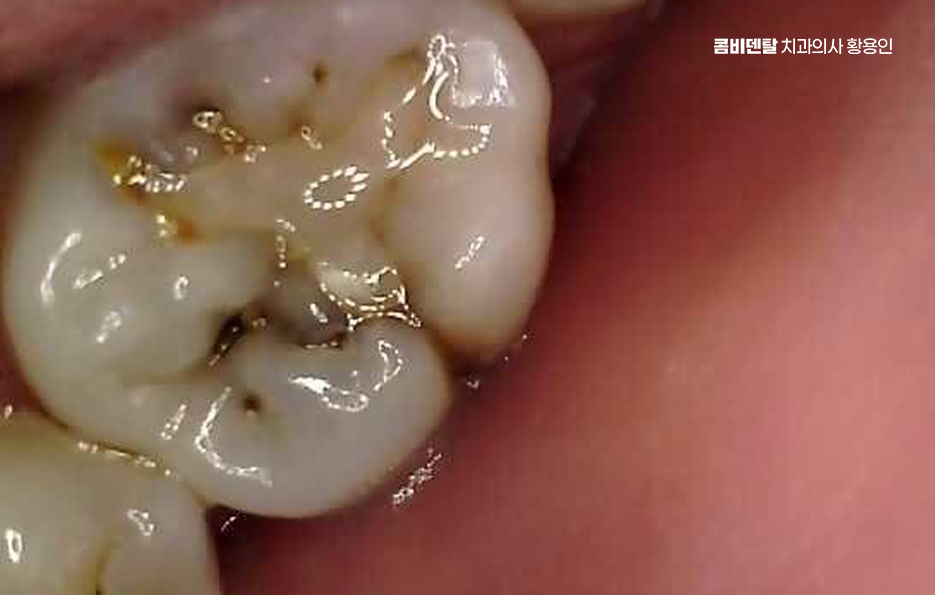
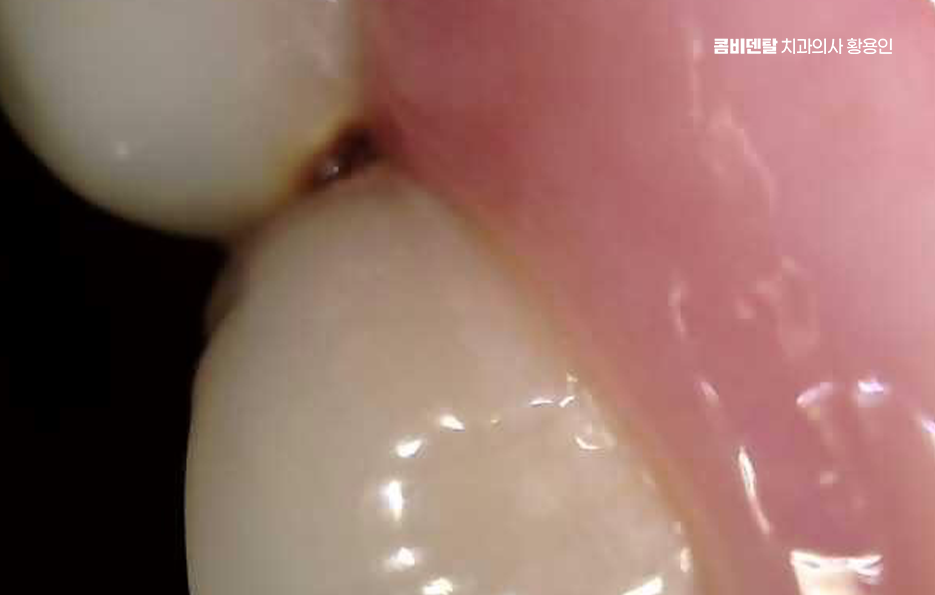
What matters in this process is completely disinfecting the inside of the root canal, then filling it with medication and sealing it so that bacteria cannot enter again. If this is not done properly, secondary infection can occur over time, and you may need root canal treatment again, or in the end, even tooth extraction. That is why the first treatment must be carried out precisely. Once root canal treatment is completed, reinforcement material is placed on top and a crown is fitted to protect the tooth. Since a tooth with the nerve removed loses moisture and nutrient supply, it gradually weakens and becomes more likely to break, so getting a crown after root canal treatment is the usual next step.
Because so many people are curious and afraid about whether root canal treatment is painful, many delay treatment out of fear of pain. But the longer you delay root canal treatment, the higher the pressure inside the tooth becomes and the deeper bacteria can invade. In such cases, a simple treatment may no longer solve the problem, leading to tooth extraction, or in severe cases, deeper problems in the gum bone.
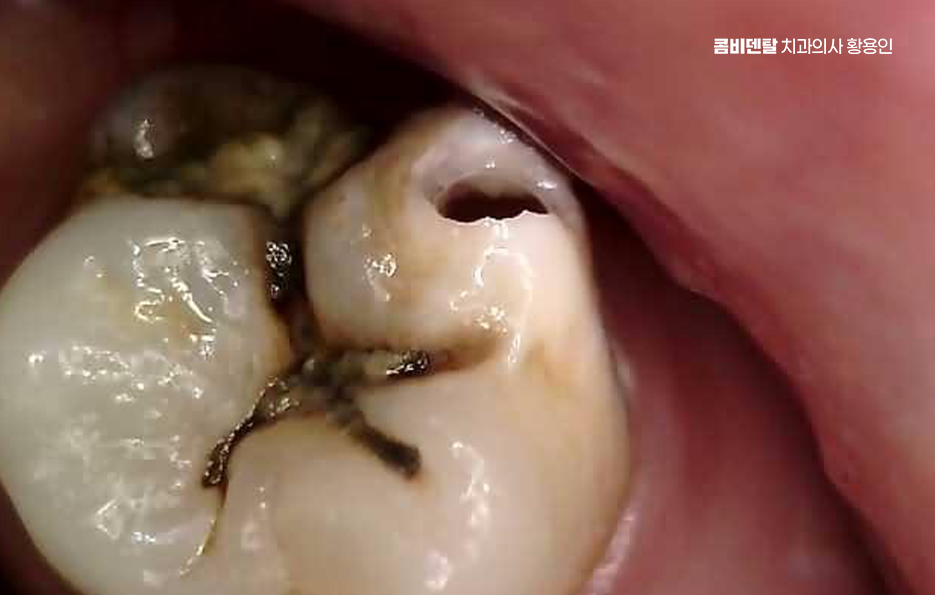
So if your tooth throbs or feels sensitive, do not endure it. Get diagnosed early and, if necessary, proceed with root canal treatment quickly. That is an important point for preserving your natural tooth. Rather than worrying too much about whether root canal treatment is painful, it is worth remembering that anesthetic medications have improved a lot these days, pain is well managed, and if pain continues strongly after treatment, it can be controlled with additional prescriptions or follow-up care. Most of all, you should understand that undergoing treatment, even with some discomfort, is a healthier and more cost-effective choice in the long run than delaying root canal treatment and eventually having the tooth extracted.
In summary, tooth root canal treatment is an important procedure to relieve pain and save the tooth, but it is also a treatment whose successful outcome depends on the patient’s cooperation and care. Many people delay treatment because they are afraid of pain during the procedure or because they think there will be too many visits. But in fact, the earlier the treatment is done, the simpler it is and the less painful it tends to be. Above all, the lifespan of the crown after root canal treatment also depends on how much tooth structure remains, so please remember that responding quickly is what helps preserve your natural tooth, and put that into practice.










 Previous image
Next image
Previous image
Next image









 Previous image
Next image
Previous image
Next image





 Previous image
Next image
Previous image
Next image






 Previous image
Next image
Previous image
Next image