As a child, I grew up without paying much attention to the fact that my teeth were a little crooked, and the adults around me would brush it off by saying, “It gets better when you grow up” or “All kids are like that.” But as I became an adult, every time I looked in the mirror, I became aware that only the front teeth were especially protruding and unevenly aligned. I also found myself forcing my mouth into a shape that kept my upper teeth from showing when I spoke, and I started to think that this was not just an appearance issue. Since only about the four front teeth stood out noticeably, while the canines and the molars behind them were relatively well aligned, full orthodontic treatment seemed like too much. I also became interested because I had heard that partial orthodontic treatment was an option. But when I actually tried to make a consultation appointment at a dental clinic, I had a lot of concerns. Could partial orthodontic treatment alone really improve the front teeth alignment I was worried about? Would it cause problems with the balance of the whole dentition or the bite? Or would I end up regretting it later? Many worries piled up all at once.
For people who are considering orthodontic treatment mainly because of their front teeth, simply knowing that there is a treatment method called partial orthodontic treatment can be a reason to decide to proceed more actively. However, because the cases in which partial orthodontic treatment is actually possible are not very common, you should be careful about approaching it with the vague idea that it is simple and therefore good, or with the hope that at least the front teeth can be straightened.
Front teeth partial orthodontic treatment, as the name suggests, does not move the entire set of teeth overall, but instead focuses on aligning the front teeth that show when you smile, correcting issues such as crowding, misalignment, or spacing. Because front teeth partial orthodontic treatment can reduce the time, cost, and burden of orthodontic appliances, if the case is suitable, it can improve the front teeth more quickly than full orthodontic treatment.
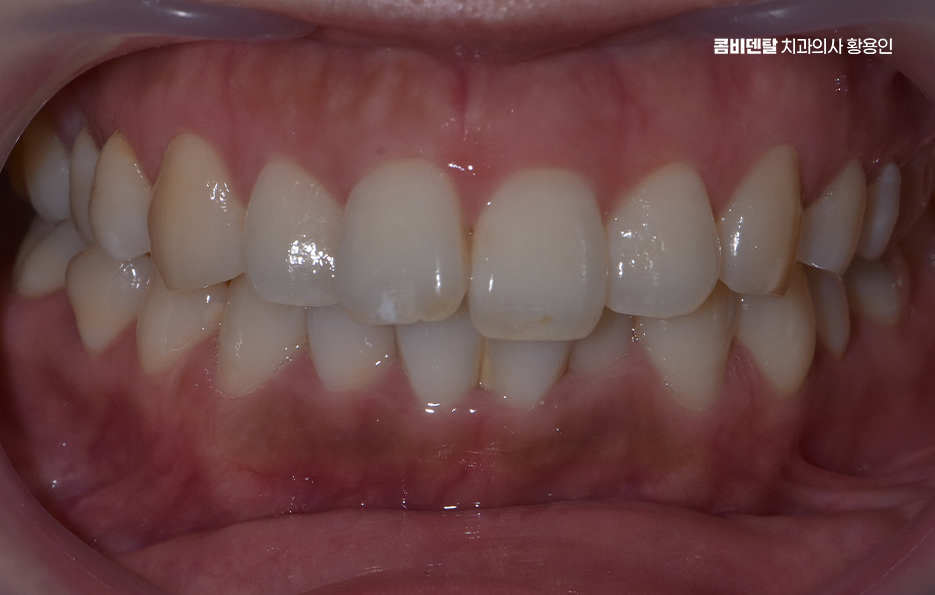
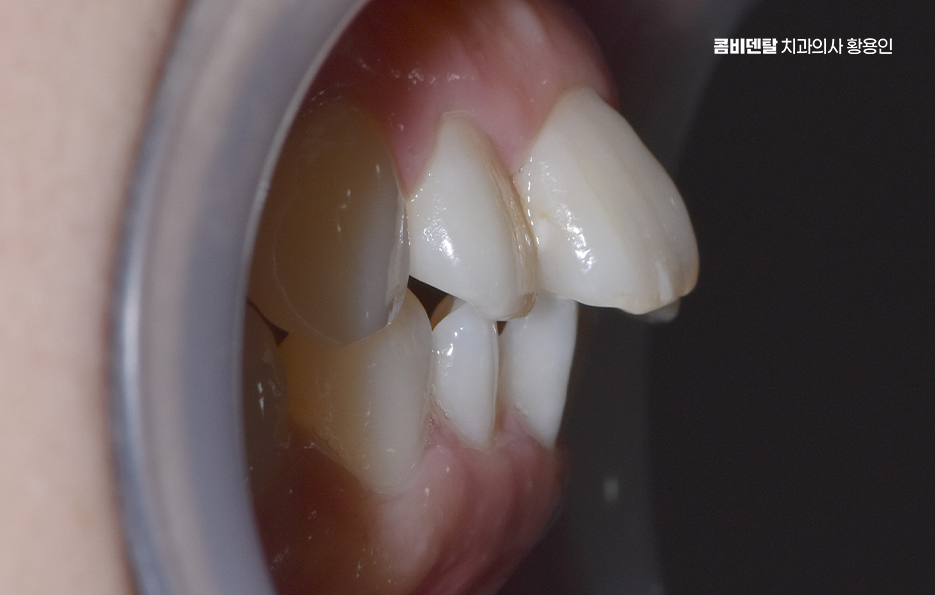
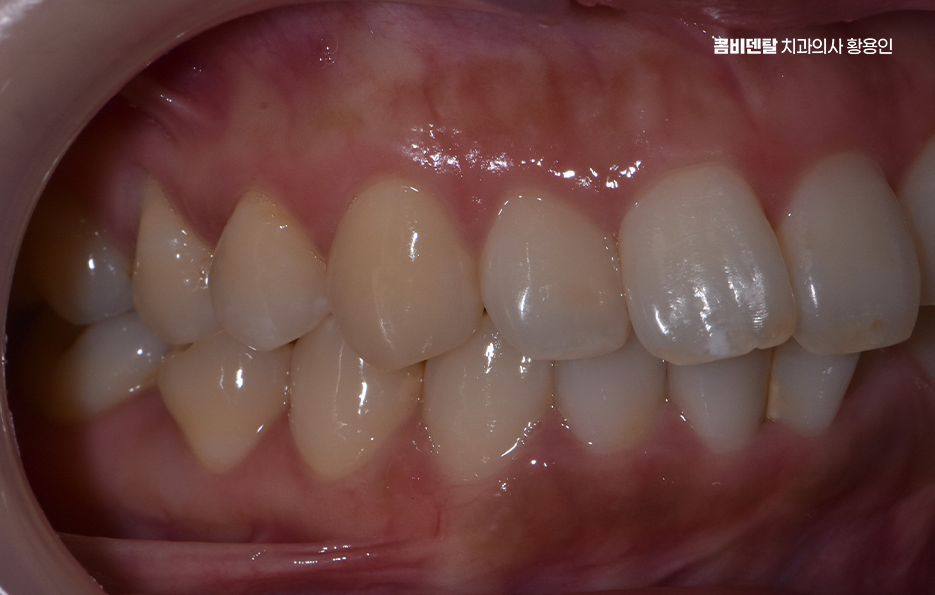
Front teeth partial orthodontic treatment is not something that can simply be chosen because the patient wants it; it can only be applied when the surrounding teeth and bite condition are stable enough to move the front teeth separately.
So, it is effective only in cases with partial alignment issues, such as gaps between the front teeth, slight rotation, or asymmetrical crookedness. In other words, it can work effectively only when there is no major problem with the overall bite or jaw position and only minor esthetic adjustment is needed.
In particular, among adult orthodontic patients, many people feel burdened by full orthodontic treatment and only want to make small corrections to the front teeth. In such cases, partial orthodontic treatment becomes a realistic option that can produce results relatively quickly.
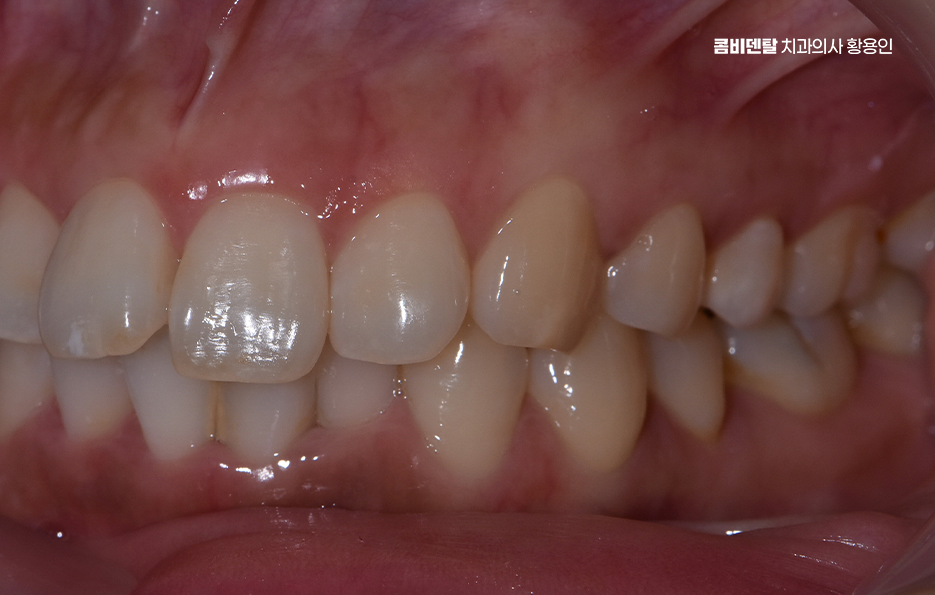
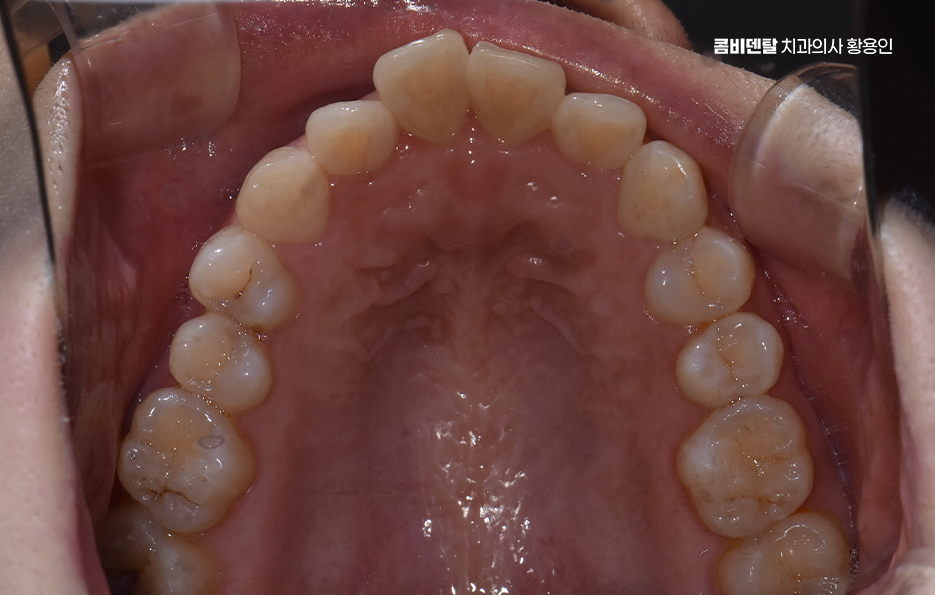
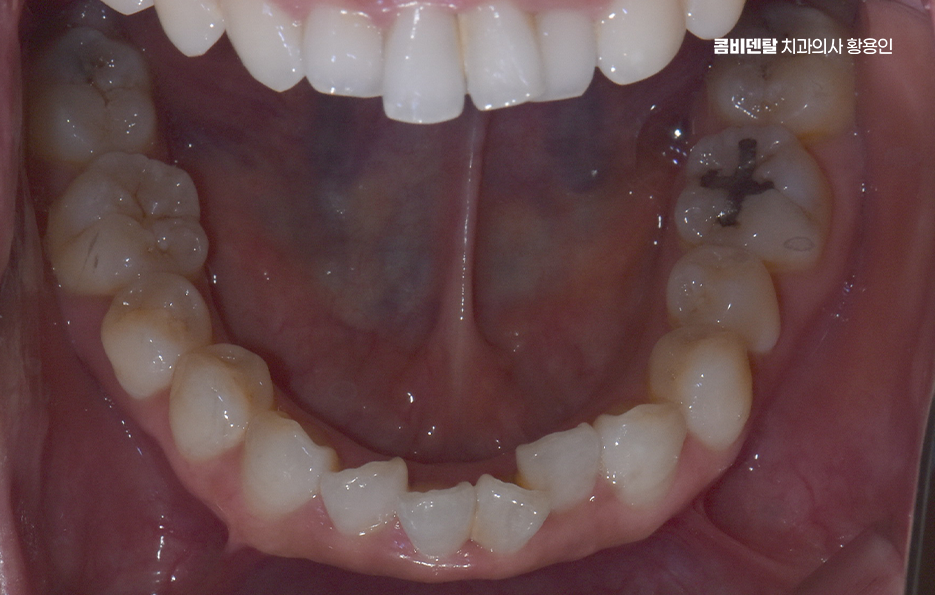
A representative case where front teeth partial orthodontic treatment is possible is diastema, where there is a gap between the front teeth. When there is a noticeable space between the two front teeth, especially when smiling, it can often be corrected by gently pulling the teeth together or adjusting the alignment.
Another case is when one or two front teeth are positioned backward or protrude more than the others. In these cases, the overall bite may not be affected, but the front tooth line itself looks crooked, making the smile line appear asymmetrical and the impression less refined. In such cases, the line can be improved by slightly moving the front teeth forward or back, which can make the overall impression look softer.
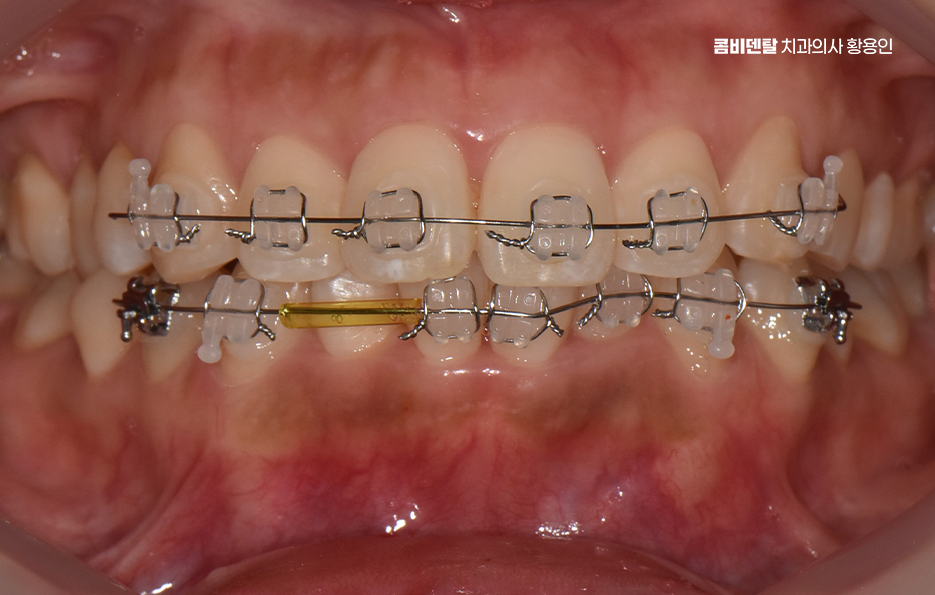
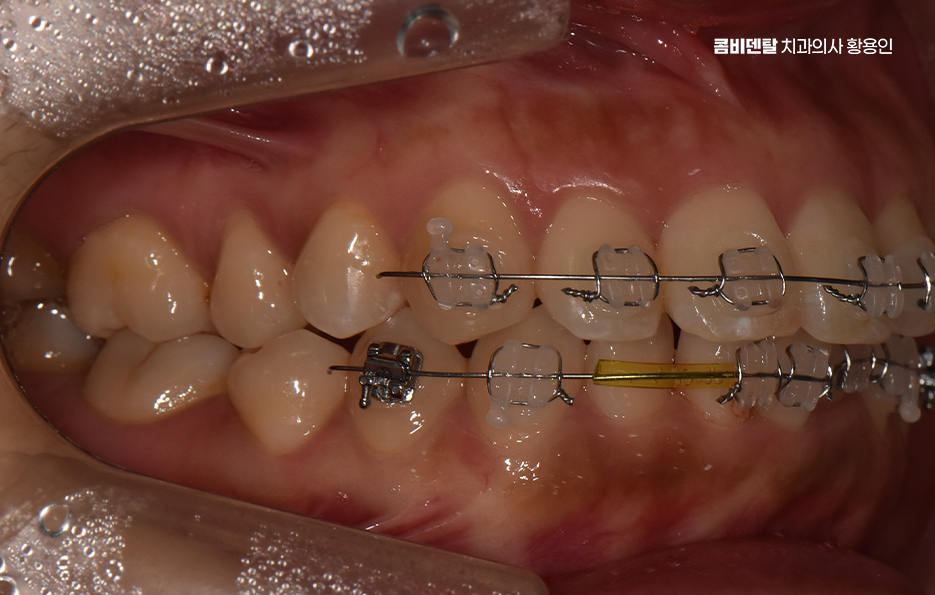
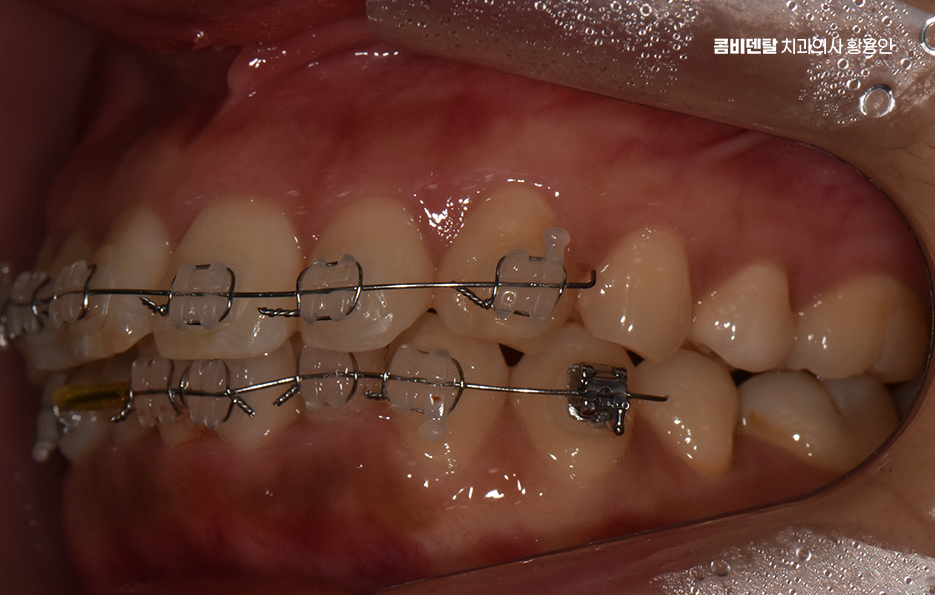
Another example where front teeth partial orthodontic treatment may be possible is a mild partial crossbite where the teeth overlap. In particular, if the lower front two or three teeth appear overlapped, or if the tips of the upper front teeth look uneven when smiling, partial orthodontic treatment can be used to adjust the alignment. In some cases, this can also be done with clear aligners, not just partial orthodontic treatment.
However, even though it is orthodontic treatment that only targets the front teeth, teeth are connected as a whole. If you judge the case only by the visible front teeth and assume, “This should be fine with partial orthodontic treatment,” problems may arise instead. That is why a precise diagnosis before front teeth partial orthodontic treatment is essential. The overall bite condition, whether the midlines of the upper and lower arches match, the protrusion angle or rotation of the front teeth, and the thickness of the gum bone and available space all need to be considered before deciding whether it is possible.
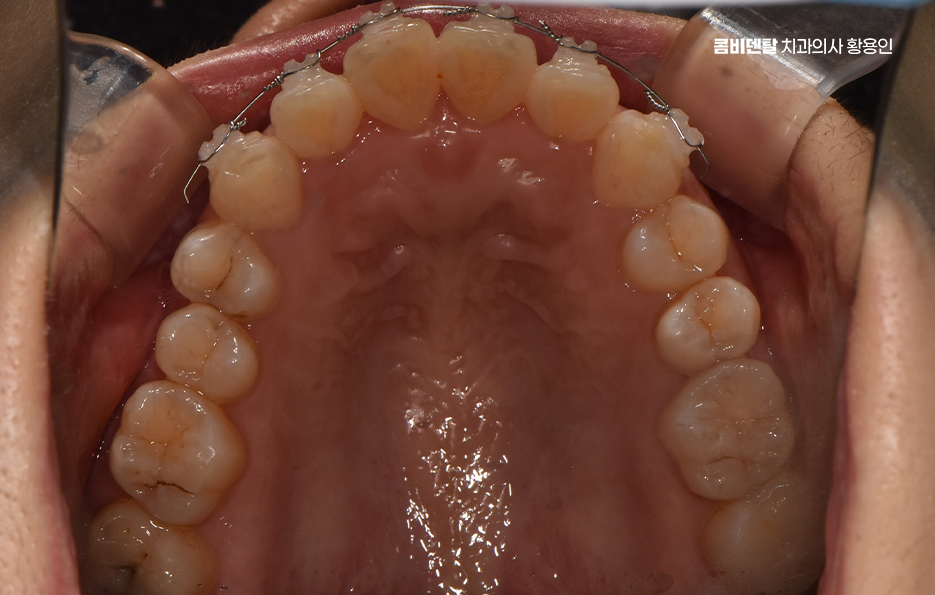
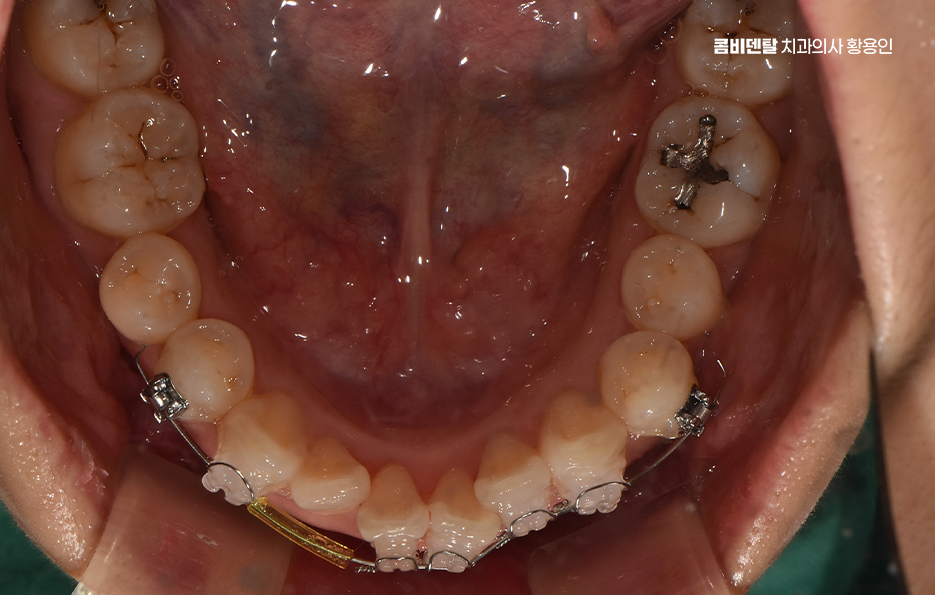
If it is concluded that partial orthodontic treatment is possible, a detailed plan is then made for how it will be done and how long the treatment will take. The important thing here is that not every case is simple just because it is partial orthodontic treatment. It is often said to finish in about 3 to 6 months, but depending on the case, it can take more than 8 months. Also, when retention appliances are considered, it does not simply end as a short-term treatment, so sufficient consultation with an orthodontic specialist beforehand is necessary.
Overall, front teeth partial orthodontic treatment is a method that can reduce the burden of treatment while improving the alignment of the front teeth relatively quickly. However, you must remember that it is only possible when the conditions are right. You should definitely receive a diagnosis through sufficient consultation with an orthodontic specialist, and after clearly understanding the possible scope of treatment and its limitations based on the actual bite structure, you should decide whether to proceed. In that sense, because orthodontic treatment is about accurate diagnosis, treatment goals, and results that maintain the teeth for life, I hope you will carefully consider the choice of dental clinic from the beginning.




Previous image
Next image




Previous image
Next image




Previous image
Next image




Previous image
Next image