I didn’t realize that having one tooth extracted could weigh on my mind this much. It was an extraction I had no choice but to go through only after hearing that it hurt too much, the inflammation was severe, and the tooth could not be saved. At that moment, I even felt a little relieved, thinking, ‘At last, I’m saying goodbye to this painful tooth.’ But once the space was suddenly left empty, that gap felt bigger than I expected. I started noticing the feeling of emptiness somewhere inside my mouth every moment. Especially when eating, I kept instinctively trying to chew on the missing side and then stopping, and for some reason it felt like my balance was off. The muscles in my jaw also felt tense, and before long I found myself chewing only on the opposite side, so I could feel the strain being placed on one side of my jaw. I began to worry more and more that if this uneven chewing habit continued, it might eventually lead to other problems. Just as people often do not think about why they did not prepare for a change before it happens, I too only realized after losing this one tooth how significant the presence of a single tooth really was.
In this way, it seems like everyone may lose a tooth at some point in life, but once you actually lose one, the inconvenience is greater than expected, and other related problems appear over time as well. That is why planning implant treatment after a tooth extraction is not something to take lightly.
Because a tooth does not grow back naturally once it is lost, what you do after an extraction is very important. Leaving the extracted space empty is not simply a matter of missing one tooth; it can affect the jawbone, nearby teeth, facial balance, and even overall health.
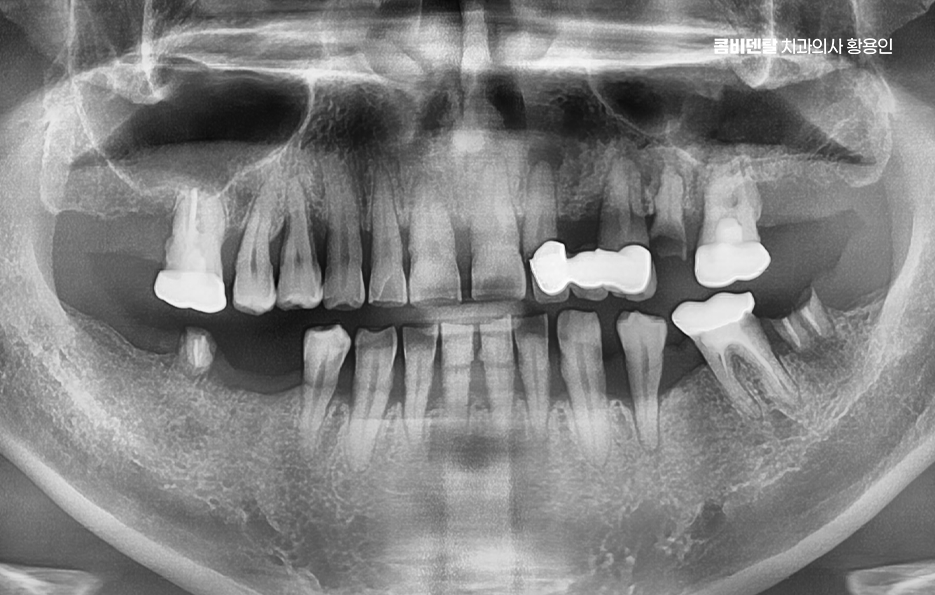
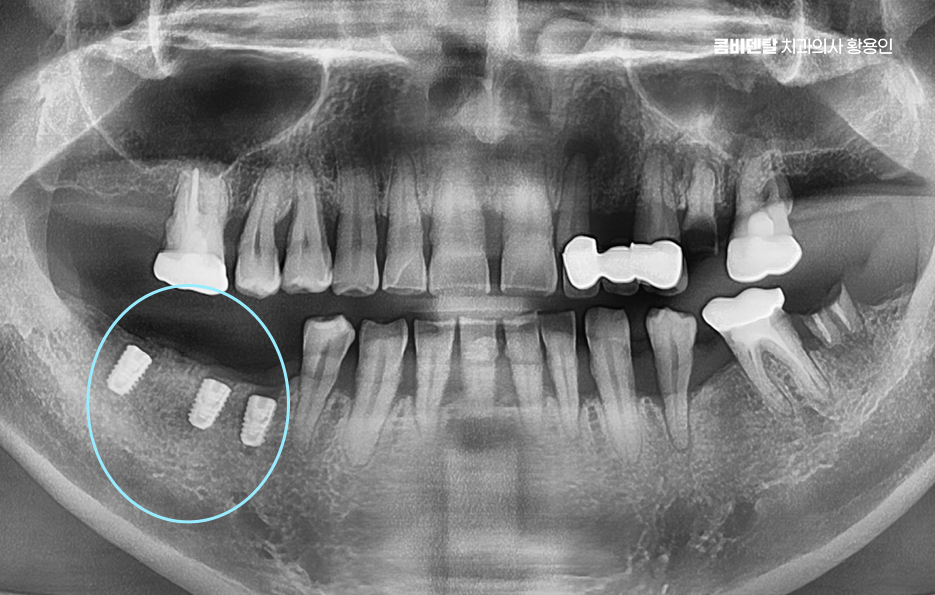
So, planning implant treatment after a tooth extraction can be an effective alternative for addressing the empty space left by a natural tooth. An implant is not simply a way to fill the gap; it is a treatment method that allows function from the root to the crown to resemble that of a natural tooth, and it can replace most of the functional and aesthetic aspects.
If the area is left untreated after extraction, several problems can occur in succession. Food can easily get stuck in that space, the neighboring teeth can tilt toward the gap, and over time the opposing tooth can also move down or up, causing the overall bite to become misaligned. This is not just a problem of tooth alignment; it can create an imbalance in chewing force and place stress on the temporomandibular joint.
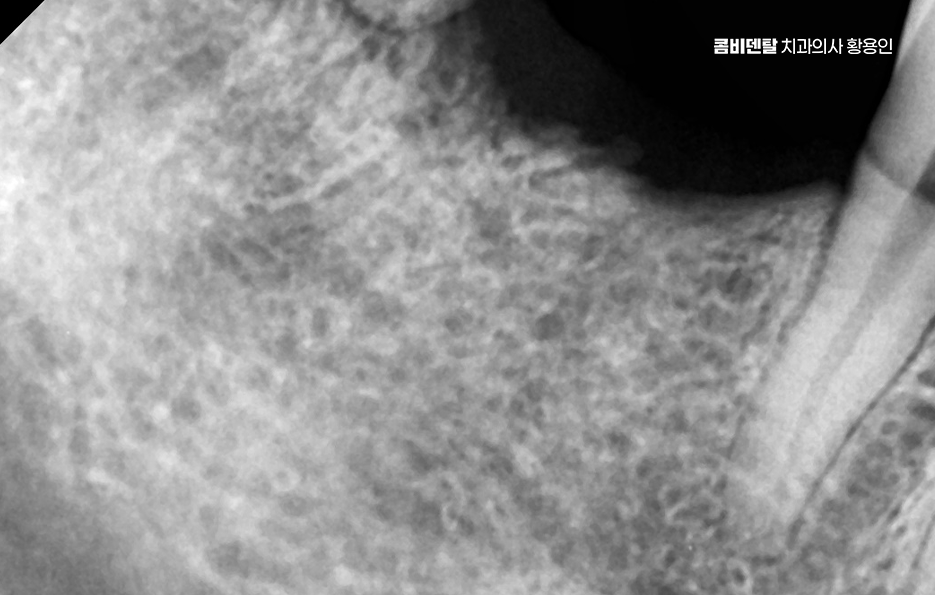
Also, the area where the tooth is missing gradually sinks as the gum bone is resorbed. As a result, the face may appear asymmetrical, and later, if you try to get an implant, you may need additional procedures such as bone grafting because of insufficient gum bone.
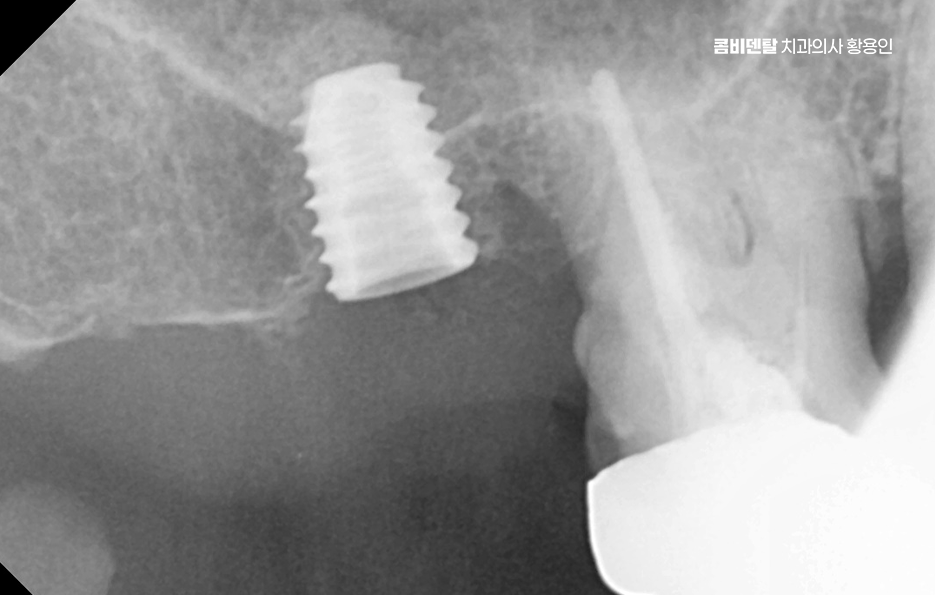
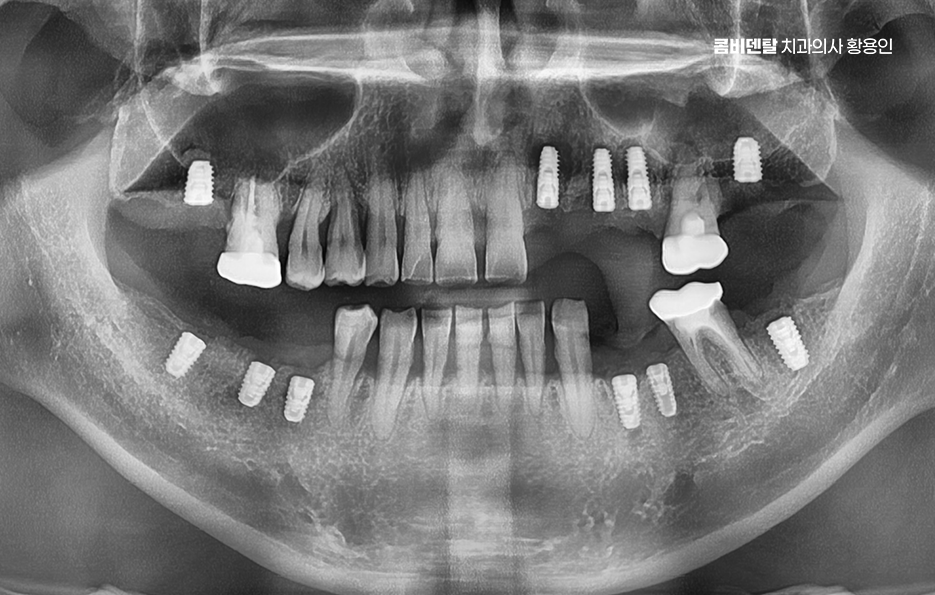
Looking at the implant treatment process after a tooth extraction, an implant involves placing an artificial root made of titanium into the gum bone and then attaching a prosthetic tooth on top. Titanium is a material that works well with the human body and naturally bonds with bone. This process is called osseointegration, and only when osseointegration occurs stably can the implant last for a long time and function like a natural tooth.
In general, if the bone condition is good after extraction, the implant is placed after a healing period of about 2 to 3 months. These days, depending on the situation, a method called immediate placement, in which the implant is inserted right away, is also widely used. However, this treatment method is only possible when the bone is sufficiently strong and there is no inflammation, and it can also be important to work with an experienced dentist.
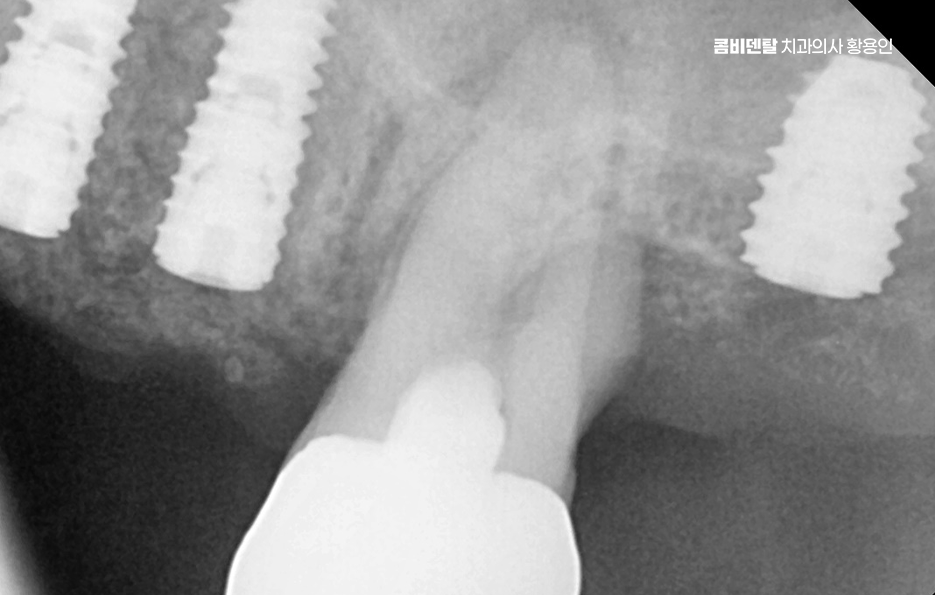
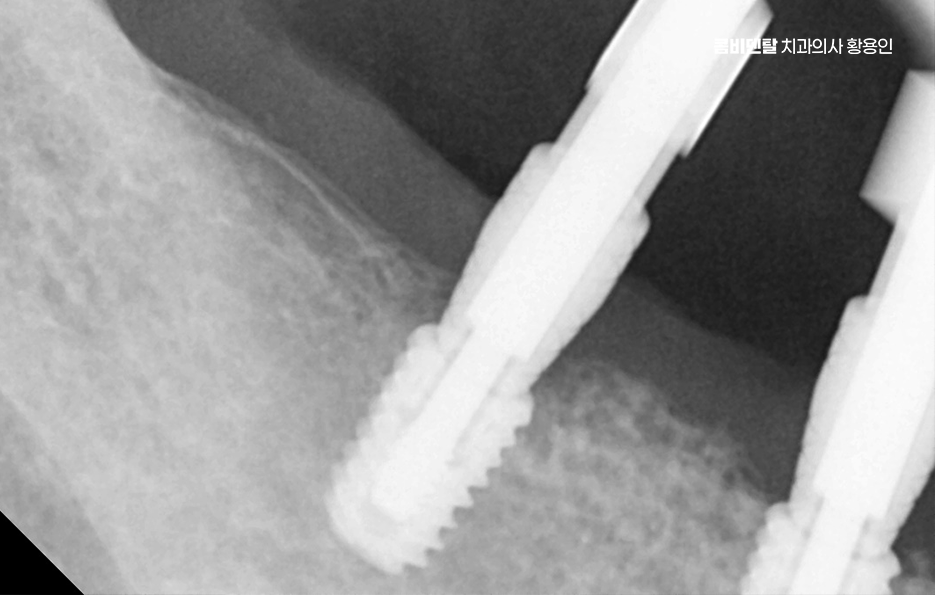
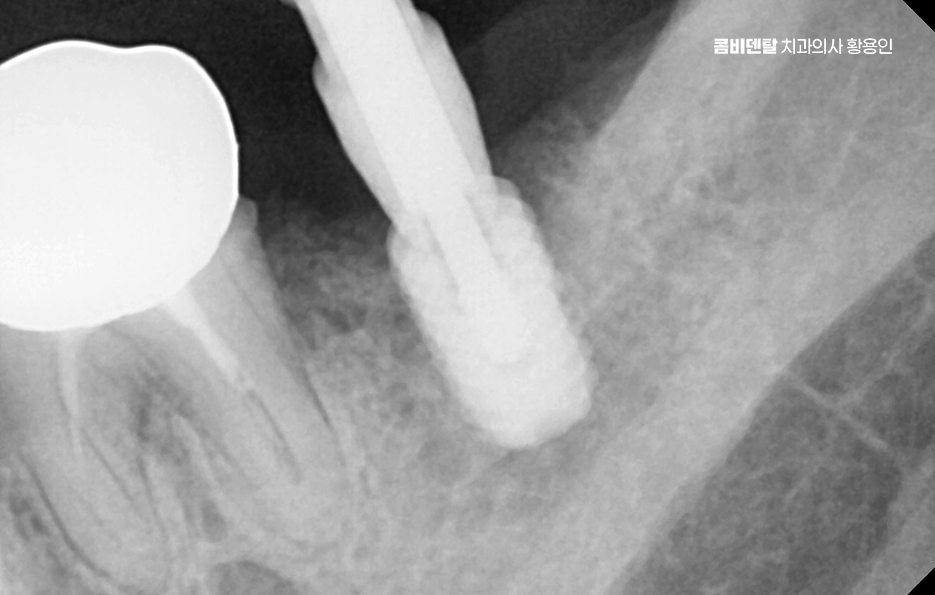
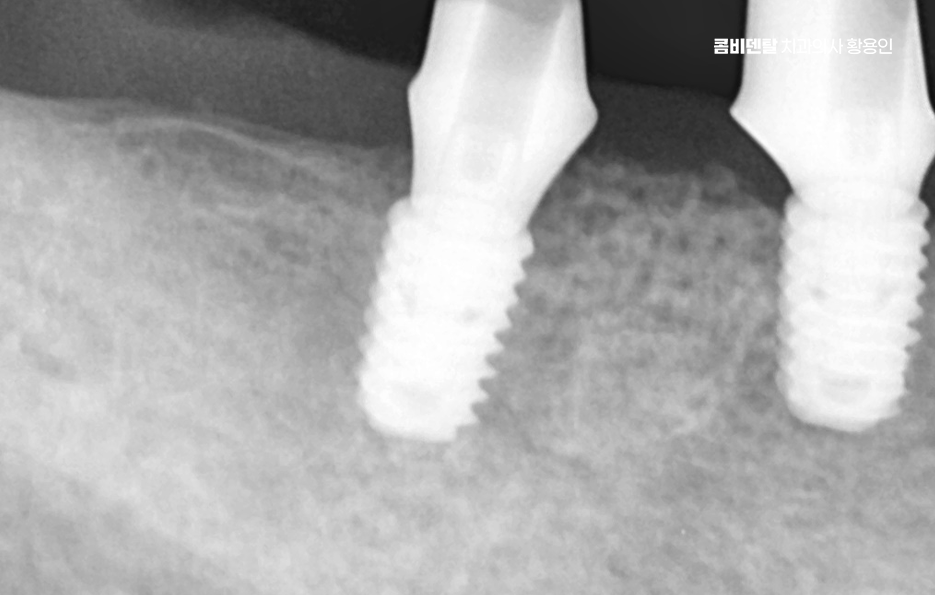
The implant treatment process after tooth extraction begins with accurately checking the amount and density of bone, as well as the location of nerves, through CT or panoramic X-rays. If there is significant bone loss in the area where the tooth was missing, bone grafting may need to be done before placing the implant. On the other hand, if the bone condition is good, the implant is placed and the osseointegration process is usually waited on for about 3 months until it bonds well with the bone. After osseointegration is completed successfully, an abutment, which is a connecting part, is attached on top, and the treatment is completed by placing the final prosthetic crown over it.
It is important to carry out the implant treatment process after extraction smoothly and safely, but an implant is not guaranteed to remain problem-free forever. If post-procedure care is not properly managed, inflammation called peri-implantitis can develop.
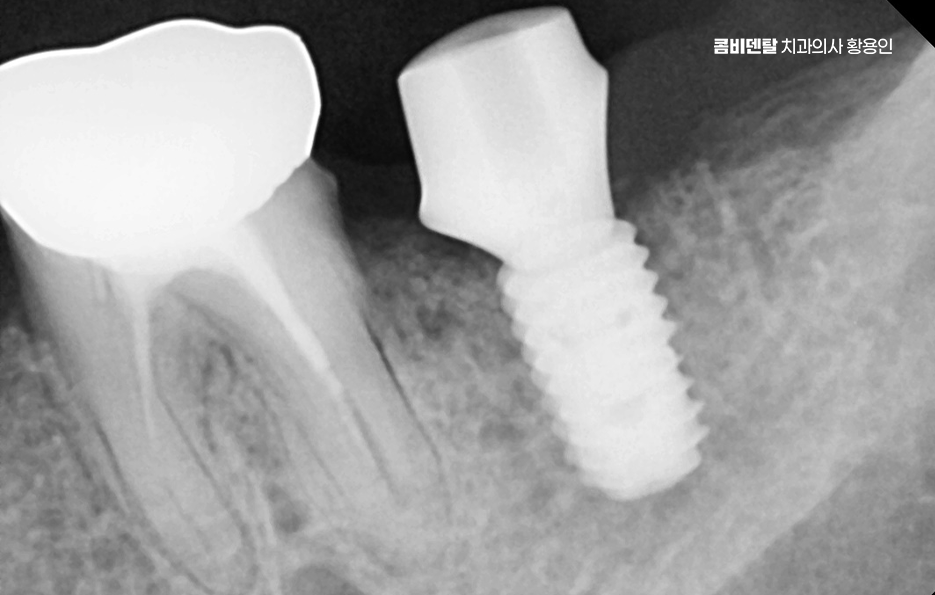
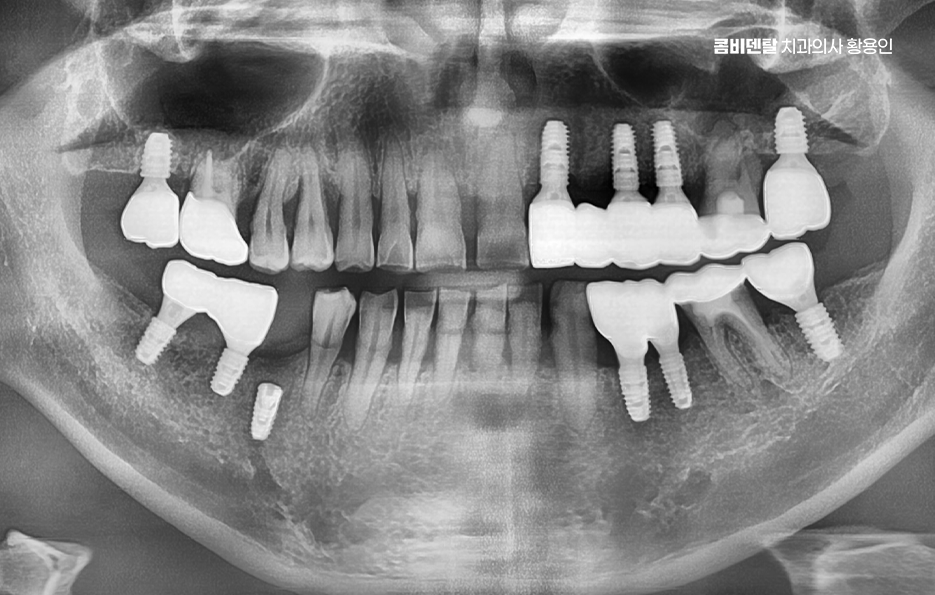
This may look like gum disease, but it can be serious because it can cause the bone around the implant to dissolve as well. To help prevent such side effects, regular dental checkups and proper brushing and hygiene care are essential. In particular, because implants have no nerves, inflammation often causes pain to appear late. So even if there is no pain, you should not neglect regular maintenance, and it is important to choose a dental clinic that also considers aftercare.
In conclusion, considering an implant after a tooth extraction is not simply about replacing a tooth. It is an important choice for maintaining the balance of overall oral health and protecting quality of life. An implant can address function, appearance, and structural stability, but aftercare is just as important. Through understanding this treatment process and its principles, I hope you can receive implant treatment in a healthy way and maintain it stably.










Previous image
Next image










Previous image
Next image








Previous image
Next image










Previous image
Next image