In fact, there wasn’t one specific reason that led me to decide on orthodontic treatment; instead, several situations gradually built up over time, and I naturally arrived at the conclusion that “I should do this now.” Whenever I looked in the mirror, my irregular teeth kept catching my eye, and when I smiled or took photos, I would unconsciously cover my mouth. Before I knew it, that had become a habit. I used to brush it off as a minor issue, but every time I saw someone smiling brightly in front of me, I felt the desire to smile like that too. At the same time, the thought of why I had been putting this off kept slowly coming up in my mind. However, deciding to get orthodontic treatment brought more worry than excitement, and there was so much information to learn that my head felt complicated. There was too much to consider, from what kind of appliance to use, how long it would take, and how much pain there would be, to how much it would cost. On top of that, there were so many different types of orthodontic appliances that it felt even more complicated.
In this way, even after spending a long time thinking about orthodontic treatment and finally deciding to go ahead with it, many people still find the process of researching treatment difficult again. In particular, simply choosing an appliance can affect the entire treatment process and can also influence treatment cost, aesthetics, and pain, so it can be a major concern.
Orthodontic treatment is not just about straightening teeth. It is a precise treatment that also needs to consider facial balance, temporomandibular joint stability, and long-term oral health. So when choosing an orthodontic appliance, you should not decide based only on appearance; you need to consider function, convenience in daily life, and treatment effectiveness overall. For many people at the beginning, the options they compare most often are Clippy-C orthodontics and ceramic orthodontics.
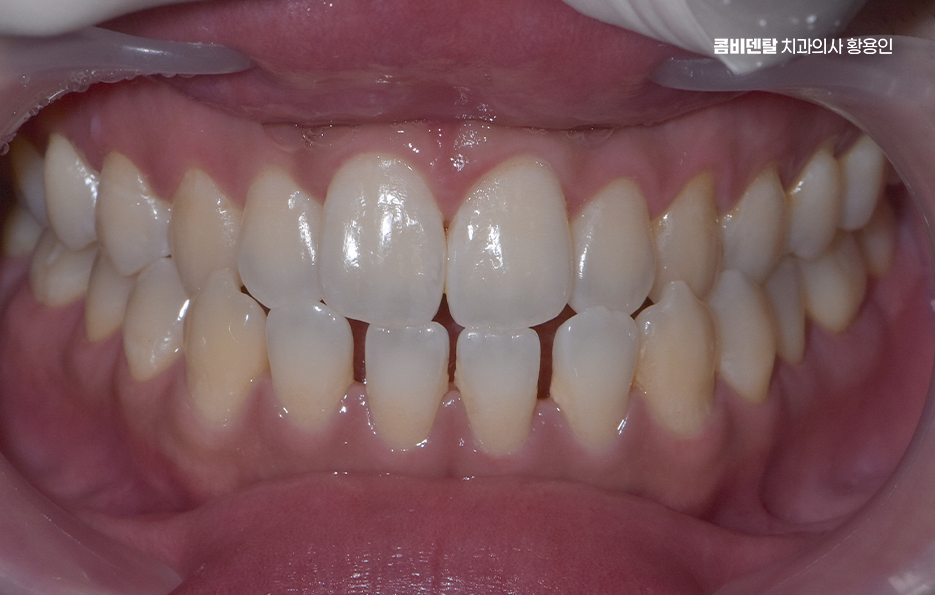
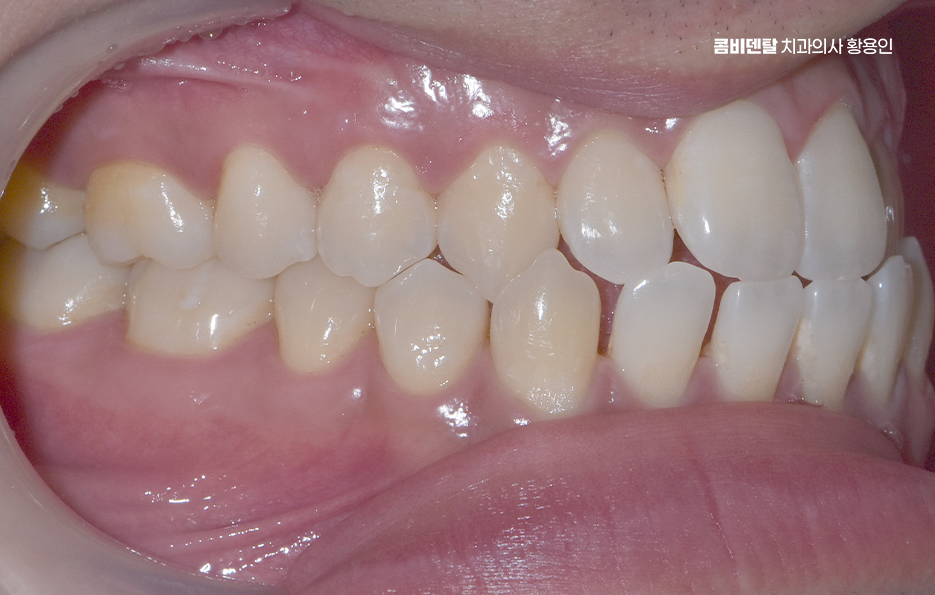
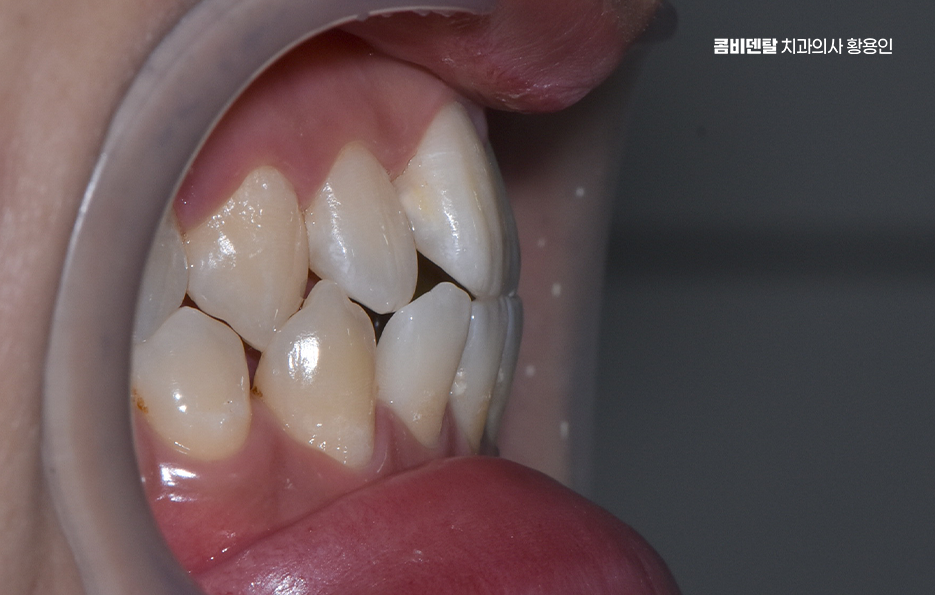
Although they may look similar on the surface, there are actually quite large differences in how they work, the level of pain, hygiene management, and aesthetics. Simply understanding Clippy-C orthodontics, which is popular these days, and ceramic orthodontics, which has a long history to the point of being called standard orthodontics, will be very helpful when choosing an orthodontic appliance. So when you are trying to figure out which orthodontic treatment suits you better, comparing these two is meaningful, and it will also be very helpful when examining the pros and cons of Clippy-C orthodontics based on the differences between the two systems.
First, Clippy-C orthodontics is a type of treatment called a self-ligating appliance. Self-ligating means a system in which the wire is held in place without rubber rings tying it to the bracket. In standard orthodontics, small rubber rings or wire ties are used to fix the wire to the bracket, but Clippy-C has a clip that can open and close on the bracket itself, creating a structure that closes over the wire.
With this self-ligating system, friction is reduced as the wire moves, allowing teeth to move more smoothly and efficiently. In simple terms, because there is less frictional resistance, Clippy-C orthodontics has the advantage that teeth can move more naturally and pain tends to be less severe.
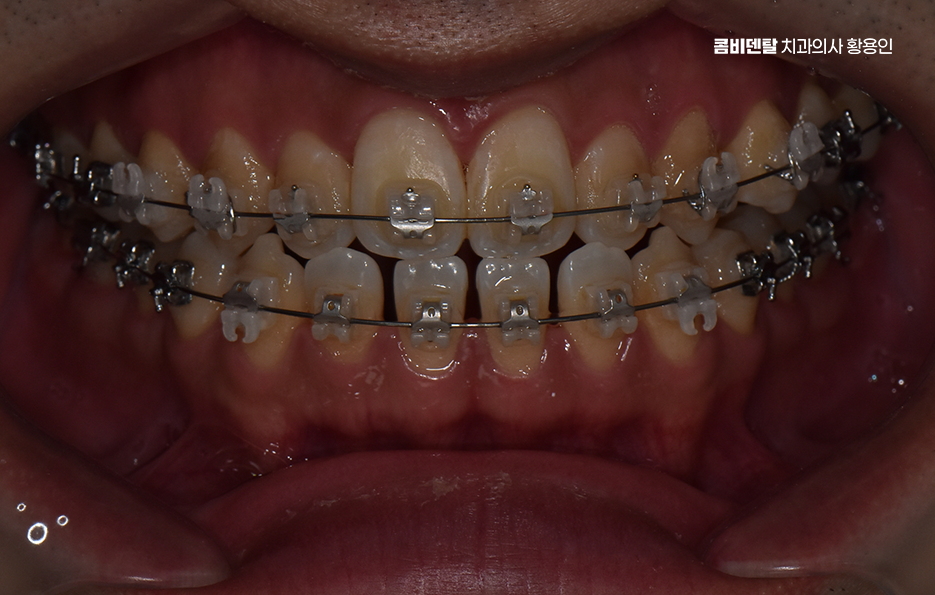
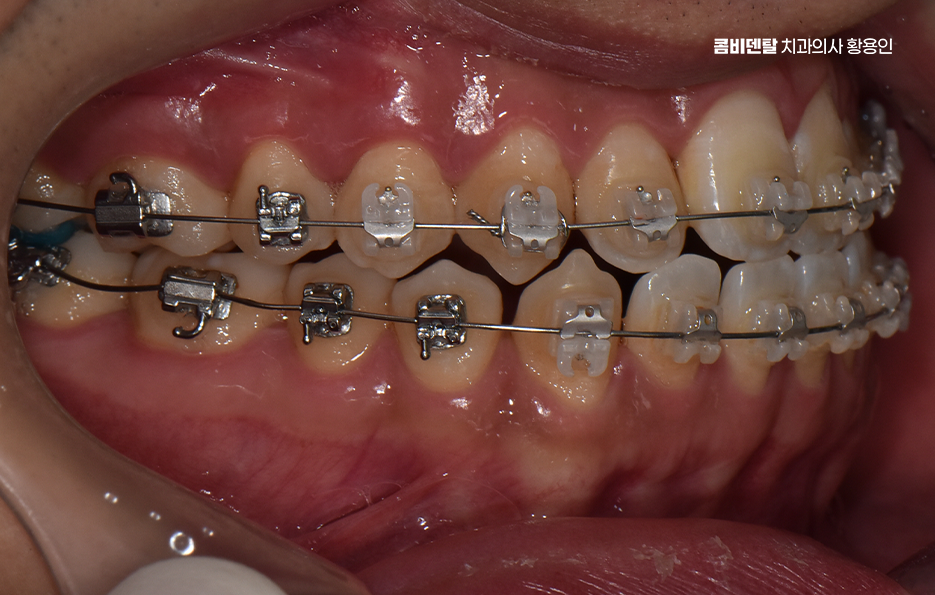
On the other hand, ceramic orthodontics uses brackets made of a ceramic material similar in color to teeth, instead of the metal brackets that people commonly think of when they imagine orthodontics. Because they are less noticeable from the outside, a major advantage is that they are more aesthetically pleasing. However, this method basically uses a traditional ligation system, so rubber bands are needed to fix the wire, and there are drawbacks such as foreign-body sensation, poking from the wire, and pain. Still, as an appliance with a long history, it is a reliable basic option and has the advantage of being more economical.
When considering the pros and cons of Clippy-C orthodontics, the difference between the two treatment methods can also affect treatment duration. Because Clippy-C orthodontics has less frictional resistance, teeth tend to move faster, and the overall treatment period tends to be relatively shorter.
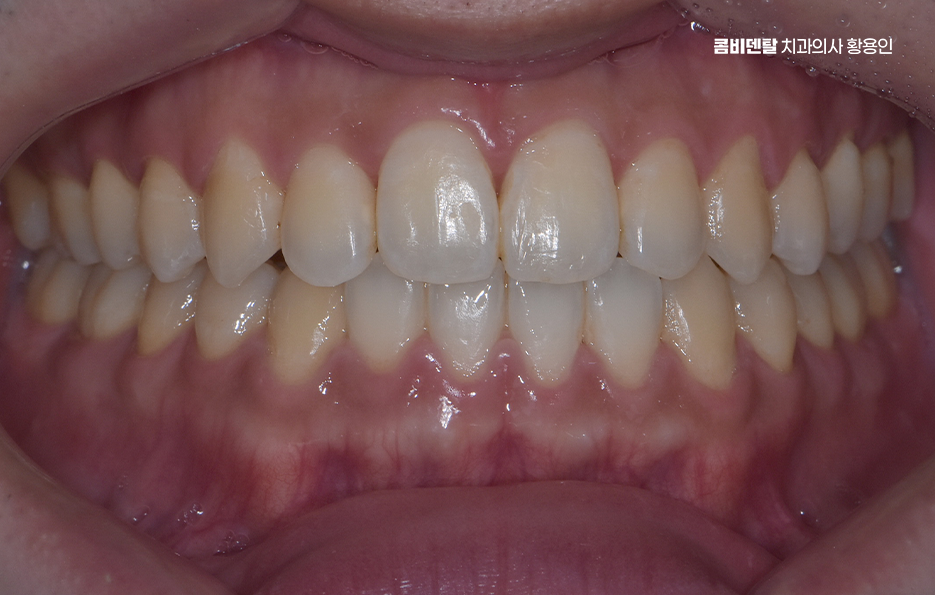
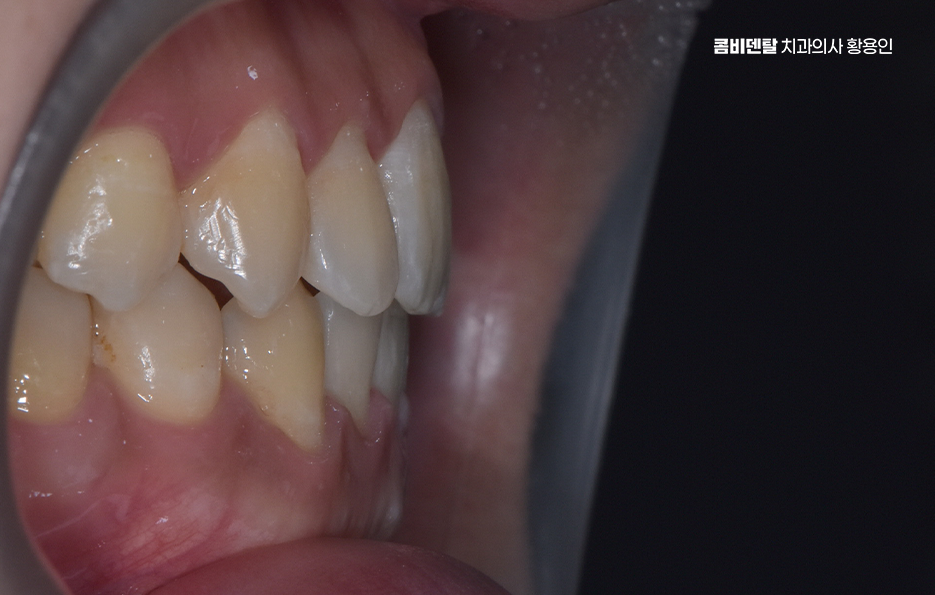
Of course, there are individual differences, but in general, under the same conditions, Clippy-C may finish several months earlier. On the other hand, ceramic orthodontics may take a little longer because there is slightly more resistance when moving the teeth. Pain can also be compared: because Clippy-C follows the movement of the wire more smoothly, the pain after initial placement tends to be less severe. Also, less friction means force is transmitted more efficiently, so the teeth move smoothly without needing unnecessarily strong force, which tends to reduce the burden of pain throughout the overall orthodontic period.
There are also differences in hygiene management. Because Clippy-C orthodontics does not use rubber rings, less food debris gets trapped and bacterial growth is relatively reduced. This is a clear advantage for maintaining long-term oral health. In the case of Clippy-C orthodontics, the intervals between visits are longer than with standard orthodontics, and compared with ceramic orthodontics, where the wire must be tightened one by one during regular visits, the self-ligating system also has the advantage of shorter treatment time.
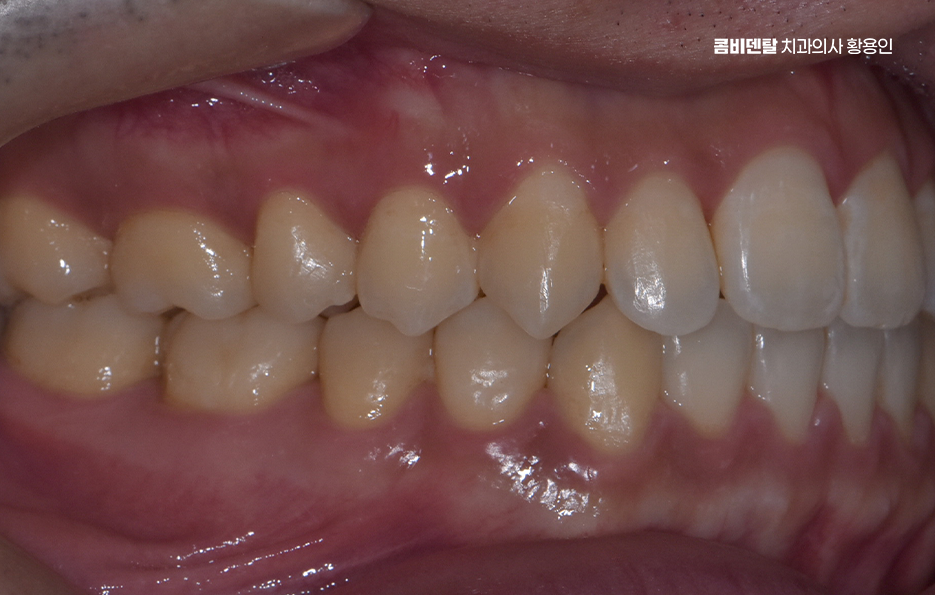
Another difference is cost. Clippy-C orthodontics is relatively expensive as an appliance, and because it requires more detailed technical adjustments, it is often priced higher than ceramic orthodontics. In general, the fact that Clippy-C is more expensive than ceramic orthodontics can be seen as a drawback. However, if you consider that treatment is shorter, maintenance is easier, and pain is less, it is a treatment that can be well worth it in the long run. So when making a treatment plan, it is best to discuss carefully with the orthodontic specialist what you prioritize most and make a decision based on that.
In conclusion, if you set a standard by comparing the pros and cons of Clippy-C orthodontics with standard orthodontics such as ceramic orthodontics, it will be more helpful in understanding the advantages and disadvantages of treatment. When considering orthodontic treatment, choosing the appliance is certainly important, but above all, please remember that it is more important to work with an experienced orthodontic specialist to establish an accurate treatment plan and goals, and I hope you choose a dental clinic that you can stay with for a long time.








 Previous image
Next image
Previous image
Next image





 Previous image
Next image
Previous image
Next image





 Previous image
Next image
Previous image
Next image





 Previous image
Next image
Previous image
Next image