I had a vague fear of wisdom teeth for a long time, partly because of things I heard from people around me and partly because even a quick internet search would bring up phrases like “pain after wisdom tooth extraction,” making it seem like so many people had a hard time with it. I kept thinking that one day my turn would come too, but I delayed dental checkups on purpose and maybe even hoped I could just leave it alone and get by. In the end, though, I realized I could no longer avoid it. A heavy pain started rising from deep in the gum on the lower right side, and a few days later it came with a sharp pain every time I chewed, so I thought this could turn into a bigger problem if I left the wisdom tooth alone. At first, I tried to get by with painkillers. I was so afraid of dental treatment that I wanted to solve it on my own if possible, and for a day or two it seemed okay after taking medicine, but the effect gradually weakened. In the end, when I looked into my mouth with a mirror, I saw that my gums were badly swollen, and I had a strong feeling that if I left it as it was, something worse would happen.
Many people are afraid of wisdom tooth extraction, but if you just endure it, you may actually make the problem worse, and in many cases the extraction becomes more difficult. That is why, based on a proper understanding of wisdom teeth, it can be helpful to make a good extraction plan when needed, as it may make the extraction and recovery process smoother.
Wisdom teeth are the teeth at the very back of the molars that usually begin to erupt in the late teens to early twenties. The timing differs from person to person, some people never get them at all, and in some cases they do not grow straight but come in lying down or at an angle.
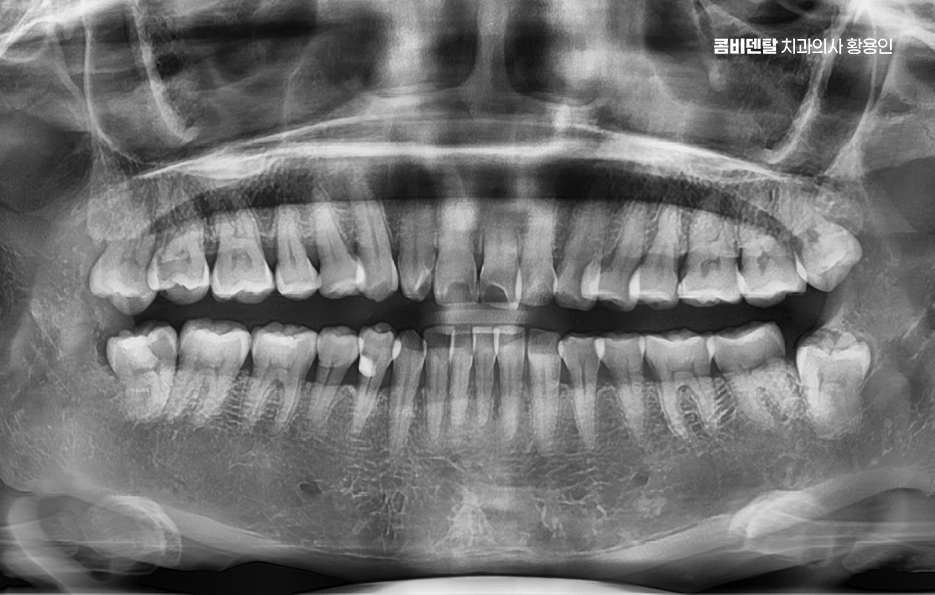
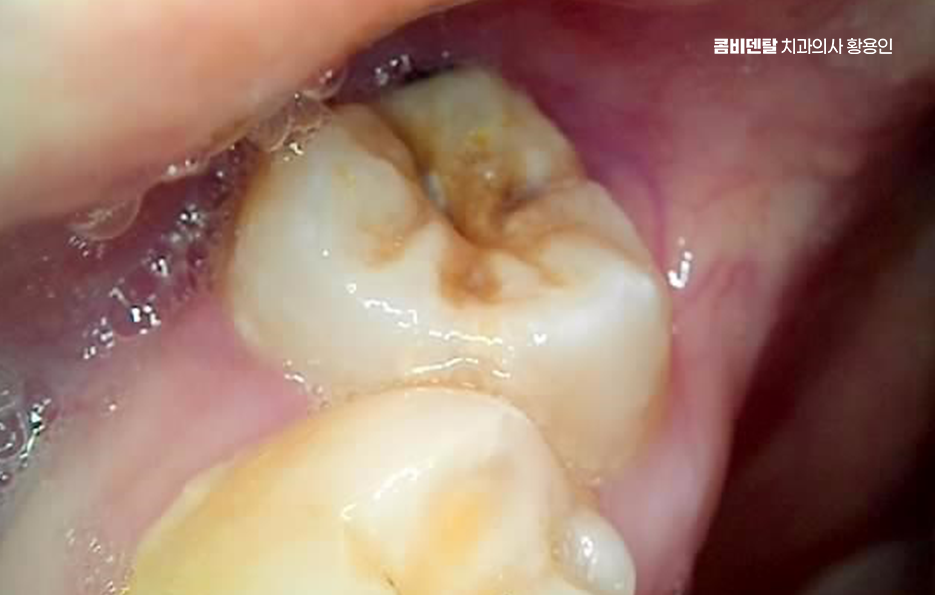
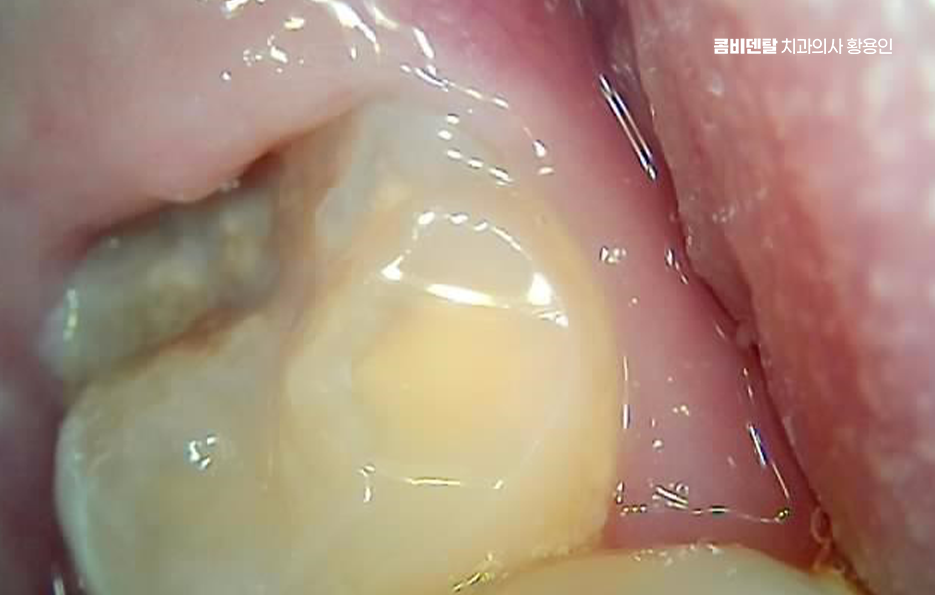
Especially the lower wisdom teeth often do not have enough space, so rather than erupting normally, they are often impacted or come in crooked, which makes problems more likely. As the condition worsens, it often reaches a stage where extraction becomes hard to avoid.
A major cause of problems with lower wisdom teeth is lack of space. By the time wisdom teeth try to erupt, the teeth in front of them are already in place, so in most cases there simply is not enough room for them to come in. Because of this, wisdom teeth often grow sideways inside the gum or only partially break through the surface. In that state, toothbrushes cannot reach them properly, food gets trapped easily, and bacteria build up, making inflammation more likely.
When pericoronitis develops around a wisdom tooth, the gums may swell, pain may appear, and opening the mouth can become difficult. The lower jaw area is anatomically complex, with blood vessels and nerves intertwined, so if inflammation occurs, it can spread to under the jaw and, in some cases, pain may even extend down toward the neck.
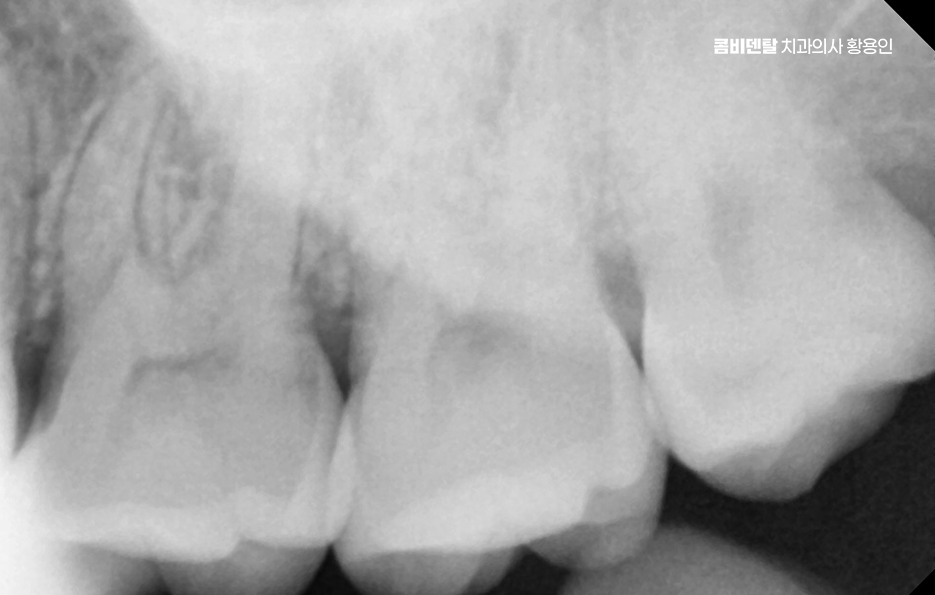
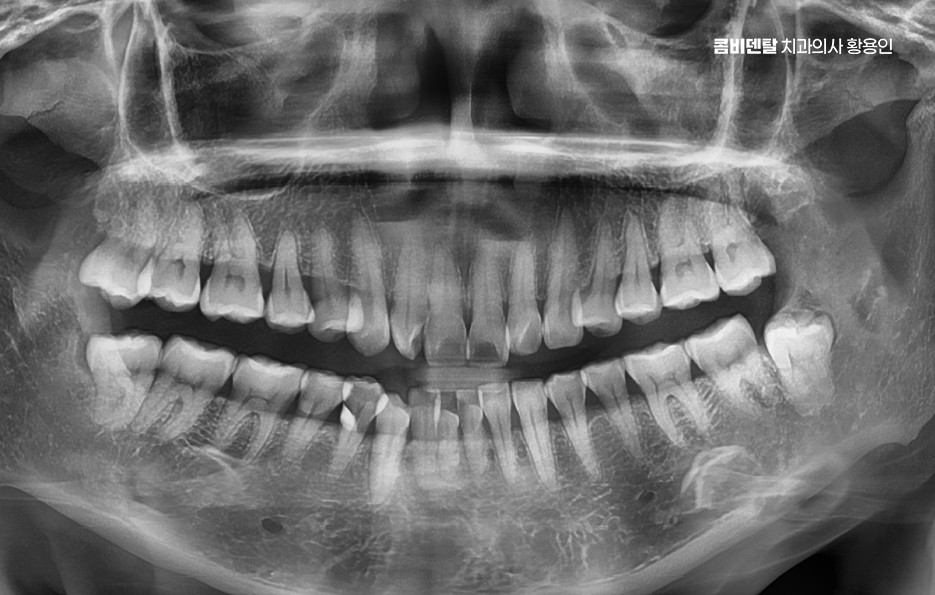
If pus builds up around a wisdom tooth, it may also come with a fever or body-ache-like symptoms. The problem is that this inflammation does not end just once; it often keeps recurring. So while antibiotics or anti-inflammatory pain relievers may temporarily ease the symptoms, the cause remains as long as the wisdom tooth is still there, which is why extraction is often eventually necessary.
If a wisdom tooth does not erupt properly, it can also affect the molar in front of it. When it grows in a direction that presses against the tooth ahead, pressure is placed on that tooth’s root, and food tends to get trapped between the teeth, leading to cavities or the spread of gum inflammation. Cavities that form on the adjacent tooth are often interproximal cavities, so they are harder to treat than ordinary cavities and, in some cases, can even lead to root canal treatment.
The reason for extracting wisdom teeth is often preventive, to block all of these possible problems, or to resolve existing issues. One of the biggest concerns during the process is pain after lower wisdom tooth extraction. In particular, lower wisdom teeth are known to be more difficult to remove than upper ones, and the pain is often felt more strongly.
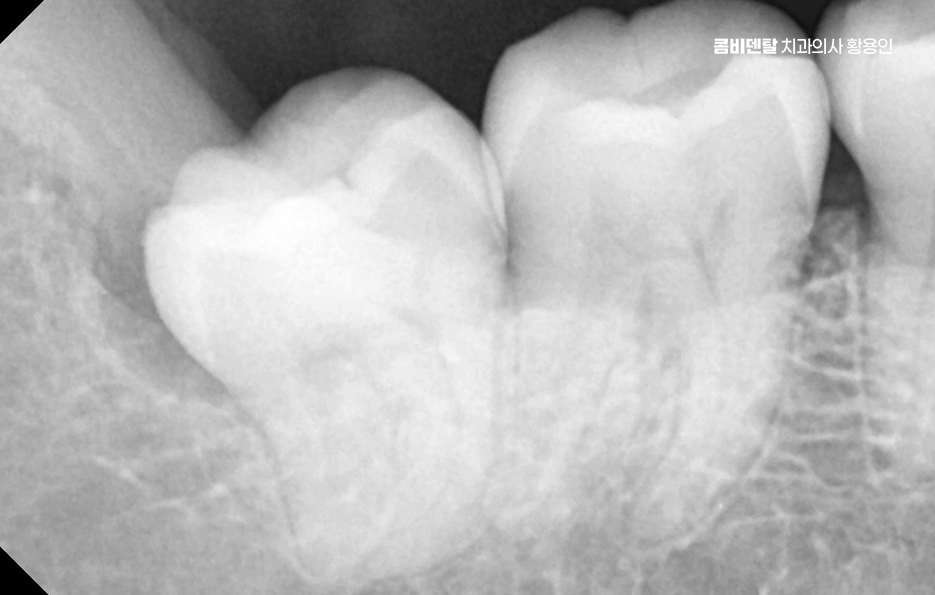
The reason is that the lower jawbone is harder and denser than the upper jaw, so the tooth does not come out easily, and the inferior alveolar nerve is also close by. Since impacted wisdom teeth can make treatment more complicated, it is also important to choose a dentist with extensive experience in wisdom tooth extraction.
Looking first at the treatment process for lower wisdom tooth extraction pain, local anesthesia is used during the extraction, so you will feel little to no pain. However, if the wisdom tooth is deeply impacted, a wider area must be anesthetized and the procedure takes longer, so the pressure and fear associated with it can increase.
Usually, pain may occur after the anesthesia wears off. It is generally most severe from one to three days after the procedure, and then gradually improves. However, recovery speed and pain sensitivity differ from person to person, so some people may feel discomfort for more than a week. In particular, for impacted wisdom teeth, the extent of gum incision, the accuracy of treatment, and the procedure time can also affect lower wisdom tooth extraction pain, so working with an experienced dentist can help reduce pain during the procedure.
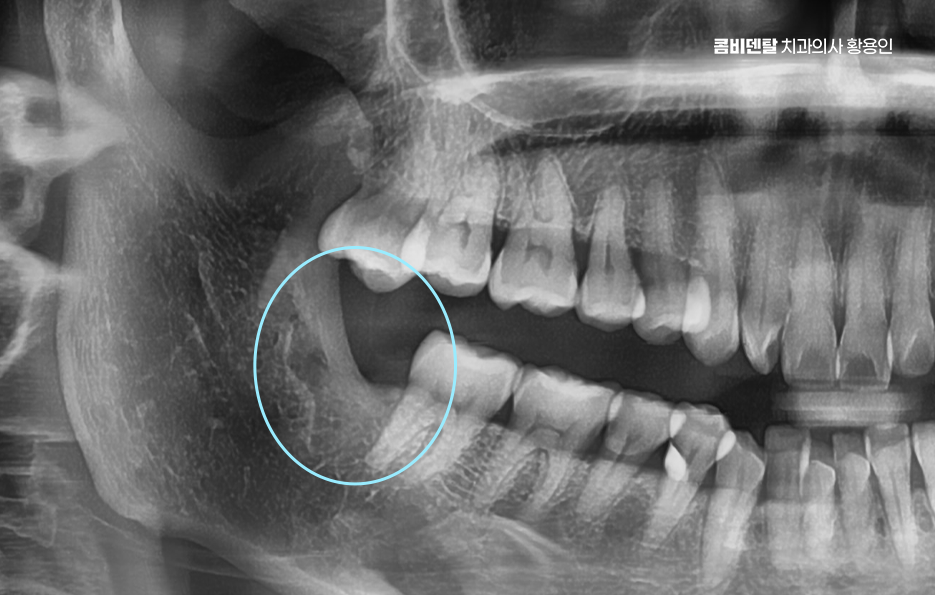
In addition to pain, there may be aftereffects such as swelling, bruising, or difficulty opening the mouth. In particular, after lower wisdom tooth extraction, it is common for the jaw to feel stiff or sore when opening the mouth, and chewing may also become uncomfortable.
This happens because the muscles and joints around the jaw are temporarily irritated during the extraction process. In most cases, they recover naturally within a few days, and taking care not to dislodge the blood clot after treatment and following the precautions given by the dental clinic carefully can go a long way toward avoiding side effects such as dry socket. That is why I hope you will plan the treatment with recovery in mind, not just the procedure itself.
In conclusion, if you are about to have a lower wisdom tooth extracted, it is important to prepare in advance. It is best to avoid excessive drinking the day before and get enough sleep. On the day of extraction, eat lightly, and after the procedure, applying cold compresses consistently can help reduce swelling. Even if you do not have any special symptoms, it is a good idea to check your condition with regular X-rays and decide on early extraction if needed. Lower wisdom tooth extraction pain is burdensome for anyone, but I hope you can reduce the pain that anyone may feel and deal with it wisely through a proper understanding of treatment and a good approach.








 Previous image
Next image
Previous image
Next image




 Previous image
Next image
Previous image
Next image





 Previous image
Next image
Previous image
Next image






 Previous image
Next image
Previous image
Next image