In the past, even if I lost a tooth, I simply thought, “Well, that’s just what happens when you get older,” or “I can just avoid chewing on that side,” or “I can live with a little discomfort and adjust.” But as time went by, I gradually came to feel just how thoughtless that was in my own body. At first, I developed the habit of chewing on only one side, and then my jaw often felt stiff. Food also didn’t seem to be chewed properly, which I felt was putting pressure on my stomach. More than anything, eating stopped being something comfortable and enjoyable. And then, when I suddenly looked in the mirror and noticed the gap where a tooth was missing, and heard a slight leaking sound when speaking, I realized that this was not just a minor inconvenience but an issue that affected my daily life as a whole. Of course, I had heard about implants before. People around me had gotten them, and I knew they were a good treatment, but I thought I was someone who had nothing to do with that. The reason was simple: I thought it would cost too much, I was older, and since it was a surgery, I was scared. I just felt burdened by it.
In this way, the discomfort felt after tooth loss tends to appear in various forms over time, but many people hesitate to get treatment because of concerns ranging from cost to the treatment itself.
For older adults, dental health is more than just chewing function; it is a factor that affects overall health and quality of life. As people age and gradually lose their natural teeth one by one, chewing becomes increasingly uncomfortable, digestion is affected, and changes can even extend to pronunciation and facial shape, which in turn can affect social activity and emotional well-being.
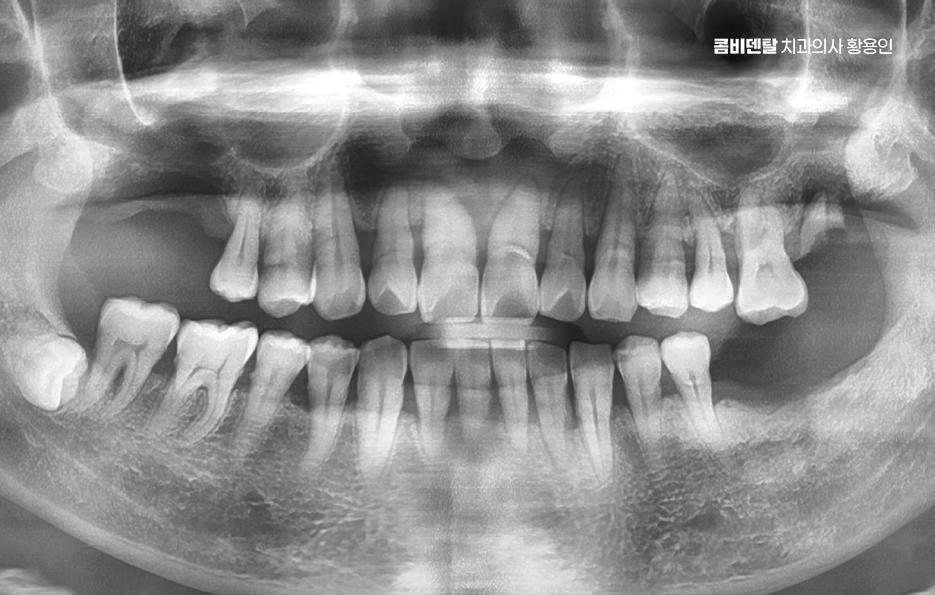
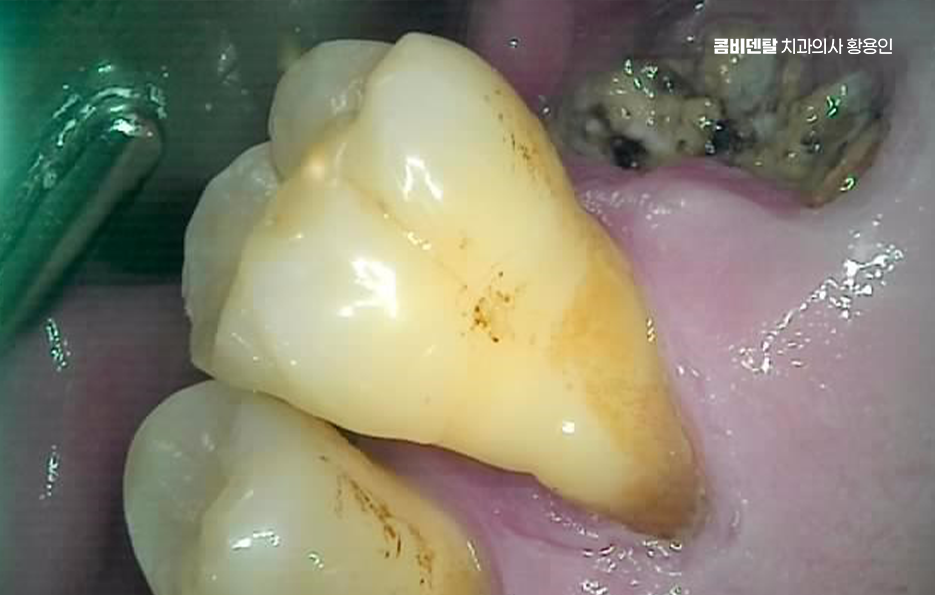
So implant treatment is not simply a tooth replacement procedure; it can be seen as a treatment for maintaining health and quality of life in later years. In particular, for those aged 65 and older, senior implant support is covered by National Health Insurance benefits, which can reduce the burden of treatment. For that reason, it may be necessary to have a proper understanding of the importance of implant treatment and to know the health insurance benefits available to people aged 65 and older before preparing for treatment.
The most common cause of natural tooth loss in later life is periodontal disease. Especially after the age of 60, long-untreated periodontitis often progresses until teeth become loose or fall out. In some cases, old prosthetics or cavities are the cause. When one natural tooth is lost, it is not just a problem in that area; neighboring teeth begin to tilt or move into the gap, and the entire dental arch starts to collapse.
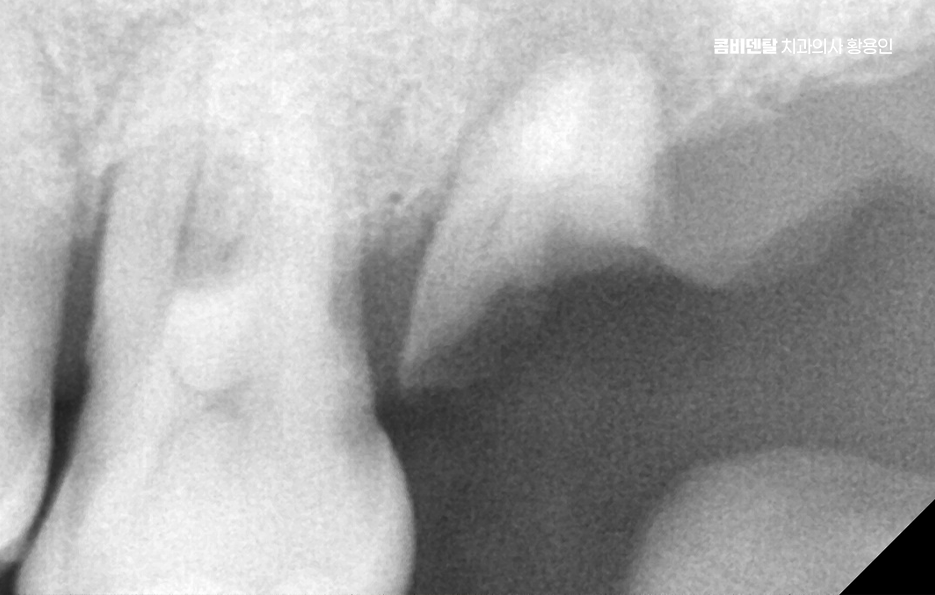
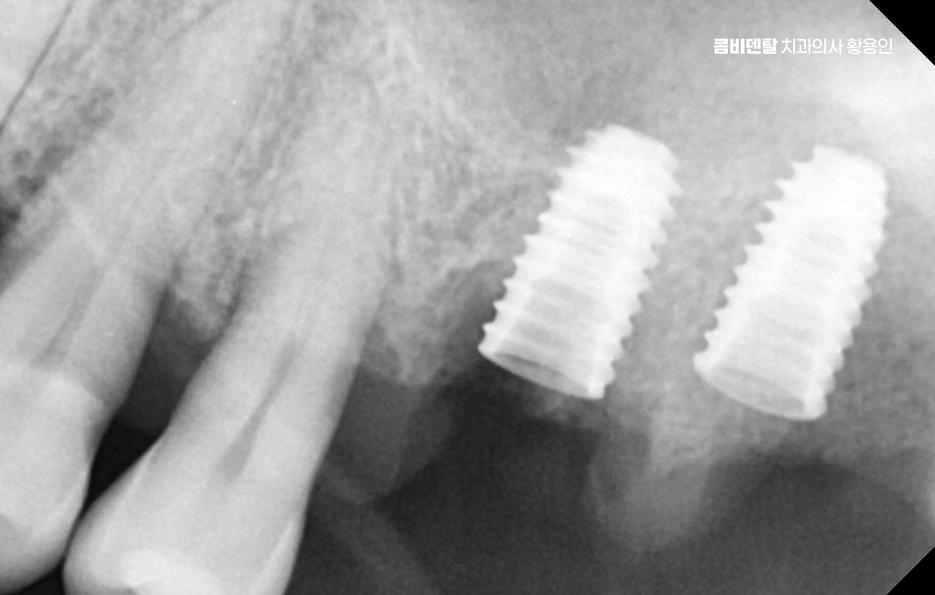
Then even the loss of one or two teeth can cause the entire oral structure to collapse, and chewing strength eventually weakens as well. Because these changes progress more quickly with advanced age, prompt response can be important.
In the past, dentures were used to replace most tooth loss. However, dentures can become ill-fitting over time, place significant restrictions on eating, and also have the side effect of accelerating jawbone loss. Among older adults, wearing dentures for a long period often leads to reduced food intake, which can result in weight loss or poor nutritional status. Dentures can also affect pronunciation, sometimes leading to reduced social activity. For these reasons, implants fixed to the jawbone are far more stable than dentures and become a more favorable option for maintaining quality of life.
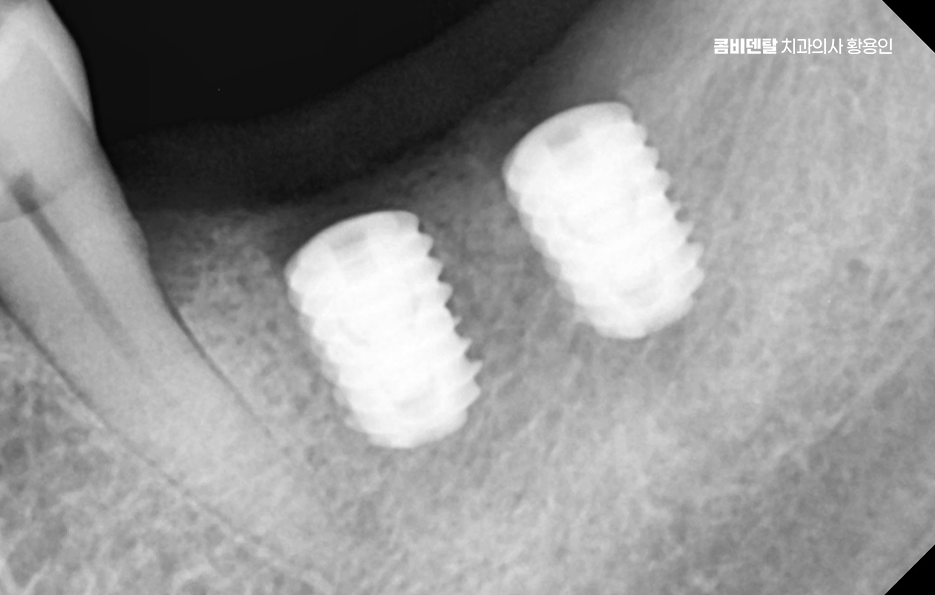
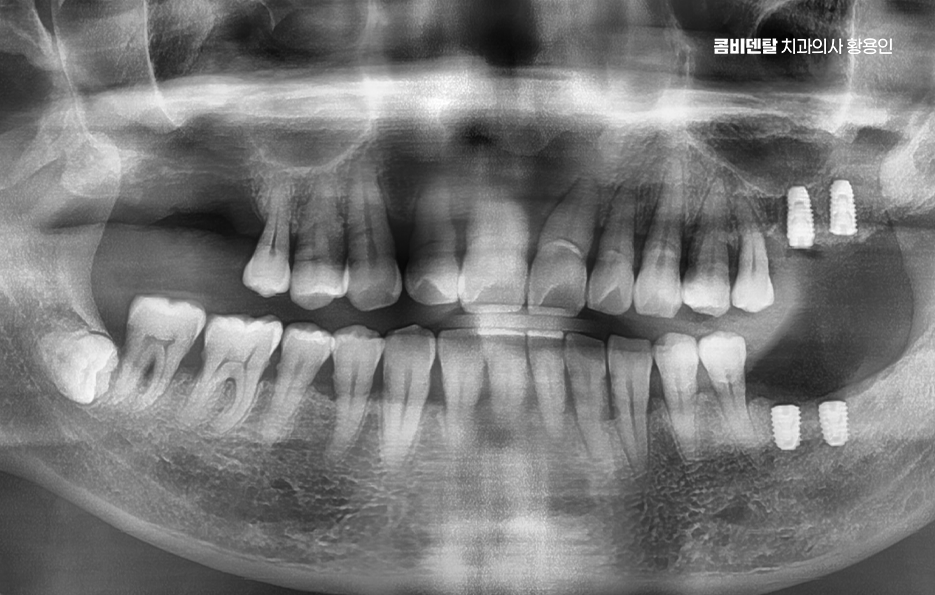
However, because implants are not inexpensive, they can be a significant financial burden for older adults. To address this practical issue, National Health Insurance operates a partial support program for senior implants for those aged 65 and older.
Under current standards, if you are 65 or older, you can receive implant treatment covered by health insurance for up to two implants in your lifetime. The out-of-pocket cost varies depending on your health insurance status, but for general health insurance subscribers, the patient share is 30%. For those in the lower-income bracket or basic livelihood recipients, the patient share can be reduced to around 10–20%.
Another concern when older adults choose implants is the surgery itself. As people age, bones become weaker, and many people also have systemic conditions such as diabetes, high blood pressure, or osteoporosis. For that reason, it is important not only to make good use of senior implant support, but also to carefully check overall health as well as the current condition of the jawbone in cases of elderly implant treatment.
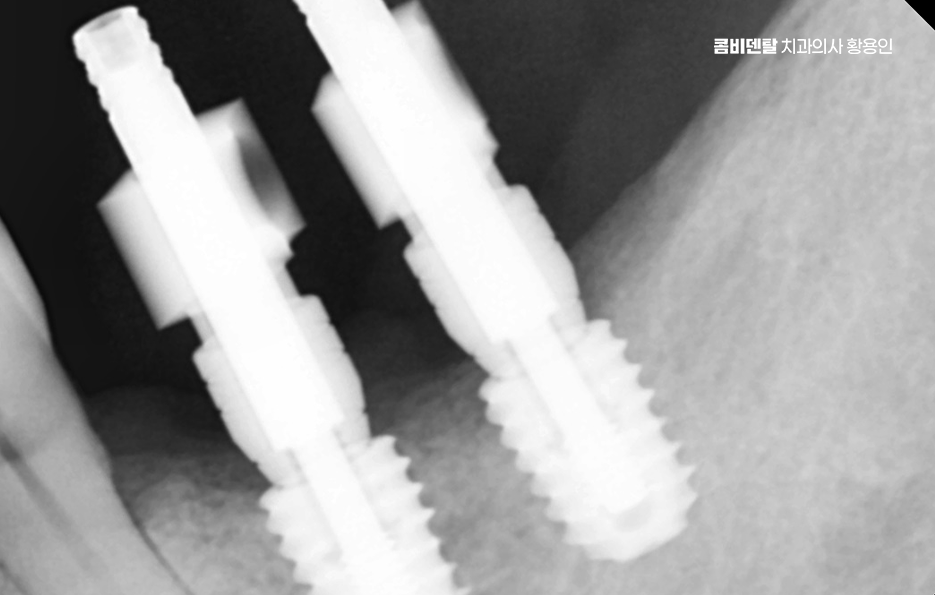
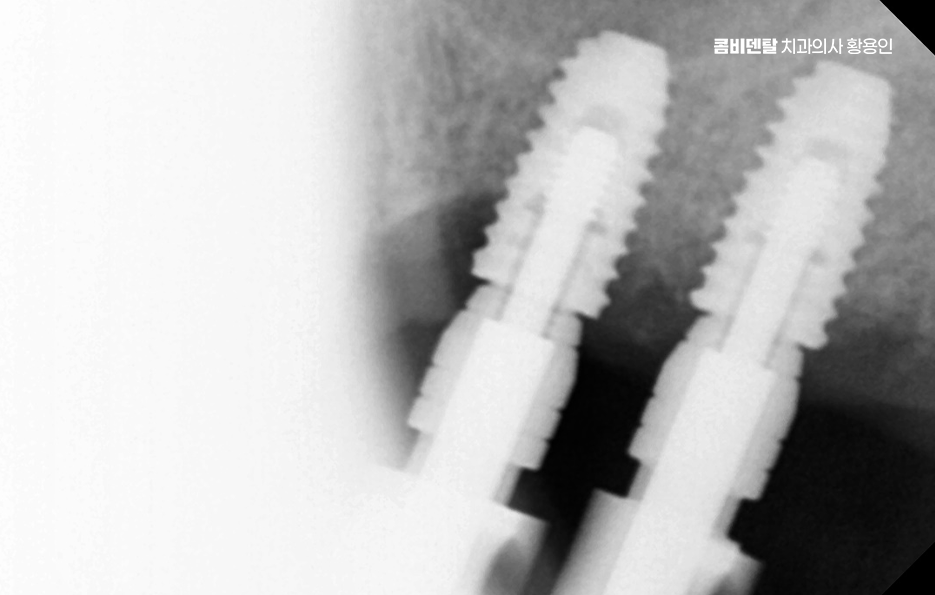
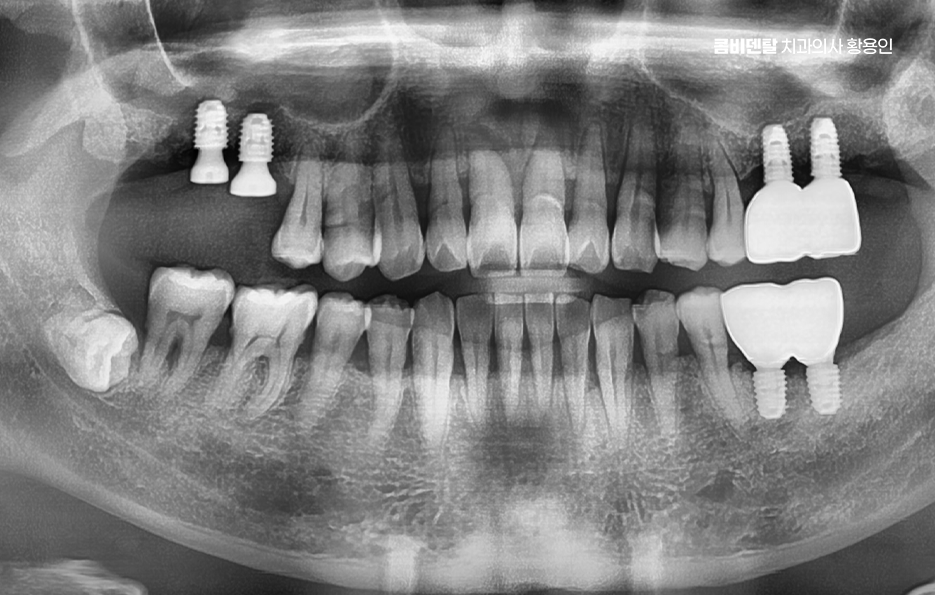
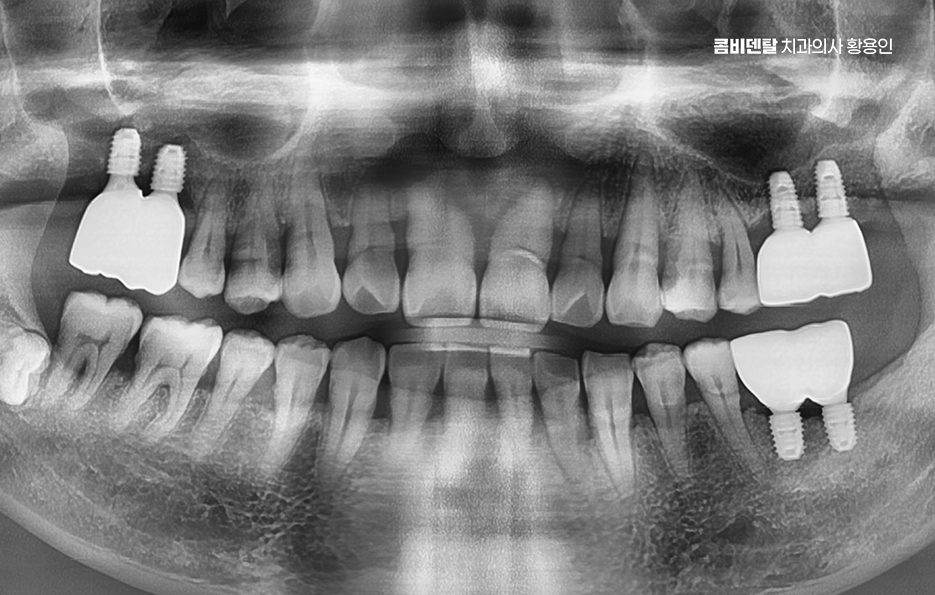
In addition, for example, if the jawbone has resorbed too much, additional treatments such as bone grafting or sinus lifting are often needed. That is why it is important to go through the treatment process with an experienced medical team, and to carefully decide on a dental clinic you can trust over the long term.
Another important part of senior implant support is post-treatment care. Once an implant is placed, the treatment is not finished. Because implants are more sensitive to bacteria than natural teeth, regular scaling and maintenance are essential. In particular, proper use of auxiliary devices and periodic management at the dental clinic are important. If care is neglected, peri-implantitis can develop, and this may cause the implant to loosen or even fall out. In other words, implant treatment is not the end—it requires even more thorough care.
To summarize, implants for older adults are not simply a treatment, but something important for a healthy later life. In addition to the benefit that health insurance coverage can be applied to up to two implants through senior implant support, because this is a benefit available to older adults, I hope you will carefully develop a treatment plan by comprehensively considering everything from preparation for treatment to aftercare.





 Previous image
Next image
Previous image
Next image





 Previous image
Next image
Previous image
Next image



 Previous image
Next image
Previous image
Next image