When I first had inlay treatment, I honestly didn’t take it that seriously. There was a little decay in my tooth, and because it was too deep to fill with resin and there were concerns about strength, inlay treatment was recommended. In fact, after the treatment, I felt no discomfort at all. When chewing food or brushing my teeth, I didn’t feel any foreign sensation in my mouth, so it felt as if it had always been that way, and I often even forgot that I had an inlay. In particular, the sharp pain I had felt from the cavity disappeared completely, and the relief that the problem had been fully solved probably made me careless. Then time slowly passed. One year, two years, and after several years there still weren’t any particular problems. With my busy daily life, dental checkups were always pushed aside, and I thought brushing twice a day was enough. Even if I drank three cups of coffee a day or chewed nuts every day, I was fairly confident in my dental health. I lived that way, brushing off both the habit of daily life and the aftercare after inlay treatment, but at some point, something strange began. At first, it was just uncomfortable because food kept getting stuck. Food kept lodging in the molar where the inlay was placed, and even after brushing there was a lingering unpleasant feeling as if something remained, but I brushed it off and dealt with it using dental floss. Then one day, the moment I chewed something, I felt as if something hard had momentarily slipped between my teeth, and after that, a slight pain came to that tooth. At first I ignored it. I thought maybe the tooth had become sensitive and that it would get better after a few days, and since it improved to some extent after taking a painkiller once or twice, I relaxed again. But after that period passed, things quickly got worse. The pain came more often and more deeply, and when I drank hot soup or a cold beverage, that one tooth in particular reacted. Especially when chewing, I felt a subtle pain and odd pressure in that tooth, and it wasn’t just pain in the ordinary sense—it felt like something inside was breaking down.
In this way, many people who have had prosthetic dental treatment in the past go on living and even forget that they ever received it, but prosthetics do have a lifespan, and they can only last if they are properly cared for. That is why, one day, a tooth that had once been treated and forgotten can develop a problem and require more extensive treatment.
Inlay treatment is a good choice for restoring function while preserving the shape of the tooth when decay has progressed to a certain depth. It is often used as an intermediate treatment because it is stronger than resin and removes less tooth structure than a crown. But once inlay treatment is finished, that tooth is not completely safe. If care is poor or if unsuitable habits are repeated, the tooth that received the inlay can develop decay again, or the prosthetic or surrounding tooth can break, eventually leading to a root canal.
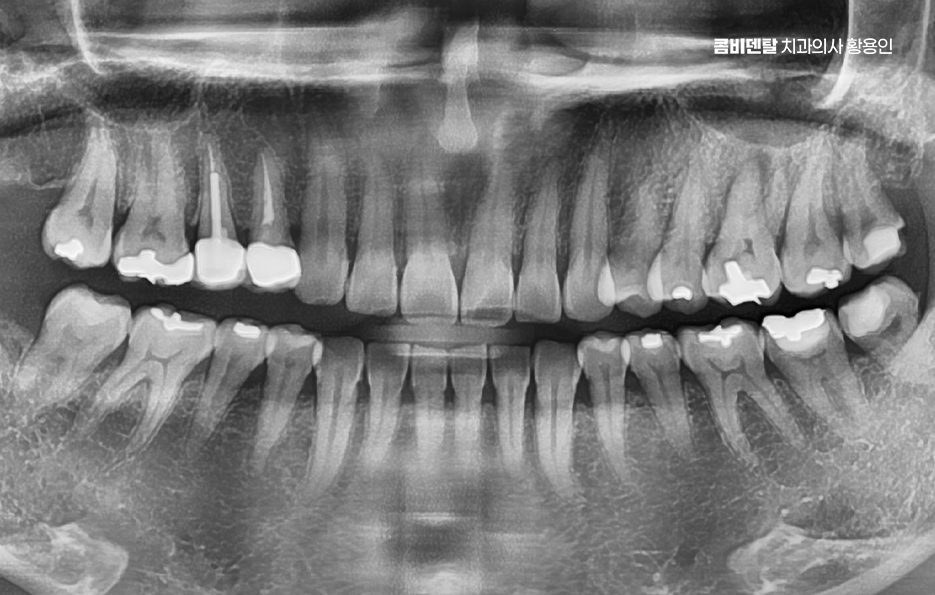
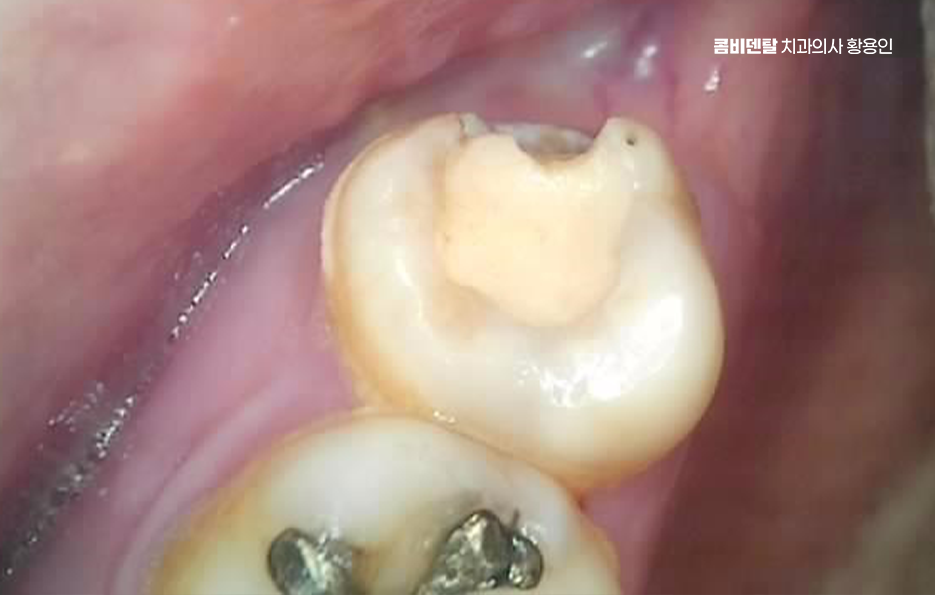
One of the representative cases where treatment progresses to a root canal after inlay treatment is secondary decay, meaning decay that develops again between the inlay and the tooth. Inlays are made from materials such as gold or ceramic, and no matter how precisely they are fitted, tiny gaps can form at the bond over time.
If food particles or bacteria enter those gaps, decay starts again out of sight. In particular, it is difficult to fully clean the margins of an inlay with brushing alone, and secondary decay can happen more often in people who neglect floss or interdental brushes.
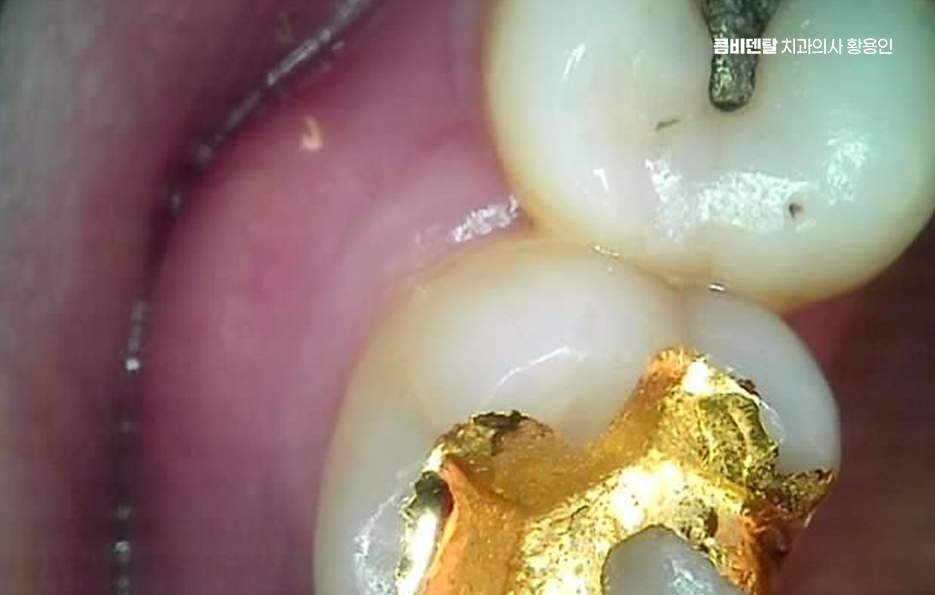
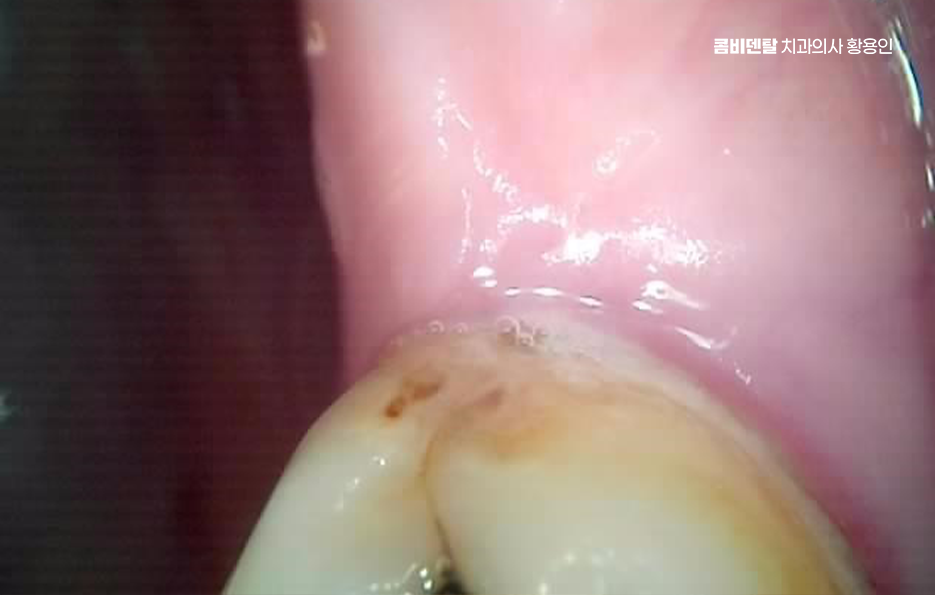
The second case is when the prosthetic itself fractures. Inlays are strong, but they are not unbreakable. In particular, if you often chew hard foods, ice, or tough items like dried squid, repeated biting pressure can cause the inlay to crack or chip. If the prosthetic has only a slight crack, it can be replaced by taking a new impression and making a new inlay. The problem is when the inlay fractures and damages the tooth tissue inside as well. Once a tooth begins to crack, the crack can easily spread inward, bacteria can enter through the gap, and eventually pulpitis develops, meaning inflammation in the nerve.
Next among the cases where a root canal is needed after inlay treatment is when a crack or microfracture in the tooth beneath the inlay was already in progress but was discovered too late. In such cases, it is difficult for the patient to know unless they feel a clear pain, and after using the tooth well for a while following inlay treatment, they suddenly notice dull pain or sensitivity to cold water and realize something is wrong. Since tiny cracks are difficult to confirm immediately even on X-rays, they are often identified only once symptoms appear. By then, the nerve has often already been damaged, and it can lead to a situation where root canal treatment becomes necessary.
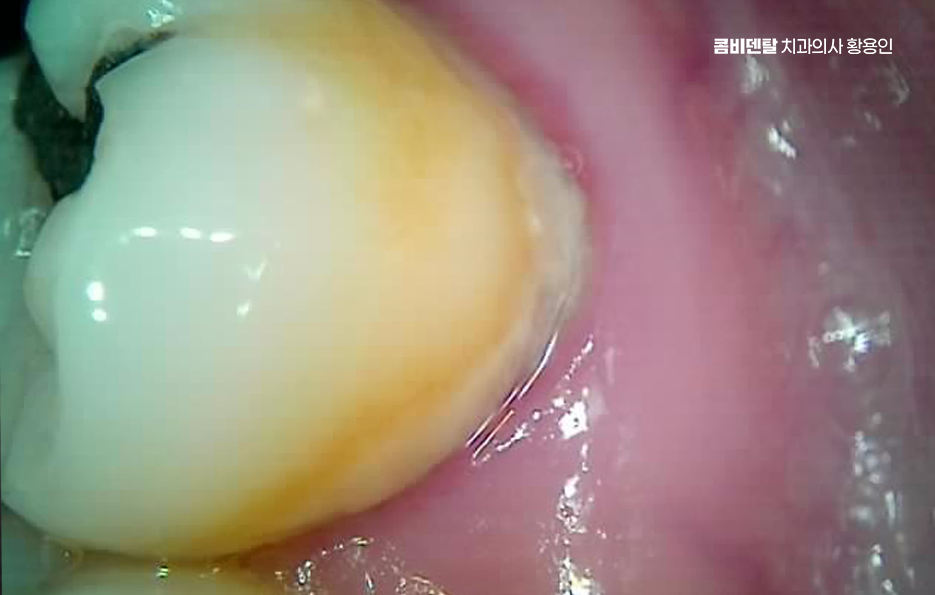
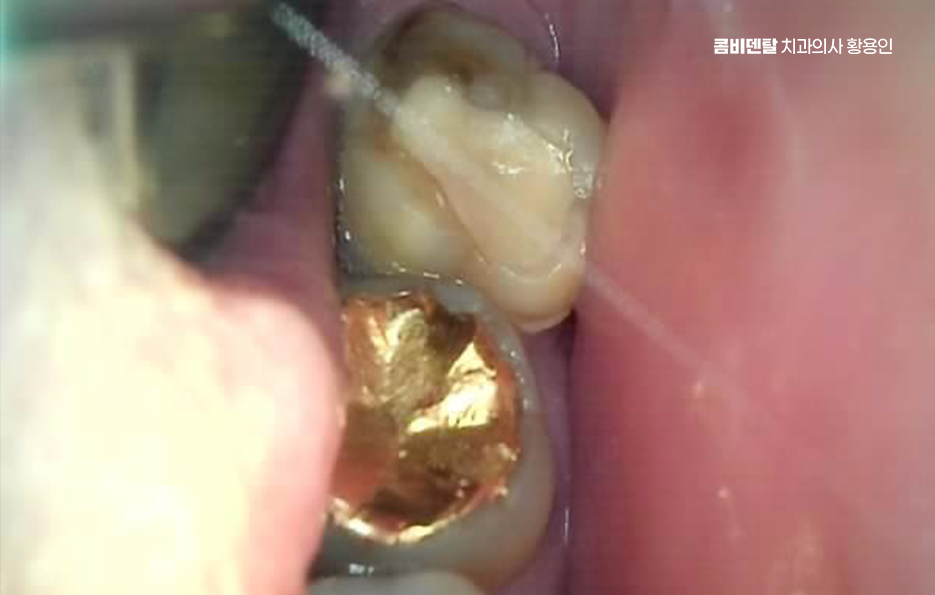
When these problems occur, the most important thing is to respond quickly. If the area around the inlay feels sensitive, if there is discomfort when chewing, or if food keeps getting stuck, you should visit the dentist promptly for an examination. Secondary decay can sometimes be relatively simple to repair if detected early, but if it is ignored and left untreated, inflammation eventually reaches the tooth nerve, and from that point on, you will need a more complex and time-consuming treatment called root canal treatment.
If the situation has progressed to the point where root canal treatment is needed after inlay treatment, the amount of tooth structure that can still be preserved becomes important. Root canal treatment itself refers to disinfecting the inside of the tooth, removing inflamed tissue, and then filling it, but because the tooth becomes weaker and more prone to breakage after root canal treatment, it usually needs to be protected with a crown. In other words, the tooth that was originally treated with an inlay eventually reaches the crown stage. At that point, more tooth structure has to be removed, treatment costs increase, and more of the original tooth structure can be damaged.
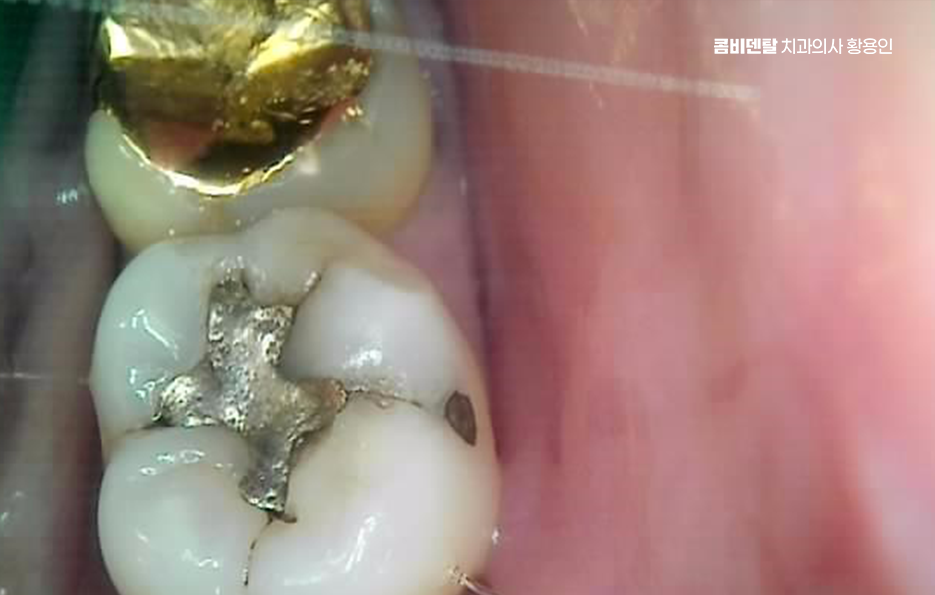
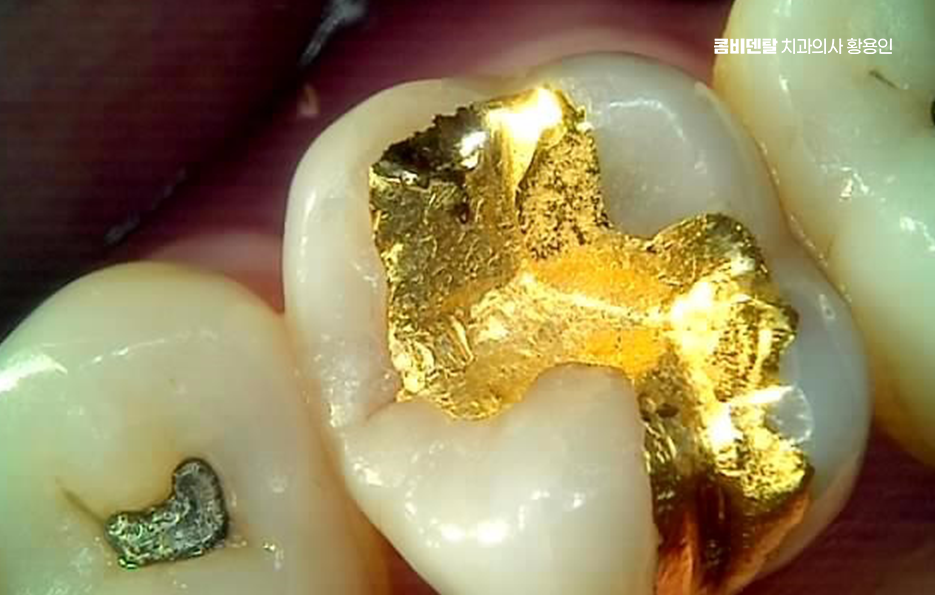
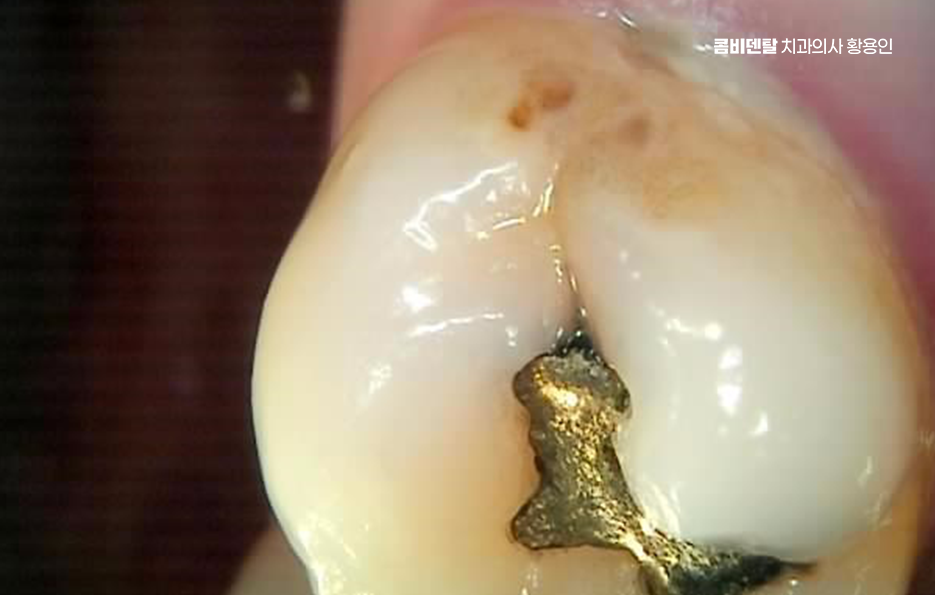
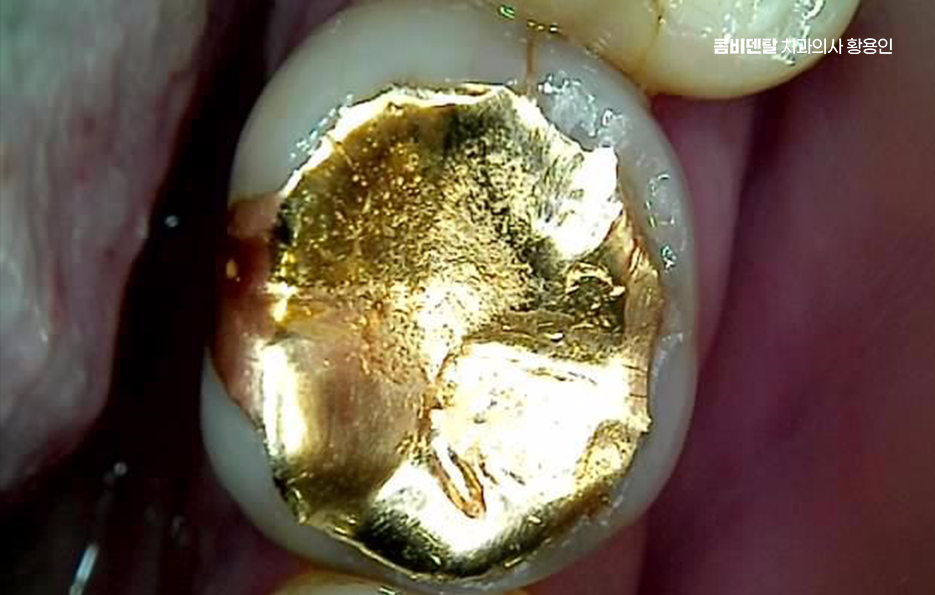
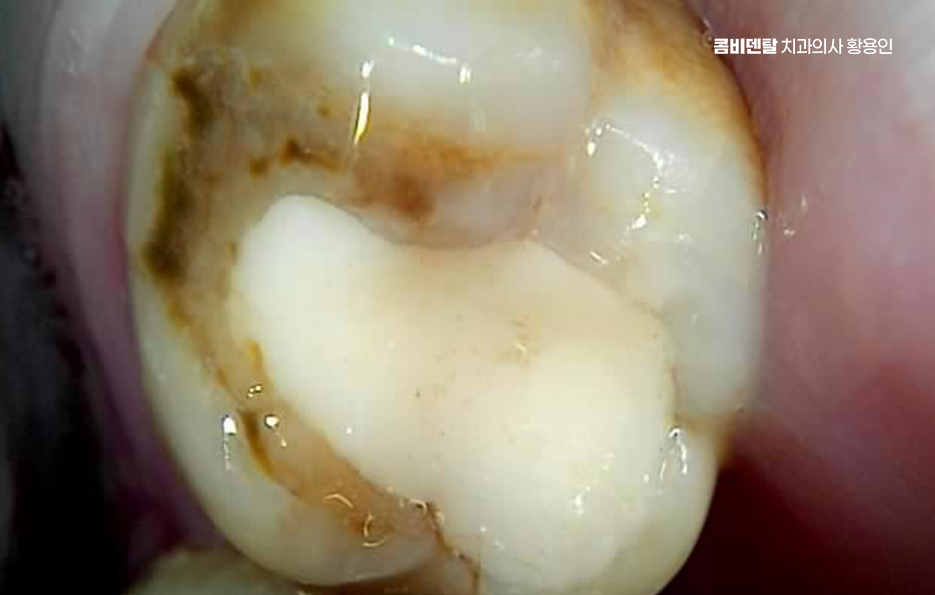
So after prosthetic treatment, remember that the treatment is not over when the procedure ends; rather, that is when care begins. The points you must follow are simple. Flossing is essential. With prosthetics like inlays, food tends to get trapped along the side margins, and since a toothbrush alone cannot remove it, using floss at least once a day is the most effective way to prevent secondary decay. You should also be careful with hard foods, and it is recommended to have regular checkups every 6 to 12 months. Since decay or cracks under an inlay are difficult to notice until you feel them yourself, regular checkups are the easiest way to detect them early.
In summary, anyone can receive small or large prosthetic dental treatment in life, but the important thing is that treatment is not the end; ongoing care matters. Properly caring for prosthetics helps maintain the lifespan of natural teeth as well, and when a dental problem occurs, receiving treatment in time and properly addressing the cause is an important response that can help prevent repeated recurrence. I hope you will keep that in mind.










Previous image
Next image





Previous image
Next image







Previous image
Next image