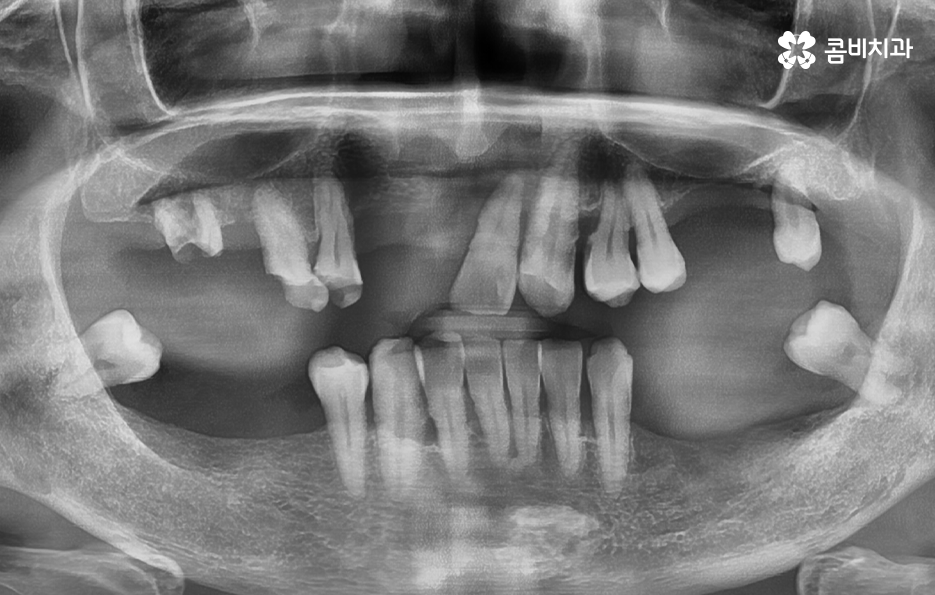
As I entered old age, the experience of losing one tooth after another shook me deeply. I thought I could accept, to some extent, that the body was aging, but the fact that my teeth were being lost so quickly made reality feel especially forceful. In the past, I never had to worry about biting into food. I did not think about my teeth when I smiled or spoke, but at some point I began to feel that force was no longer being transmitted properly every time I chewed. In front of hard foods, I found myself hesitating one more time. And once I began to feel the weakness of my teeth just from the air touching my mouth, I had no choice but to admit that things had changed from before. When I first lost a tooth, I comforted myself by thinking that these things happen as you get older. But it did not take long to realize that was only the beginning. After a few months, another tooth had a problem, and then there came a day when the gums weakened, the tooth felt loose, and eventually it could not be tolerated any longer and fell out. I felt acutely how much faster the body changes than I had expected. Since it is well known that teeth, unlike other parts of the body, do not grow back once lost, that loss remained with me as a much greater sense of loss than I had expected. Losing a tooth was not just a health issue; it brought on many different effects.
In this way, tooth loss in old age is not simply a matter of tolerating the inconvenience caused by the loss of a single tooth, and it can lead to various problems, not only chain reactions in the surrounding dentition and bite, but also overall health and quality of life.
When people enter old age, teeth are no longer just tools for chewing; they become an important factor in maintaining health and quality of life. During this period, the risk of tooth loss rises sharply, and changes such as impaired eating function, nutritional imbalance, digestive problems, and reduced social motivation often occur all at once. Because of this, it can be very important to understand the main causes of tooth loss in old age accurately and to know how to restore function if teeth have already been lost.
Especially from age 65 and older, the state supports implant treatment under national health insurance to reduce the burden, so knowing about this benefit and using it properly can greatly help preserve quality of life. It is necessary to understand overall why tooth loss occurs in old age, how it progresses, and what meaning the implant health insurance benefit has.
A major reason tooth loss increases in old age is the long-term cumulative effect of periodontitis. Periodontitis is a disease in which gum inflammation spreads into the jawbone, dissolving the bone and making it impossible to support the teeth. When young, the gums recover to some extent, so it may not feel serious, but as people age, recovery slows and inflammation spreads more quickly. Once the jawbone begins to dissolve, it is practically difficult to restore it to its original state, so teeth gradually become loose and can eventually lead to extraction.
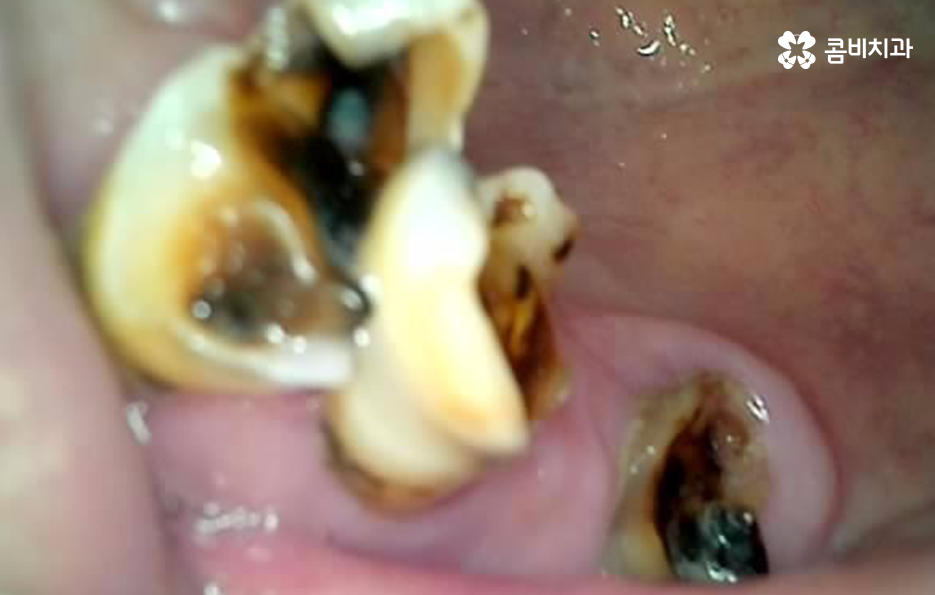
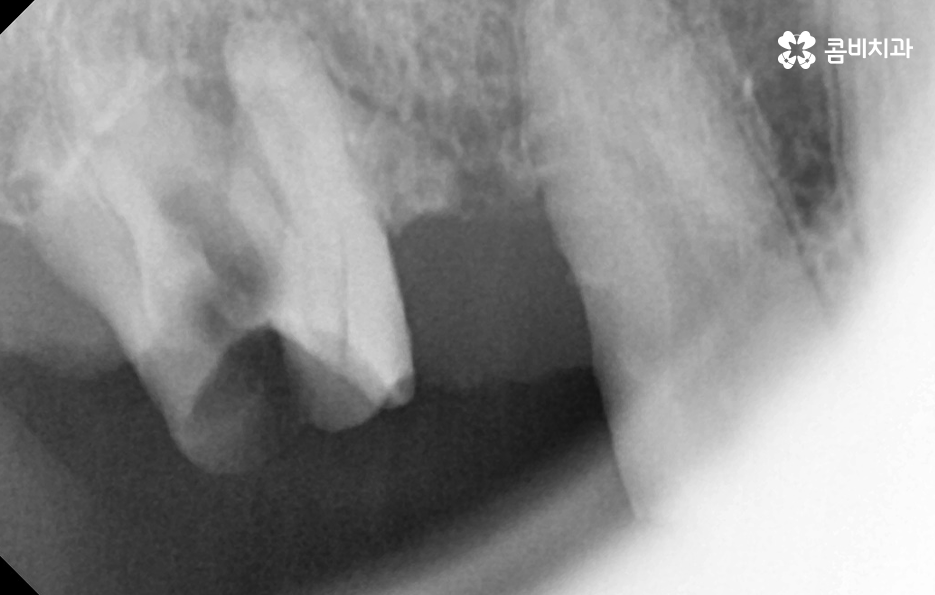
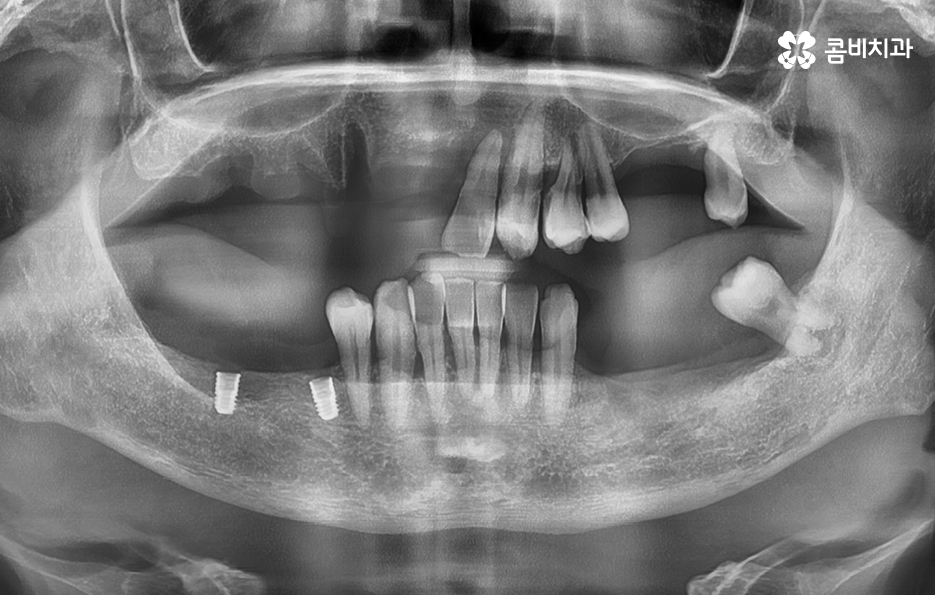
Many older patients say their teeth suddenly started to become loose, but in reality this is the result of long-progressing periodontitis reaching a critical point. Because periodontitis progresses quietly, many cases end in tooth loss if there are no regular checkups.
Another major cause is the effect of systemic diseases and medication. In older adults, it is common to have various systemic conditions such as high blood pressure, diabetes, osteoporosis, rheumatism, and cardiovascular disease. These conditions can directly affect gum health and bone metabolism, increasing the risk of tooth loss. For example, if diabetes is not well controlled, the immune function of the gum tissue declines, inflammation worsens quickly, and osteoporosis medications can affect bone regeneration, increasing alveolar bone loss. In many cases, systemic disease is not just a background factor but a major factor that accelerates tooth loss.
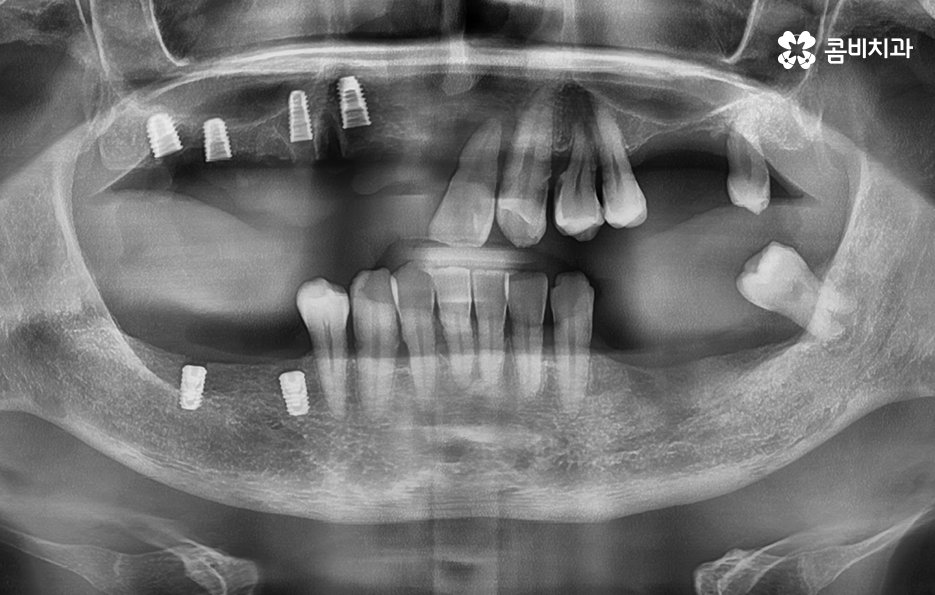
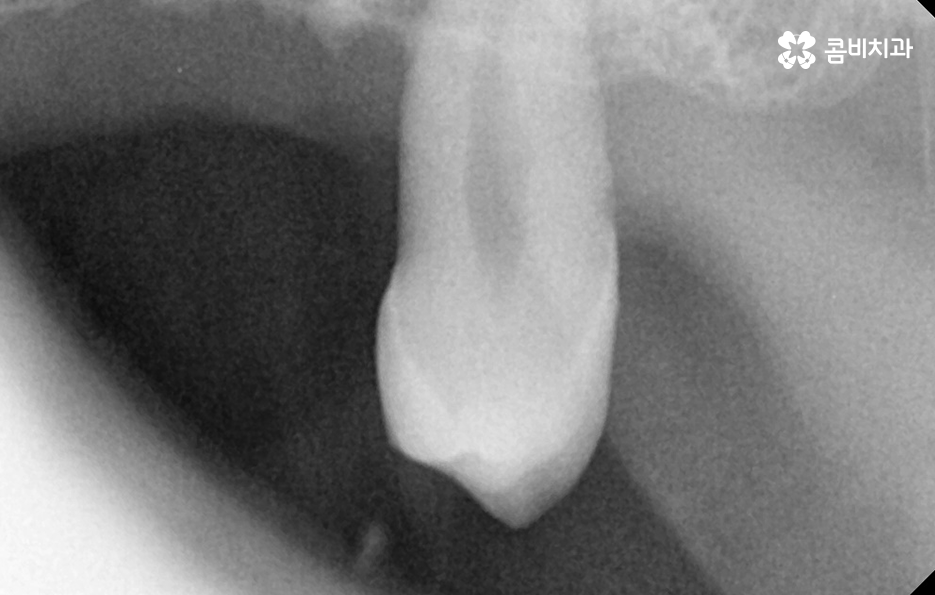
Another big issue is the recurrence of cavities or the aging of old prosthetic restorations. Even if someone had cavity treatment, crowns, or bridges when younger, retreatment is often needed in old age. Because prosthetics are not permanent, their bonding strength can weaken or the gums can recede, allowing cavities to develop again at the margins of the prosthesis. In particular, cavities that form at the root area of a tooth often progress quickly and are difficult to treat, so if the tooth under a prosthesis becomes unstable, extraction can ultimately become necessary.
When teeth are lost for these various reasons, the next issue is how to restore function. Many older adults delay treatment because of cost or consider dentures, but the state provides national health insurance benefits for implants for those aged 65 and older. This system can be said to be not merely a subsidy, but an important policy for protecting chewing ability and overall health in older adults.
The main point of the implant health insurance benefit for people aged 65 and over is that up to 2 implants are covered over a lifetime. Since the patient only needs to pay 30% of the treatment cost out of pocket, it can be considered a very significant financial benefit.
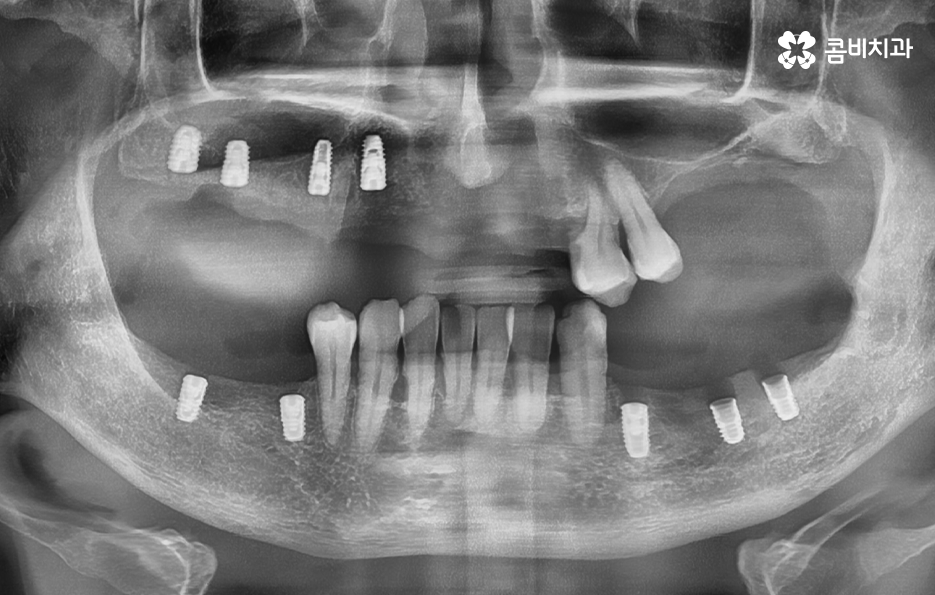
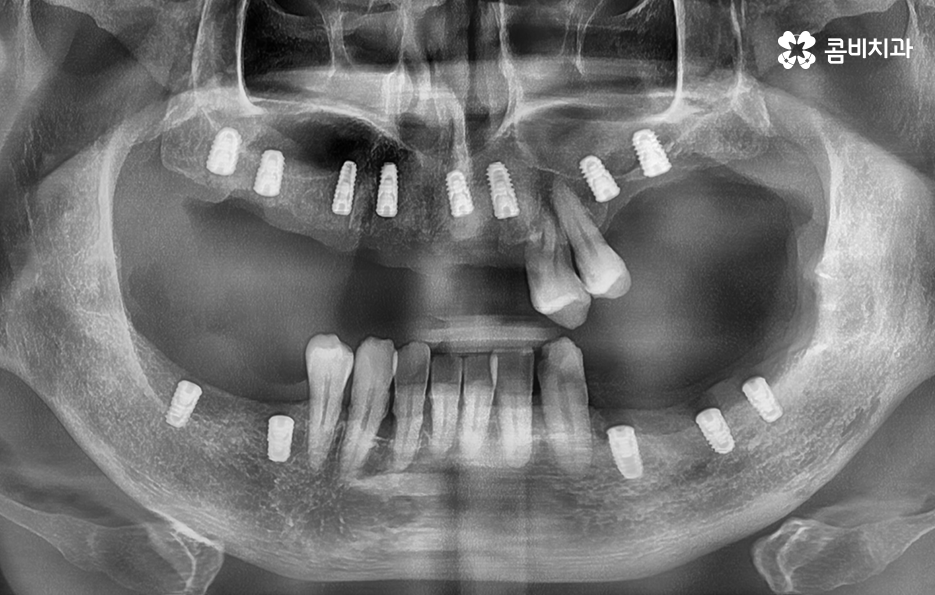
However, what should be noted here is that because the benefit applies to up to 2 implants over a lifetime for those aged 65 and over, it is important to maintain natural teeth as well as possible and make good use of the benefit when it is needed. Since treatment must be received in old age, the condition of the jawbone and overall health must be carefully considered, and treatment plans should be made together with an experienced dentist and a well-established system that can handle this. Under the health insurance benefit, additional procedures such as bone grafting, sinus lifting, or changes to the prosthesis must be paid separately, so each patient needs to understand the treatment plan that is appropriate for them and plan their treatment budget accordingly.
An implant is not just a replacement for a tooth, but a treatment that helps maintain overall health, nutrition, and quality of life in old age. When chewing function is restored, food intake may increase, nutrient absorption may improve, and immunity may become more stable, which can bring positive changes to overall health. Therefore, please do not take tooth loss lightly. Considering life expectancy, I hope you will view implant treatment from a long-term perspective, not only in your 60s but also in your 70s and beyond, and make use of it and manage it well.