
Even when I knew I had a cavity, I never thought the situation would get this serious. I had felt that tooth get a little sensitive from time to time before, but when I was busy it would seem to get better, and since it wasn’t unbearable pain, I kept putting off treatment, thinking I’d take care of it someday when I had time.
One day, I was eating as usual, and although I wasn’t chewing anything hard or doing anything particularly strenuous, I suddenly felt something odd in my mouth. For a moment, I thought there might have been a pebble in the food, so I spit out what I was chewing, and the moment I saw a white, sharp fragment in it, I was shocked. It didn’t take long to realize that it wasn’t food, but a piece of tooth.
I was so flustered that I went straight to the mirror and opened my mouth. One side of the tooth with the cavity was noticeably broken, and the inside that usually isn’t easy to see looked exposed. At that moment, the pain wasn’t extremely severe, but the thought that it had broken to this extent filled my mind: maybe the inside had already been badly damaged.
I carefully touched the area with my tongue, and even the slightest contact brought on a sharp, sensitive feeling, so I ended up closing my mouth and staying still for no reason. More than pain, I felt a strong sense of anxiety about what I should do with this tooth from now on.
From that day on, every time I ate, I paid attention not to put pressure on the broken tooth, and naturally I ended up chewing only on the opposite side, so mealtimes were no longer comfortable. More than the taste of the food, I felt unfamiliar with myself for sensing the condition of my teeth first.
The pain came and went. It was fine when I was still, but when I drank cold water or chewed at a certain angle, a sharp sensation would suddenly come on, and every time that happened, I couldn’t help but tense up, worrying that it might break even more.
In this way, tooth breakage caused by cavities can happen in cases where someone already knows they have a cavity but keeps putting off treatment and suddenly the tooth breaks, making the symptoms worsen more significantly. In other cases, a person may not know at all until the tooth breaks and they realize only then that decay had already been progressing inside the tooth.
A cavity can gradually weaken a tooth and, at some point, lead to the tooth no longer being able to hold up and breaking. Especially if there wasn’t much pain before, it can feel even more sudden. But in most cases, a tooth that breaks is not something that happened overnight; it is often a sign that decay has already been progressing for a long time.
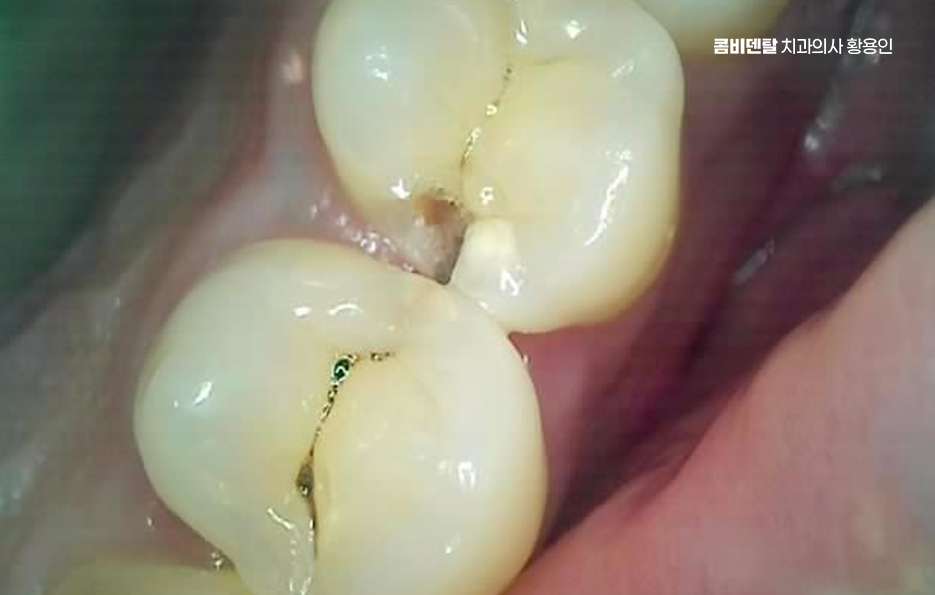
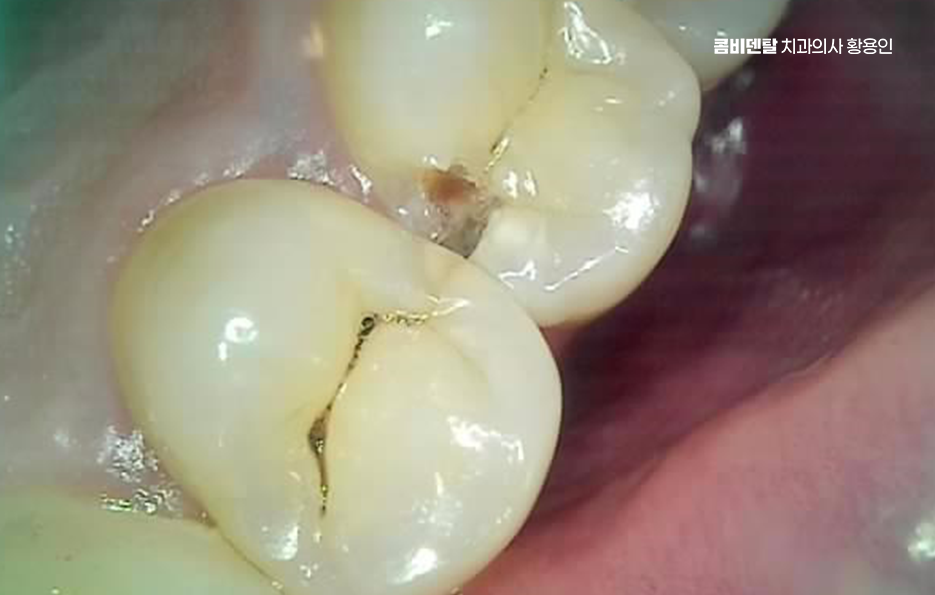
Looking first at the causes of tooth breakage due to cavities, one representative case is when a cavity looked small on the surface. There may have been a tiny black spot on the tooth surface, or food got stuck there often, so it was brushed off as nothing serious. In reality, however, the cavity was spreading widely inside the tooth. Once the internal structure of the tooth weakens, it can no longer withstand chewing force, and then one day, the tooth wall may break as if it collapsed when biting into something hard.
This happens especially often with molars. Molars receive the most chewing force, and when decay progresses along the grooves on the chewing surface of a molar, it is often hard to see from the outside, and there may be little to no pain, so it can be easy to miss the right time for treatment.
Another common case of tooth breakage caused by cavities is when a tooth breaks at an old treatment site. In the past, the cavity may have been treated with resin or another material, but over time a tiny gap can form between the tooth and the material, allowing decay to progress again.
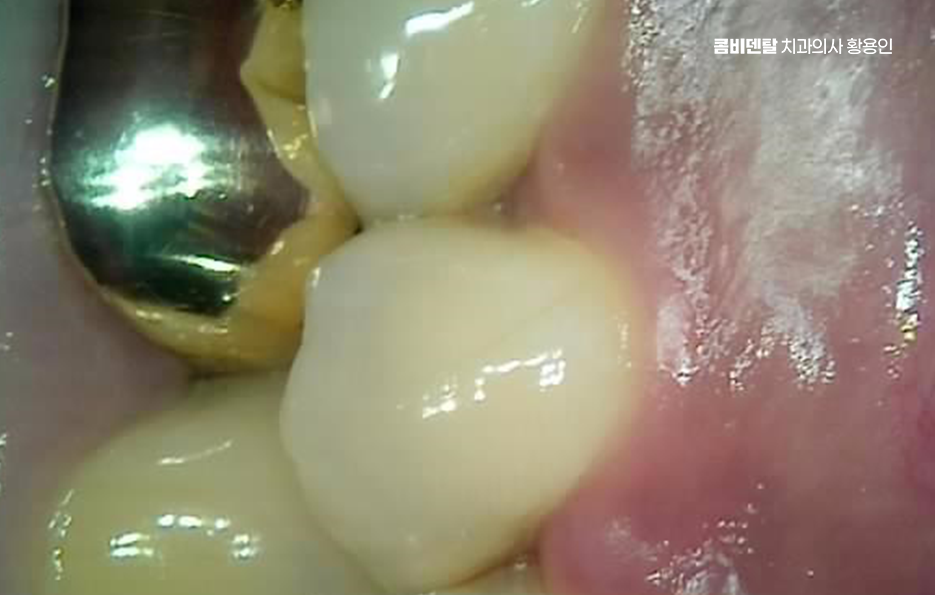
From the outside, it can look like the treatment was done well, so it’s easy to feel reassured. But in reality, decay may still be continuing inside where it cannot be seen, so in such cases the tooth becomes weakened in two ways, and at some point the area around the treated part may break together and reveal the problem.
The symptoms that appear when a tooth breaks due to a cavity vary depending on the situation. Right after the break, sharp pain may be felt, or there may be severe sensitivity when exposed to cold water or air. In some cases, there is almost no pain and the only feeling is that food keeps getting stuck.
But it is dangerous to assume the problem is minor just because there is no pain, because the fact that it has broken already means the tooth structure has been significantly damaged.
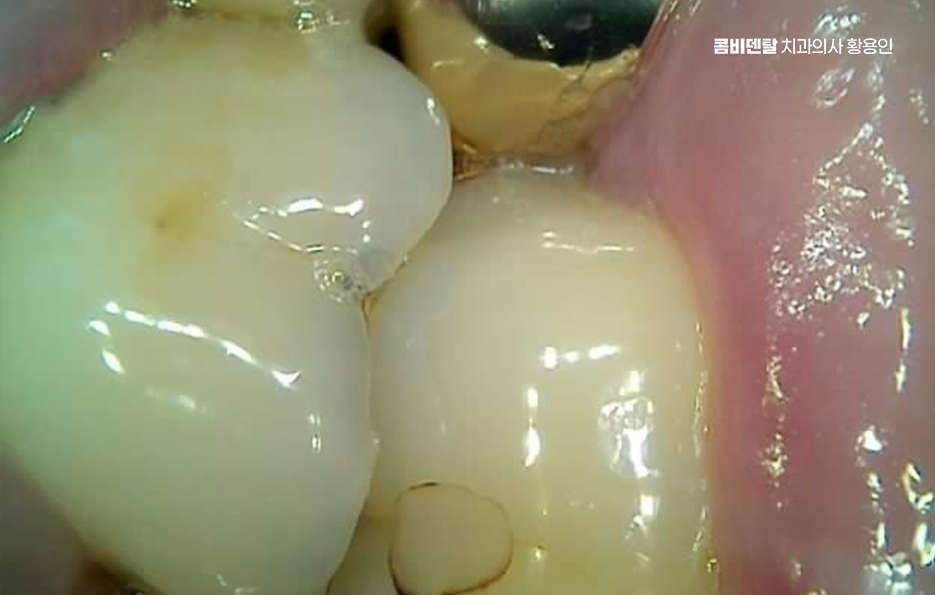
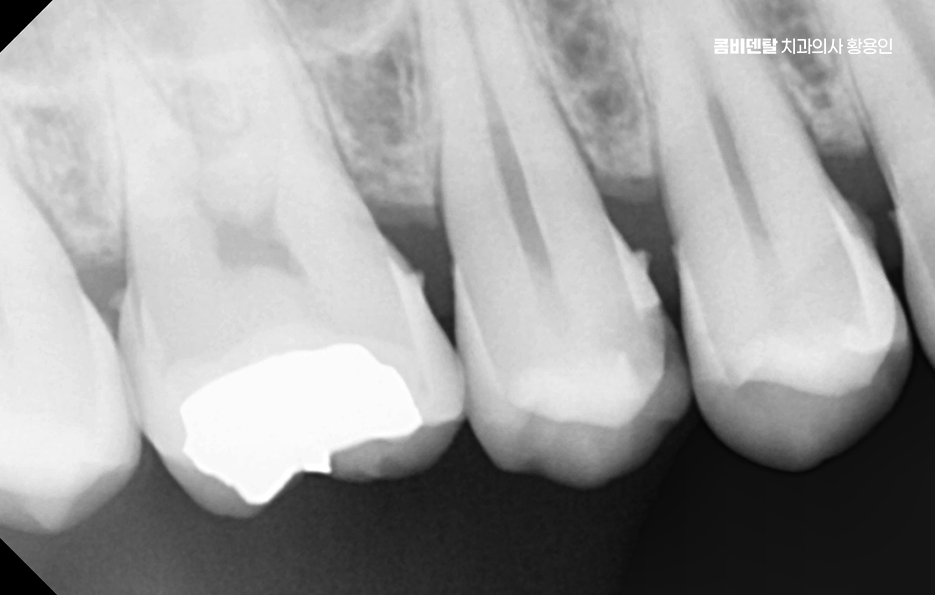
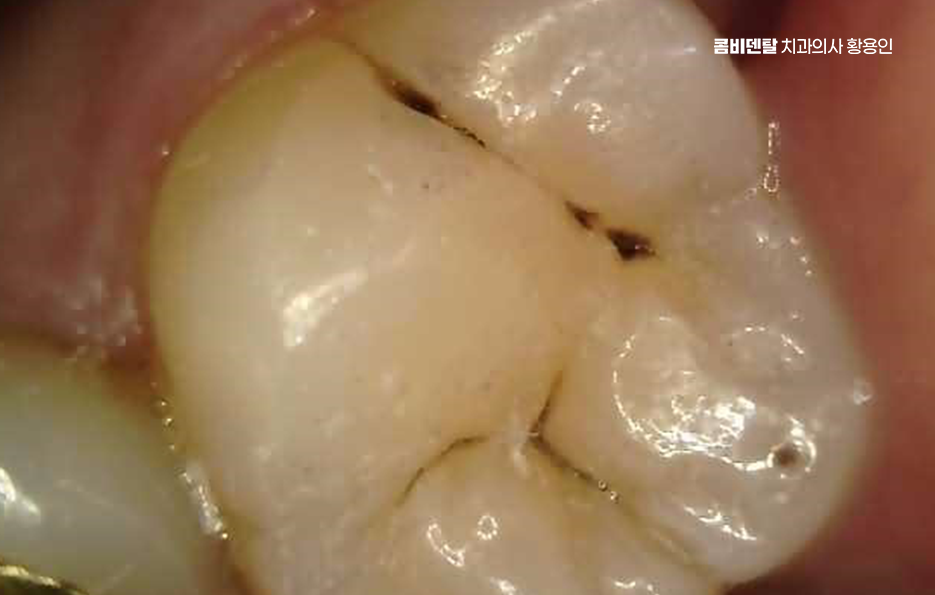
The important way to respond in this situation begins with checking the condition accurately. If the broken tooth is left as it is and still used, bacteria can enter more easily through the fracture gap and the decay can progress quickly. Also, the sharp edge can injure the tongue or gums, and there is a risk of the break becoming even larger while chewing.
The treatment for a tooth that has broken due to a cavity depends on the extent of the break and how far the decay has progressed. If the broken area is small and the cavity is relatively shallow, it may be possible to restore it by cleaning up the broken part and using a material such as resin. However, if the broken area is wide and the tooth wall has collapsed significantly, simple filling treatment is often not enough. In particular, if the chewing surface or side surface has been badly damaged, treatment to protect the remaining tooth is needed, and durable prosthetic treatment such as an inlay or crown may be required.
If the tooth has already been affected all the way to the nerve and then breaks, pain is often clearly present. There may be throbbing pain even at rest, or pain may worsen at night. In that case, treatment to remove the infected nerve is carried out first, and the tooth is protected with a crown. Unfortunately, if the tooth has broken severely due to decay and the damage extends below the gum line, there may be cases where it is difficult to save the tooth.
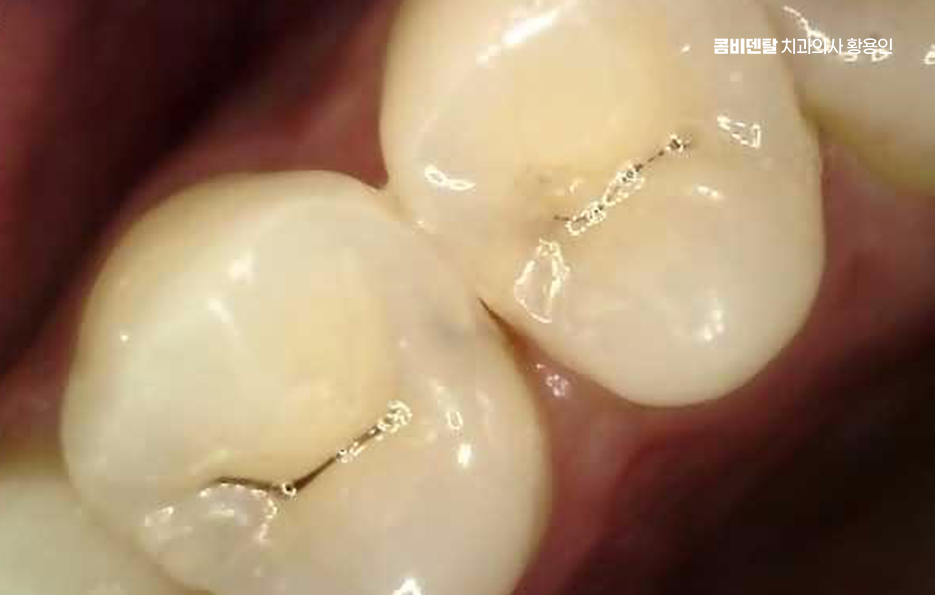
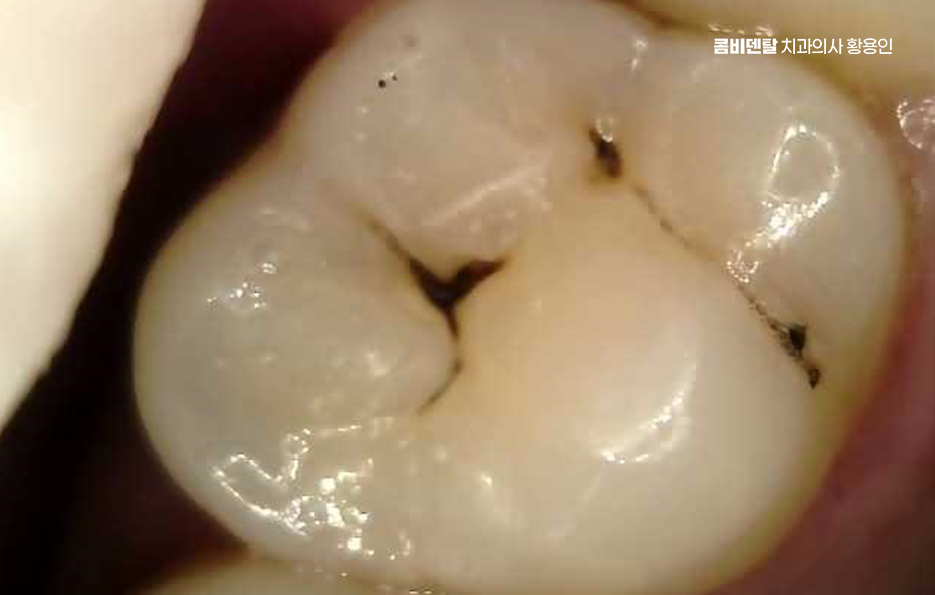
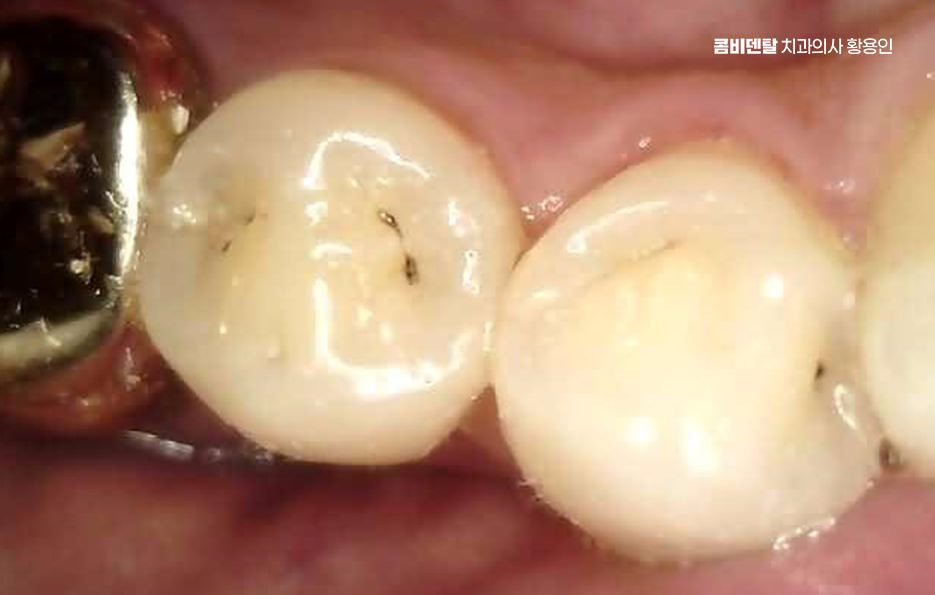
What is important to prevent tooth breakage caused by cavities is regular checkups. In particular, areas that are hard to see well, such as molars, often do not show symptoms until the problem has become quite serious, so finding small cavities early through regular checkups can be a practical way to protect your teeth.
Once a tooth breaks, it is difficult to return it to its previous state, and the scope of treatment can only grow. So the best way to prevent tooth breakage caused by cavities is to act before it breaks: do not take small cavities lightly, regularly check teeth that have already been treated, and manage daily habits as well. Just these steps can go a long way toward preserving the life of your teeth. If you already have a dental problem, I hope you will not delay and will get an accurate diagnosis and treatment at the dentist, along with good measures to prevent recurrence.




 Previous image
Next image
Previous image
Next image



 Previous image
Next image
Previous image
Next image


 Previous image
Next image
Previous image
Next image




 Previous image
Next image
Previous image
Next image