
In fact, I had been seriously thinking for quite a long time that I wanted to get orthodontic treatment for protrusive mouth correction. Every time I looked in the mirror, I always felt bothered by the way the area around my mouth seemed thick and pushed forward, even when my lips were closed.
When I smiled or looked at side-profile photos, my eyes kept drifting there for no reason, and I gradually became careful about my expressions as well. The fact that I was constantly being conscious of myself kept building up as a burden.
Still, I couldn’t easily decide to go through with orthodontics. I knew that orthodontic treatment takes a long time and costs a fair amount, and above all, I was very afraid of extractions. So my desire to correct my protrusive mouth and my desire not to have any teeth removed kept clashing with each other.
One day, while looking in the mirror, I suddenly thought this: I’m already living while constantly worrying about my teeth and face even without orthodontic treatment, so would it really be okay to spend several more years like this? As I started leaning toward that thought, my worries about non-extraction protrusive mouth correction naturally grew.
I kept searching online for reviews to see whether protrusive mouth improvement would be possible without extractions. Whenever I read that it was possible, I felt a brief sense of hope, but then when I saw comments saying it depends on the person, I became anxious again.
It was hard not knowing whether it would be possible in my case too, or whether I would ultimately have to have extractions to get the result I wanted.
For those who are considering non-extraction correction for protrusive mouth, extraction-based treatment is common in many cases, and because the treatment goal often involves changing facial shape, many people worry about whether treatment will go well and whether it will be difficult to treat without extractions.
Because there is a perception that protrusive mouth correction often requires extractions, hearing that it can be done without extractions can feel reassuring. At the same time, it can also make people wonder whether it is really the right choice. In reality, orthodontic treatment for protrusive mouth does not require extractions in every case, and when the conditions are right, there have been cases where improvement was possible with non-extraction correction.
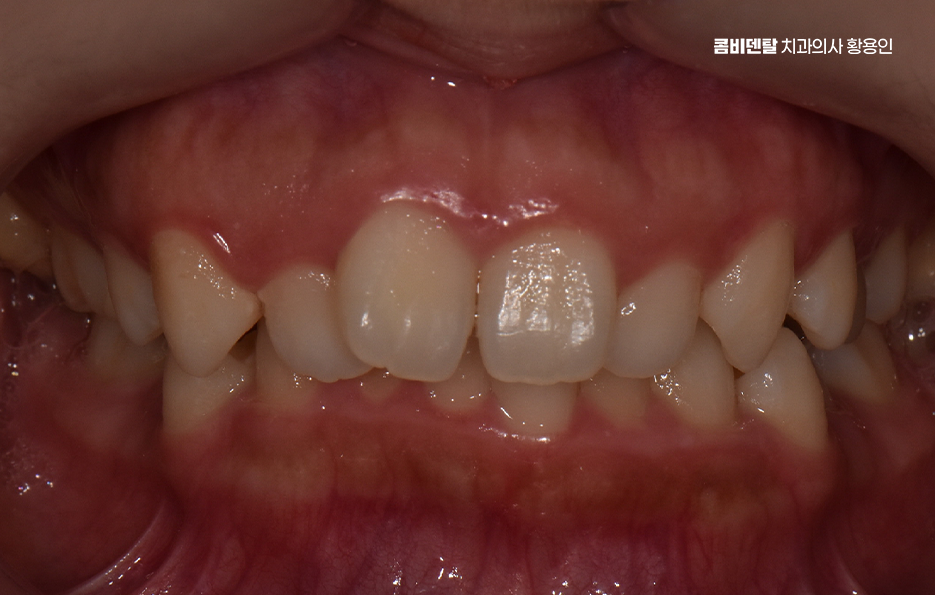
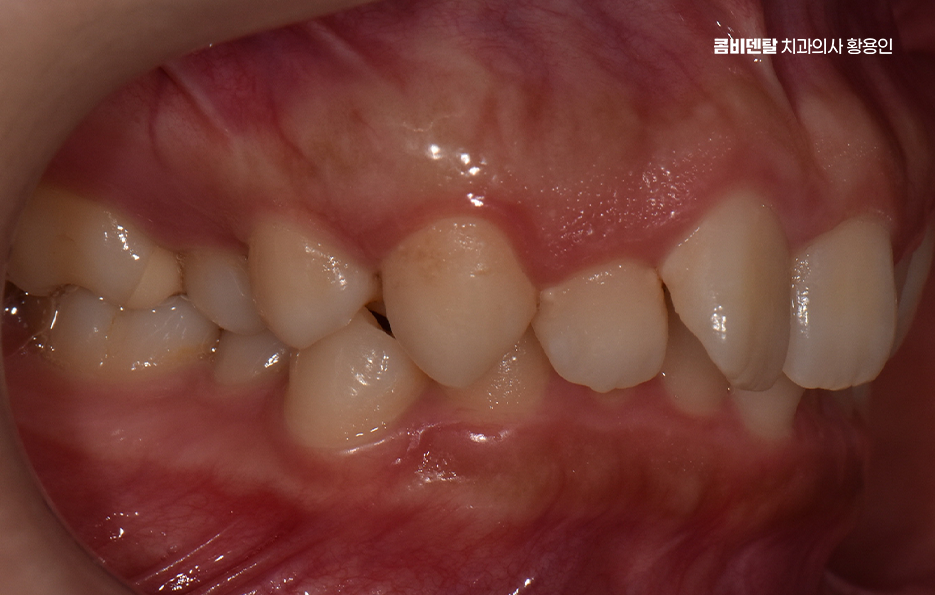
However, non-extraction orthodontics is not a treatment with only advantages. It also has clear limitations and points to watch, so it can be important to understand exactly when it is possible and what its pros and cons are.
The expression “protrusive mouth” does not simply mean the impression that the mouth sticks out. In many cases, it appears as a result of multiple factors working together, such as teeth angled forward, the jawbone itself protruding, and even the thickness of the lips and muscle-use habits. So even if it looks like a similar protrusive mouth from the outside, the actual treatment plan can vary greatly from person to person.
Whether non-extraction protrusive mouth correction is possible is also judged not simply by whether the mouth looks protruded, but by considering several conditions comprehensively.
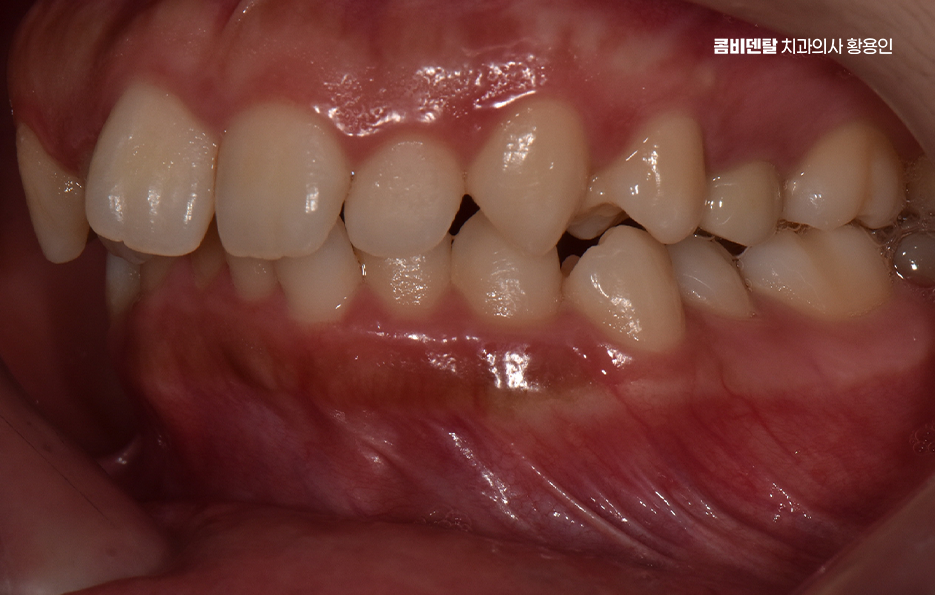
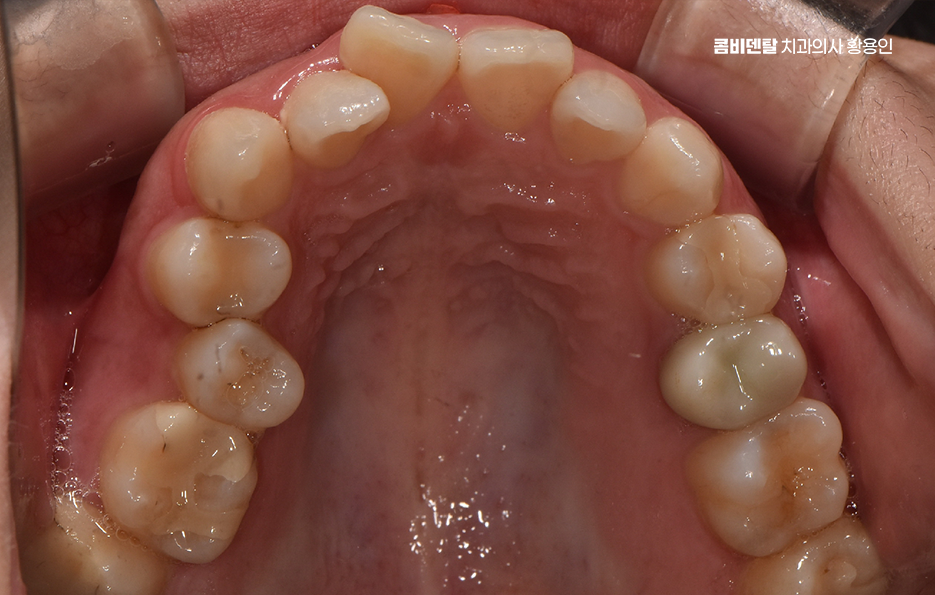
A representative case where non-extraction protrusive mouth correction is possible is when there is relatively enough space in the dental arch. Even if the teeth are not perfectly aligned overall, if they are not severely crowded and there is some room within the alveolar bone, it may be possible to move the teeth backward without extractions.
In particular, if the front teeth are tilted slightly forward and the lip protrusion is not severe, a non-extraction correction can still be expected to improve the overall impression.
If the teeth are relatively small, or if they are not excessively large compared with the size of the jaw, that is also one of the conditions under which non-extraction protrusive mouth correction may be possible. Even for the same protrusion, the treatment approach changes depending on the ratio between tooth size and jawbone size. When the teeth are relatively small, it is easier to secure space, and in such cases the position of the front teeth can be adjusted more naturally while reorganizing the teeth.
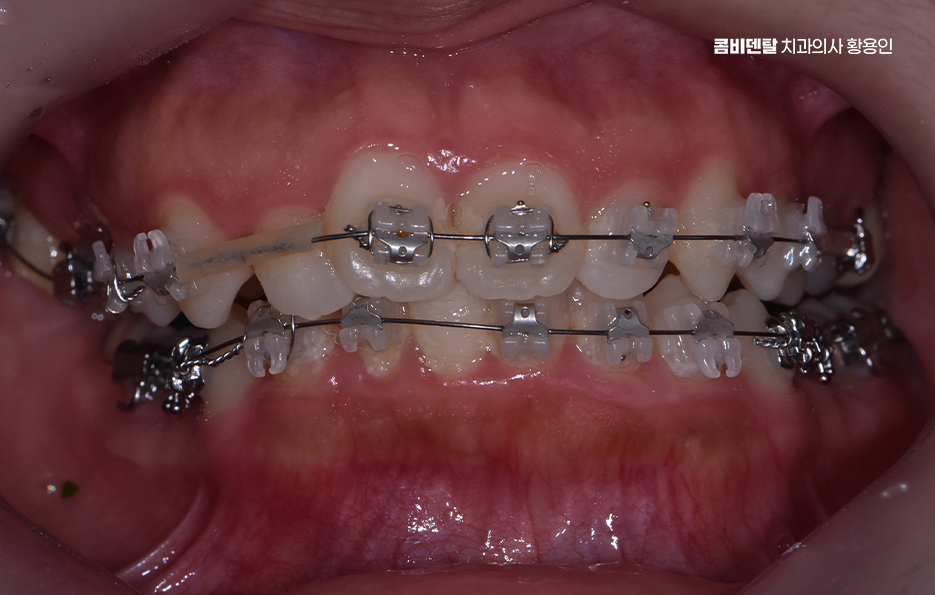
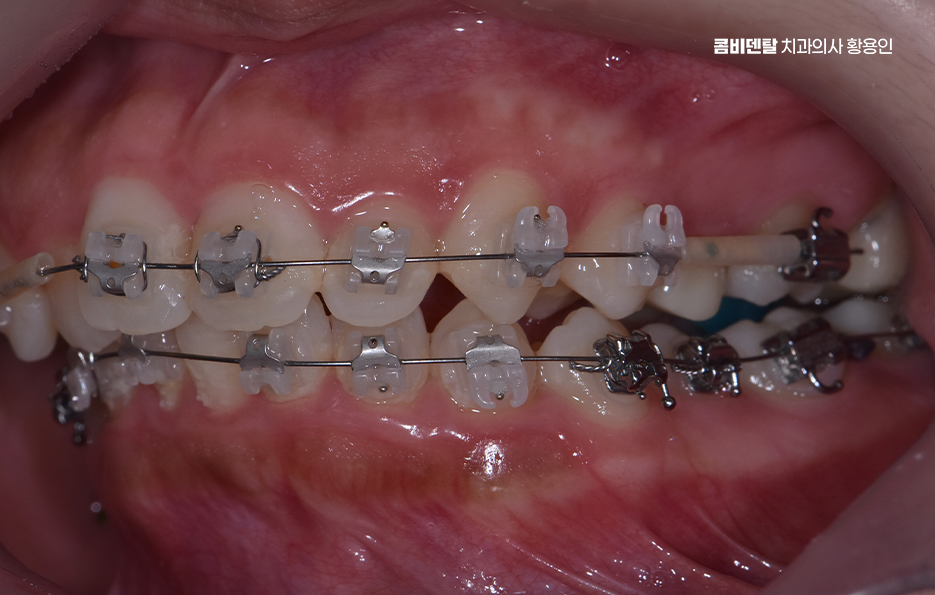
The position and shape of the jawbone are also important criteria. In cases of skeletal protrusive mouth where the alveolar bone itself juts forward excessively, there are many cases where non-extraction correction alone has limitations. On the other hand, if the jawbone position is within a relatively normal range and the protrusion appears more pronounced due to the arrangement of the teeth, non-extraction correction can be a practical option.
One of the main methods used in non-extraction protrusive mouth correction is arch expansion. This involves widening the area where the teeth are positioned to secure space and then rearranging the teeth. The advantage is that space can be created so treatment can proceed without extractions, but excessive expansion can burden the gums or tooth roots, so it is only applied within a safe range.
Another non-extraction method is moving the molars backward. This creates space for the front teeth by shifting the molars toward the back. There is also a method called interproximal reduction, which can be described as slightly adjusting the space between teeth to secure room for tooth movement without harming dental health.
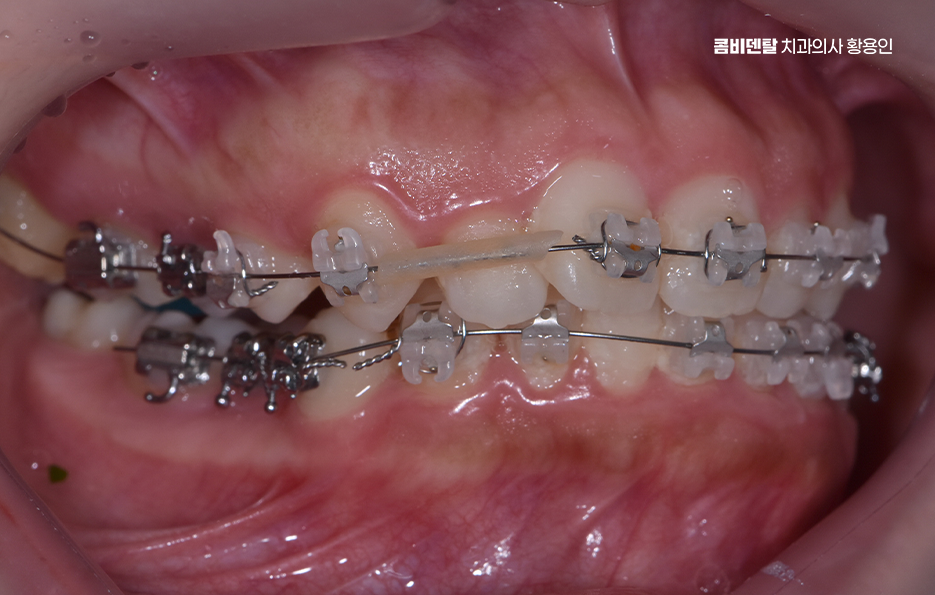
A major advantage of non-extraction protrusive mouth correction is the psychological reassurance of not having teeth removed. For people who are very afraid of extractions, it can lower the barrier to starting treatment. Many also feel less burdened because all of their natural teeth can be preserved, and in some cases the treatment period may be shorter than extraction-based treatment, or the initial discomfort may be relatively less.
However, non-extraction protrusive mouth correction also has clear limitations. First, when the protrusion is severe, there is a limit to how much the teeth can be moved backward compared with extraction-based treatment, so if the protrusion is significant, the change may not be as great as expected.
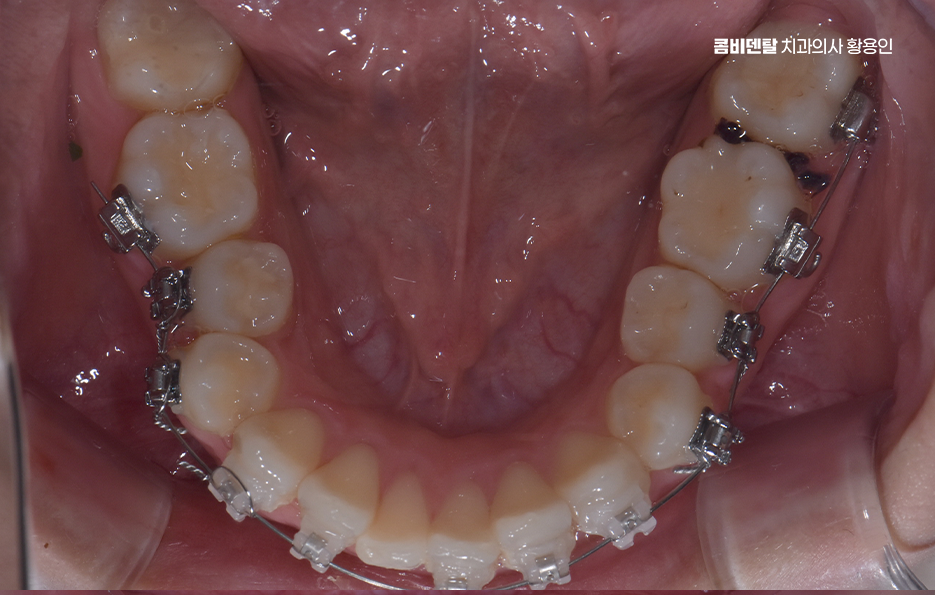
Therefore, when considering non-extraction correction for protrusive mouth, the important thing is to carefully determine which method is appropriate for you. Even if non-extraction is technically possible, that does not necessarily mean it is the best choice. Because the treatment plan must consider your current dental condition, expectations for changes in facial appearance, gum health, and long-term stability, it is necessary to first discuss it thoroughly with an experienced orthodontic specialist and make a decision.
If non-extraction correction is suitable, it can certainly be a treatment with many advantages. But if the protrusion is relatively severe and you insist on non-extraction only because you are afraid of extractions, you may end up dissatisfied with the treatment result. So before treatment, it is important to choose the method that fits your condition through an accurate diagnosis, and to remember that you also need to consider how that choice will affect your teeth and face in the long term.
 Previous image
Next image
Previous image
Next image
 Previous image
Next image
Previous image
Next image



 Previous image
Next image
Previous image
Next image


 Previous image
Next image
Previous image
Next image