
At first, it was just a slight sensitivity. When I drank cold water, I would feel a brief, sharp twinge, and that was all. Once the moment passed, everything felt fine as if nothing had happened, so I did not worry much at the time. I thought it might be because the weather was cold, or maybe I was just feeling more sensitive because I was tired. I assumed a little tooth sensitivity was something anyone could experience.
But as time went on, that sensitivity started showing up more and more often. Before, it only reacted to drinks with ice, but now even lukewarm water felt oddly sensitive, and there were even days when a passing breeze would make my front teeth react first. From that point on, it was hard to see it as just a temporary sensitivity.
The feeling that my teeth were sensitive was more uncomfortable than I expected. The sharp twinge repeated several times a day and began to linger longer each time. Even after the sensation faded, it stayed with me like an aftereffect, making me constantly aware of that area. When brushing my teeth, I would flinch the moment the toothbrush touched them, and the area where the teeth met the gums felt especially sensitive.
Still, up to that point, it was bearable. If I thought of it as a momentary discomfort, I could put up with it. But one day, that sensitivity started to go beyond a simple response to stimulation. Even when I was not eating anything and just sitting still, I began to feel a strange throbbing, and at night the sensation became even clearer.
As the pain grew worse, my daily life changed too. I became cautious not only with cold foods but also with hot foods, and I started chewing only on one side.
Foods I used to enjoy without a second thought became a source of anxiety. Mealtimes were no longer relaxing; they became something I had to approach carefully.
What was especially difficult was that the pain was unpredictable. Some days were fine, but then a sudden sharp pain would come out of nowhere, and every time that happened, I worried that it must have become serious. That irregularity made me even more anxious.
The current state, where tooth sensitivity had progressed into severe pain, felt like a warning to me. I found myself reflecting on whether ignoring those small signs had led to the pain I was dealing with now. I remembered all the times I had put off regular checkups and the moments when I had rushed through brushing my teeth just because I was tired.
As such, tooth sensitivity and pain are symptoms many people experience at least once. You may feel a sudden sharp twinge when drinking cold water, or a throbbing sensation when eating hot soup.
In some cases, the pain continues like a pulse even when you are sitting still, and many people are unsure whether they have simply become more sensitive or whether they need treatment. Regarding tooth sensitivity pain, sensitivity and pain may seem similar, but their causes and meanings are slightly different. A brief, passing stimulus may be a relatively minor problem, but pain that lasts a long time or keeps getting worse may be a sign of internal inflammation.
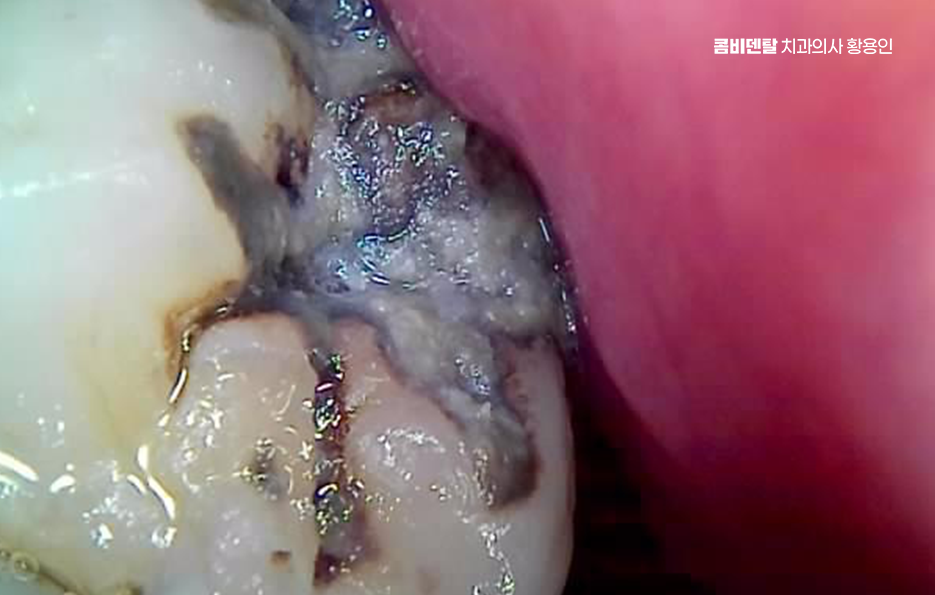
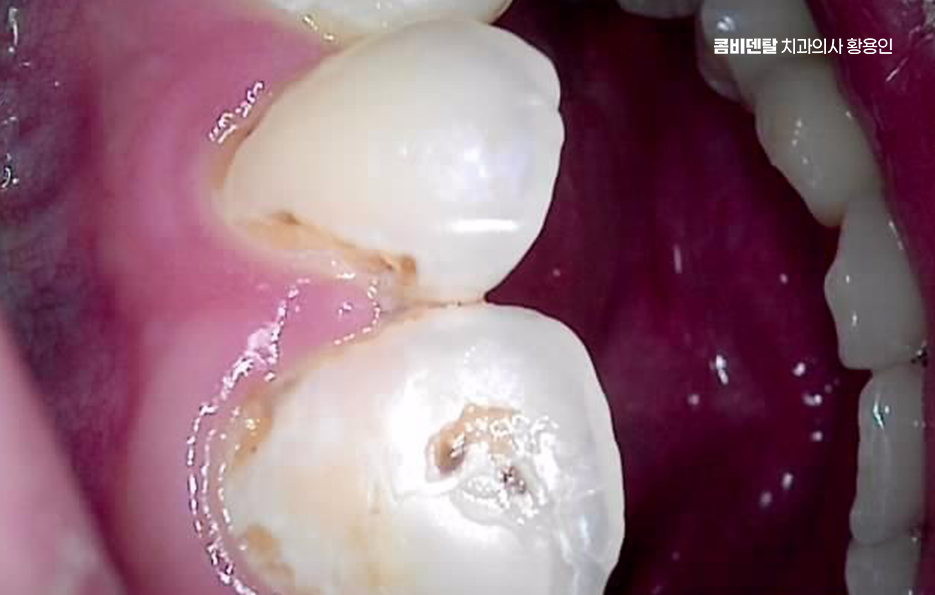
A common cause of tooth sensitivity is exposed dentin. Teeth have a hard outer layer called enamel, and beneath that is dentin. Enamel has no nerves, but dentin has tiny channels that make it easier for external stimuli to reach the inner nerve. When the gums recede or the neck of the tooth wears down, dentin becomes exposed, and when cold or sweet foods touch it, sensitivity can occur.
Tooth sensitivity pain can also be caused by gum disease. When periodontitis progresses, the gums swell and recede, exposing the roots of the teeth. Because tooth roots are not covered by enamel, they are more sensitive to stimulation, and sensitivity tends to repeat easily. In such cases, the inflammation needs to be treated first.
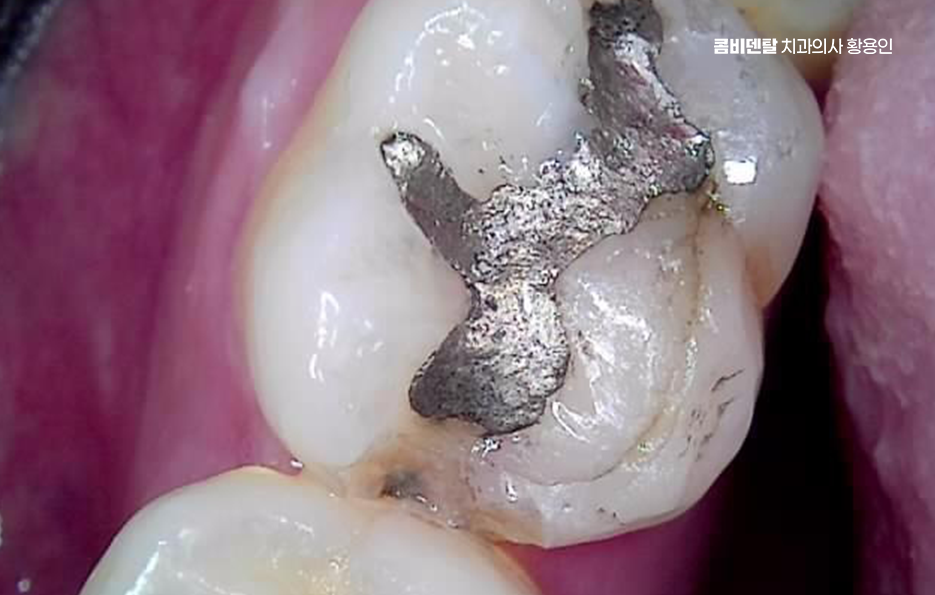
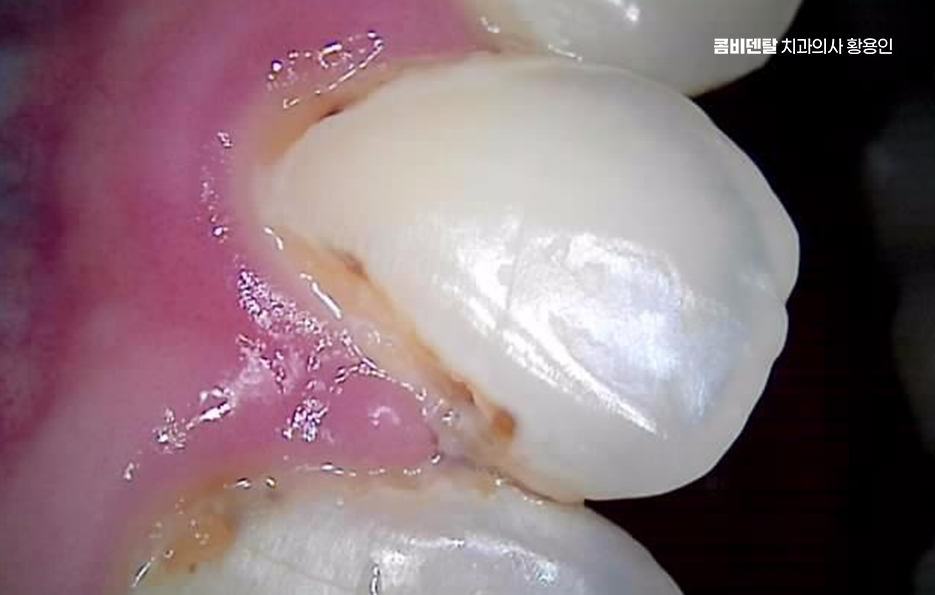
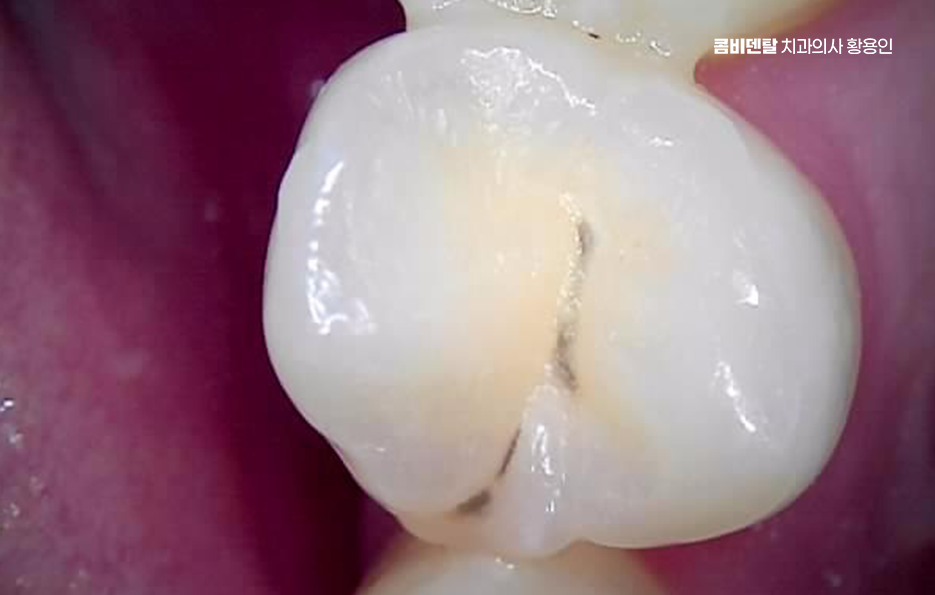
If the pain is stronger and lasts longer, a nerve infection caused by inflammation may be suspected. When a cavity deepens and reaches near the nerve, strong pain can appear in response to cold or hot stimuli.
In the early stage, the pain disappears soon after the stimulus is gone, but when inflammation becomes severe, the pain may continue even without any stimulus. Pain that becomes worse at night is one of the characteristics of neuritis, and at this stage, root canal treatment rather than simple cavity treatment may be necessary.
Tooth sensitivity pain can also occur when a tooth is cracked. Even if there is a microscopic crack that is not easy to see from the outside, pain can develop as the stimulus is transmitted each time you chew. In particular, if sharp pain repeats when chewing in a certain direction, a crack may be suspected.
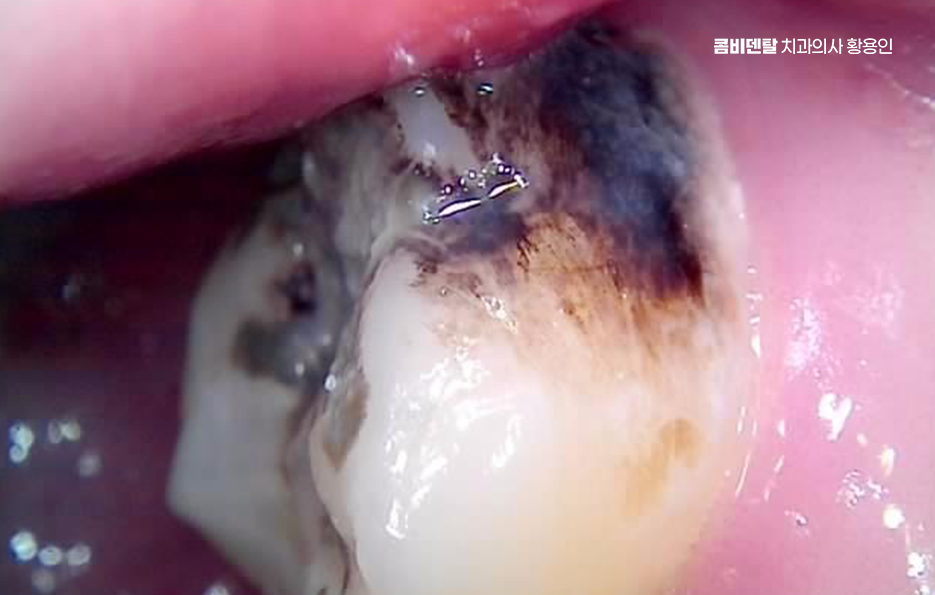
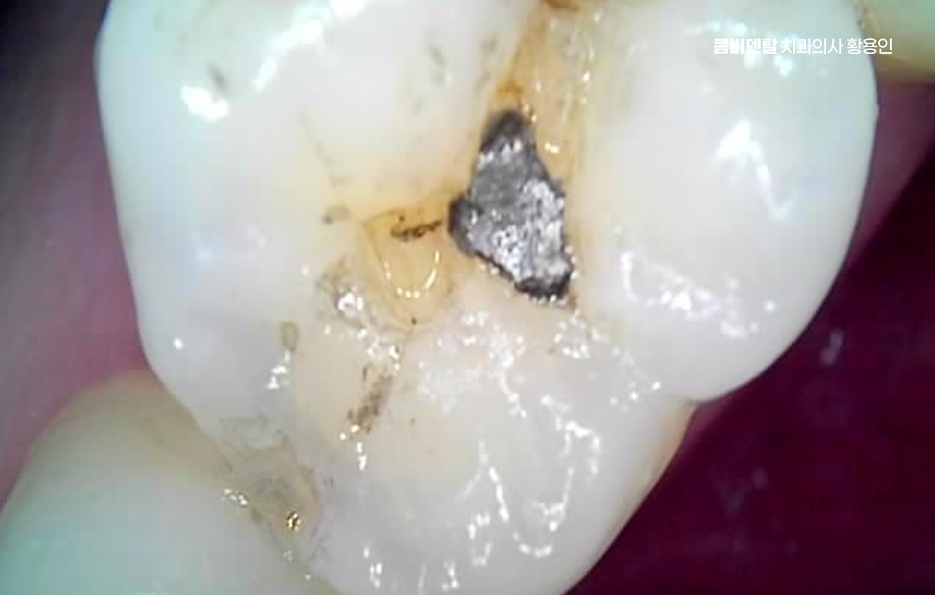
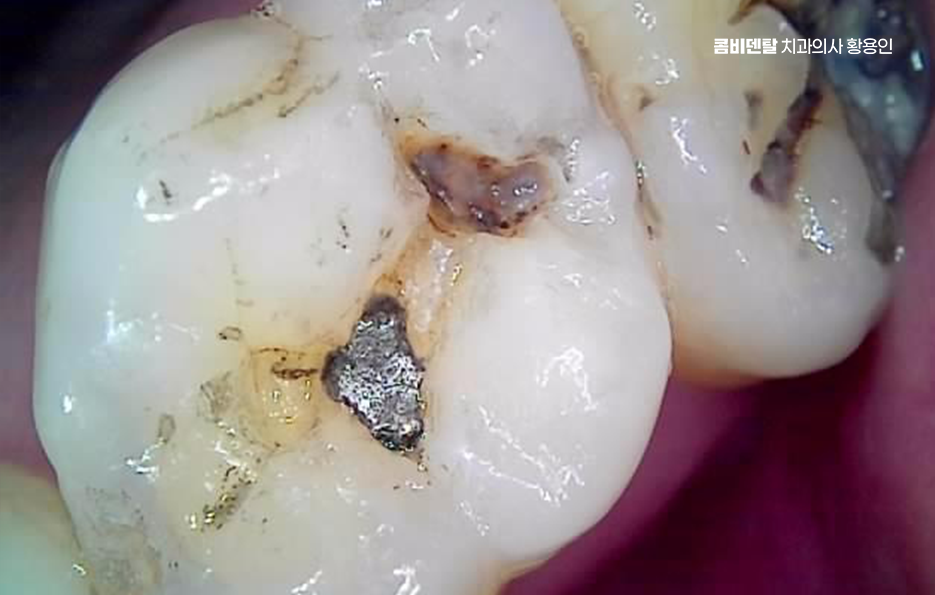
The treatment method for tooth sensitivity pain depends on the cause. For sensitivity caused by exposed dentin, reducing stimulation is important first. If cervical abrasion is severe, the exposed area may need to be covered and protected with resin. If gum recession is severe, periodontal treatment may be needed to control inflammation and prevent further recession.
If the cause is nerve inflammation, it must be treated by addressing the underlying cause. Cavities need to be removed, the condition of the nerve assessed, and the need for root canal treatment determined. If the nerve has already become necrotic, the nerve is removed, the inside is disinfected, and the tooth is sealed. After that, a crown may be placed to protect the tooth so it does not become weakened.
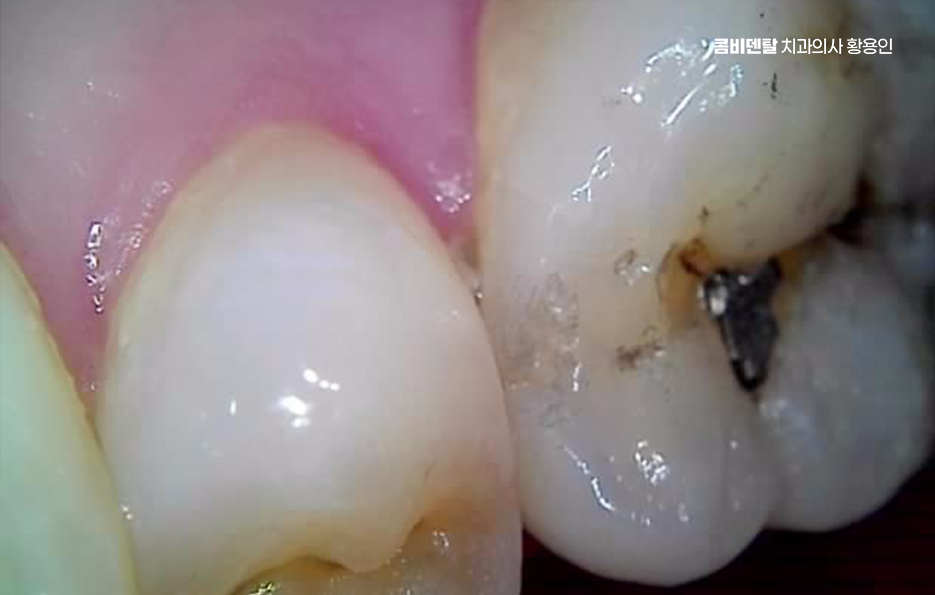
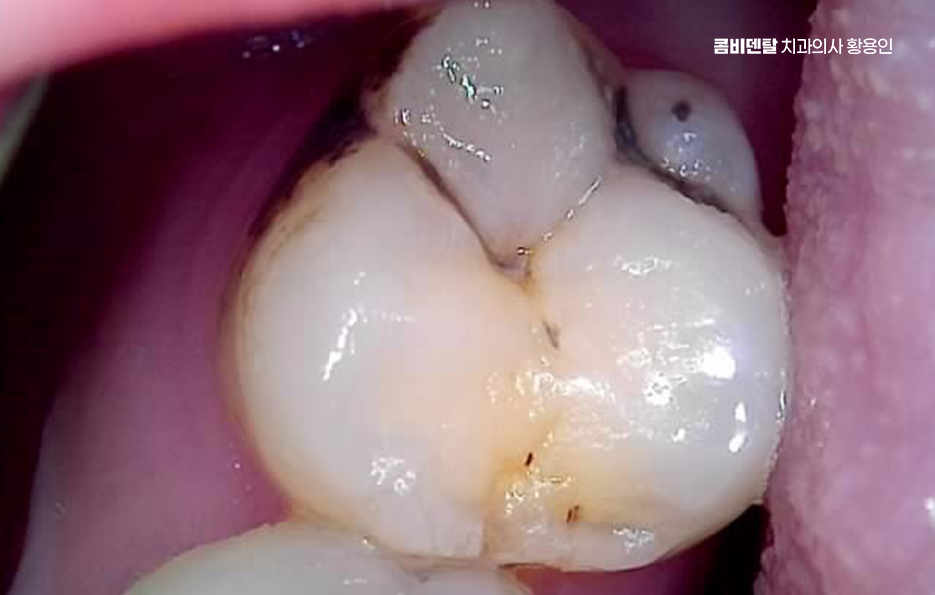
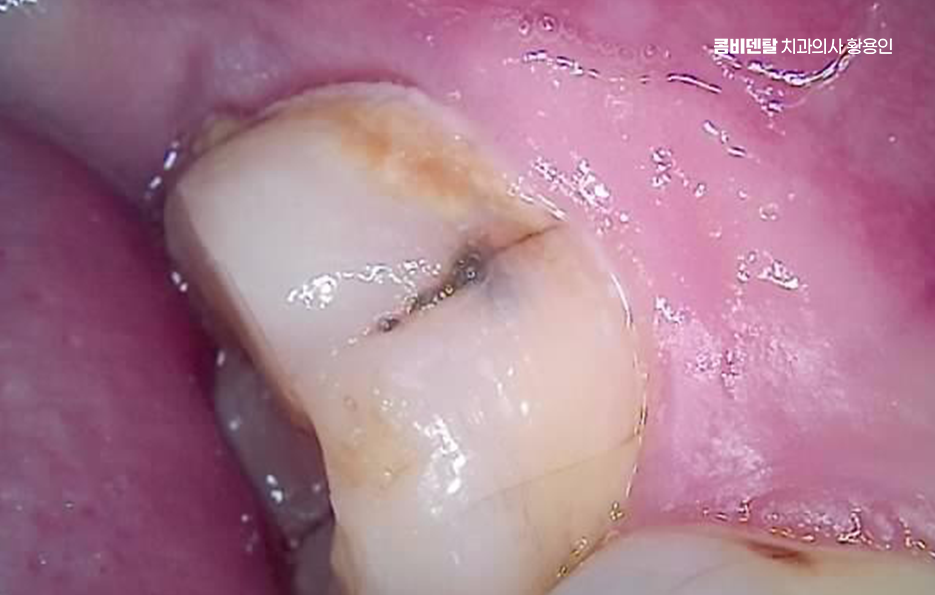
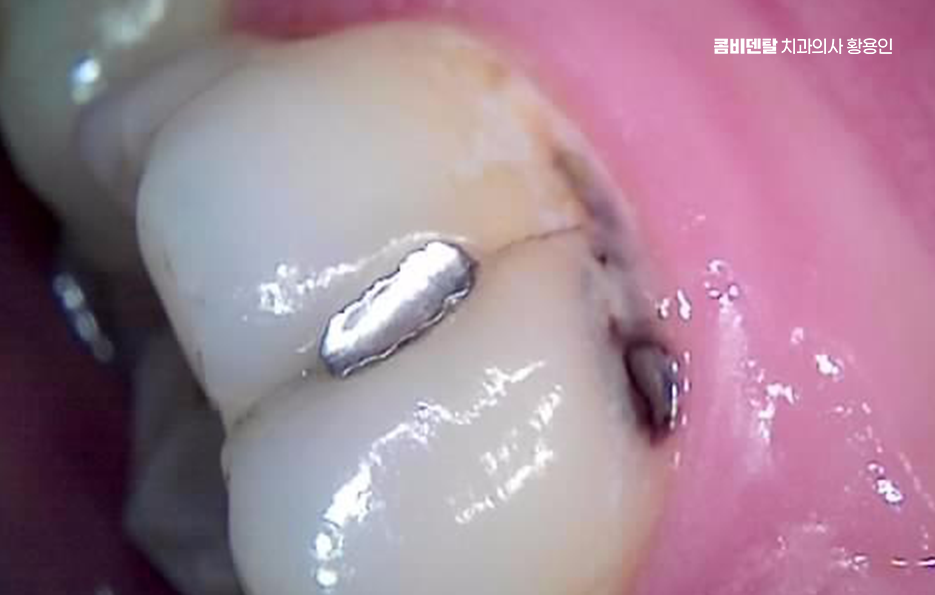
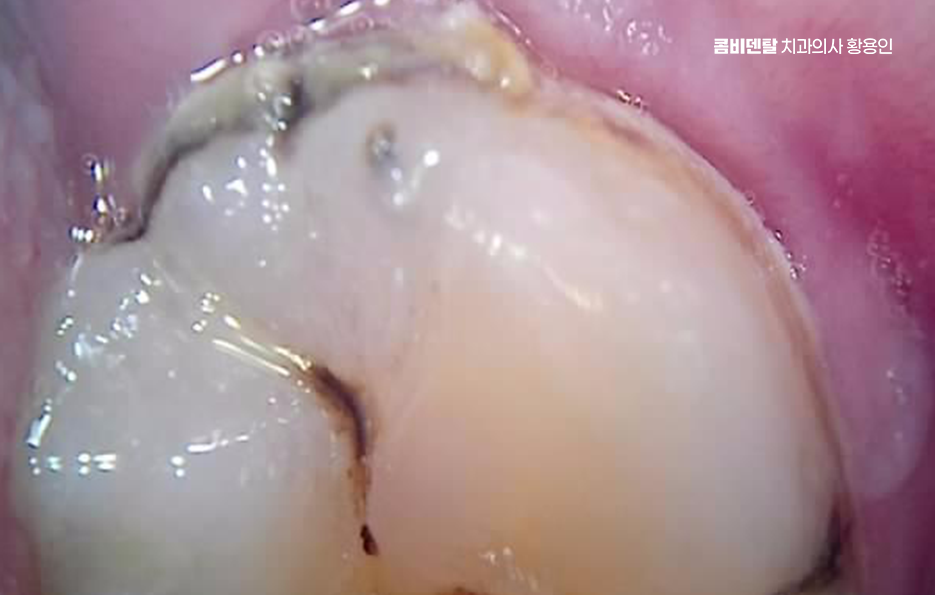
Tooth sensitivity and pain may be signals from the body rather than simple sensitivity. If the discomfort is temporary, it can often be managed with lifestyle changes alone. But if the pain repeats or becomes stronger, the cause must be checked. Because natural teeth are difficult to fully restore once damaged, early diagnosis and appropriate response can help reduce the scope of treatment.
In conclusion, the important thing is to observe and manage the condition consistently. Even a small amount of sensitivity should be checked if it keeps recurring. In particular, rather than enduring the pain, finding the cause through an accurate diagnosis and receiving the appropriate treatment is the way to protect your teeth for a long time.


Previous image
Next image

Previous image
Next image


Previous image
Next image



Previous image
Next image