
When I first heard that I had a cavity in a molar, I did not take it that seriously. During a routine checkup, I was told there was a small spot that needed to be monitored more carefully, and I went home feeling relieved after hearing that immediate treatment was not necessary.
There was no pain and no discomfort when chewing, so I tucked the matter away in the back of my mind and went back to daily life.
But as time passed, that molar gradually began to show problems. I felt a brief, sharp sensation when drinking cold water, and when chewing hard foods, a strangely uneasy feeling would pass through me. Each time that happened, I wondered if it was really the cavity they had mentioned back then, but it was still tolerable, so I put it off again.
The feeling that the molar cavity was getting progressively worse did not come all at once; it approached slowly, almost like it was seeping in. At first it was just sensitivity, but before long food kept getting stuck in that area, and there were more days when brushing did not leave my mouth feeling refreshed. When I ran my tongue over the area, I could tell the surface was no longer as smooth as before.
What also made me uneasy was that the pain itself was changing little by little. In the past, I only felt it briefly when there was some stimulus, but now there were days when it throbbed faintly even without doing anything. It seemed to become clearer at night, and when I lay alone in the quiet, I found myself paying more attention to that molar.
Only then did I realize this was not just an early stage. I also started regretting that I had not received more active treatment when I first heard the warning. I began to reflect on whether the choice I had made then, brushing it off because I was busy and because it did not hurt, had led to my current condition.
As such, molar cavities are a common problem that many people experience, but not many may truly understand the stages of a molar cavity in detail.
Molars have wide chewing surfaces and deep grooves, which makes it easy for food to get trapped. That also creates an environment where bacteria can remain easily. In addition, because they are located toward the back of the mouth and are often hard for a toothbrush to reach, they can be among the teeth most prone to cavities.
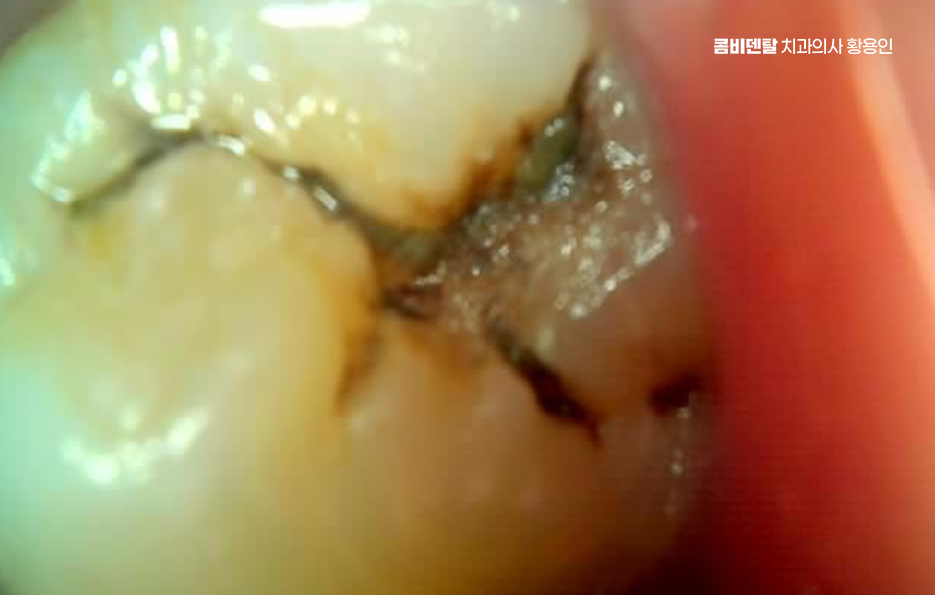
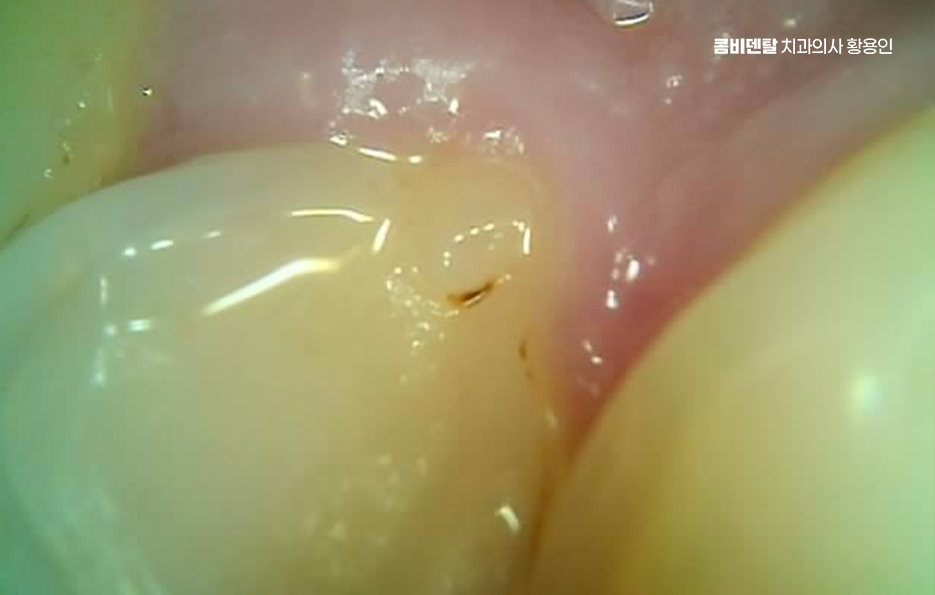
A molar cavity does not suddenly become severe one day; it begins with small changes and gradually deepens. Because the symptoms and treatment methods differ by stage, early detection can be important.
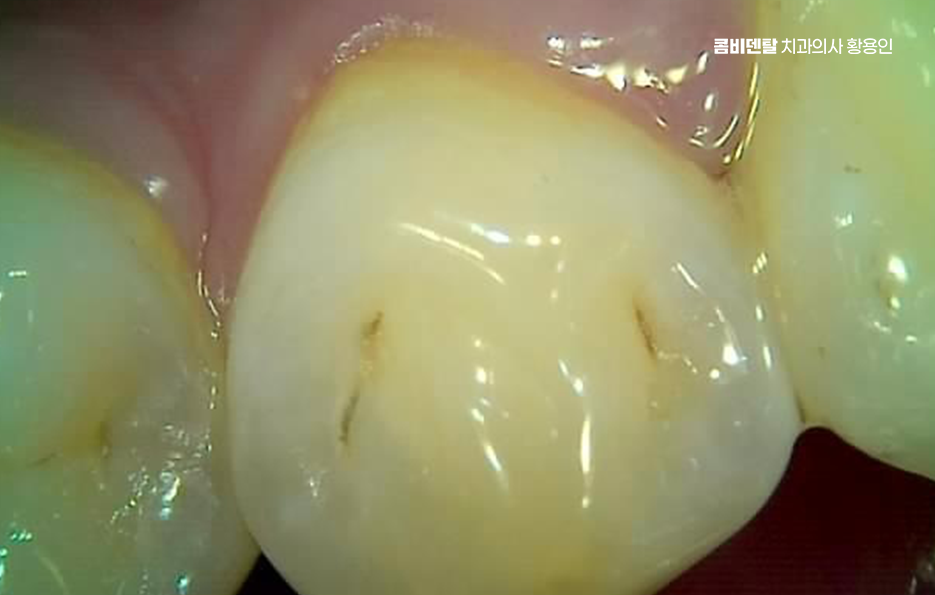
In the early stage of a molar cavity, decay is present only in the enamel. On the surface, it may look like a small brown spot or a white patch, and at this stage there is almost no pain. Even when eating cold or sweet foods, there may be no particular sensation.
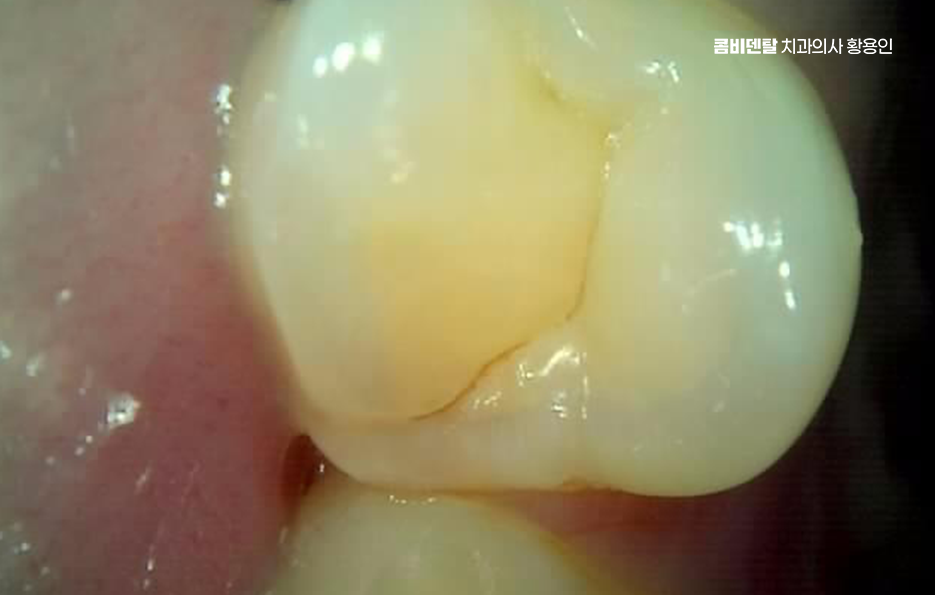
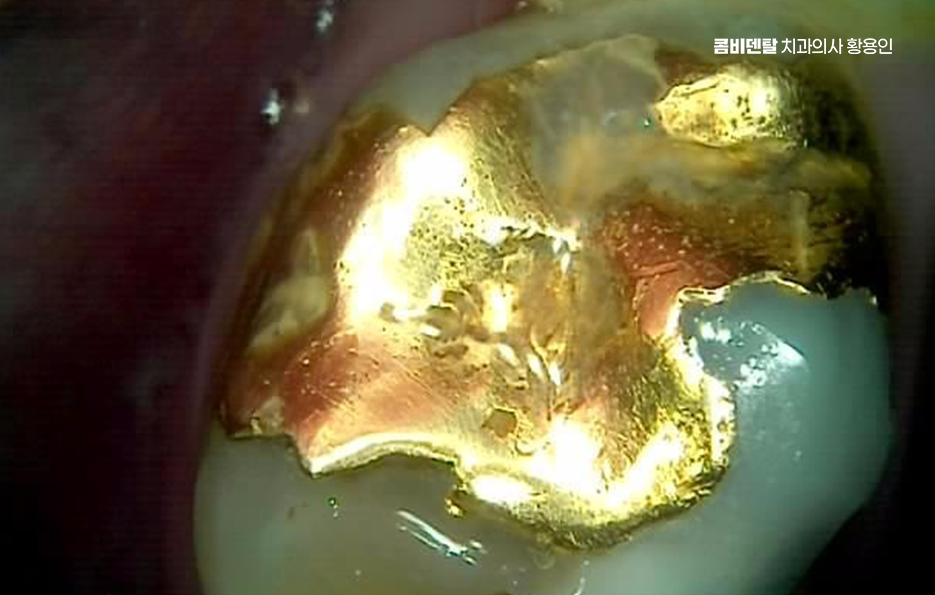
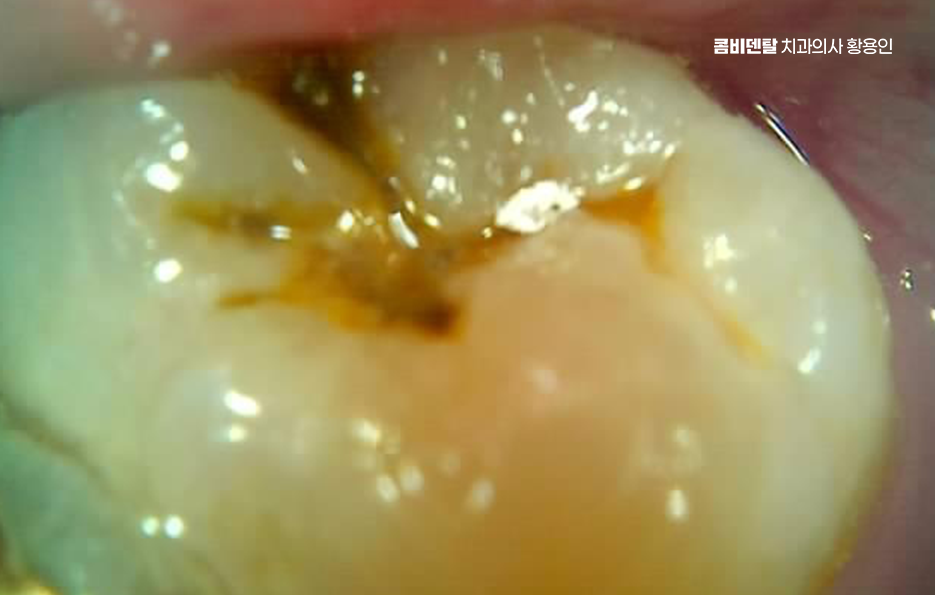
Because of that, many people easily overlook it, but this is the stage when treatment is simplest. If the decayed area is removed minimally and filled with a material such as resin, treatment can end relatively simply, and in some cases fluoride application or improved care can slow its progression.
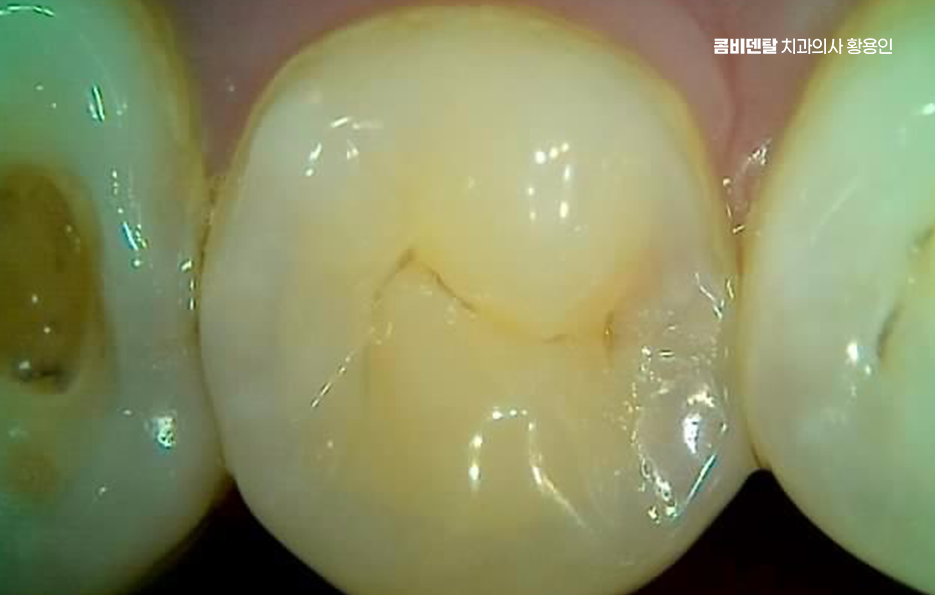
When a molar cavity progresses beyond the enamel and into the dentin, the situation changes. Dentin is softer than enamel and closer to the nerve, so in the second stage you may feel sensitivity to cold.
It may also sting when eating sweets. The pain appears only when there is a stimulus and tends to ease relatively quickly once the stimulus is gone. At stage 2 of a molar cavity, the area of decay becomes larger, and in some cases indirect restorations such as inlays may be needed rather than a simple resin filling. Because a larger amount of tooth structure must be removed, precisely restoring the tooth’s shape is important at this stage.
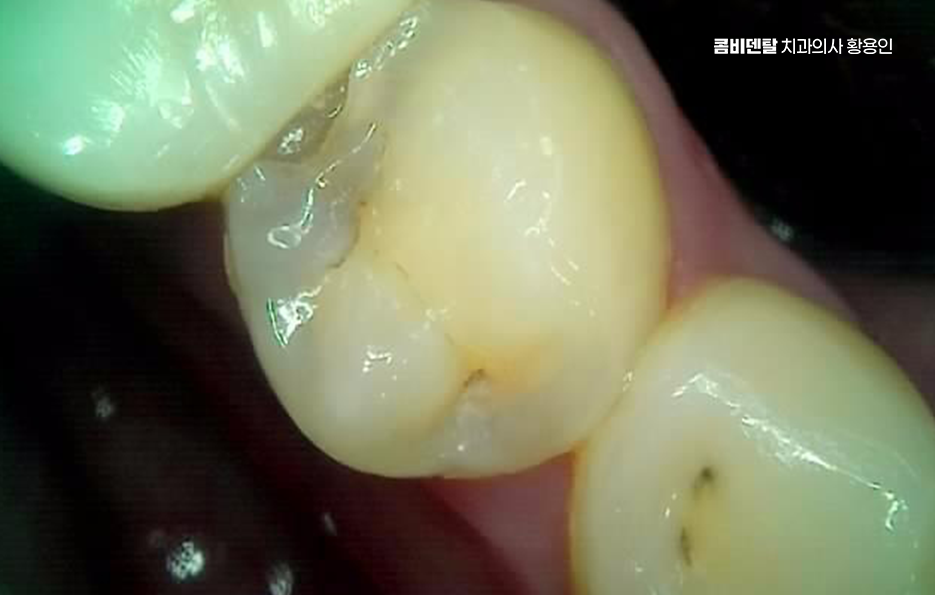
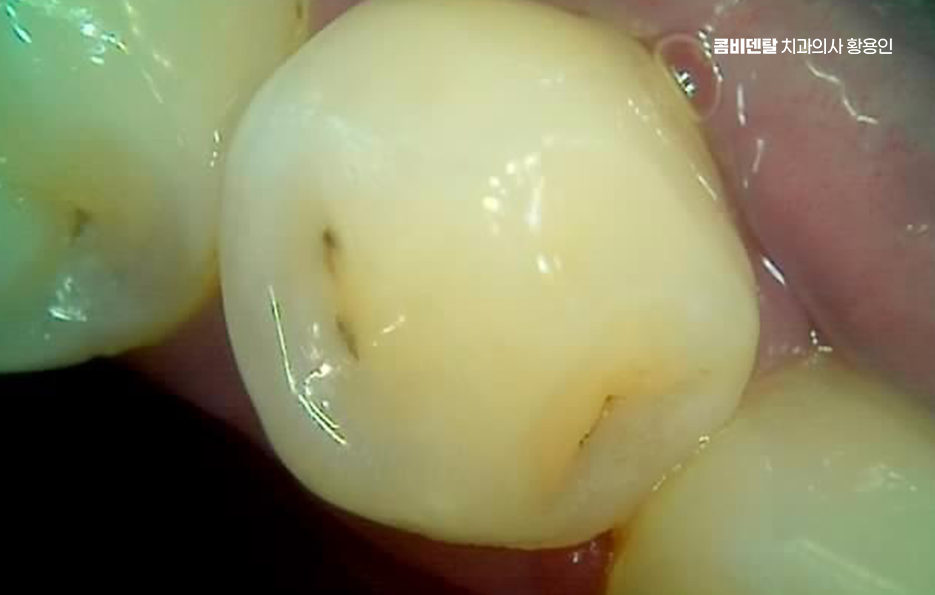
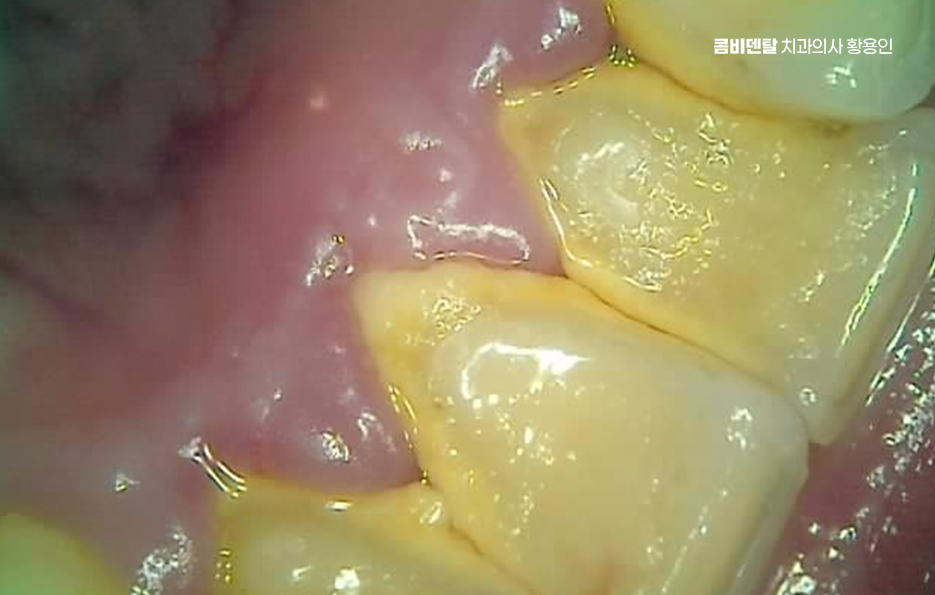
If it progresses further, it gets closer to the nerve and the pain becomes more noticeable. It may throb when eating hot food, the pain can last longer, and in some cases it becomes worse at night, which may be a sign that nerve inflammation has begun.
At this stage, simple cavity treatment is difficult to resolve the problem, and root canal treatment becomes more likely. The infected nerve tissue is removed, the inside is disinfected, and then it is sealed. After that, because the tooth becomes weaker, it is common to protect it by covering it with a crown.
The final stage of a molar cavity is when the nerve has necrotized and the inflammation has spread to the root tip. At this point, the pain may temporarily lessen because the nerve has died and sensation is dulled. However, the internal inflammation continues, the gums may swell or pus may form, and pain when chewing can become severe.
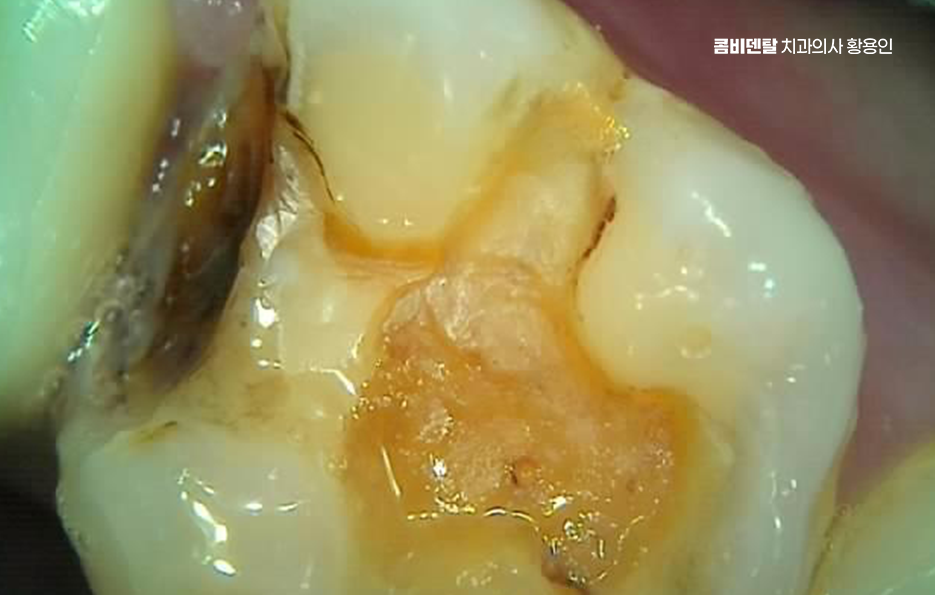
In severe cases, the face can also swell. At this stage, root canal treatment may become more complicated, and in some cases extraction may be necessary. That is why early examination is always emphasized. Because of their location, molar cavities often begin on the adjacent surface, and cavities that start between teeth are often not visible on the surface, so they are frequently discovered through X-rays. This is why regular checkups are important. Even if there is no pain, you cannot feel completely safe, and early cavities often have almost no noticeable symptoms. Rather than relying only on pain, it is important to remember and practice the value of regular checkups.
Many people think that since molars are not visible, it is fine to tolerate a little discomfort. In reality, they are the teeth at the center of chewing function, and the health of even one molar affects the balance of the entire bite. If a cavity is left untreated, the scope of treatment becomes larger and it takes more time and money. On the other hand, in the early stage it can often end with relatively simple treatment. I hope you will not forget that preserving and saving your natural teeth is an important point.





 Previous image
Next image
Previous image
Next image





 Previous image
Next image
Previous image
Next image




 Previous image
Next image
Previous image
Next image


 Previous image
Next image
Previous image
Next image