
When my upper teeth first started to wobble one by one, I never thought I would end up losing all of my upper teeth like this. I had heard before that my gums were weak, but I believed that if I just endured the uncomfortable days, things would get better.
The first tooth I lost was a molar. Since it was in a place that was not easily visible from the outside, I thought I could just change the side I used for chewing temporarily, and I had no idea that that small empty space would gradually make everyday life uncomfortable.
As time passed and even my front teeth started to wobble, meeting people became more frightening than eating. I worried that if my upper lip lifted while I smiled, my receding gums would show, so I started speaking less.
When I was finally told that the remaining upper teeth could no longer hold out, I felt numb. Losing teeth did not just mean losing the ability to chew; it felt like losing the familiar expression of my face as well.
When I first heard the term full upper-arch implants, even the name felt overwhelming. It was not just a matter of placing one or two implants, and faced with the explanation that the entire upper row of teeth would be rebuilt, fear came before my willingness to undergo treatment.
When I came home and looked in the mirror, the area around my mouth seemed sunken compared with before. I did not know exactly how much had changed, but even my face when I was not smiling looked awkward to me, and I became careful even with the shape of my mouth when speaking.
I was told dentures were also an option, but I kept worrying that they might come loose. I was afraid that eating with other people would make my chewing sounds or pronunciation feel awkward, and deep down I wanted a more stable choice for the long term.
In this way, full upper-arch implants are a treatment for people who have lost many upper teeth or whose remaining teeth no longer have enough lifespan, and they restore not only chewing function and speech but also the appearance of the teeth visible when smiling. Rather than simply placing many implants, a comprehensive plan may be needed to coordinate the upper jawbone and gums, lip support, and the bite with the lower teeth.
The upper jaw is relatively softer than the lower jaw, and in many cases it is close to the maxillary sinus, so the implant position and depth must be planned more precisely. If the procedure is forced in an area with insufficient bone, initial stability may be weak, so an accurate diagnosis comes first, and the first step in the treatment plan may be deciding whether the remaining teeth can be preserved and whether extraction is necessary.
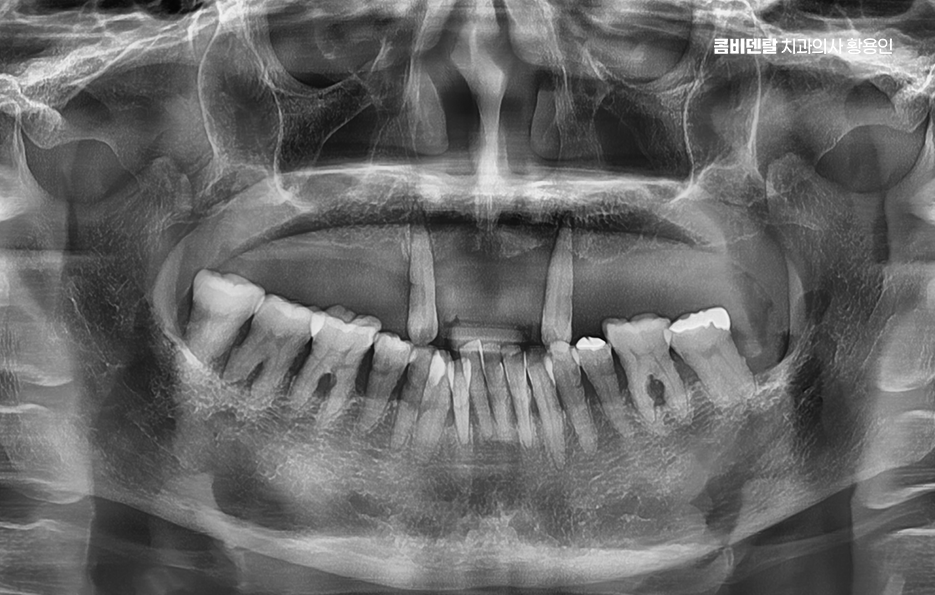
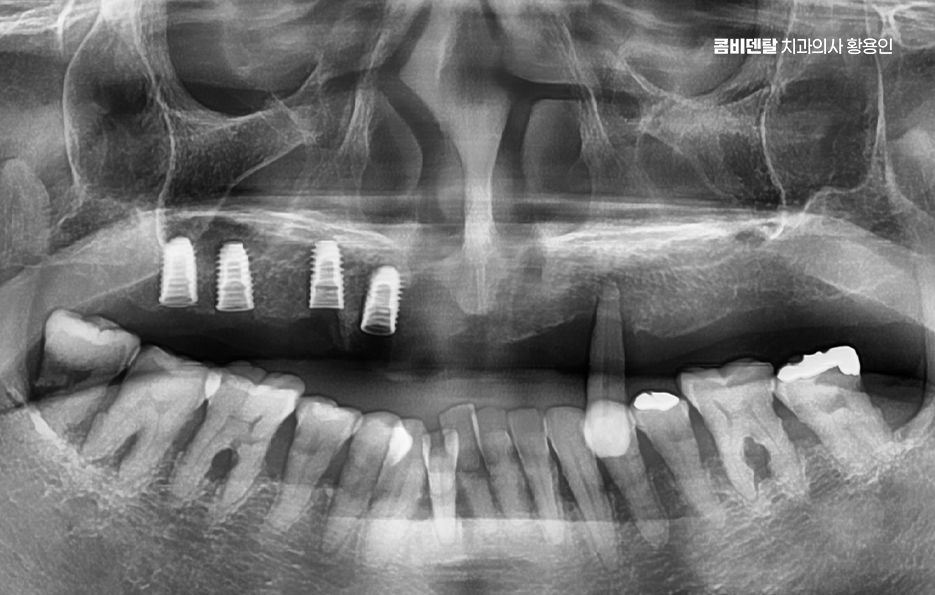
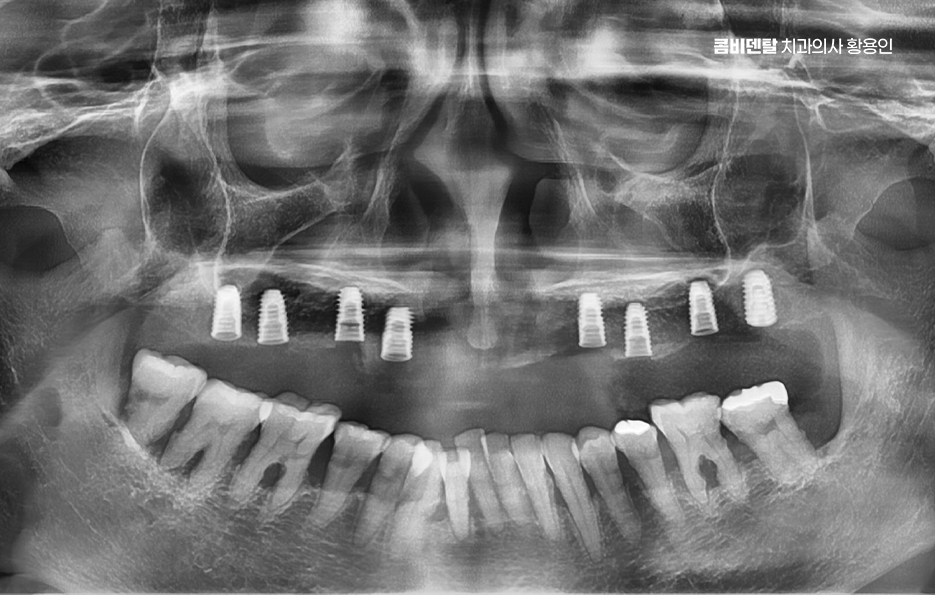
If severe periodontitis or teeth with significant mobility are left in place against better judgment, inflammation can remain and worsen the environment around the implants, so a careful judgment is needed. During the examination process for full upper-arch implants, the height and width of the jawbone, the distance to the maxillary sinus, gum thickness, the facial midline, how much the lips cover the teeth, and how the lower teeth make contact are all checked together. Only when these details are gathered can the shape of the final prosthesis be predicted.
Full upper-arch implants do not mean placing implants for every missing tooth. Instead, the plan may involve placing implants in appropriate positions and connecting multiple prostheses to distribute the force. The important thing was to create a structure that could receive chewing force stably.
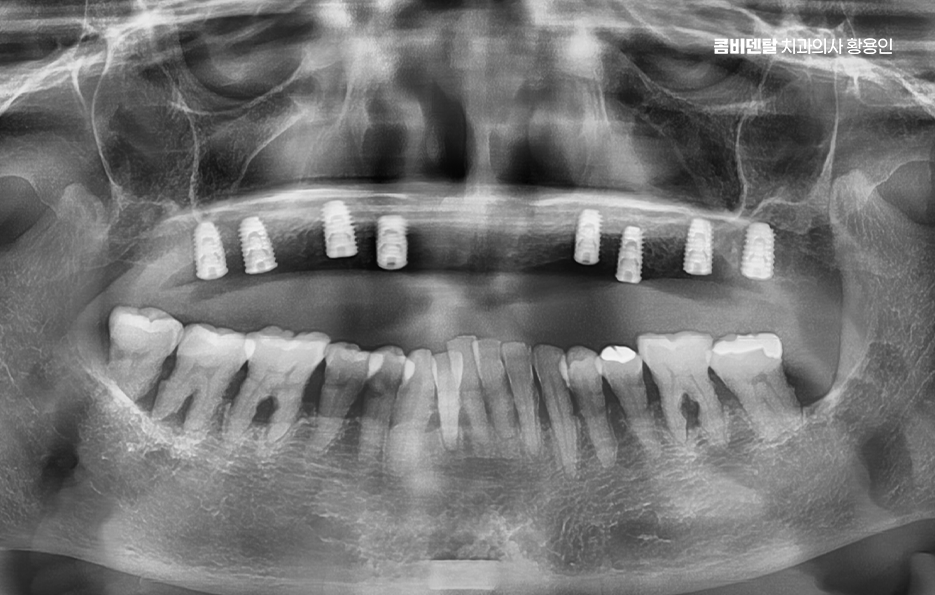
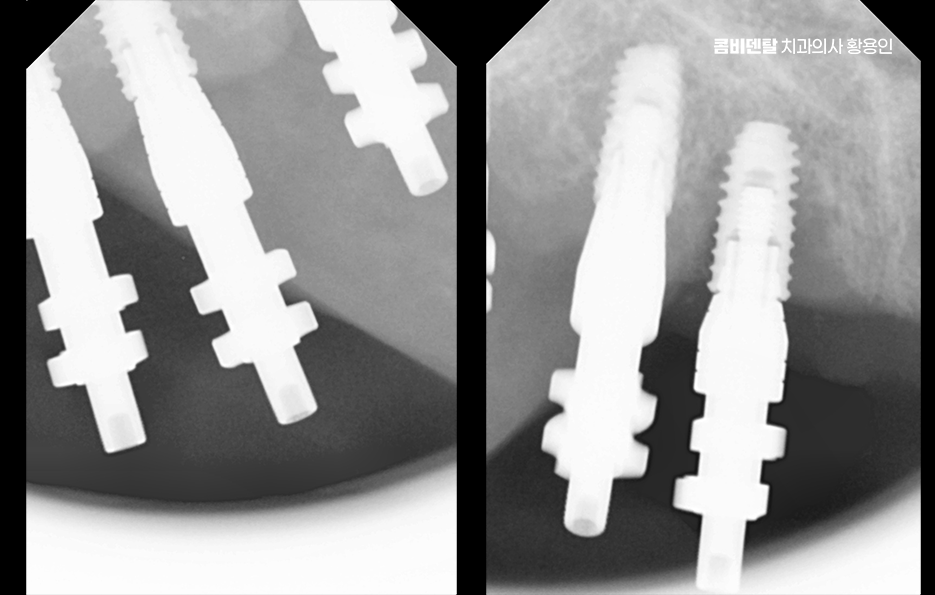
In the upper molar area, the maxillary sinus often descends and bone height is insufficient. In such cases, sinus lifting or bone grafting may also be considered, and time may be needed for the grafted bone to stabilize, so it may be necessary to think of the overall treatment period with some flexibility from the start.
Full upper-arch implants must also be planned together with the bite relationship with the lower teeth. Even if only the upper prosthesis is made strong, if the lower teeth contact irregularly or force is concentrated on one side, implant screw loosening, prosthesis fracture, and stress on the gums can occur. Before treatment, it is important to check overall health conditions such as diabetes, high blood pressure, use of osteoporosis medication, use of anticoagulants, and whether the patient smokes. Since these factors can affect the surgical plan and recovery speed, they should be shared accurately rather than concealed so the procedure can be carried out more safely.
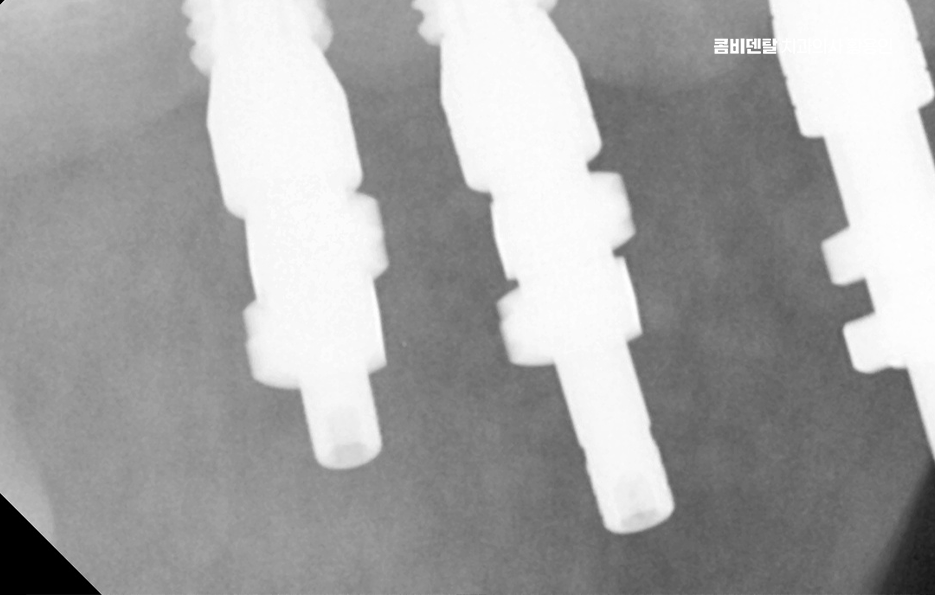
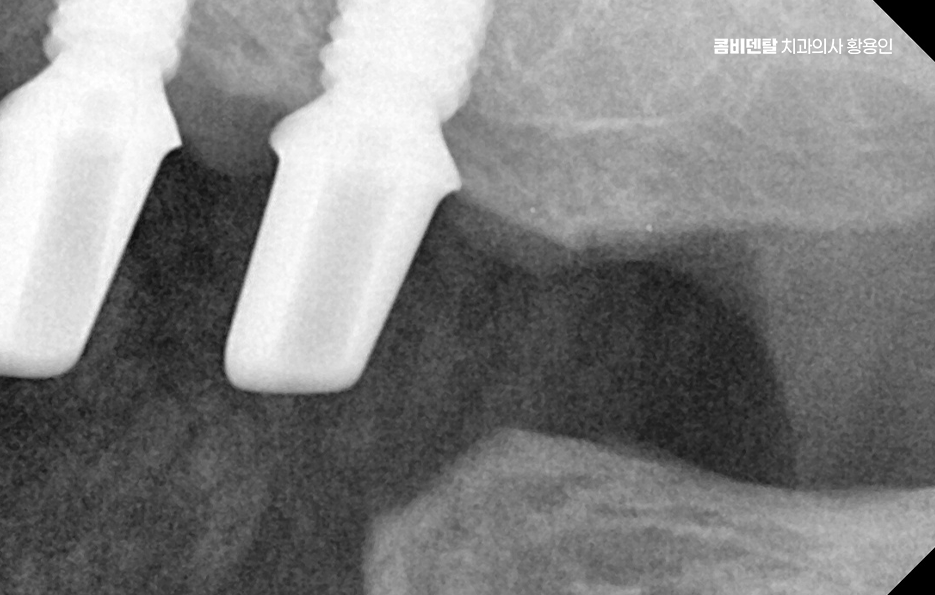
In the early stage after surgery, bleeding, swelling, and a heavy aching pain may occur. Taking the prescribed medication as instructed, avoiding touching the surgical area with your hands or tongue, and avoiding hot or irritating foods are basic care that help recovery. If bone grafting or sinus treatment was performed at the same time, you should be careful not to blow your nose forcefully or hold back a sneeze by force. If pressure around the maxillary sinus changes, it can burden the healing area, so if you experience discomfort, it is important not to endure it unnecessarily and to have it checked.
After the final prosthesis is completed, you can chew comfortably like natural teeth, but that does not mean care becomes any lighter just because it feels the same as natural teeth. Inflammation can develop around implants, and pain may not be obvious at first, so ongoing management is needed. For that reason, a treatment plan that also takes long-term maintenance into account may be necessary.
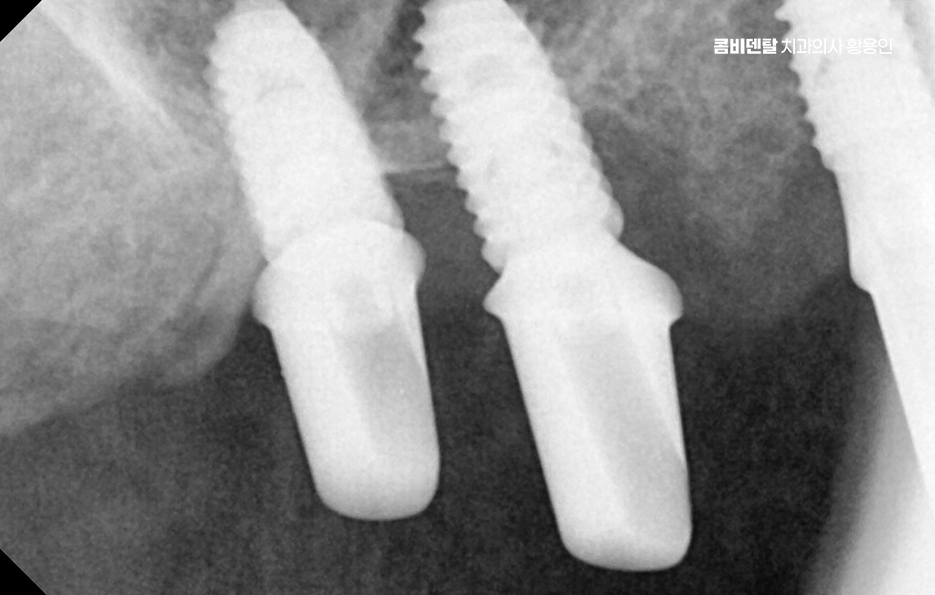
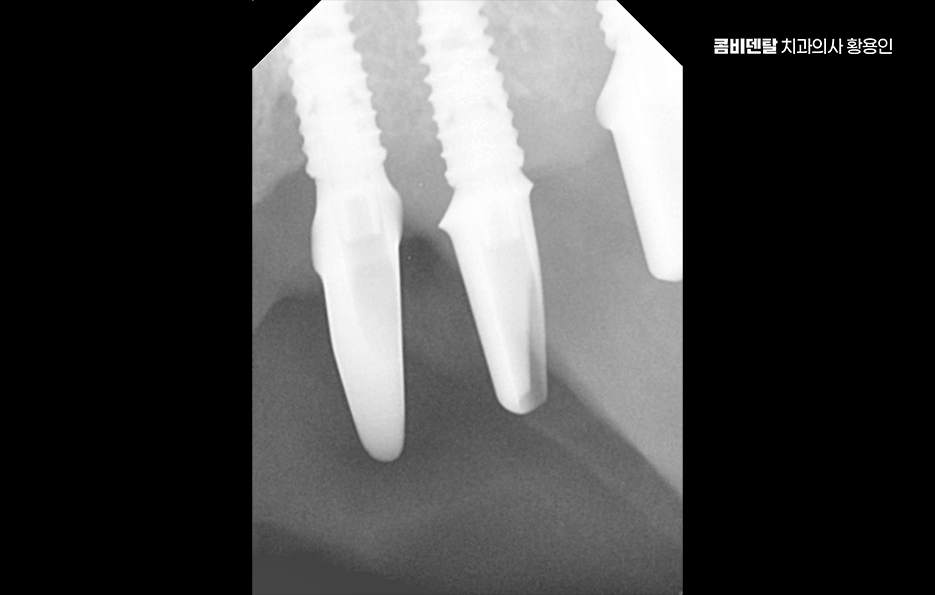
With full upper-arch implants, food can easily remain along the border between the underside of the prosthesis and the gums, so a regular toothbrush alone may not be enough. Interdental brushes, floss, and oral irrigators should be used according to your own structure, and rather than brushing too hard, it may be more important to maintain a daily habit without skipping.
In summary, full upper-arch implant treatment is a process of rebuilding the collapsed chewing structure and facial balance of the upper jaw. For lasting comfort, it needs precise diagnosis, step-by-step planning, caution during recovery, and care after completion. In that sense, it may be important to approach it from a long-term, comprehensive perspective and choose a dental clinic you can stay with over time.





 Previous image
Next image
Previous image
Next image





 Previous image
Next image
Previous image
Next image


 Previous image
Next image
Previous image
Next image



 Previous image
Next image
Previous image
Next image