
Although I had only just passed 50, it was still hard to believe that I had lost so many teeth. I still felt young at heart, but when I sat in the dental chair and saw the increasing number of gaps in my mouth, I suddenly felt as though I had become an old person.
It had not started this way. Even when my gums were swollen and bleeding, I used being busy as an excuse, took medication, and moved on. When I had loose teeth, I postponed treatment while reassuring myself that they would be fine if I was careful for a few days.
When one molar fell out, I thought I could simply chew on the other side. But as time passed, more force seemed to be placed on my remaining teeth, and one by one they became uncomfortable. Eating was no longer as natural as it had been.
I still remember the day I went out to eat meat with my family. While everyone else was laughing and wrapping the meat in leafy vegetables, I picked out the tough pieces and chewed slowly, unable to join the conversation. I just drank water more often for no particular reason.
After that day, whenever I made plans to eat with other people, I began checking the menu first. I avoided hard foods and overly chewy foods, and eventually the tension of trying not to let anyone notice came before the enjoyment of eating.
Every time I looked in the mirror, the area around my mouth seemed different too. The cheek on the side with missing teeth looked slightly sunken, and I unconsciously kept my expressions restrained whenever I smiled widely, worried that the gaps would show.
The dentist said that I might need to consider several implants. As soon as I heard that, the words cost, time, and surgery came to mind all at once, leaving me stunned and unsure where to begin.
What upset me most was the thought that I was still only in my 50s. People around me were traveling and taking up exercise, while I felt saddened by the fact that I was thinking first about porridge or soft side dishes because of my teeth.
After returning home, I searched the internet, beginning with dental implants for people in their 50s, but my thoughts became even more complicated. Articles saying that bone grafting might be necessary frightened me, and reading reviews from people who had received several implants at once made me worry about whether I could endure it too.
When periodontal disease has become severe in someone in their 50s and several teeth have been lost, a comprehensive plan may be necessary rather than simply filling each gap with an implant. The remaining teeth, the condition of the jawbone, and the balance of chewing forces may all need to be considered together.
When periodontal disease has progressed for a long time, the gum bone supporting the teeth may recede, the teeth may become loose, and food may repeatedly become trapped. In such cases, trying too hard to preserve the remaining teeth could instead allow inflammation to spread to the surrounding area.
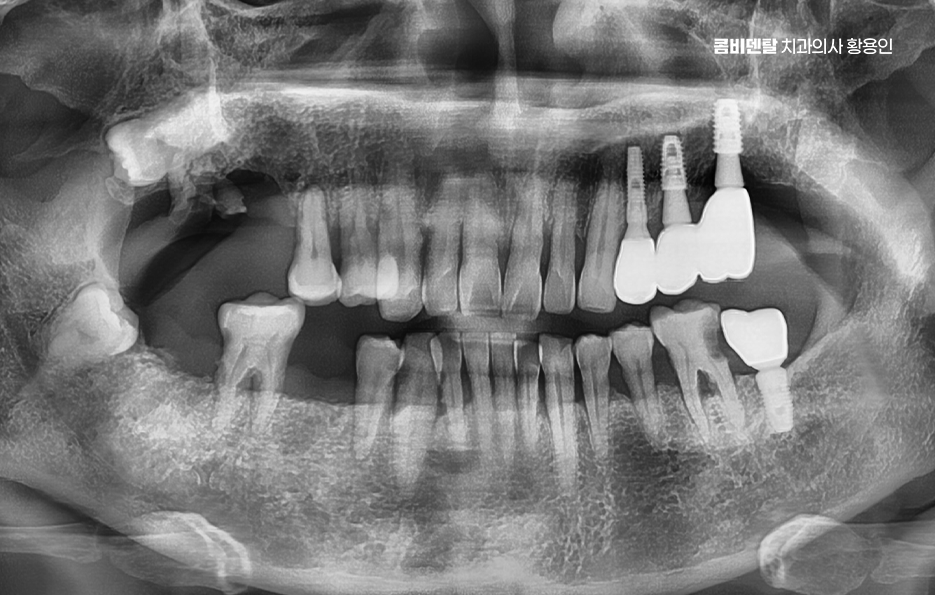
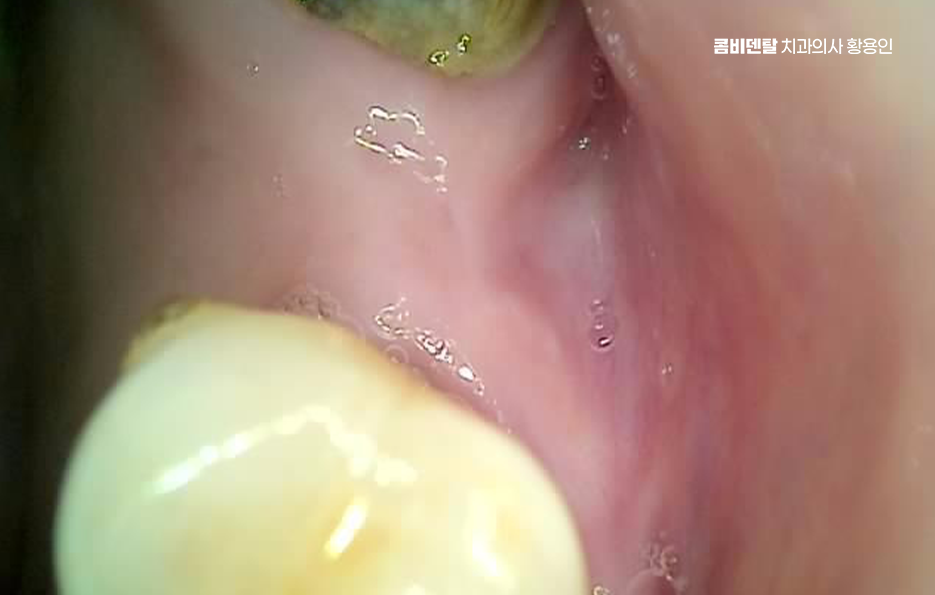
The decision that a tooth has reached the end of its service life is not made simply because it is loose. It is determined by examining how much bone remains around the root, whether inflammation keeps recurring, whether the tooth can withstand chewing forces, and whether it can serve as a support for a restoration. In dental implant treatment for people in their 50s who have lost several teeth, it is important to distinguish between teeth that should be removed first and those that can be preserved. If teeth can be retained, gum treatment may help reduce inflammation and create an environment in which they can last alongside the implants.
If implants are placed immediately while periodontal disease is severe, management of inflammation in the surrounding gums may be inadequate. Because the tissues around implants also need to remain healthy for long-term maintenance, it may be necessary to stabilize the bacteria and inflammation beneath the gums as much as possible before treatment.
During the examination, the height and width of the jawbone, the location of the nerves, the distance from the maxillary sinus, the looseness of the remaining teeth, and the balance of the face and jaw are assessed. Only when this information is gathered can the number of implants and their placement be determined realistically for someone in their 50s.
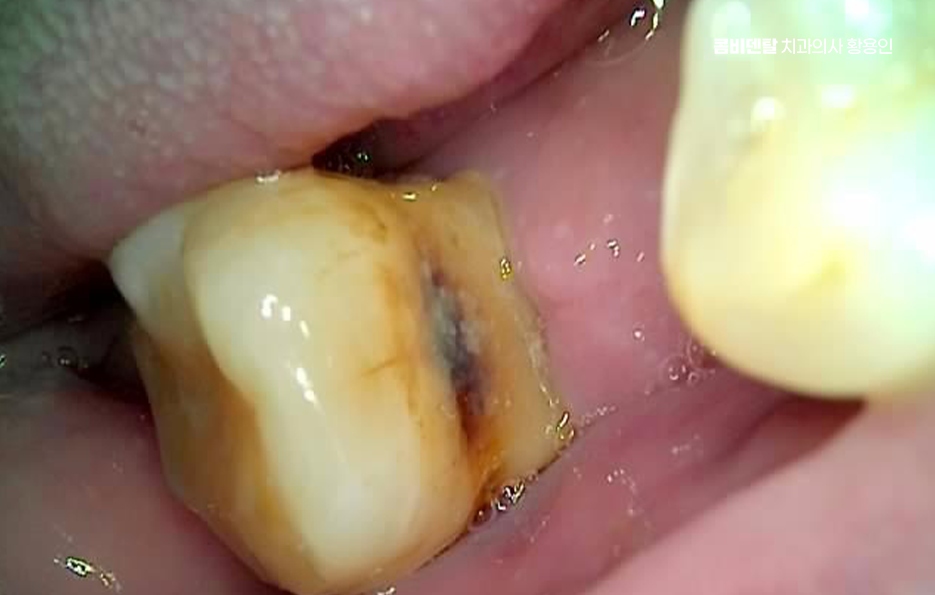
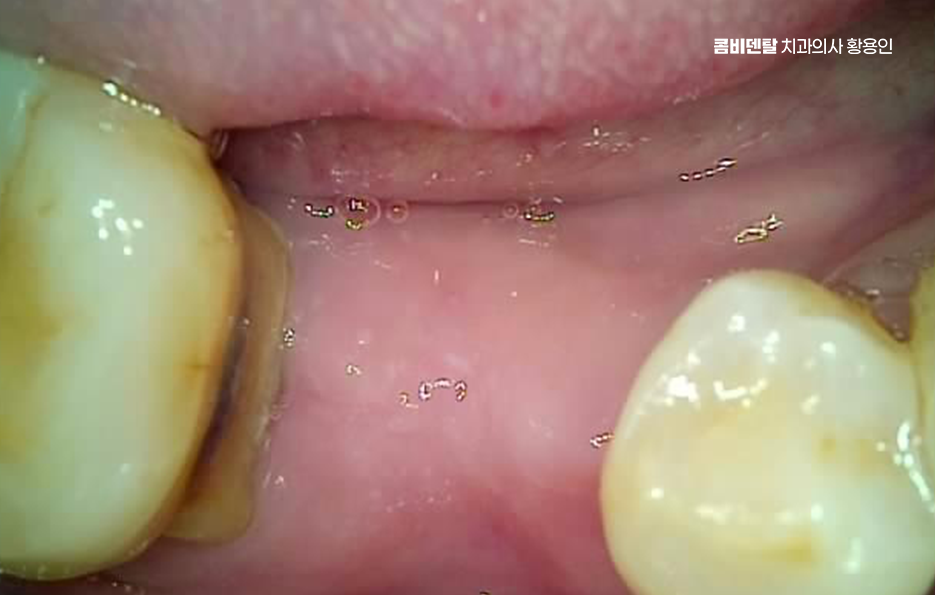
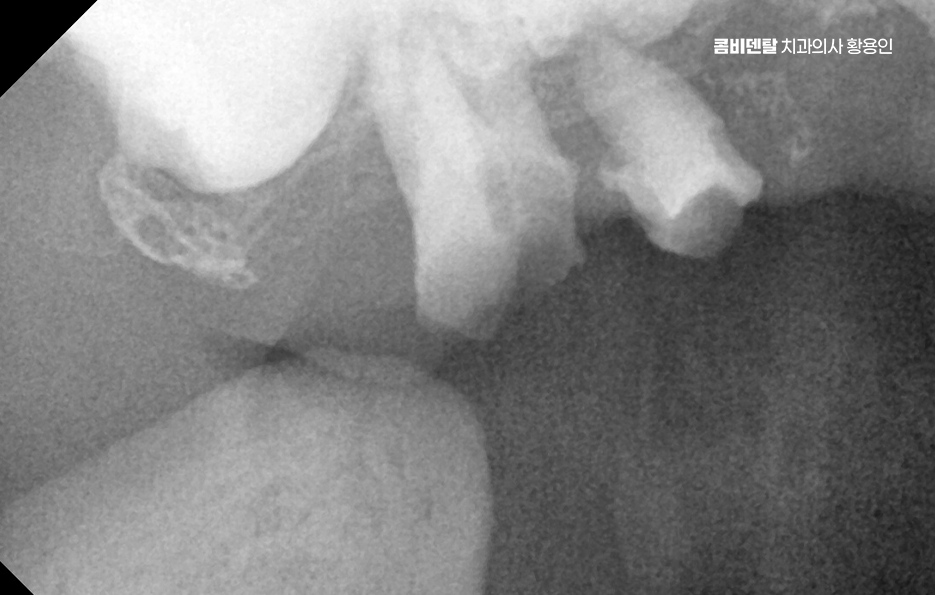
It is not always necessary to place as many implants as the number of teeth that have been lost. In some cases, function can be restored while reducing the burden by placing an appropriate number of implants in locations that can receive chewing forces stably and planning connected restorations.
Areas with significant jawbone deficiency may require bone grafting. When the bone has receded because of periodontal disease, there may not be enough of a foundation to secure an implant firmly. Therefore, it is important to carefully decide whether to reinforce the bone, use another location, or proceed in stages. Extraction and implant placement can sometimes be performed on the same day, but when inflammation is severe or the bone is weak, allowing a recovery period after extraction may be safer.
In your 50s, general health factors such as diabetes, high blood pressure, medication for osteoporosis, and smoking may also affect the treatment plan. Checking these factors in advance can help prepare more safely for the extent of surgery, recovery management, and any adjustments to medication.
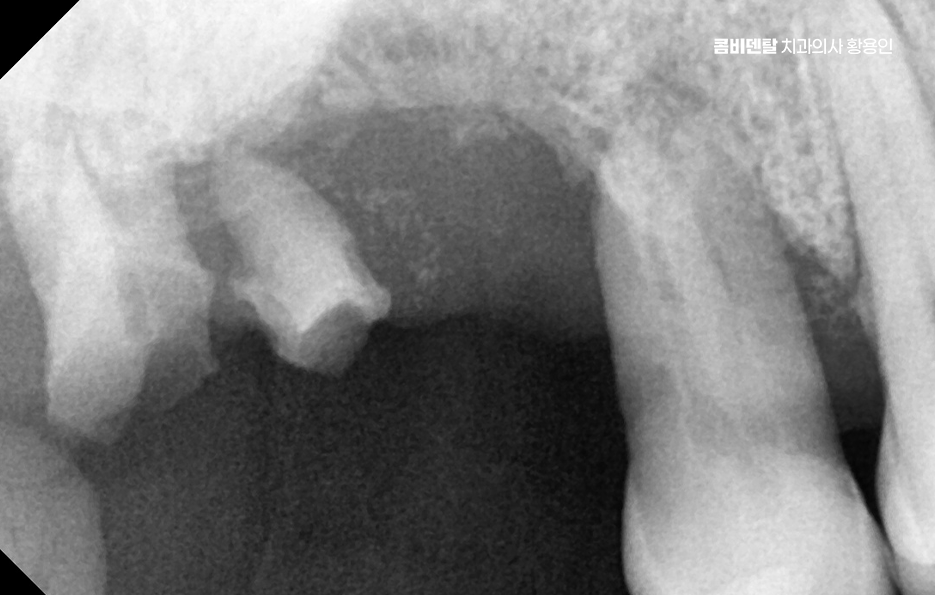
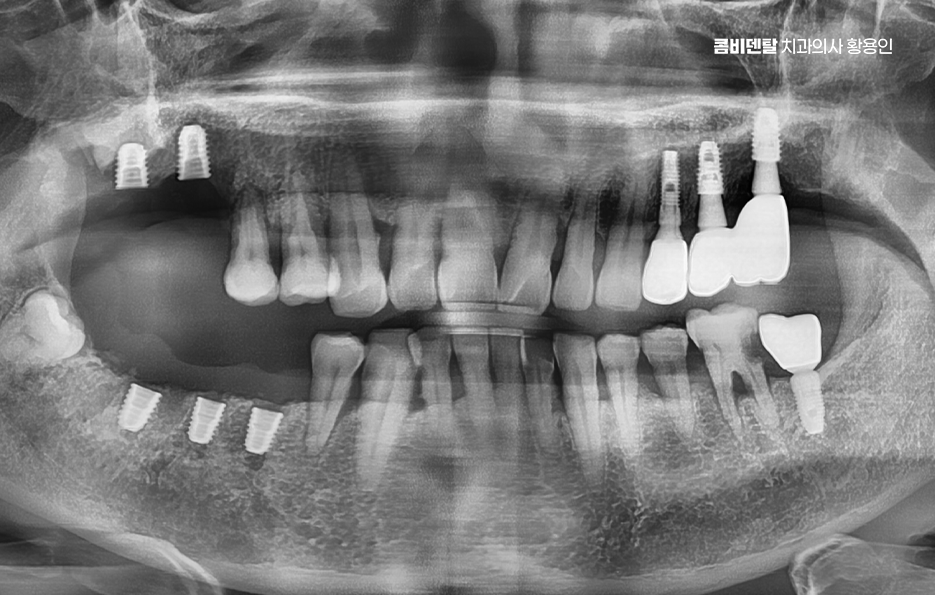
When creating implant restorations, it is not enough to consider only an attractive tooth shape. If the gums have receded considerably because of periodontal disease, the teeth may look long and spaces where food can become trapped may develop. The shape should therefore be designed for easy cleaning, while pronunciation and the sense of lip support should also be considered. When many molars have been lost, chewing forces may become concentrated on the front teeth, causing the remaining front teeth to spread apart or become loose. For this reason, the treatment plan may also need to restore support in the molar area first so that forces are distributed evenly across the natural teeth and implants.
The treatment period may vary depending on the condition of the bone and the degree of inflammation. Extraction, gum treatment, bone grafting, implant placement, and final restorations may not all be completed at once, so it is helpful to establish goals for each stage from the beginning. After the implants are completed, maintenance is just as important as treatment. People who have had periodontal disease need to be especially mindful of the possibility of inflammation around the implants. In addition to brushing, it is necessary to carefully consider aftercare and use interdental brushes, dental floss, and an oral irrigator as appropriate for the individual.
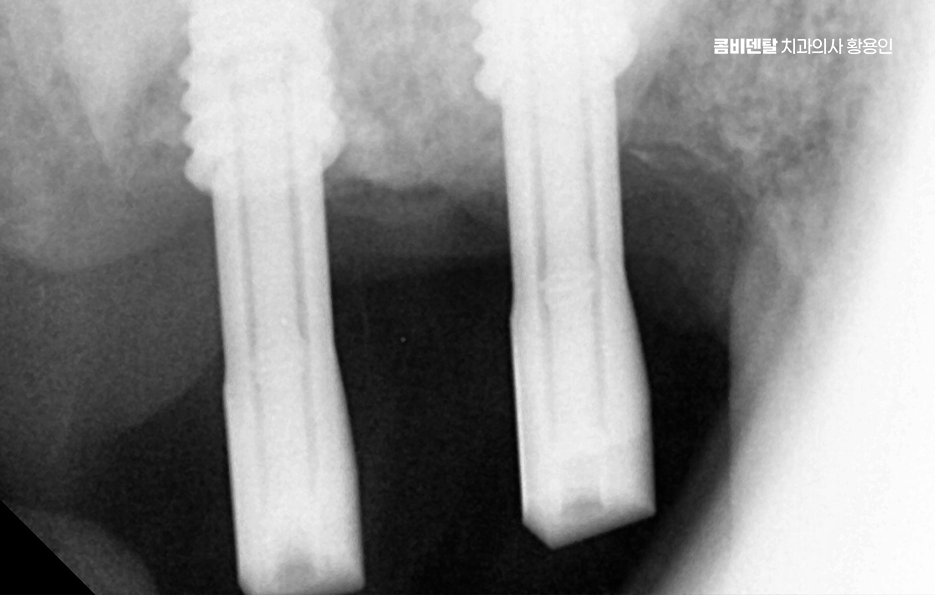
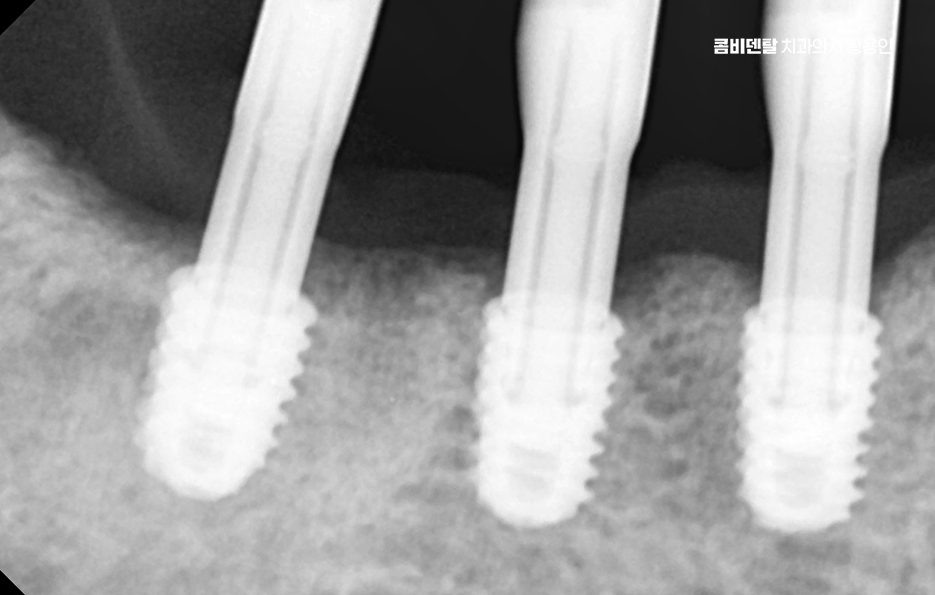
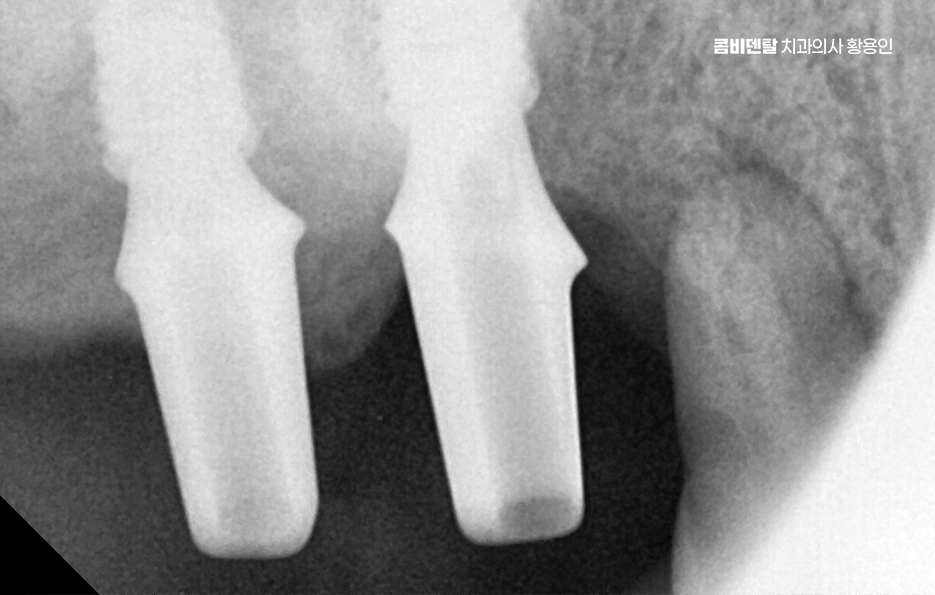
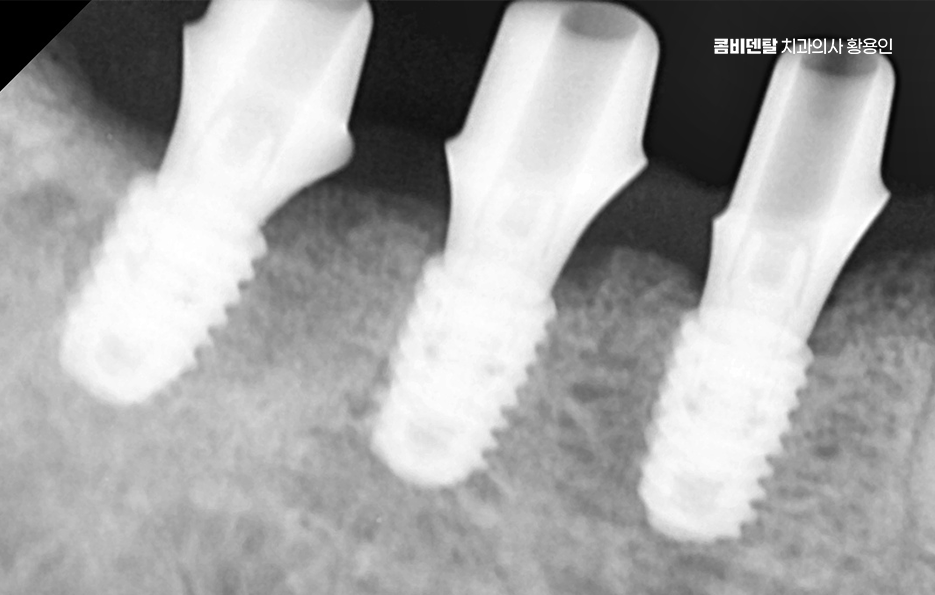
During regular checkups, the dentist does not only check whether the implants are loose. Gum bleeding, food becoming trapped, loose prosthetic screws, changes in chewing forces, and the stability of the surrounding bone are also assessed. Because detecting small problems early can help prevent them from developing into extensive retreatment, a long-term plan that considers not only treatment but also maintenance may be important.
Implant treatment in a person in their 50s who has lost several teeth due not only to periodontal disease but also to the accumulated decline in tooth lifespan is not simply a matter of replacing missing teeth. It is a process of rebuilding a collapsed chewing structure. The management of the remaining teeth and inflammation, implant positioning, restoration design, and aftercare should therefore be connected as one plan. A good implant treatment plan for someone in their 50s is one designed for long-term use. By accurately assessing the current condition of the jawbone and overall health, proceeding in a reasonable sequence without overburdening the patient, and continuing with subsequent maintenance, it may be possible to regain comfortable chewing and speaking function even after the age of 50.


Previous image
Next image




Previous image
Next image



Previous image
Next image



Previous image
Next image