
When I decided to get a molar implant, I was initially looking forward to filling the gap left by the missing tooth. However, after hearing the treatment plan, I became increasingly concerned about how long I would be able to use the implant.
Because molars bear a great deal of force when chewing, I wondered whether they might deteriorate more quickly than other teeth. I also worried about what would happen if problems arose again after only a few years, despite investing considerable time and money in the treatment.
People around me explained that an implant could be used for a long time with proper care, but I felt that statement was more like a responsibility. I had already lost my natural teeth because I had not managed them properly, so I felt burdened by the fear that I might repeat the same mistake.
At first, I thought that once an implant was placed, I could simply use it like a natural tooth. But people around me told me that gum care was also important for implants and that problems could arise if regular checkups were neglected. I realized that the treatment was not truly over when the procedure ended.
In particular, molars are located where they are difficult to see, so I was never sure whether I was brushing properly. When food became trapped around the restoration or my gums became swollen, I worried that the molar implant might not last as long.
When I searched online, I found people saying they had used their implants well for more than ten years, but I also saw posts from people who had suffered from inflammation soon afterward. I could not tell which experience I would have, and the idea that the difference ultimately came down to maintenance made me even more concerned.
The cost made me even more cautious. Since this was a treatment I had decided to undergo after giving it serious thought, I felt that the financial burden might return if I could not use it for long. As a result, I spent more time thinking about maintenance than I had spent deciding whether to begin the treatment in the first place.
In the past, I only went to the dentist when I was in pain, and I ignored minor discomfort because I was busy. As I prepared for a molar implant, I belatedly realized that these habits had ultimately contributed to shortening the lifespan of my teeth.
In this way, the reason a molar implant may be needed is not simply that a missing molar is located in an area that is not easily visible. A missing molar can affect chewing forces, tooth alignment, and jaw balance. Molars play a key role in breaking food into smaller pieces, and even losing one can reduce chewing efficiency during meals, often causing a person to naturally chew with the teeth on the opposite side or toward the front.
If the habit of chewing on only one side continues for a long time, stress may build up on the remaining teeth. Even if there is little discomfort at first, this may eventually lead to tooth wear or stiffness in the jaw joint. The teeth on either side of the missing molar may also shift rather than remain in place. If they gradually tilt toward the empty space, there may not be enough room to place an implant later, or the treatment plan may become more complicated.
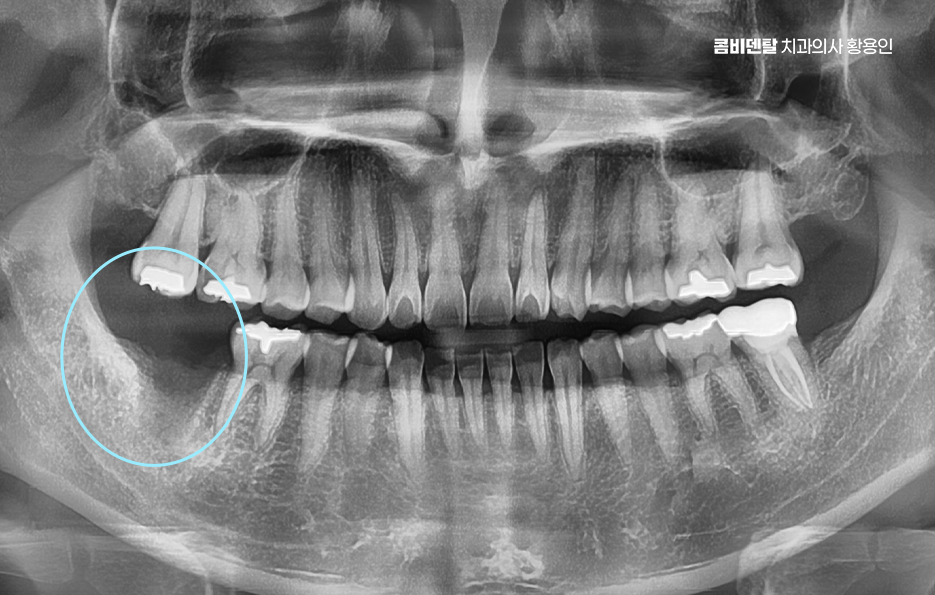
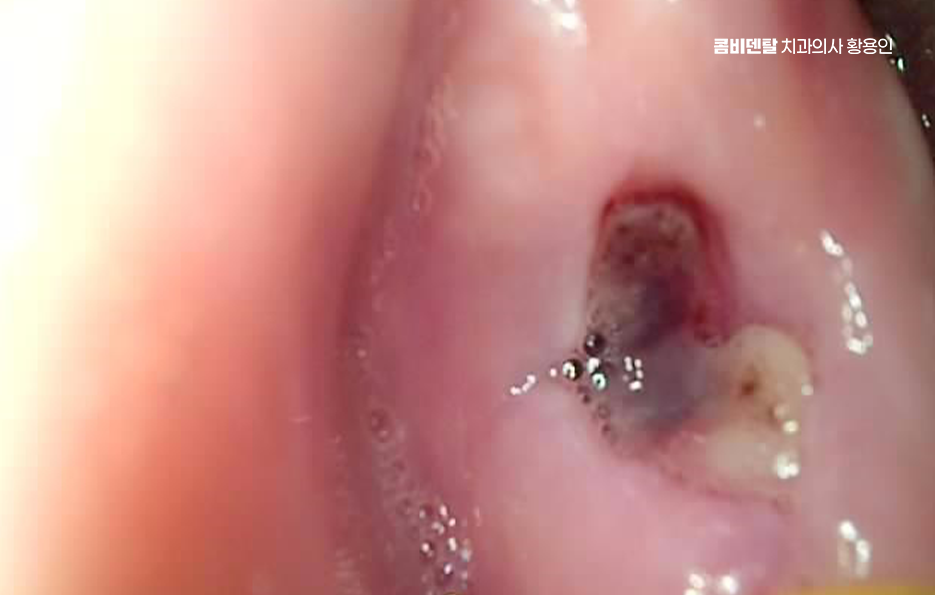
In addition, if a missing tooth is left untreated, the opposing molar may also be affected. When there is no opposing tooth to chew against, the tooth may rise upward or move downward, changing the height of the bite. As a result, the teeth on the opposite side may also require treatment, or additional procedures such as a sinus lift may be needed.
The area where a molar has been lost may lose function over time, which can cause the jawbone to shrink. If there is not enough bone, it may be difficult to place an implant immediately, and additional treatment such as bone grafting may be required.
It is difficult to specify an exact number of years for the lifespan of a molar implant. With proper care, it may last for more than ten years or, theoretically, be usable semi-permanently. However, there can be significant individual differences depending on the initial placement and subsequent maintenance.
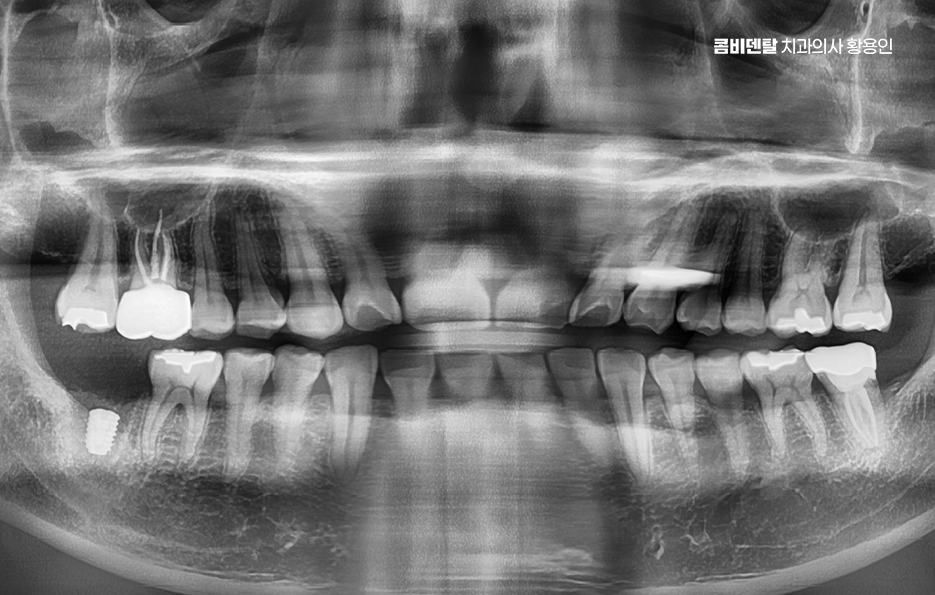
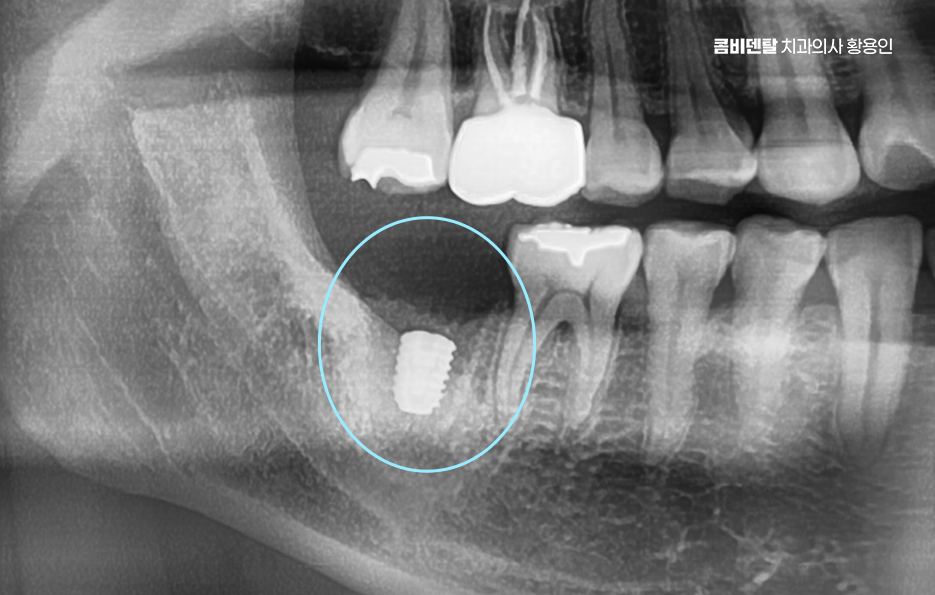
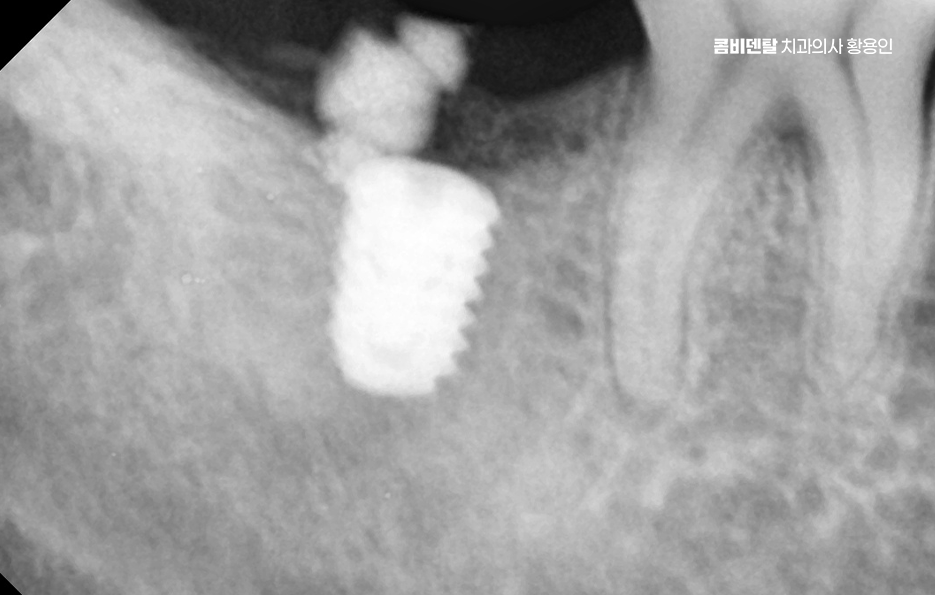
The first condition affecting the lifespan of a molar implant is the condition of the jawbone. The implant must be stably anchored in the bone so that it can withstand chewing forces over time, which may also reduce the risk of the fixture becoming loose later.
The second condition is the height and alignment of the restoration. Because molars bear considerable force, if only one side makes contact first or the bite is misaligned, stress can develop on both the tooth with the implant and the opposing tooth. If you grind your teeth or clench your jaw, the implant's lifespan may be shortened. Repeated strong forces during sleep can place strain on the surrounding teeth and the tooth with the implant, so it may be important to discuss this sufficiently with your dentist and receive systematic treatment.
When an implant is placed, the restoration itself does not develop cavities, but the surrounding gums can become inflamed. As food and bacterial plaque accumulate, the jawbone may shrink, and in severe cases the implant may become loose. To use a molar implant for a long time, do not brush only the top of the restoration; carefully clean the boundary where it meets the gums as well. If this area is not maintained, the likelihood of gum disease increases, and recurring odor and swelling may eventually shorten its lifespan.
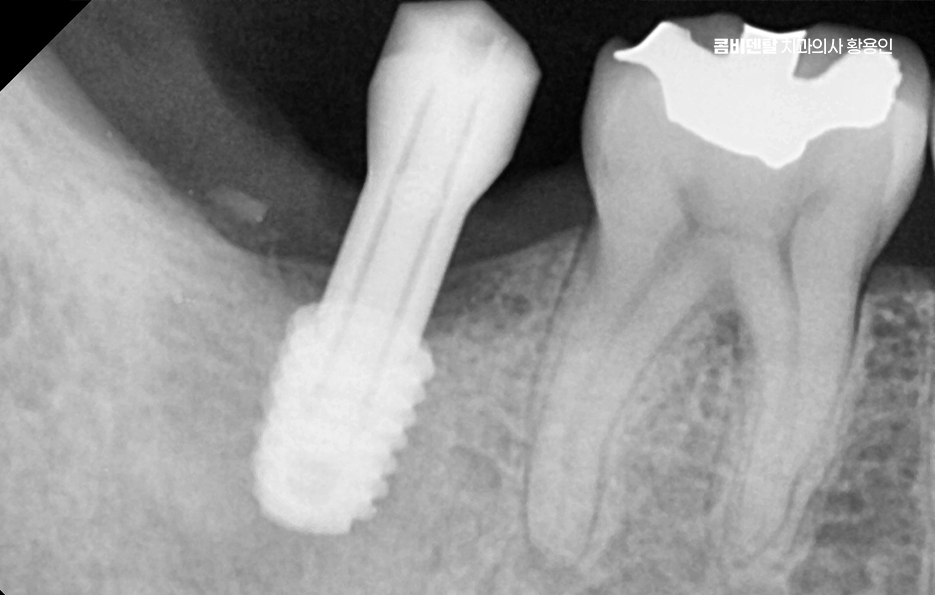
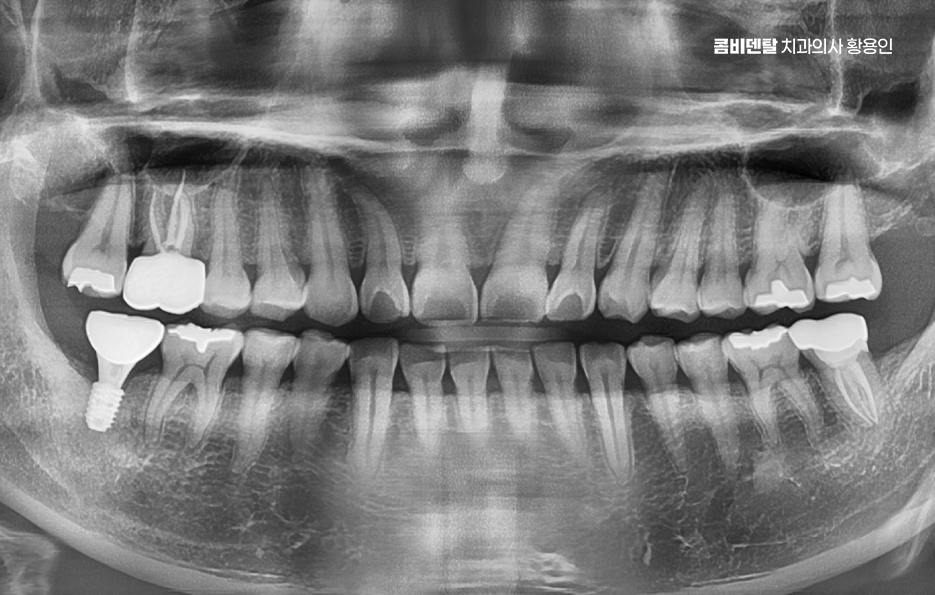
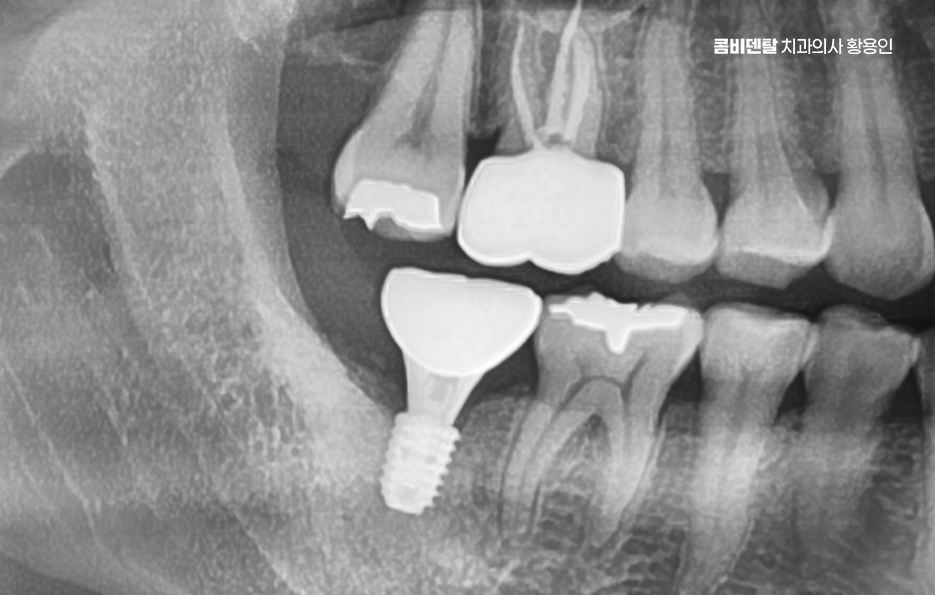
Floss and interdental brushes are essential tools for caring for a molar implant because a toothbrush alone may not reach between and behind the restoration, allowing food to remain there for a long time. Using an oral irrigator together may also be helpful, but rather than relying solely on the water stream, it should be used as an aid after brushing and interdental cleaning to manage the area around the implant more consistently.
To help maintain the lifespan of a molar implant, be careful about habitually biting down on hard foods. Even though an implant may appear sturdy, repeatedly chewing ice or nuts can cause fatigue to build up at the restoration and connection sites. Smoking may also be unfavorable for maintaining the lifespan of a molar implant. It can reduce blood flow to the gums and their ability to recover, so inflammation may not heal easily and bone maintenance may also be affected.
During regular checkups, the dentist examines gum inflammation, changes in the bone, loose screws, wear of the restoration, and the height of the bite. Even when there is no discomfort, finding small problems early is important for maintaining the lifespan of a molar implant. Therefore, it is necessary to pay attention to maintenance through regular care and periodic checkups.
In conclusion, a molar implant is not merely a treatment for filling a missing tooth; it is a plan for protecting the remaining teeth and maintaining chewing balance. Accurate placement, consistent oral hygiene, and control of chewing forces must work together to help maintain its lifespan reliably.










Previous image
Next image






Previous image
Next image






Previous image
Next image