
It was sometimes hard to believe that I had already lost several teeth, even though I was only a little over forty.
I used to vaguely think that even if my teeth were uncomfortable, everything would be fine again as long as I received treatment. But at some point, some teeth could no longer be saved, and as the gaps gradually increased, I felt as though my body was aging faster than I had expected.
When I had my first tooth extracted, I thought losing just one tooth would be okay. It was a molar that was not visible, and chewing on the other side did not cause any major inconvenience in daily life. However, as the condition of my other teeth also worsened, the problem did not end with just one missing tooth.
Every time I went to the dentist, I was afraid of what I would hear next. Whenever I was told that a cavity was deep or that my jawbone had weakened, I felt it was my fault for not taking care of my teeth sooner. The treatment costs were also a burden, but I also felt that I had been so busy living my life that I had neglected my health too much.
In fact, when I was younger, I did not consider dental health to be particularly important. When I was tired, I would brush my teeth carelessly before going to bed, and even when my gums bled, I assumed it was probably because I had brushed too hard.
I thought of the dentist as a place to visit only when I was in pain. Looking back now, I regret that if I had paid just a little more attention at the time, I might not have lost as many teeth as I have now.
On the day I went in for an implant consultation, I was worried about the treatment process, but what I was most curious about was how many years I would be able to use the implants. I wondered what would happen if problems arose again after going through the difficult process of having them placed at considerable expense. I had also been told that my gums were still not in good condition, so I was anxious that maintenance might become even more difficult as I grew older.
When someone in their 40s begins losing not just one tooth but several teeth, it is difficult to view this simply as a change caused by aging. In reality, it can be seen as the accumulated result of years of lifestyle-related factors—ranging from long-standing cavities and gum disease to poorly maintained dental restorations—surfacing all at once.
Important causes of tooth loss in people in their 40s include old dental restorations and cavities. However, one cause that cannot be overlooked is periodontal disease. When repeated gum inflammation gradually reduces the jawbone that supports the teeth, even teeth without cavities can begin to loosen. Discomfort while chewing may increase and eventually lead to extraction.
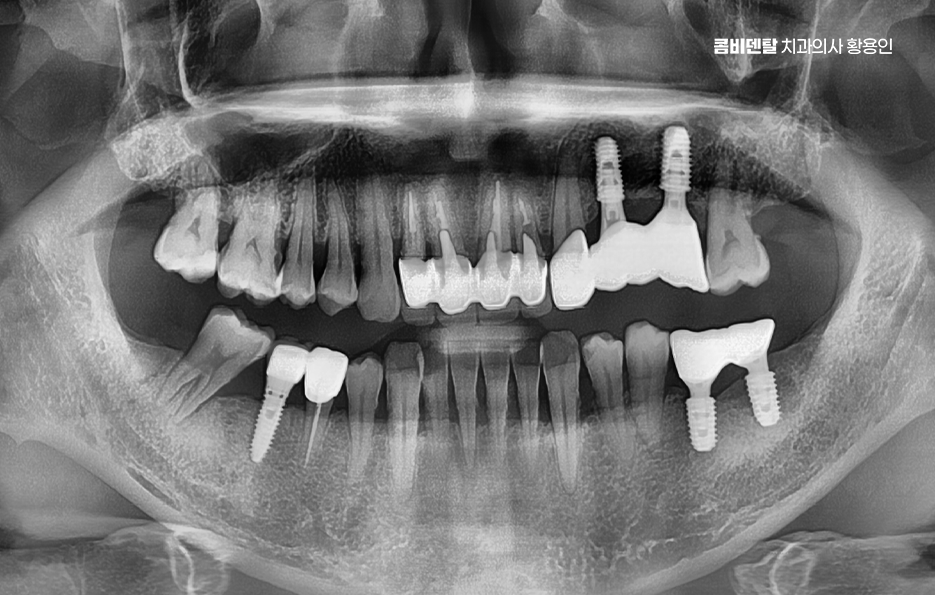
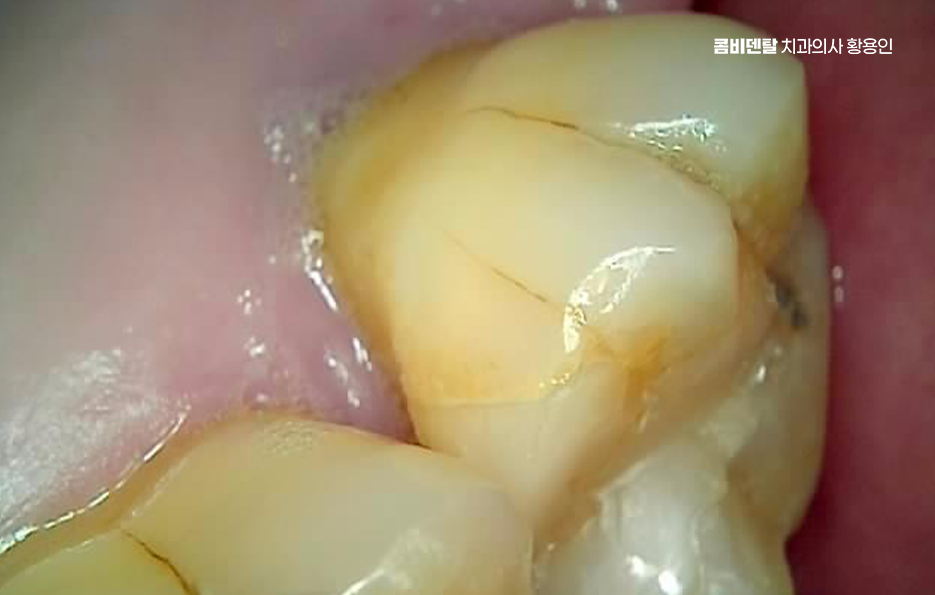
Smoking and diabetes can also increase the risk of continued tooth loss in one's 40s. Smoking reduces blood flow to the gums and the body's healing response, while poorly controlled diabetes can make inflammation worsen more easily and may have an unfavorable effect on recovery after periodontal treatment and tooth extraction.
The importance of implant treatment in one's 40s lies in reducing the burden placed on the remaining natural teeth and restoring a balanced chewing function, which can help prevent further tooth damage and a chain of additional tooth loss.
In particular, if missing molars are left untreated for a long time, the opposing molars may bear more stress, or other teeth may be used to chew hard foods. This is not simply a matter of accepting some additional discomfort; an uneven bite may lead to additional, successive reductions in the lifespan of the teeth.
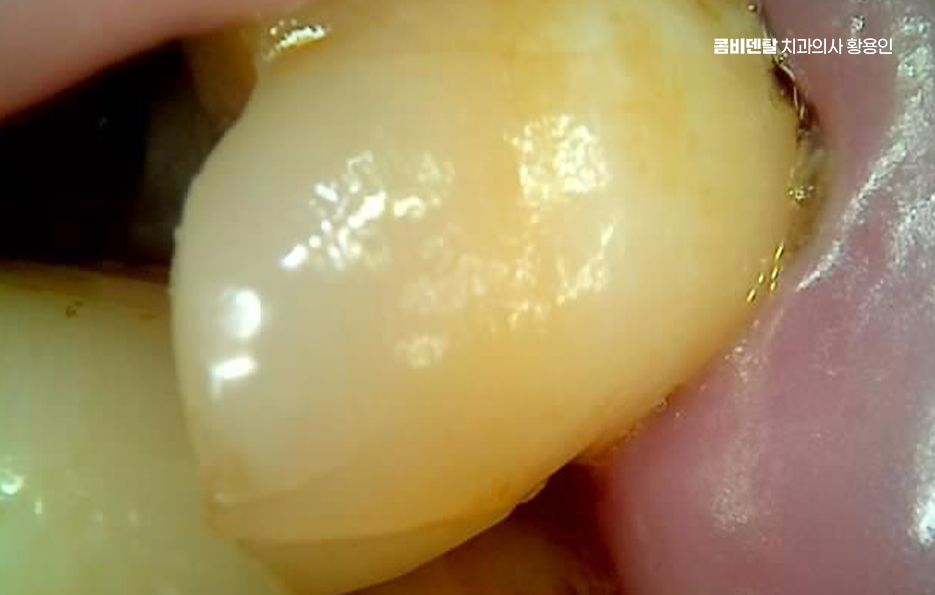
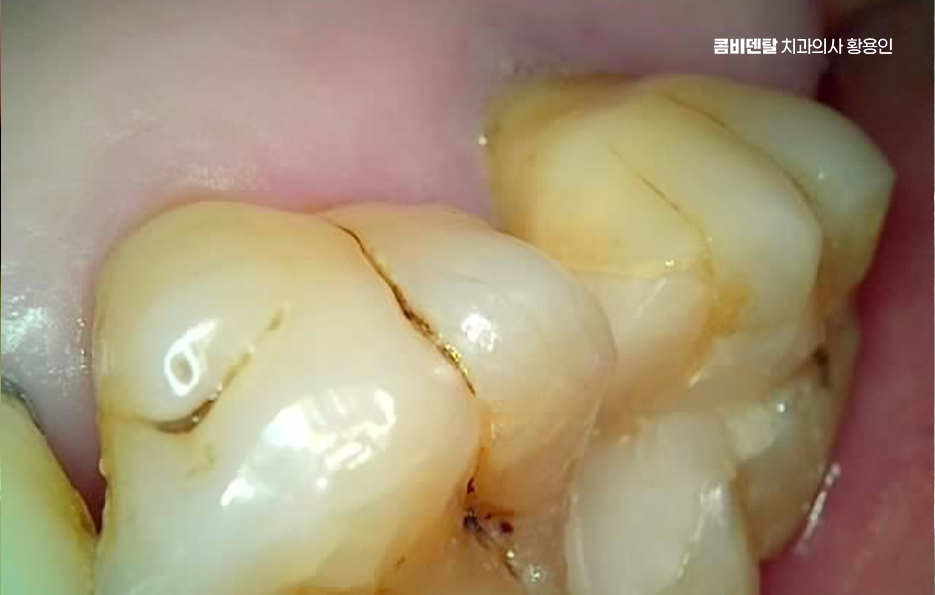
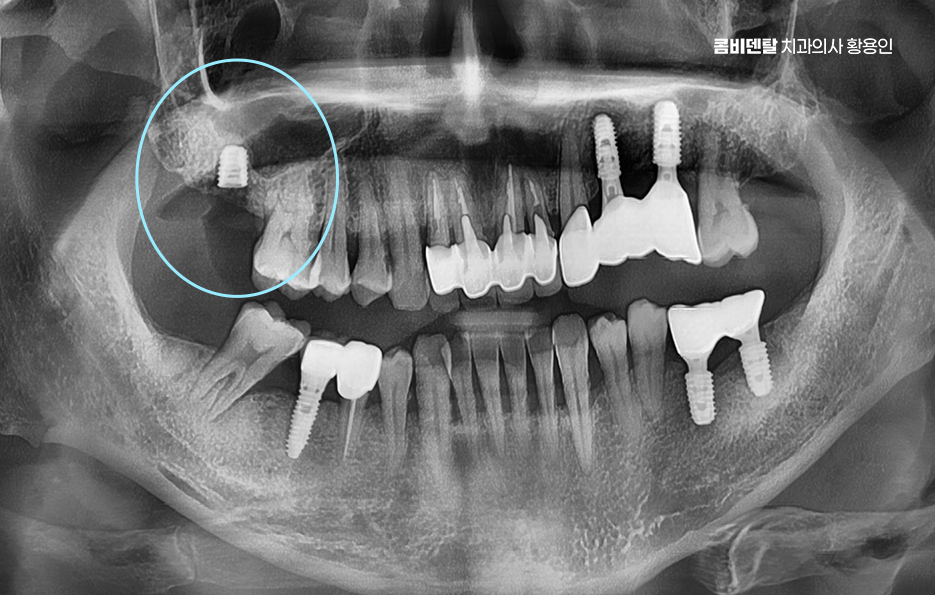
It is also not advisable to postpone implant treatment in one's 40s while vaguely putting up with the discomfort after an extraction. Over time, the loss of tooth function may cause the jawbone in the area where the tooth was located to shrink. If the width and height of the jawbone are insufficient, it may be difficult to place an implant in the desired position, and the need for additional bone grafting may increase the treatment period and the burden of recovery.
People in their 40s are generally active in their careers and dining activities, so reduced chewing function can have a considerable impact on quality of life. Avoiding chewy or hard foods can limit food choices and cause the habit of chewing only on one side to become established.
When creating an implant treatment plan for someone in their 40s, it is necessary to predict not only the missing area but also the lifespan of the remaining teeth. If implants are placed while severely diseased teeth are left untreated, inflammation around them may recur and the overall bite may become unstable.
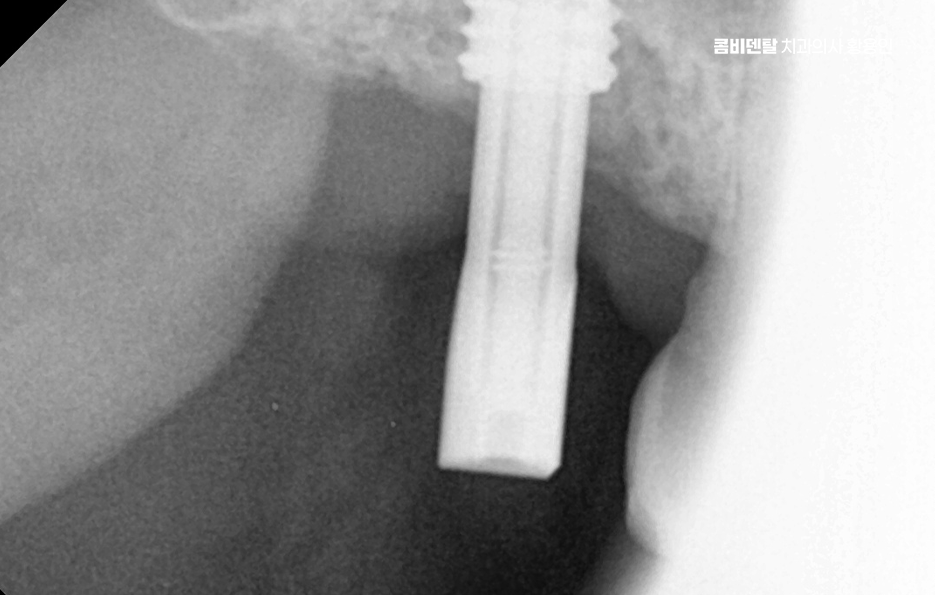
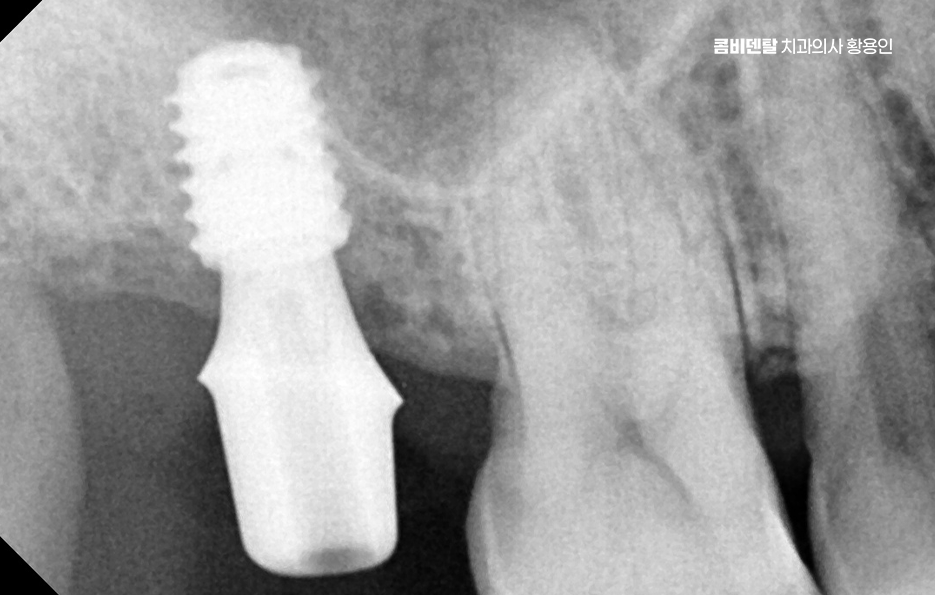
To use implants for a long time, care after treatment may be more important than the surgery itself. Implants do not develop cavities, but inflammation can occur in the surrounding gums. If maintenance is insufficient, the jawbone supporting the implants may shrink, eventually leading to implant reoperation or a shorter lifespan.
Therefore, when someone in their 40s loses teeth, it is important to improve the causes of tooth loss so that the reasons for losing the natural teeth do not recur, while also maintaining and managing overall dental function through implant treatment in one's 40s. Implant treatment does not simply end once the procedure has been completed; its lifespan must also be properly managed. Since maintaining implants for many years is particularly important for people in their 40s, it is necessary to take a long-term perspective, from treatment planning through ongoing maintenance.
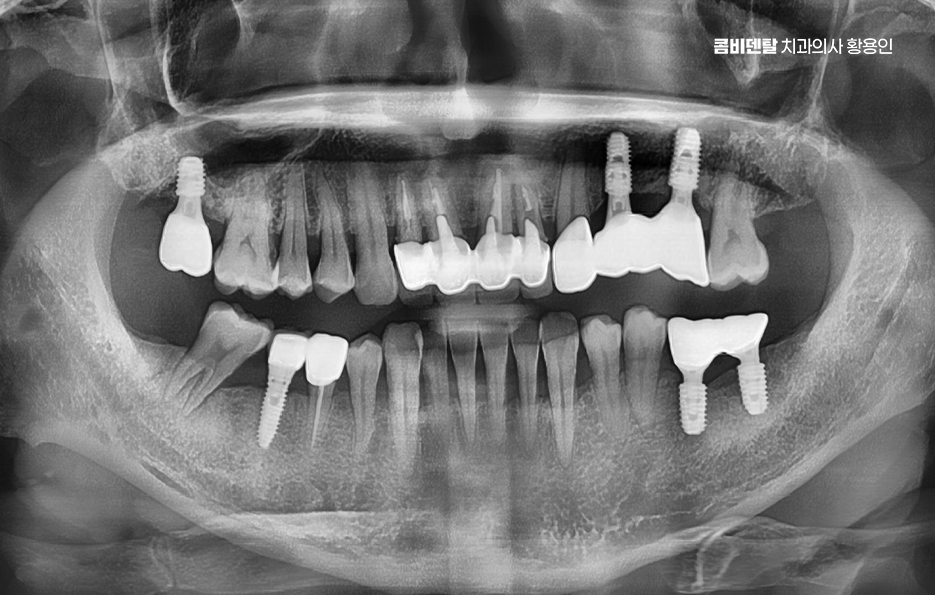
Regular checkups are essential for maintaining the lifespan of implants. During these checkups, the depth of the gums, the presence of bleeding, wear on the restorations, the condition of the screws, and changes in the surrounding jawbone should all be examined. Visiting the dentist only when symptoms appear is not enough; detecting problems when there are no symptoms can help limit the scope of treatment and may be important for maintaining implant longevity.
In particular, if smoking continues or diabetes remains uncontrolled, the ability of the tissues around the implants to heal and defend themselves may decline. Managing lifestyle habits and systemic diseases before and after treatment can directly affect not only the initial stability of the implants but also their long-term maintenance.
In conclusion, repeated tooth loss in one's 40s is often not caused by a single factor, but is the result of cavities, gum disease, old dental restorations, excessive biting forces, and inadequate maintenance acting together. Rather than simply feeling that it is due to aging or bad luck, I hope you will protect your remaining teeth and restore overall oral function through an implant treatment plan for your 40s, together with improvements based on the exact causes.


Previous image
Next image

Previous image
Next image




Previous image
Next image





Previous image
Next image