Hello, this is VN Plastic Surgery.
Today, we would like to provide detailed information about
closed revision rhinoplasty,
which many people have concerns about.
Revision surgery is usually considered when
the results after the first surgery are disappointing
or discomfort remains.
In particular, demand for closed revision rhinoplasty has been increasing recently
to reduce the burden of scarring.

There are more reasons than you might expect
for considering closed revision rhinoplasty after nasal surgery.
The contour may not be satisfactory,
the nasal tip may appear turned upward,
or silicone may become visible.
In severe cases, even crookedness may develop.
When these issues occur,
revision rhinoplasty may be considered
for both functional and aesthetic improvement.
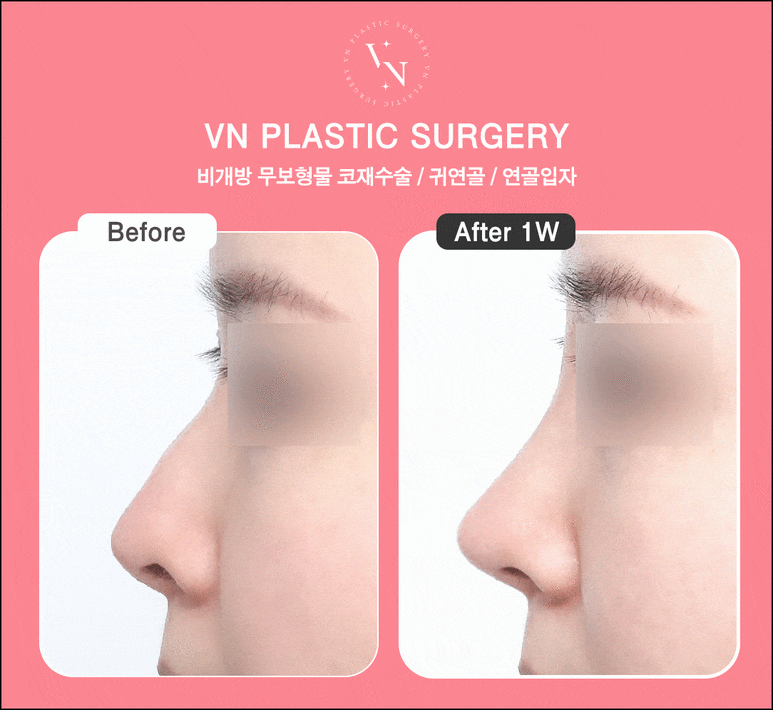
In particular, feeling that the nasal contour looks unnatural after surgery
is one of the most common reasons for revision surgery.
The bridge may be excessively high,
or, conversely, lower than expected.
These contour issues can also be
adequately corrected and improved
through closed revision rhinoplasty.
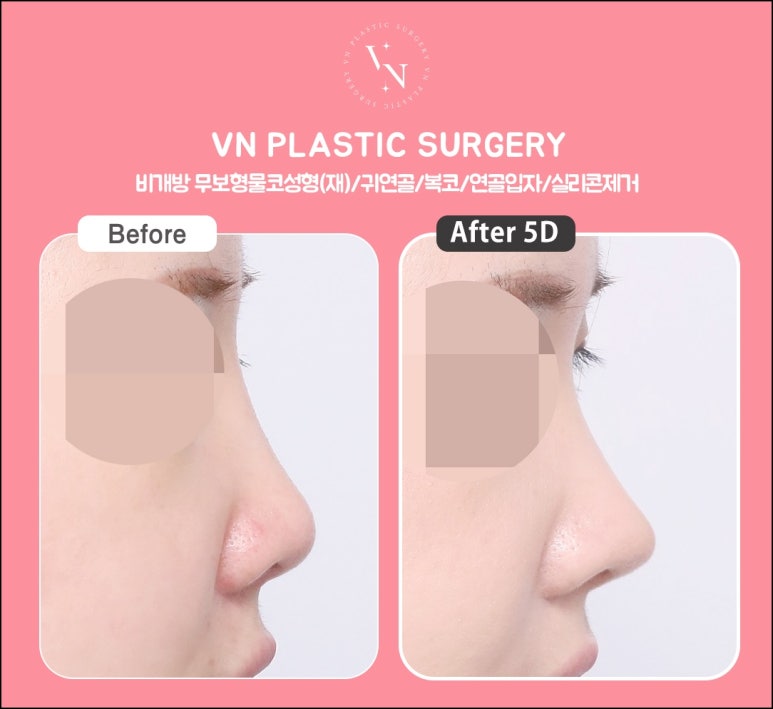
Concerns related to the nasal tip
are also among the main reasons for revision surgery.
If the nasal tip appears turned upward
or looks bulbous,
natural improvement is also possible
with closed revision rhinoplasty.
Many people think that revision surgery is always possible
only through an open approach involving an incision in the columella,
but that is not the case for every situation.

However, an important point to note is that
closed revision rhinoplasty is much more technically demanding
than a primary procedure.
Because correction must be performed precisely from inside the nose
using internal incisions instead of a columellar incision,
the skill of an experienced medical professional is extremely important.
This is because, by its nature, the closed approach
provides a limited field of view.
Rather than opening the structures widely for direct examination,
the procedure is performed within a restricted space.
Therefore, when experience is lacking,
it can be difficult to achieve the desired result.
For this reason, relatively few hospitals are able to perform
closed revision rhinoplasty.
Revision surgery itself requires greater caution than the first surgery.
Tissues that have already undergone surgery are sensitive,
and scar tissue or adhesions may be present.
For this reason, whether closed revision rhinoplasty is possible
should also be determined through a thorough consultation
and detailed diagnosis.
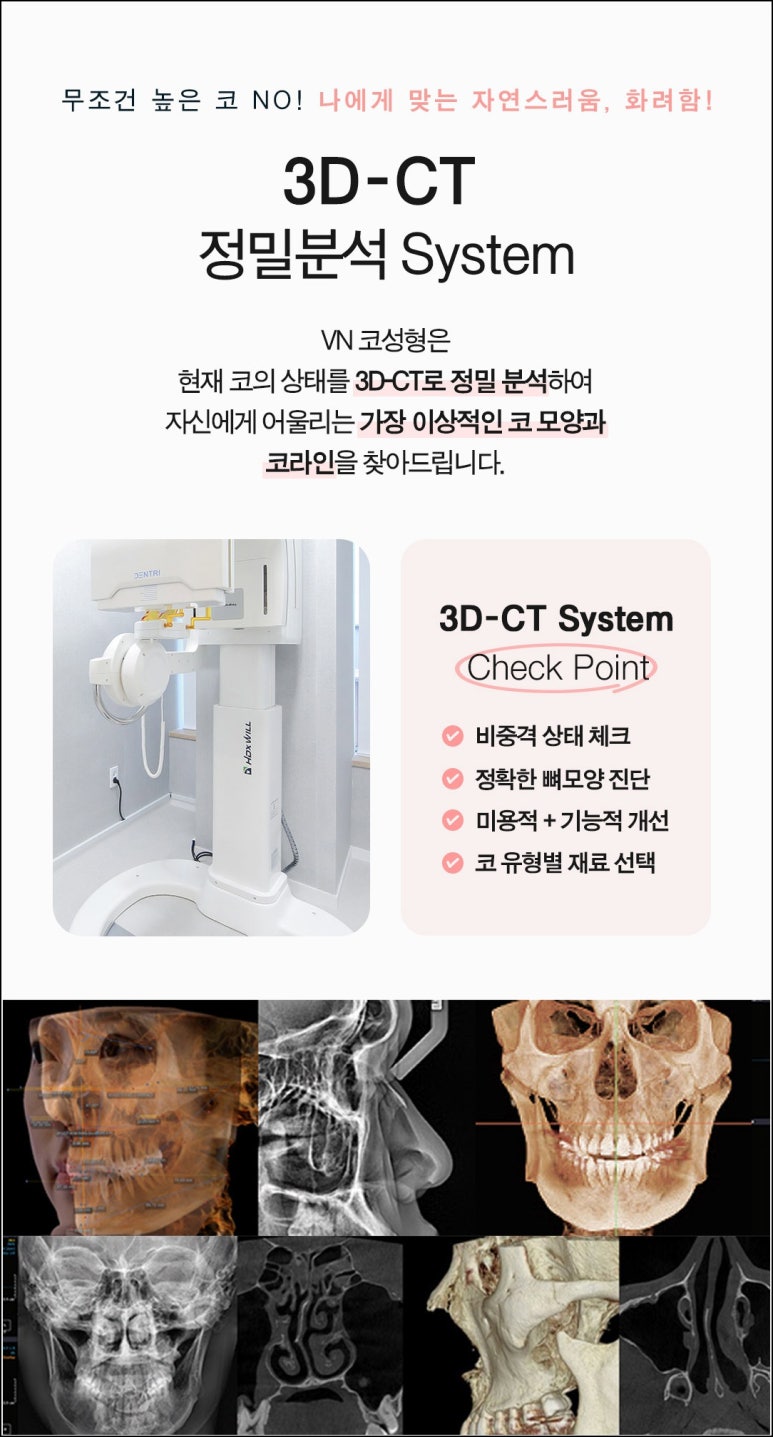
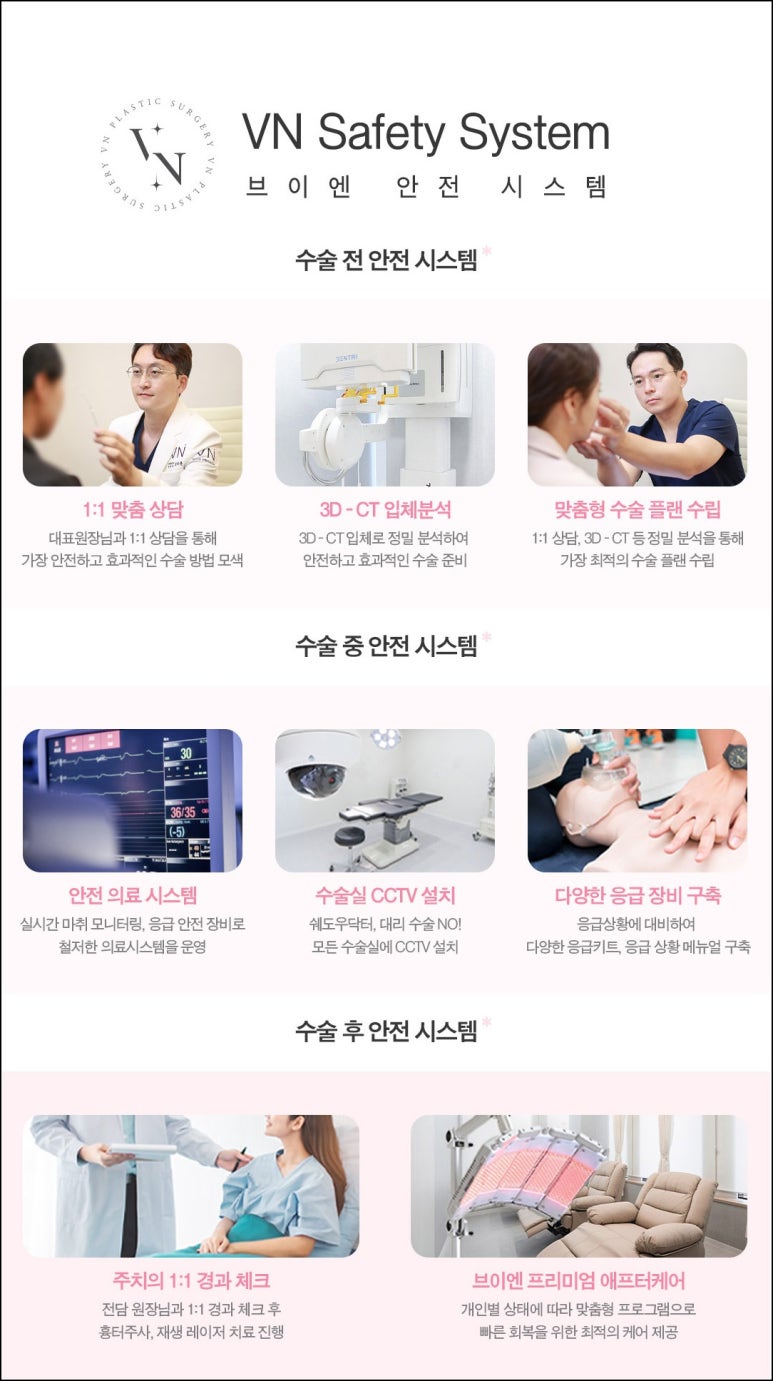
Dr. Oh Seung-il, Medical Director of VN Plastic Surgery,
takes the difficulty of revision surgery into account
and carefully examines the internal structure of the nose
based on CT scans before planning a surgical method
suited to each individual’s condition.
Because the process involves examining not only the external appearance
but also the internal structures and tissues,
we aim to help make closed revision rhinoplasty
safer and more systematic.
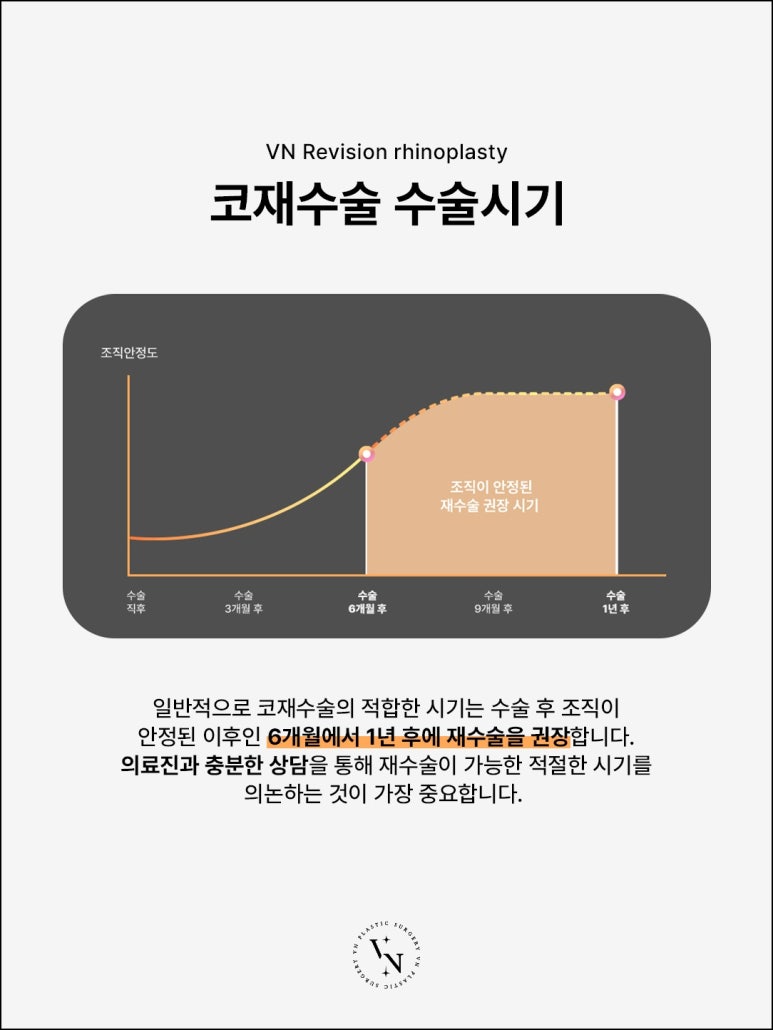
Finally, the timing of closed revision rhinoplasty
is also an important consideration.
In general, it is recommended
six months to one year later,
after the tissues have stabilized.
If the procedure is performed too soon,
there may be a risk of side effects.
Therefore, satisfaction with closed revision rhinoplasty
can be improved only by considering both the timing and the method.
In conclusion, I believe revision rhinoplasty
is a process of analyzing the problems with the previous result
and making precise improvements
so that the same issues do not occur again.
The most important thing is to find the approach that suits you
through a consultation with a medical professional
who has extensive experience and expertise.
In that process, closed revision rhinoplasty
may be a good alternative.
Thank you.