Hello, this is VN Plastic Surgery.
After nose surgery, many people consider revision surgery because of side effects such as the nose becoming shorter or appearing upturned.
In cases like this, the most commonly searched keyword is
"contracture nose revision surgery."
Today, we will explain in detail everything from why contracture nose revision surgery is needed,
the definition of contracture, its stages, self-check methods,
and possible solutions.
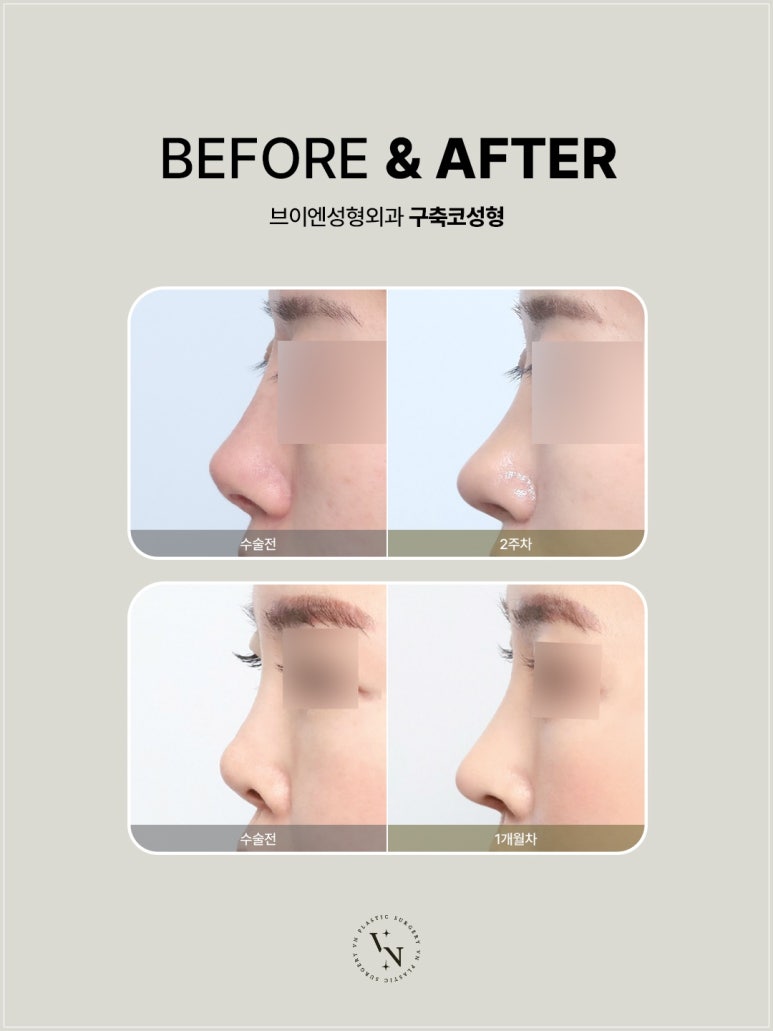
First, what is "contracture"?
After nose surgery, excessive scar tissue (fibrosis) forms inside the tissue,
causing the tissue to contract.
As a result, the nose gradually becomes shorter,
looks more upturned, and feels harder.
If this condition progresses,
it can lead to a situation where contracture nose revision surgery
is needed rather than simple correction.
In particular, caution is needed because it often occurs after implant insertion.
So why does this contracture occur?
Common causes include excessive tissue damage,
an inflammatory reaction to the implant,
frequent nose surgeries,
and thin skin.
Contracture can also occur when infection or bleeding is not properly managed.
As these factors act together,
the condition can eventually progress to the point where
contracture nose revision surgery must be considered.
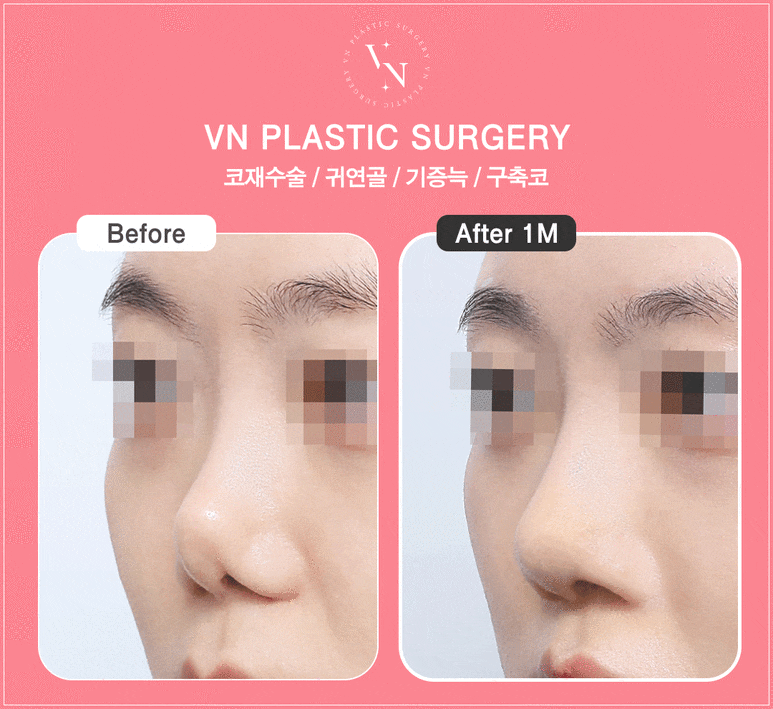
Contracture can be divided into stages.
In the early stage,
the tip of the nose may appear slightly upturned
or feel firm.
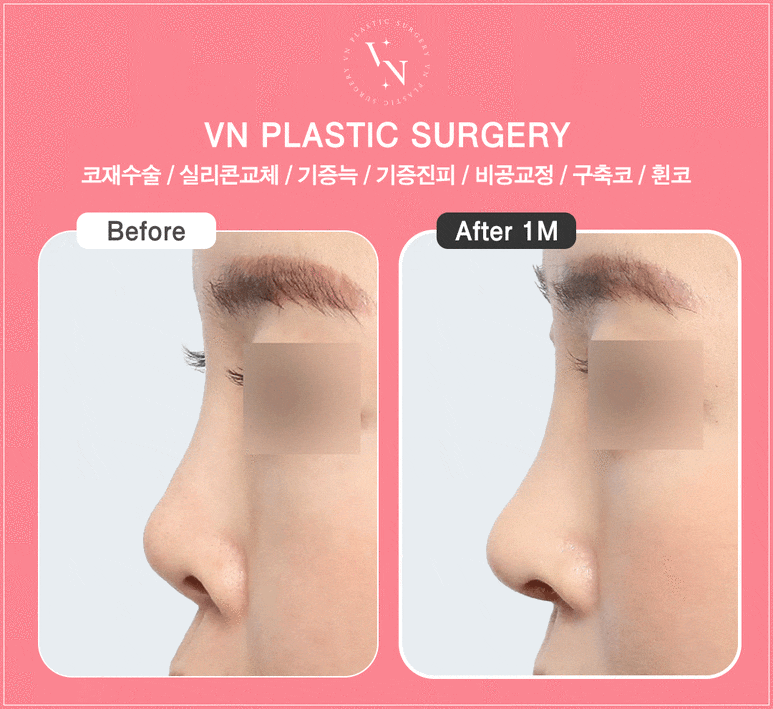
In the progressive stage,
the nose gradually becomes shorter
and the nostrils become more exposed.
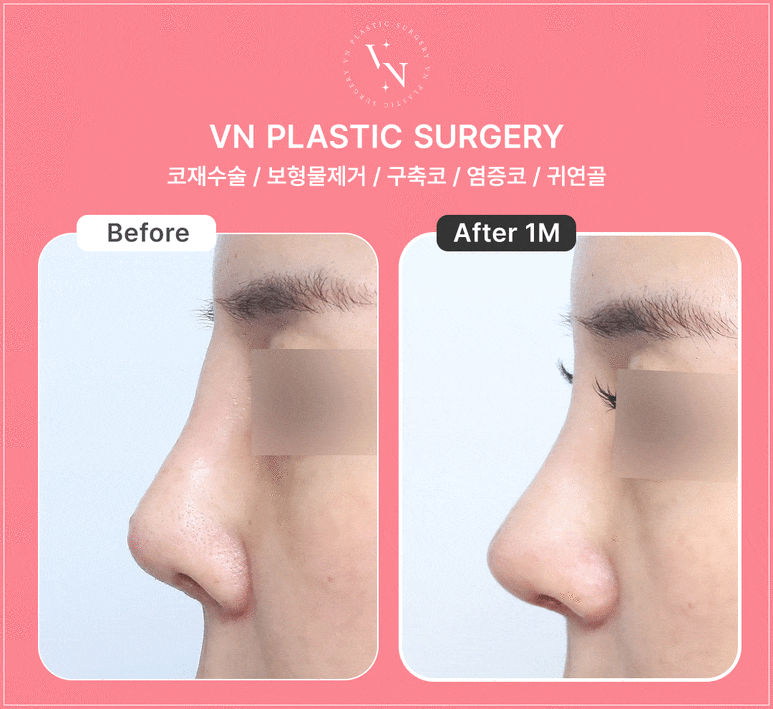
In the severe stage,
the nose shape becomes noticeably deformed
and pain or tightness may also occur.
As the stage progresses like this,
the difficulty of contracture nose revision surgery increases,
rather than requiring simple correction,
so quick response is important.
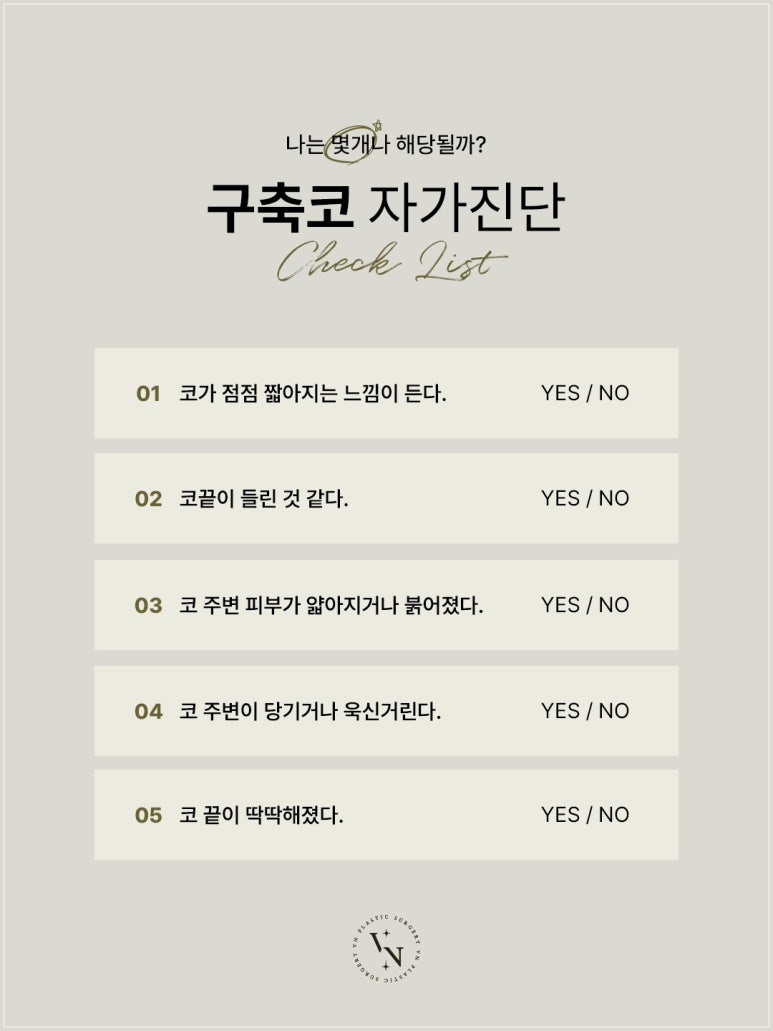
If you are wondering whether contracture is currently progressing,
you can do a simple check.
See whether the nose feels like it is gradually getting shorter,
whether the tip looks upturned,
whether the skin has become thinner or red,
and whether there is any tightness or a foreign-body sensation.
If these symptoms appear together,
there is a possibility of contracture rather than a simple change,
and in that case it is safer to receive a consultation about contracture nose revision surgery.
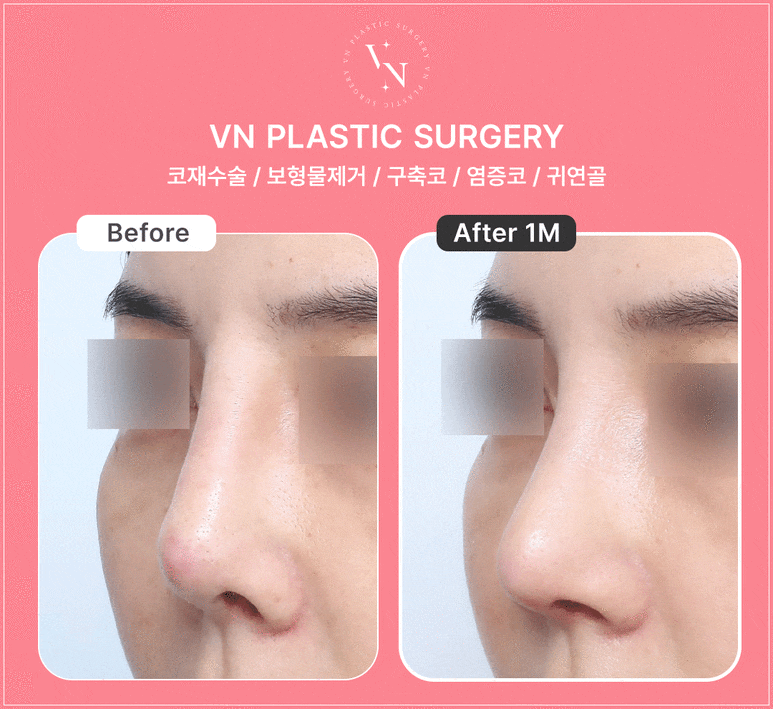
There are also different types of contracture.
Contracture caused by an implant,
contracture caused by cartilage deformation,
and contracture caused by excessive scar tissue,
for example.
Because each has different causes and conditions,
they cannot all be resolved in the same way,
and contracture nose revision surgery tailored to the individual condition
is absolutely necessary.
In particular, contracture nose revision surgery requires
much more delicate handling than the first surgery.
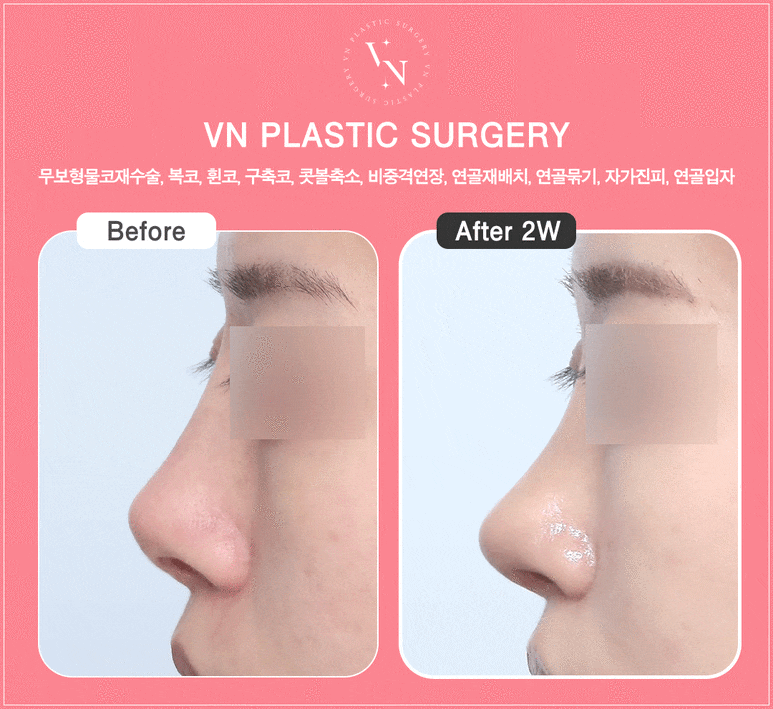
So what is the solution when contracture occurs?
In general, the causative implant is removed or repositioned,
the scar tissue is cleaned up,
and a stable structure must be rebuilt.
If needed, autologous cartilage is used
to reconstruct the nose structure.
Because this process is not simple correction but structural reconstruction,
contracture nose revision surgery performed by an experienced medical team
is essential.

At VN Plastic Surgery, CEO Dr. Oh Seung-il,
who has extensive experience with contracture nose revision surgery,
personally handles everything from consultation to surgery,
pursuing more stable results.
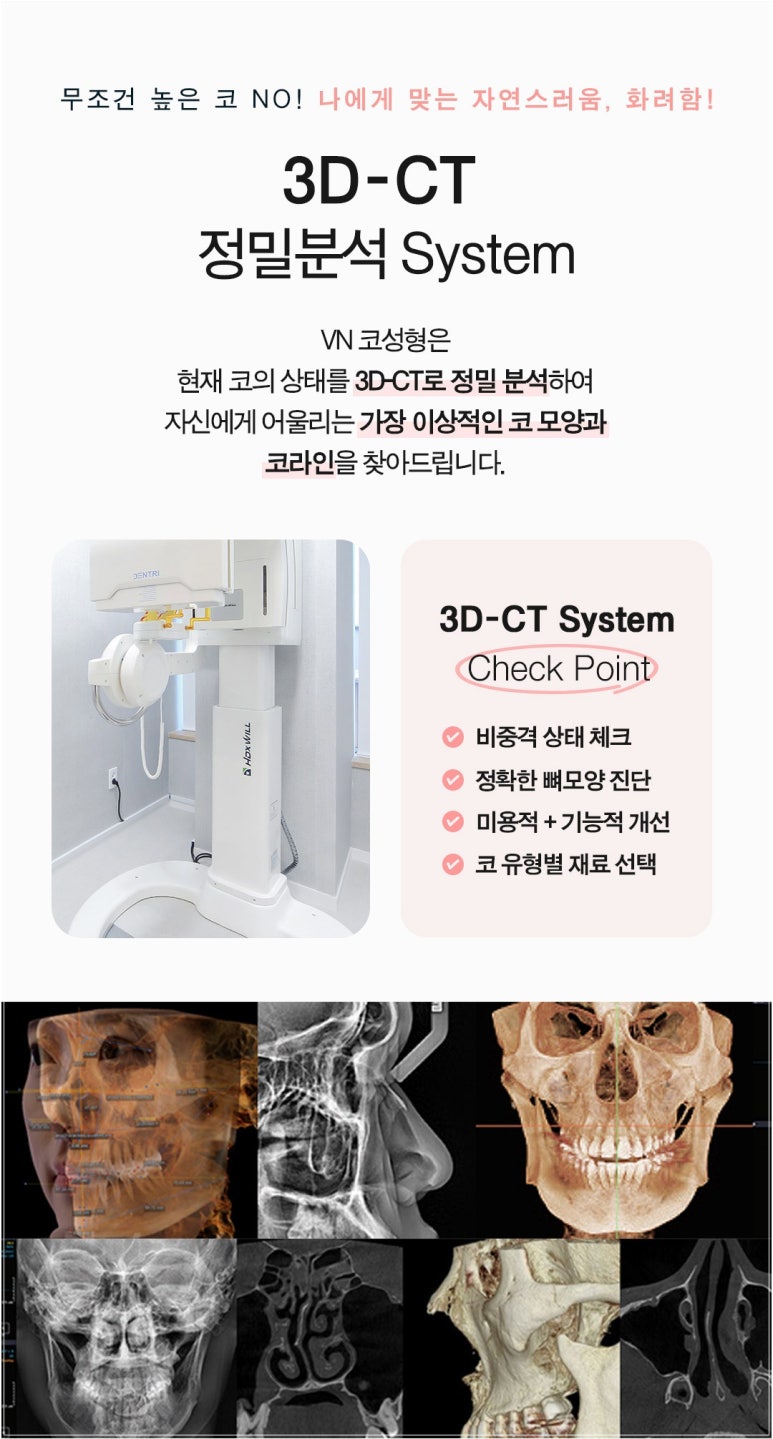
In particular, after accurately diagnosing the contracture condition,
we aim to improve both function and design
through customized contracture nose revision surgery.
Because the nose is the center of the face,
a more careful approach is required.
Lastly, because contracture can worsen over time,
it is important not to leave it untreated.
Even if you suspect early symptoms,
the most important thing is to check quickly and determine the appropriate treatment direction.
Contracture nose revision surgery is not simply a procedure to change the shape,
but a process of rebuilding a collapsed nasal structure.
If you are considering it,
please first receive an accurate diagnosis.
Thank you.