Is your double-eyelid crease too high after surgery,
making your eyes look heavy instead?
You thought it would look more natural over time,
but if you are still concerned about the high crease,
one of the revision methods to consider
is double-line revision.
However, wanting to lower a high crease
does not mean that the existing double eyelid
can always be removed and recreated.
This is because the surgical method may vary
depending on why the crease became high
and the condition of the existing adhesions and skin.
So, in what cases is double-line revision necessary,
and how much can the crease actually be lowered?
What Is Double-Line Revision?
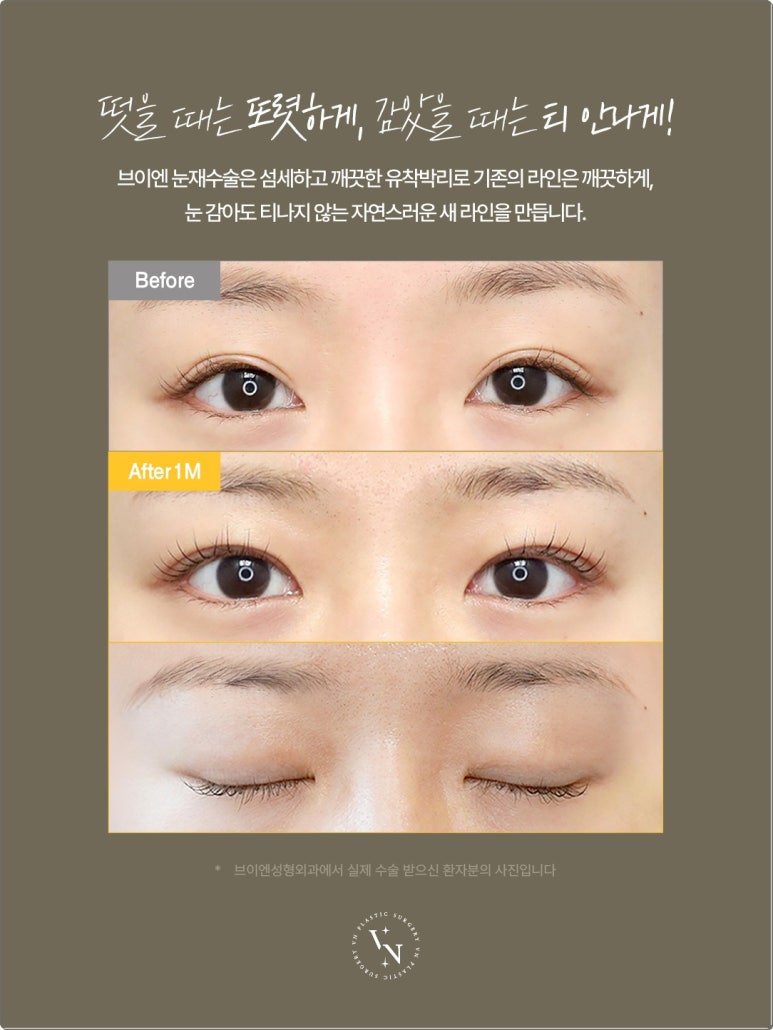
Double-line revision is a revision procedure
that releases the adhesions of an existing double-eyelid crease
created at a high position
and creates a new double-eyelid crease
at a lower position than the original crease.
Eyes that have already undergone surgery
have adhesions and scars
between the skin and the internal eyelid tissues.
Therefore, simply creating a new crease at a lower position
may cause the existing high crease to remain visible
or create multiple folds.
For this reason, with double-line revision,
the key is to consider both
how to address the existing crease
and where to create the new crease.
At VN Plastic Surgery,
when providing consultations for double-line revision,
we develop a surgical plan after examining
not only the current position of the crease,
but also the existing adhesions, available skin,
and the condition of the eyelid tissues.
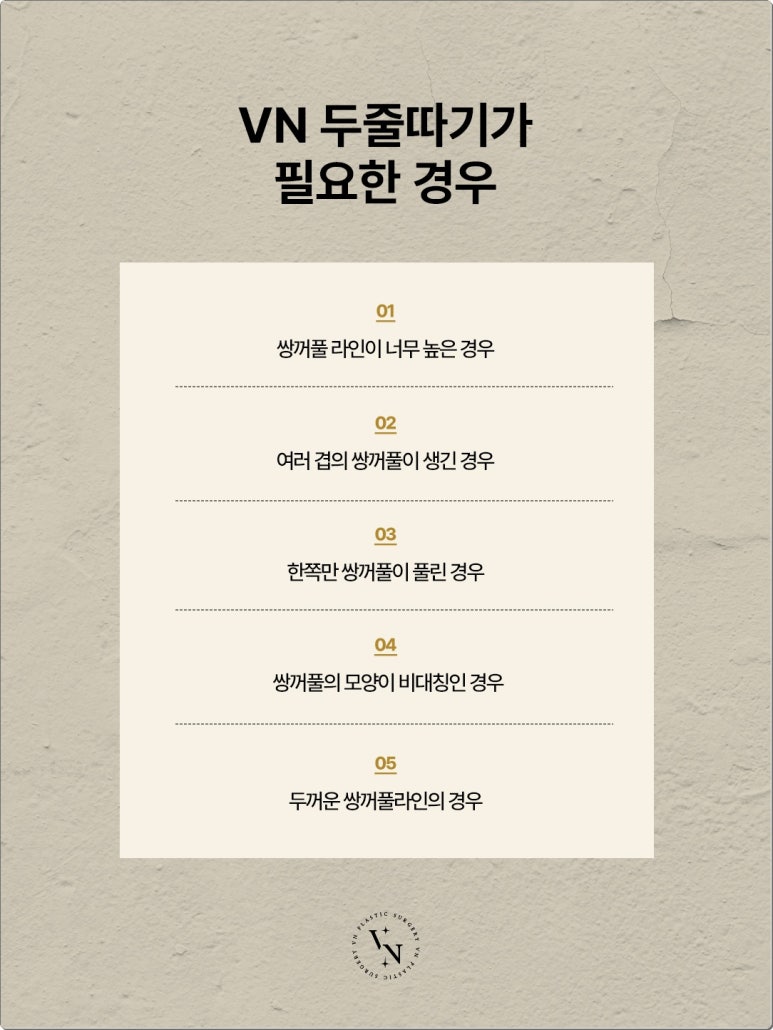
When Is Double-Line Revision Necessary?
Not everyone with a high double-eyelid crease
undergoes revision using the same method.
When determining whether double-line revision is appropriate,
the following four conditions must be checked.
① When the double-eyelid crease is excessively high
→ This refers to cases where the crease is positioned high when the eyes are open,
making the eyelids look thick and the eyes look heavy.
② When there is insufficient available skin
→ This refers to cases where it is difficult to remove additional skin
between the existing crease and the lower crease.
③ When existing adhesions remain
→ This refers to cases where the adhesions created during the first surgery remain strong,
so the existing crease may also form
when a new crease is created.
④ When the existing and new creases overlap
→ This refers to cases where the double eyelid appears as multiple layers
when the eyes are open,
or repeated overlapping folds occur.
In other words, double-line revision is not decided
simply because “the double-eyelid crease is high.”
The surgical method is determined after considering
the current crease height, available skin,
adhesions, and the presence of overlapping folds together.
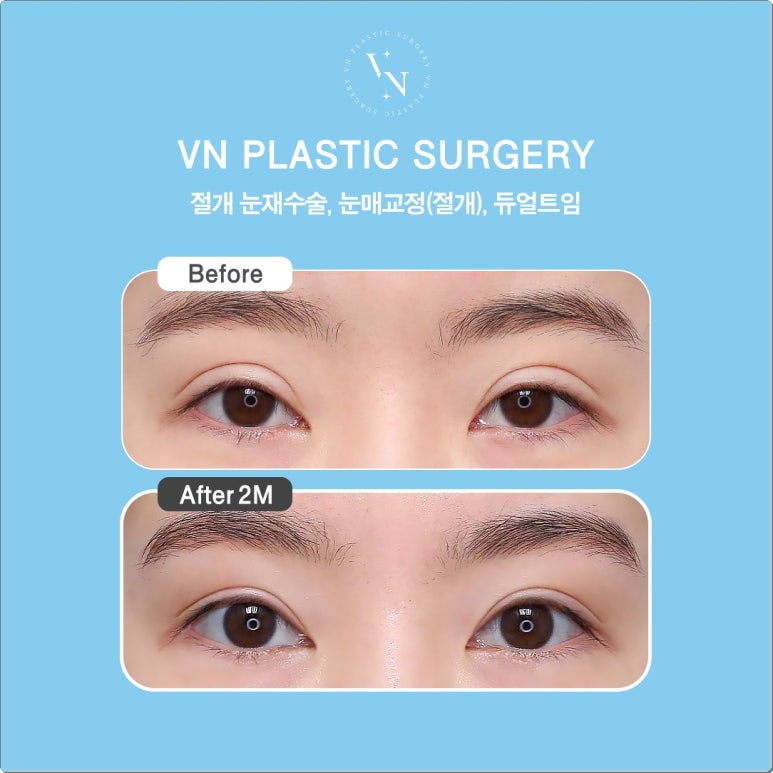
Will Lowering a High Crease Make the Eyes Look Natural Immediately?
“Can’t you just release the existing double eyelid
and recreate it in the desired position?”
Simply lowering a high crease
does not create the desired eye shape.
If a new crease is created at a lower position
while the existing crease is still set high,
the existing and new adhesions may form together,
making the eyes appear to have two creases.
In addition, if further skin removal is performed
when there is insufficient available skin,
it may be difficult to lower the crease
to the desired position.
Therefore, double-line revision is performed
after examining not only the position of the new crease,
but also the position of the existing crease
and the skin tissues.
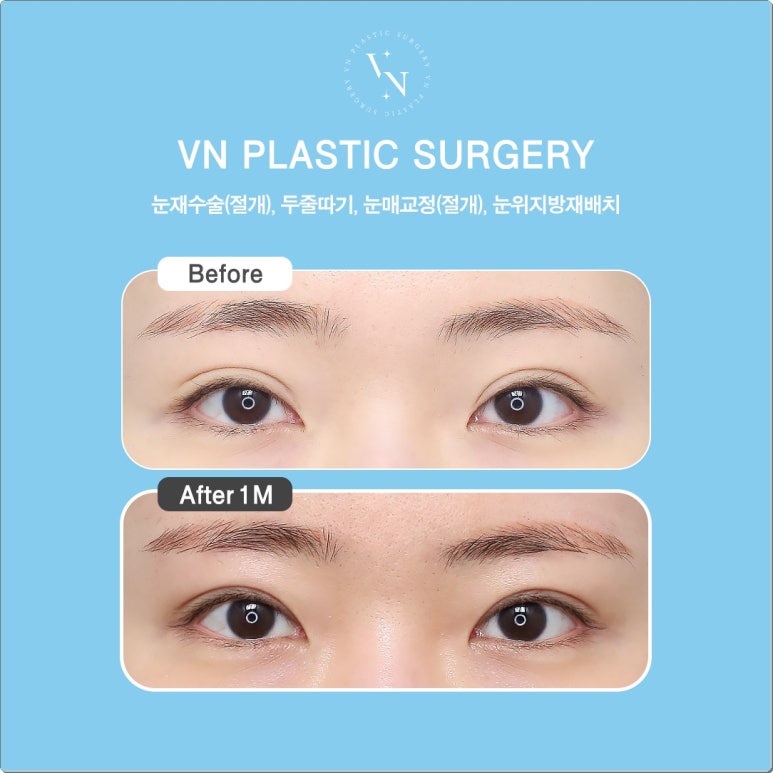
How Much Can the Crease Be Lowered with Double-Line Revision?
This is what people considering double-line revision
are most curious about.
Just because the crease is high
does not mean it can always be lowered
to the desired position.
If there is insufficient skin or the adhesions are strong,
the scope of surgery may be limited.
Therefore, rather than understanding double-line revision
as a procedure that lowers the crease by a certain number of millimeters,
it is more accurate to understand it as revision surgery
that determines the new crease position
after assessing what is possible based on the current condition
of the eye tissues.
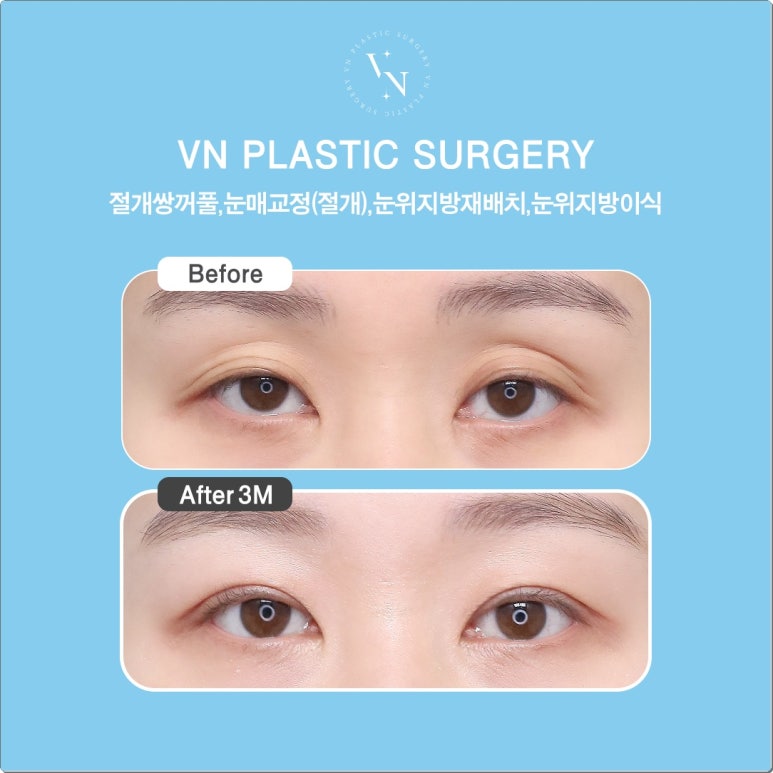
What Happens to the Existing Crease After Double-Line Revision?
Many people wonder whether the existing crease
will immediately become invisible after double-line revision.
Because existing adhesions and scars remain,
the traces of the existing crease or swelling
may initially make the eyes look as though they have multiple folds,
but as the tissues gradually stabilize,
the crease will settle into a more natural appearance.
Therefore, it is difficult to judge the final result
based only on the appearance immediately after surgery.

Check These Points Before Your Double-Line Revision Consultation
If you are planning to have a consultation for double-line revision,
refer to the following four questions.
Q. Where are the adhesions of the existing high double-eyelid crease located?
Q. Given the available skin, how much can the crease be lowered?
Q. To what extent might the existing high crease remain after surgery?
Q. Is double-line revision the only procedure needed,
or is another correction also necessary?
These questions can help you understand more specifically
what procedure your eyes currently need
than simply looking at before-and-after photos.
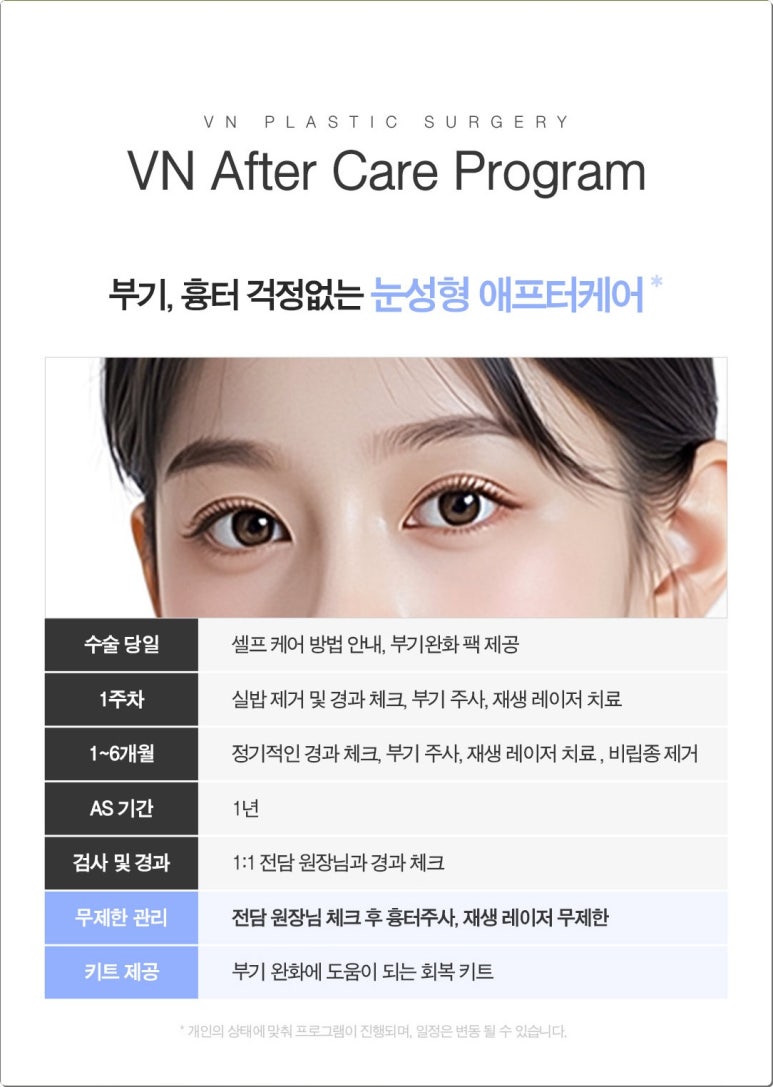
If you are considering double-line revision,
rather than comparing only before-and-after photos,
first check the cause of your high crease
and the current condition of your tissues.
At VN Plastic Surgery, double-line revision
does not focus solely on lowering the crease.
Instead, we examine the adhesions and tissue condition
created by the previous surgery
and develop a specific plan for the necessary scope of correction.


If you are considering double-line revision because of a high crease,
we recommend receiving an evaluation through a consultation.
Thank you for reading.