Athlete’s foot is one of the skin conditions that tends to recur easily. Athlete’s foot fungi, a type of fungus, continue to live between the layers of the skin, and when conditions become favorable for them, symptoms appear again. As a result, people who have had athlete’s foot once often experience repeated discomfort. To prevent this, it is important to receive proper athlete’s foot treatment from the beginning. It is usually thought that athlete’s foot appears more often in summer, but on cold winter days, wrapping hands and feet too warmly can cause them to sweat easily, creating an environment where the athlete’s foot fungus can thrive. That is why it is a condition that always requires caution.
Why do you get athlete’s foot?

People usually think athlete’s foot occurs in people who are unclean. However, there are many cases where athlete’s foot progresses without you realizing it. Wearing thick socks or boots for long periods can make the feet sweaty and damp, causing the skin to become irritated and allowing athlete’s foot to develop. Even if water is not properly wiped off after showering, the skin can become damp and the condition can occur. There are also many cases of infection from athlete’s foot fungus in bathhouses and swimming pools. Therefore, to prevent athlete’s foot, it is not enough to simply maintain cleanliness; it is also necessary to check whether everyday habits are unknowingly creating an environment where the fungus can live.
These symptoms are athlete’s foot
As athlete’s foot worsens, the symptoms become more obvious. In the early stage, the nails gradually thicken, and stripes or cracks appear on the surface. It is easy to think that it is not athlete’s foot, but rather another skin condition or simply dryness. If this state is left untreated, the nail color gradually changes, white flakes appear around the surrounding skin, itching becomes severe, and the nails become deformed.
A odor may also appear, and there is even a risk of the nails falling off. If deformation, odor, and pain are already visible to the eye, the risk of transmission is very high, so you must be especially careful about sharing towels or entering public places.
Removing the fungus is important
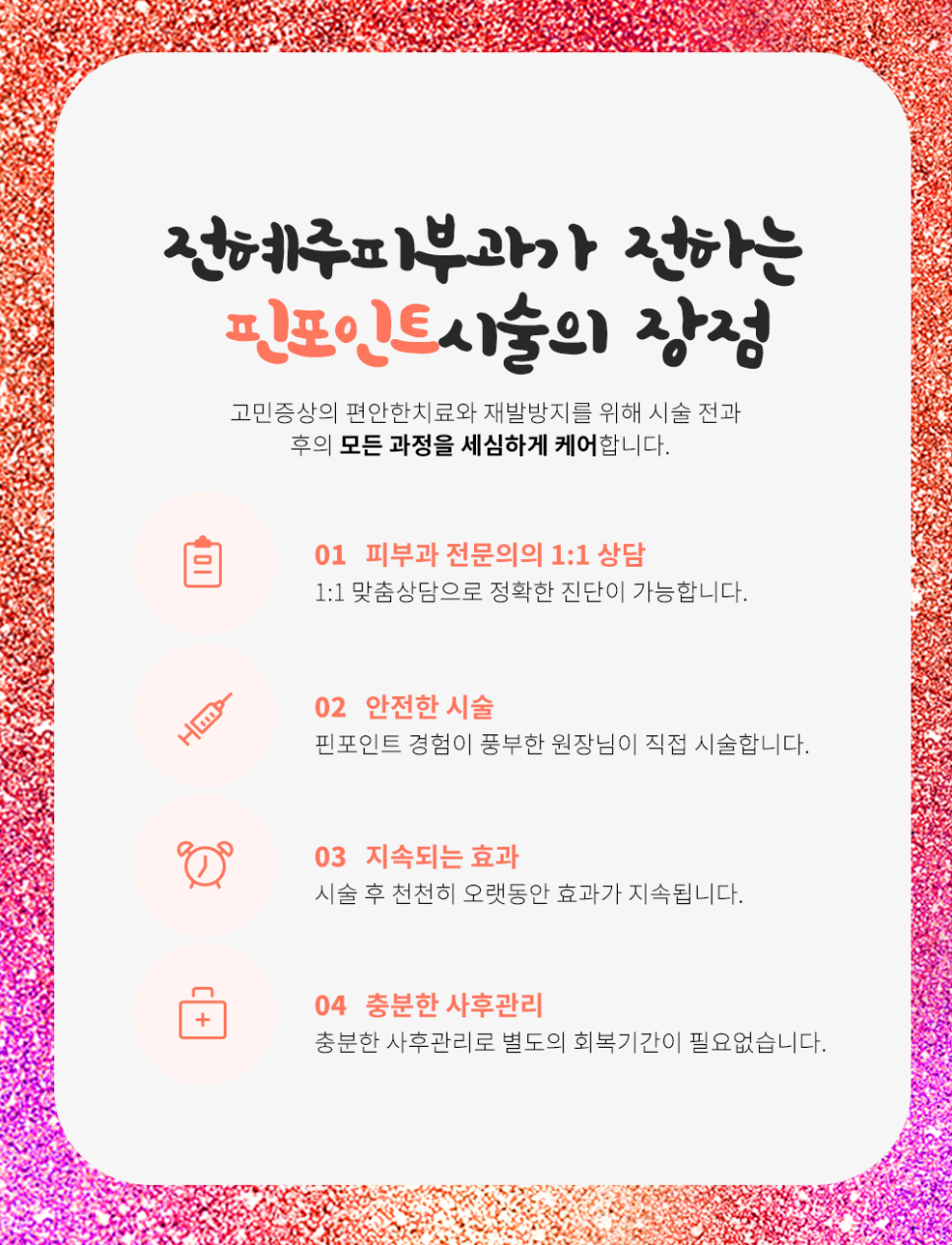
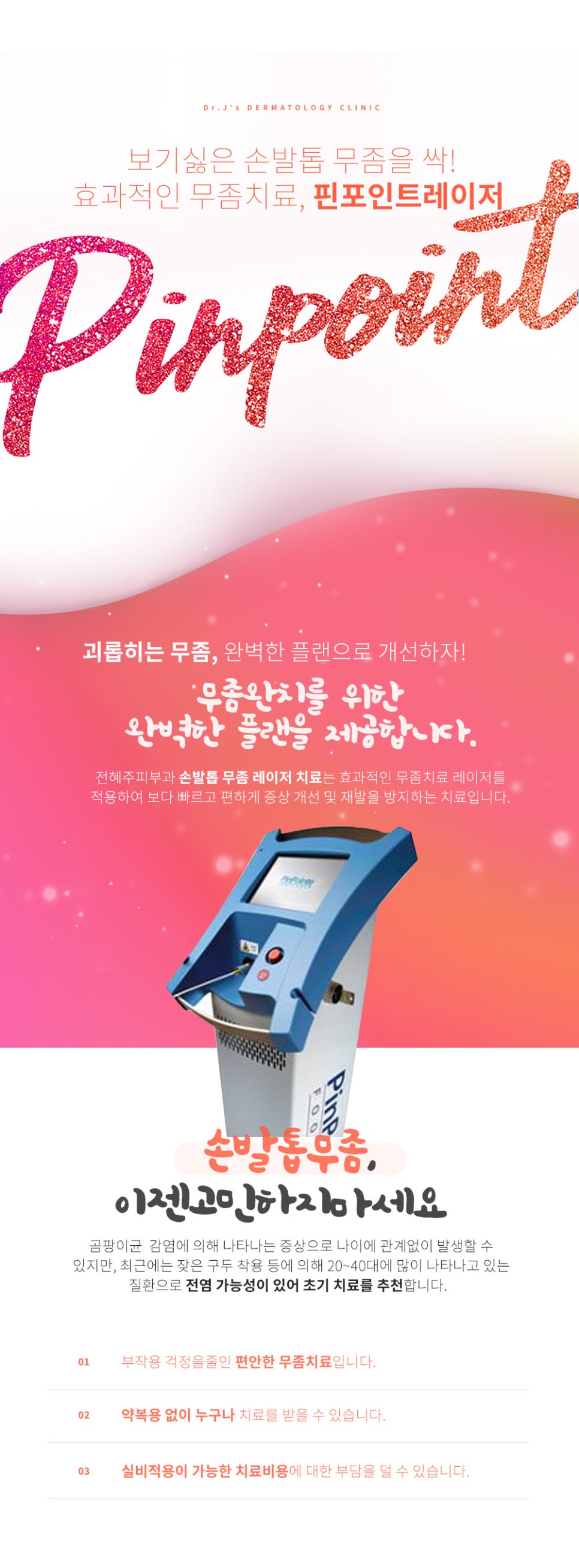
There are various methods said to help treat athlete’s foot. However, removing the fungus directly is important, and it has not yet been proven whether many folk remedies help eliminate the fungus without irritating the skin. On the contrary, the skin surface may become red and inflamed, and there is also a risk of infection, so caution is needed. These days, there are methods such as athlete’s foot laser treatment, including pin-point laser, that directly remove the fungus around the nails and help with recovery.
When the laser is delivered to the affected area, it not only sterilizes the area but also has the advantage of not irritating the surrounding skin. It can also help nails grow back cleanly, so you may see healthy nails again after treatment. Both hands and both feet can be treated at the same time, and because medication does not need to be taken, pregnant women and older adults can also receive athlete’s foot laser treatment with peace of mind. Results vary from person to person, so after consulting with a dermatologist, please receive treatment appropriate for your symptoms.
Thorough prevention is necessary for athlete’s foot

The best way to prevent athlete’s foot is to avoid creating a damp environment. Sweat and moisture should be wiped off immediately, and for people whose feet sweat a lot, changing socks frequently can also help. At home, please be careful not to share towels, and personal items should be thoroughly disinfected. If these hygiene practices are carried out together while receiving treatment, recurrence can also be reduced. If you notice symptoms that may suggest athlete’s foot, please visit a dermatology clinic quickly before it gets worse.