Bangbae Station Dermatology Contact Dermatitis
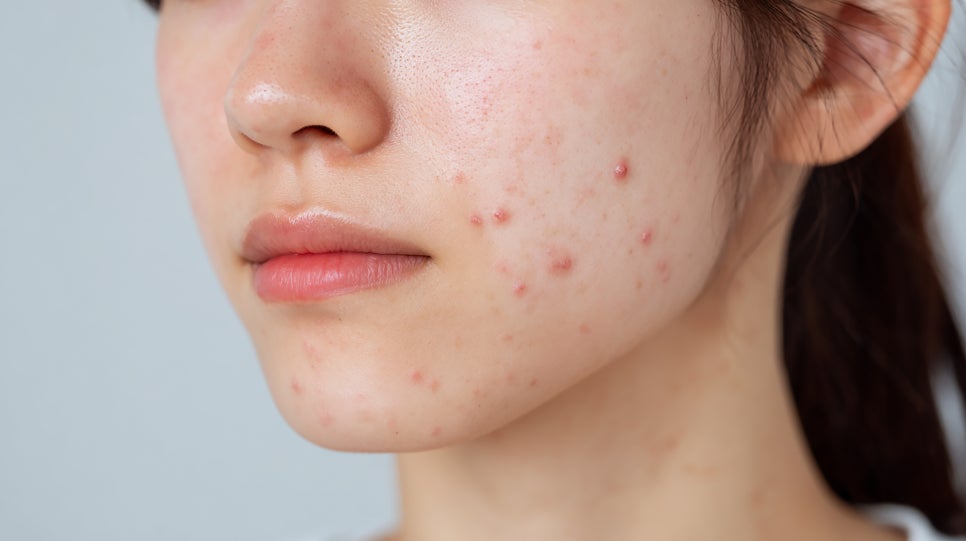
Has your skin, which seemed perfectly fine until yesterday, suddenly turned red and become unbearably itchy, leaving you flustered? If your face breaks out just because you changed your cosmetics or wore a newly purchased mask, the stress can be beyond words.
Many people urgently apply steroid ointment to suppress the symptoms, but if the underlying cause is not addressed, skin problems can return at any time. Today, we will look at contact dermatitis, a common but by no means minor condition, and introduce Bangbae Station Dermatology’s systematic treatment methods for rebuilding a damaged skin barrier.
What Is Contact Dermatitis?

Bangbae Station Dermatology Contact Dermatitis
Contact dermatitis is broadly classified into two types depending on the mechanism of onset.
First, there is primary (irritant) contact dermatitis. This can occur in anyone when exposed to an irritant above a certain concentration. Causes include not only chemicals such as strong acids or alkalis, but also soap, detergent, diapers, and even friction from the rough fibers of a mask. Even someone with a strong skin barrier can still experience damage to the stratum corneum and inflammation under sustained and strong irritation.
Second, there is allergic contact dermatitis. This occurs when the immune system overreacts (an allergic reaction) to a specific substance (antigen). The main causes include metals such as nickel or chromium, fragrance or preservatives in cosmetics, and hair dye. What is interesting is that there may be no reaction upon first contact, but symptoms appear only after repeated exposure causes the skin to recognize the substance as an “enemy” (sensitization). That is why the question, “I’ve been using this all along, so why is this happening?” has its answer here.
Main Symptoms: From Red Warning Lights to a Hardened Armor
Bangbae Station Dermatology Contact Dermatitis
The symptoms of contact dermatitis vary greatly depending on the type of substance contacted, the affected area, and the duration of exposure. But what troubles patients most in common is itching and pain.
In the early acute stage, redness and swelling appear at the contact site. A feeling of heat develops, accompanied by intense itching and stinging pain. If the inflammatory reaction is severe, tiny pinhead-sized blisters (vesicles) may form, or wet lesions may appear as the blisters burst and ooze fluid. If a secondary bacterial infection occurs at this time, yellow pus may form and the pain can worsen further.
Chronic symptoms If the condition is left untreated or if scratching repeatedly causes wounds, the lesions can become chronic. The skin thickens and becomes rough in a phenomenon called lichenification as it tries to protect itself from ongoing irritation. In addition, due to post-inflammatory hyperpigmentation, the skin may turn dark reddish, or a dry state with white scaling may persist.
Treatment: Accurate Diagnosis and Step-by-Step Prescription
Bangbae Station Dermatology Contact Dermatitis
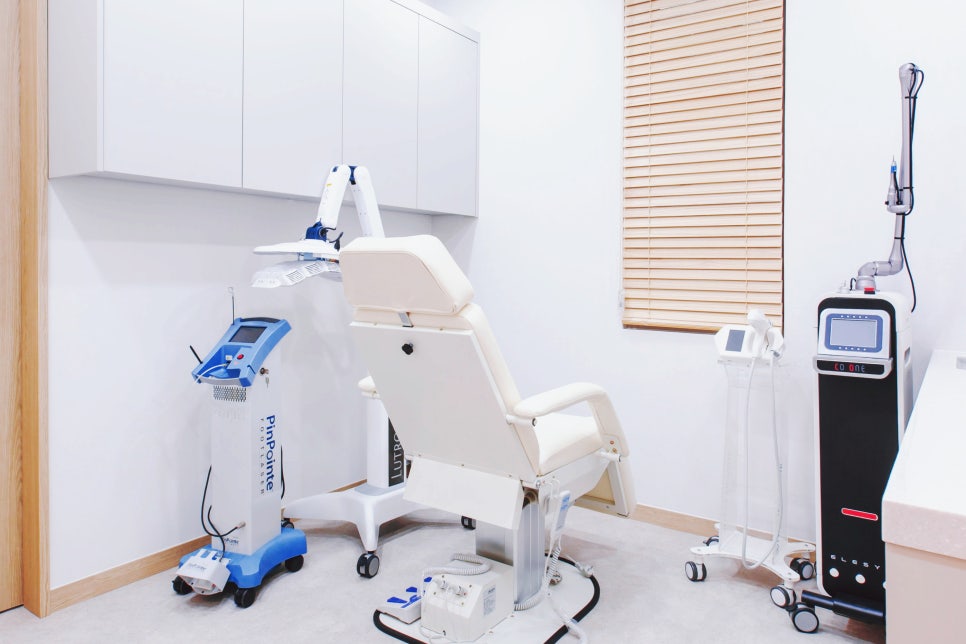
The key to treating contact dermatitis is not simply eliminating the itching, but identifying and blocking the cause while restoring the damaged barrier. Depending on the patient’s condition, the following step-by-step treatments are used.
[1. Identifying and Avoiding the Cause (including patch testing)]
Through a medical interview, suspected substances are traced, and if necessary, a patch test is performed by applying various antigens to the back to check for reactions. Knowing exactly what the causative substance is and avoiding it can dramatically lower the recurrence rate.
[2. Medication Treatment (antihistamines and steroids)]
As the most common and effective treatment, antihistamines are taken to control unbearable itching. Steroid preparations are used on areas with severe inflammation; at this time, the important thing is a specialist’s prescription. Depending on the thickness of the skin and the site of inflammation (face, body, etc.), the appropriate strength and exact amount of medication must be used to quickly control inflammation without side effects. If symptoms are severe and spread throughout the body, oral steroids may also be prescribed for a short period.
[3. Cold Wet Dressing Therapy]
This treatment is used when there is oozing or severe heat in the acute stage. Gauze soaked in saline or disinfectant solution is placed on the lesion to lower the skin temperature and constrict blood vessels, stopping the oozing. This process greatly helps relieve itching immediately and prevent secondary bacterial infection.
Prevention: Above All, What Matters Is “Avoidance” and “Protection”

Bangbae Station Dermatology Contact Dermatitis
The smartest way to manage contact dermatitis is prevention before treatment. To protect already sensitive skin and prevent recurrence, it is important to follow the lifestyle guidelines below.
Identify and avoid the causative substance If you do not know what you react to, you cannot avoid it. You should identify the exact antigen through patch testing at the hospital and develop the habit of checking the ingredients of cosmetics, detergents, and accessories you use regularly.
Strengthen the barrier with thorough moisturizing A healthy skin barrier serves as an excellent shield that prevents external irritants from penetrating. After showering, apply moisturizer generously within 3 minutes, before moisture evaporates, to keep the skin from becoming dry.
Create an appropriate environment Sudden temperature changes and dryness can trigger itching. Maintaining indoor humidity at around 50–60% is helpful, and for clothing that comes into direct contact with the skin, it is better to choose soft, breathable cotton rather than synthetic fibers.